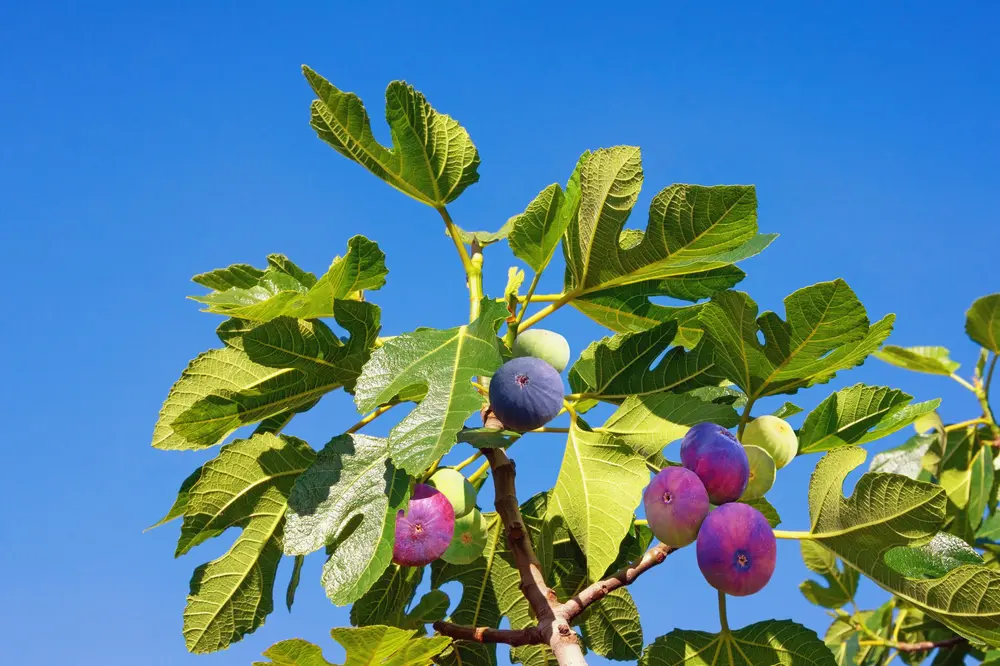
Fig trees are a rewarding addition to a home orchard, offering attractive foliage and abundant crops of sweet fruit. Before planting one, however, it is important to understand just how much space a mature tree may need.
So, how big do fig trees get? The answer depends on the variety, growing conditions, and how regularly the tree is pruned. While some figs remain compact enough for patios and smaller yards, others can develop into substantial trees when allowed to grow naturally.
How Tall Do Fig Trees Grow?
Many common fig trees mature somewhere around 10 to 20 feet tall, with a similar spreading habit. In especially favorable conditions, some varieties may grow larger.
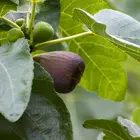
Variety makes a significant difference. For example, the Black Jack Fig Tree is naturally semi-dwarf. With pruning, it can be maintained at approximately 6 to 8 feet tall, while an unpruned tree may eventually reach approximately 12 to 15 feet.
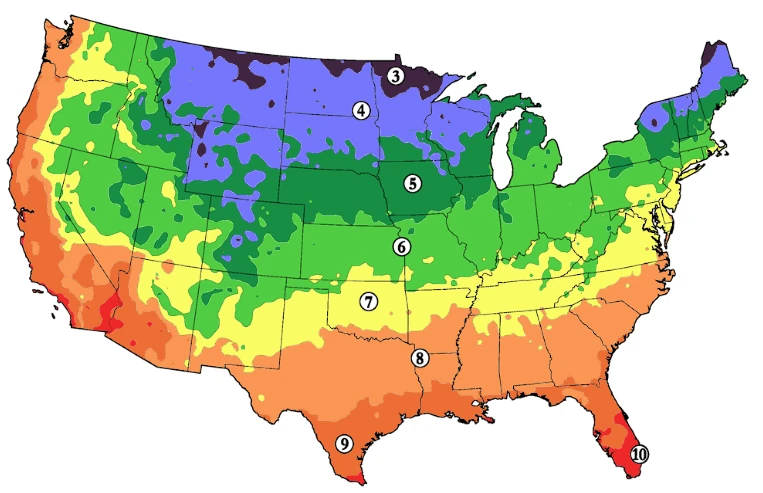
Gardeners can explore our full selection of fig trees to compare varieties suited to different climates, landscapes, and growing spaces.
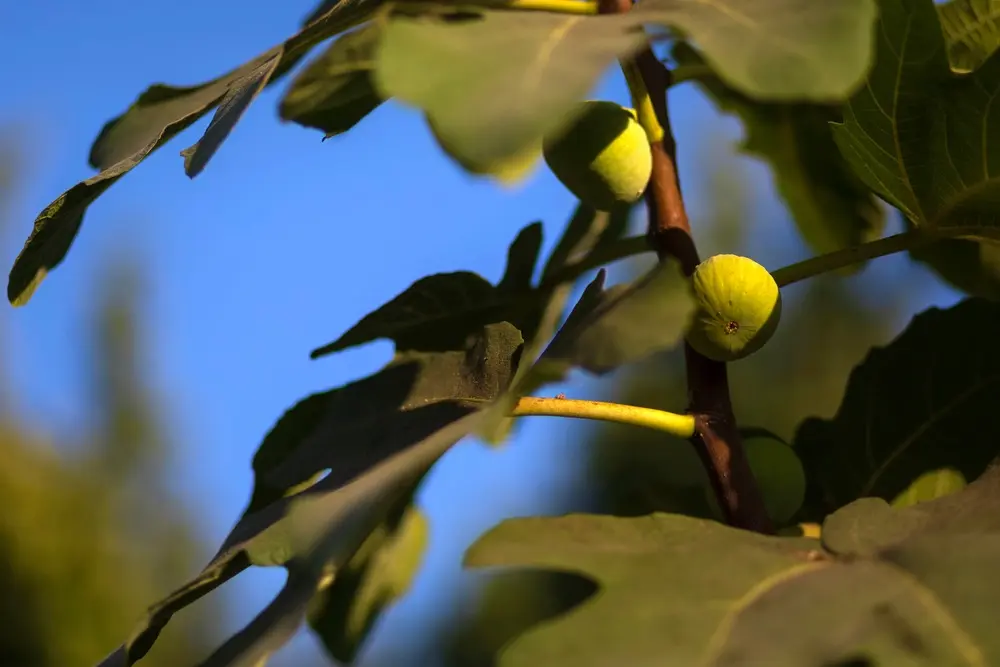
What Determines the Size of a Fig Tree?
Several factors influence how large a fig tree ultimately becomes.
Fig Tree Variety
Genetics play one of the largest roles. Some varieties naturally develop a more compact growth habit, while others become broad, vigorous trees. Compact choices such as Black Jack and Brown Turkey are also featured among dwarf fruit trees, making them useful options when space is limited.
Growing Conditions
Fig trees perform best with plentiful sunlight, regular watering, and fertile, well-drained soil. Healthy growing conditions typically encourage more vigorous growth as well as stronger fruit production.
Pruning
Annual pruning is one of the easiest ways to control fig tree size. Removing excessive, crowded, or poorly positioned branches helps maintain a manageable canopy while improving access to sunlight and fruit.
How Much Space Does a Fig Tree Need?
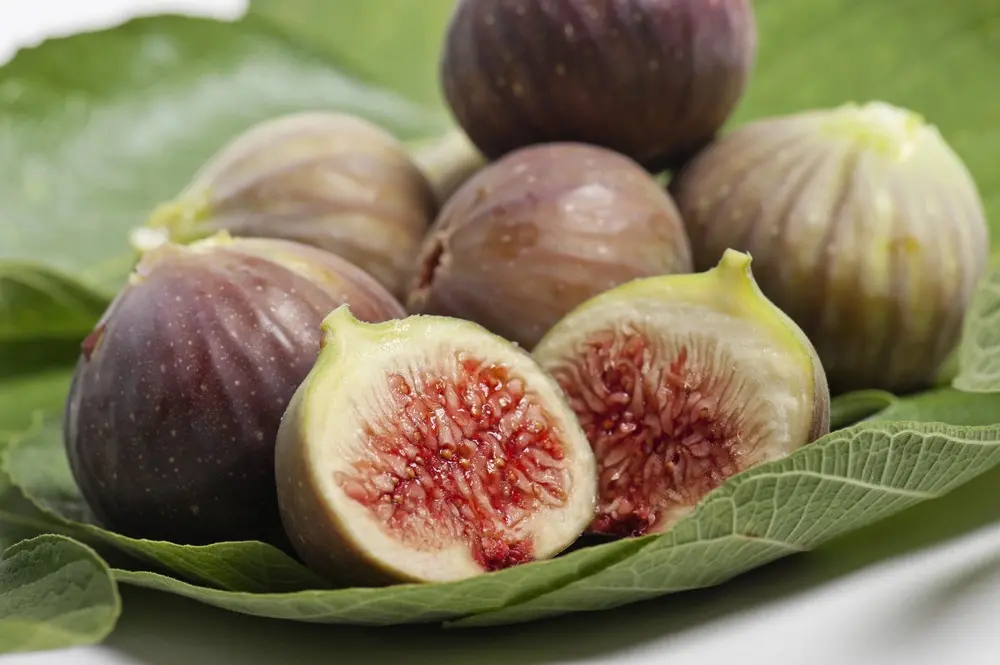
When planting a fig tree in the landscape, plan for its mature canopy rather than its nursery size. Providing generous space between the tree and buildings, fences, or neighboring plants makes long-term maintenance much easier.
For smaller properties, selecting a naturally compact variety and maintaining it through pruning can significantly reduce its footprint. Some varieties, including the Brown Turkey Fig Tree, can also work well for patio or container growing when managed appropriately.
Can You Keep a Fig Tree Small?
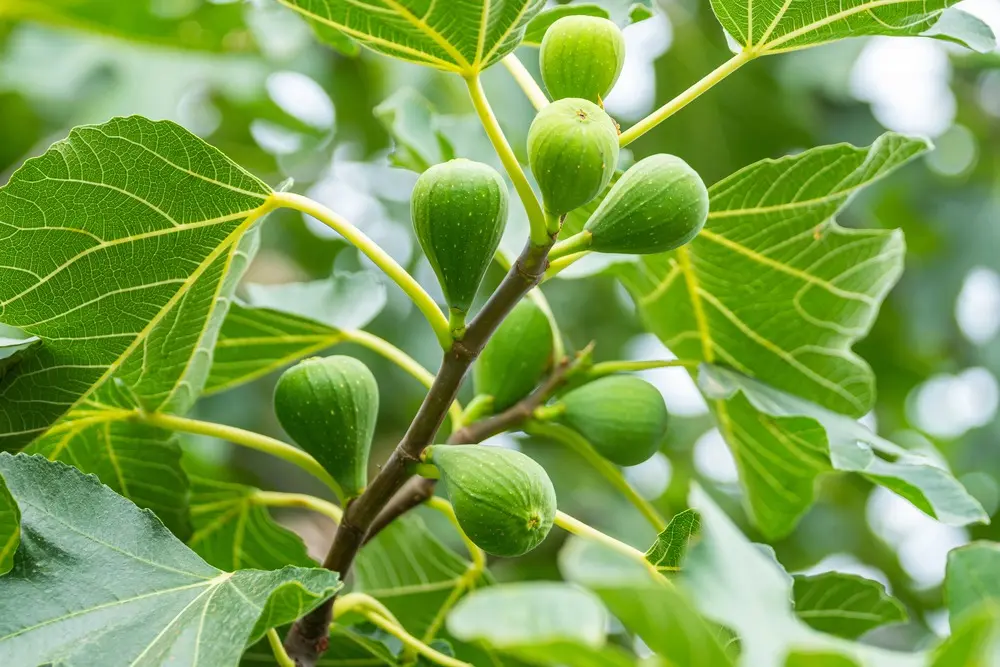
Yes. Fig trees respond well to pruning, allowing gardeners to maintain them at a more convenient harvesting height. Regular pruning can also encourage an open structure that makes fruit easier to reach.
Container growing provides another option for controlling size because restricted root space naturally limits vigorous growth.
Choose the Right Fig Tree for Your Space
Fig trees can range from compact, easily managed plants to substantial landscape specimens. Choosing the right variety and establishing a regular pruning routine can help you enjoy productive harvests without allowing the tree to outgrow its space.
Whether you are creating a backyard orchard, filling a sunny garden corner, or looking for a more compact fruit tree, consider our selection of fruit trees and orchard plants to find a variety suited to your growing space.