Peter's Honey Fig Tree
+/-1'
$19.95
Ships: 10/15/2026 - 06/01/2027
Description
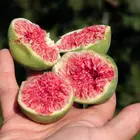
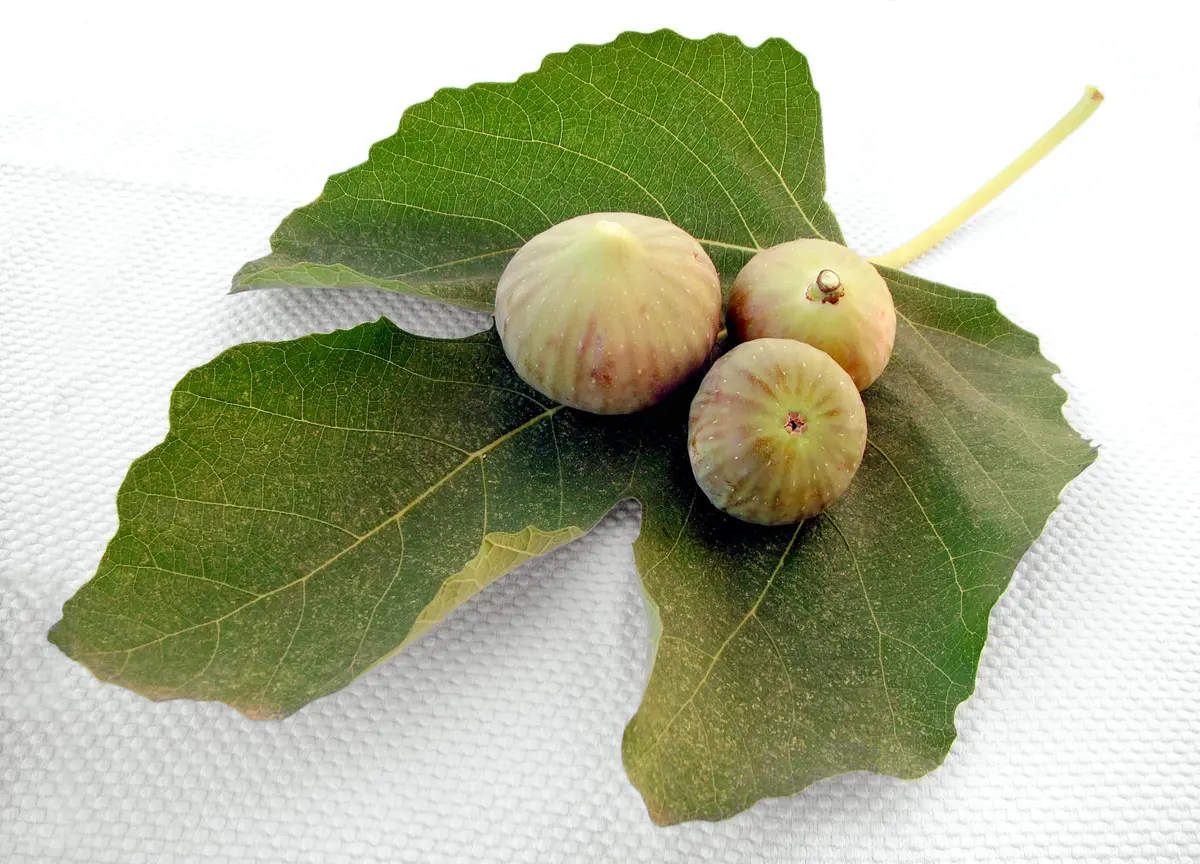
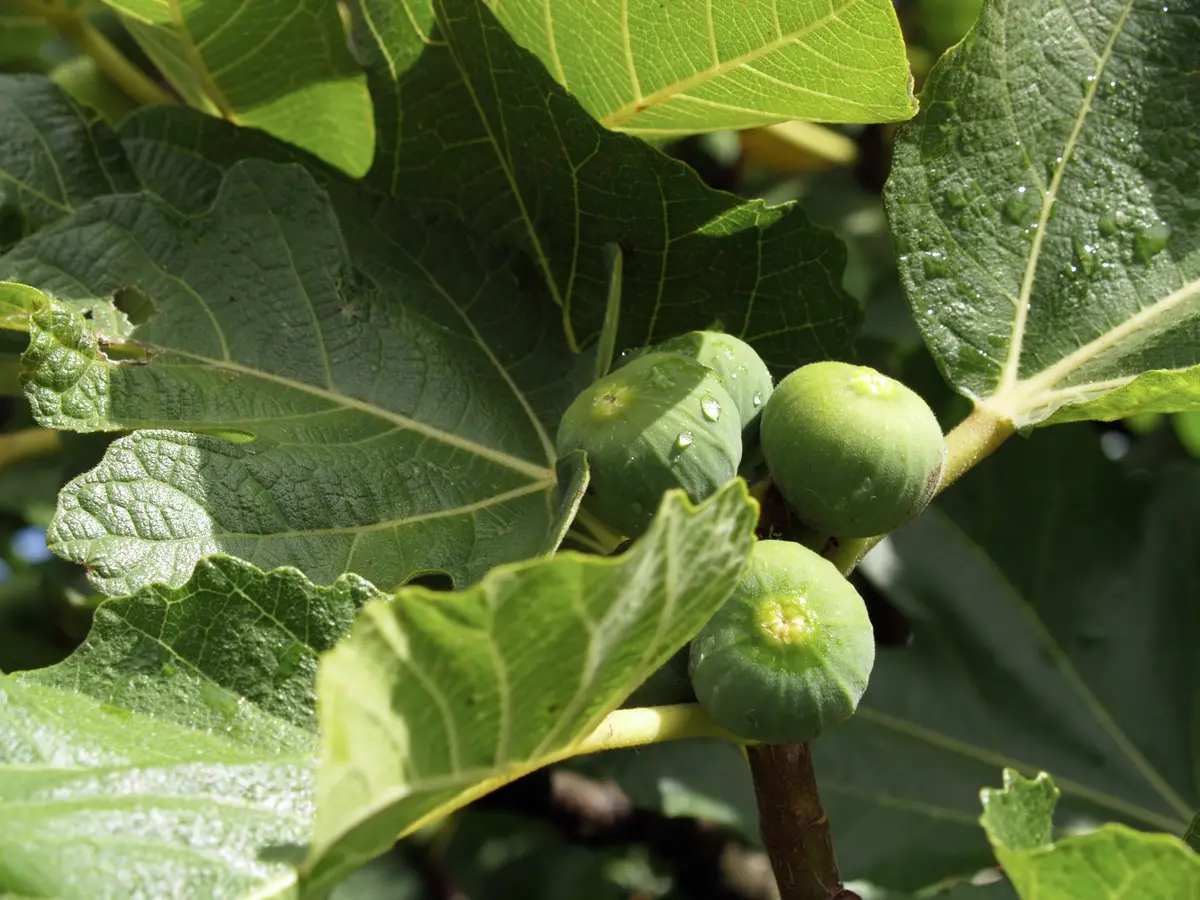
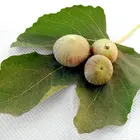
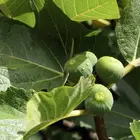
The Peter's Honey Fig tree originated in Sicily and was brought to us by Peter Dana of Portland, Oregon. This classic Italian fig tree is prized for its rich flavor and heritage. The fruit is a light yellow-green color with an outstanding sweet dark amber flesh. The Peter's Honey Fig Tree grows from 15-25 feet tall and wide. Buy a Peter's Honey Fig Tree for sale from us, this is a must have for every Italian-American gardener.
Characteristics
| Fruit Color | Yellowish-Green |
| Fruit Size | 1-1.75 inch diameter |
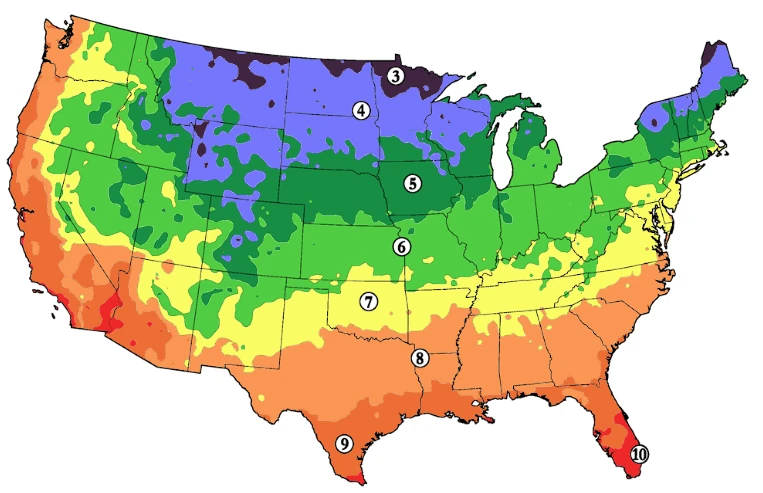
| Hardiness Zone Range | 7 - 10 |
| Pollination | Self Fertile |
| Ripens/Harvest | August - November |
| Shade/Sun | Full Sun |
| Soil Composition | Loam |
| Soil Moisture | Well Draining |
| Soil pH Level | 6.0-7.0 |
| Taste | Sweet |
| Texture | Soft |
| Years to Bear | 1-5 |
Zones
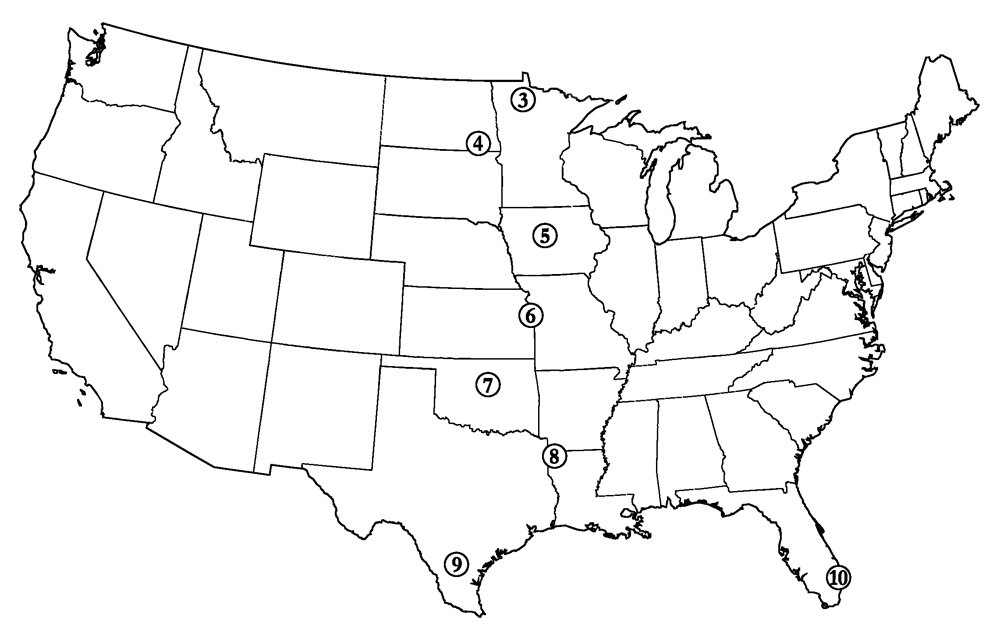
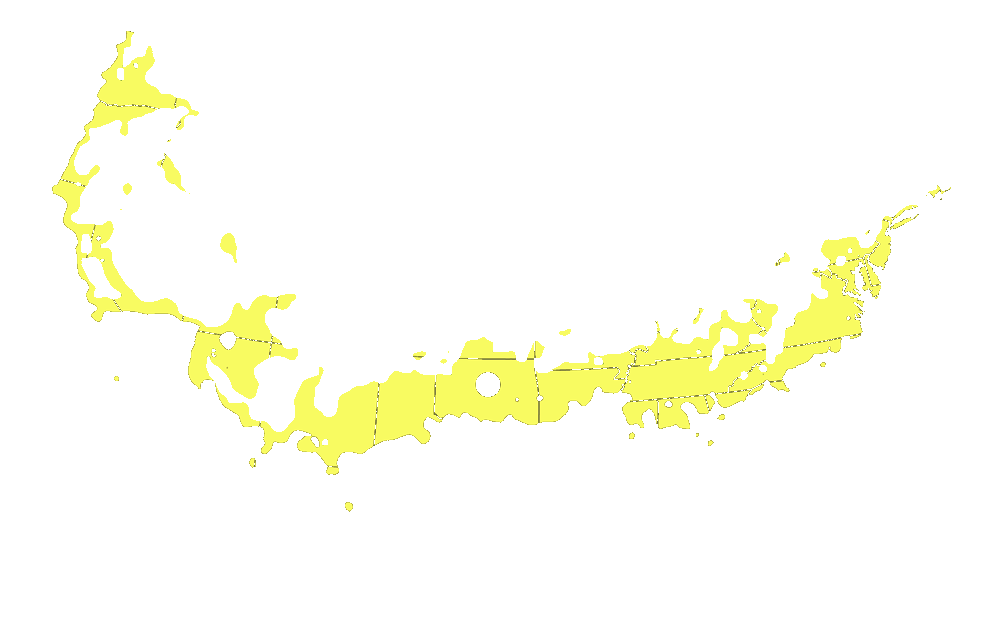
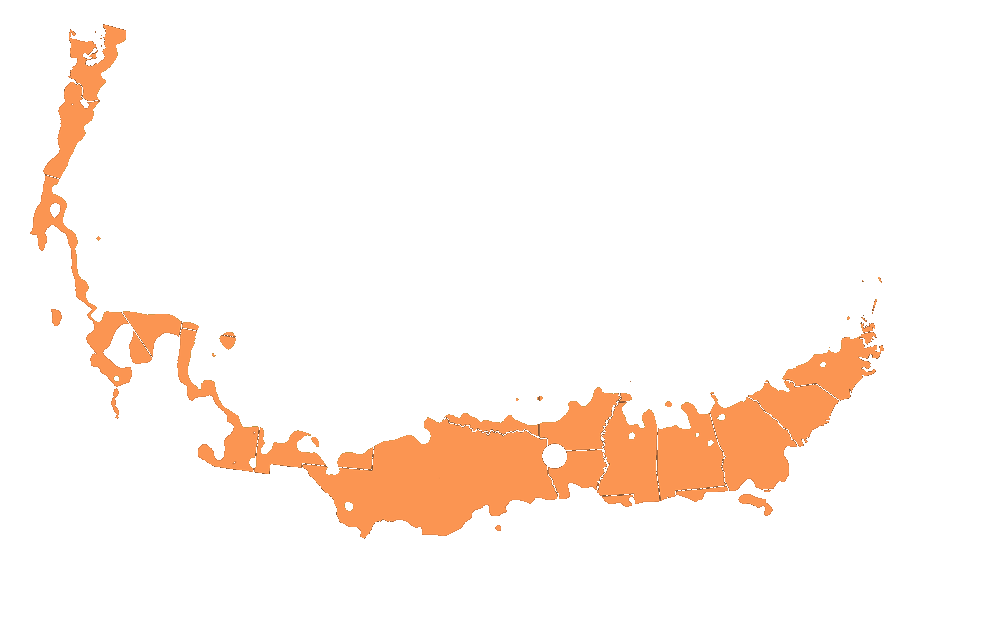
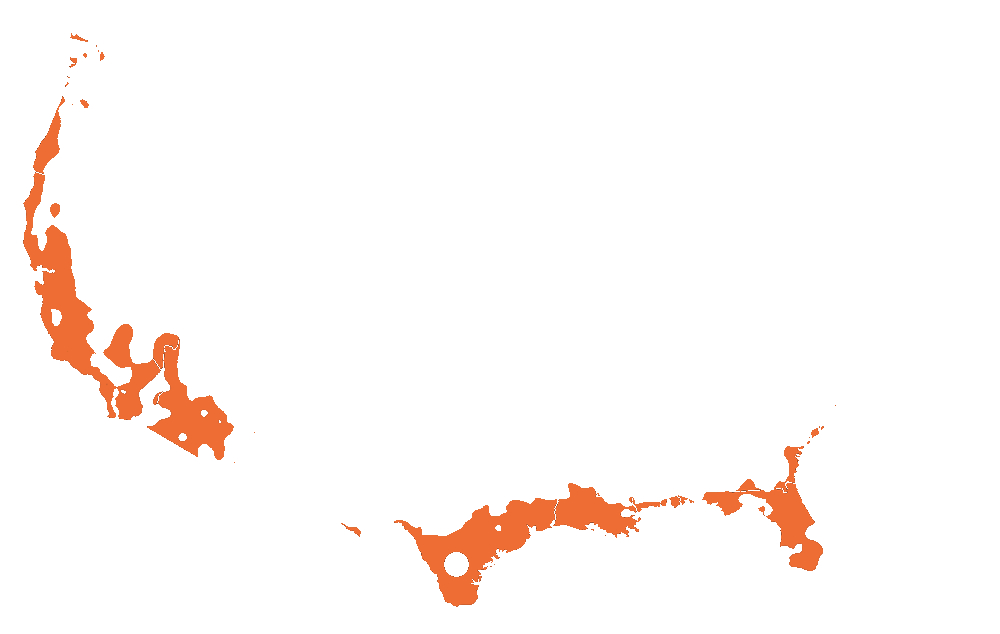
Shaded areas show where this product grows.
USDA Hardiness Zones
A hardiness zone is a geographic area defined by average annual minimum winter temperatures, helping gardeners determine which plants can survive in their region. Developed by the USDA, the 13 numerical zones indicate cold hardiness—for example, a plant "hardy to zone 10" tolerates minimum temperatures of 30 to 40 °F (−1.1 to 4.4 °C).
Grows in zones: 7 - 10
A hardiness zone is a geographic area defined by average annual minimum winter temperatures, helping gardeners determine which plants can survive in their region. Developed by the USDA, the 13 numerical zones indicate cold hardiness—for example, a plant "hardy to zone 10" tolerates minimum temperatures of 30 to 40 °F (−1.1 to 4.4 °C).