Your web browser is out of date.
Some features of this site, including checkout, may not work until you update to a current version of Safari, Chrome, Firefox, or Edge.
How to update your browser
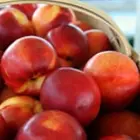
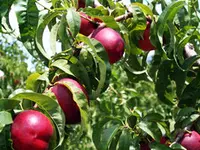
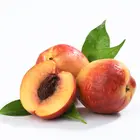
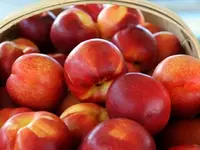
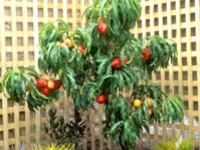
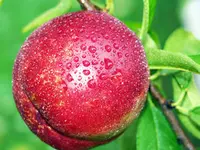
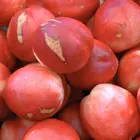
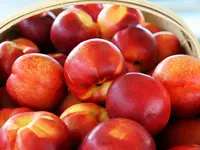
The Nectarine Tree has been around for at least 2000 years but is considered a rather new fruit, first appearing in 1720 when found growing between a row of peach trees in Virginia. Charles Darwin noticed that peach trees spontaneously produced nectarines and that this also happened the other way around. Nectarines have often been described as "fuzz-less peaches", which is true. The flesh is sweet, succulent, and firmer than peaches. However, nectarine trees are almost identical to the peach in appearance, culture, and care. Nectarine plants are self-fertile and freestone. The fruit is fragrant, brightly colored, sweet and wonderful to eat fresh or to be used in cooking. Nectarines contain a good amount of vitamins A and C. Buy Nectarine trees for sale online at Willis Orchards to enjoy excellent fruit for you to eat from your home orchard in June, July and August.
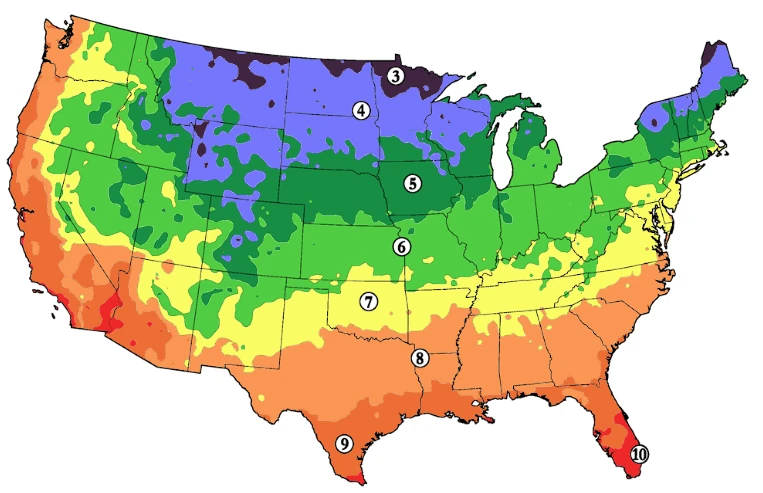
A hardiness zone is a geographic area defined by average annual minimum winter temperatures, helping gardeners determine which plants can survive in their region. Developed by the USDA, the 13 numerical zones indicate cold hardiness—for example, a plant "hardy to zone 10" tolerates minimum temperatures of 30 to 40 °F (−1.1 to 4.4 °C).