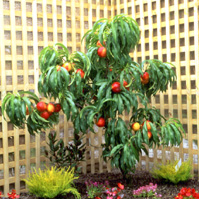
Leprechaun Dwarf Nectarine Tree
+/-2' Dwarf Nectarine (Well Branched)
$44.95
Ships: 12/01/2026 - 03/15/2027
Description
This product cannot be shipped to California.
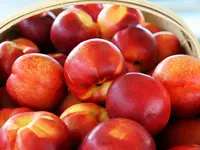
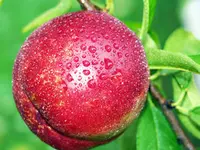
The Leprechaun Dwarf Nectarine is a cute and attractive little tree but still produces a nice crop of delicious fruits. With a mature height of only 5 feet it is sure to be the talk of the patio when the red over yellow fruit is ripe in July. This great flavored medium to large sized nectarine is firm, sweet and fully freestone. The Leprechaun Dwarf Nectarine fruit tree for sale will make a great addition to your dwarf fruit tree collection for cool climate areas that receive around 900 chilling hours. Zones 5-8b.
Characteristics
| Bloom Color | Bright Pink |
| Bloom Time | April |
| Fruit Color | Red w/Yellow Background |
| Fruit Size | 2-2.75 inch diameter |
| Hardiness Zone Range | 5 - 8 |
| Pollination | Self Fertile |
| Ripens/Harvest | July |
| Shade/Sun | Full Sun |
| Soil Composition | Sandy Loam |
| Soil Moisture | Well Draining |
| Soil pH Level | 6.0-6.5 |
| Taste | Sweet, Rich, & Sugary |
| Texture | Crisp & Firm |
| Years to Bear | 2-5 |
Pricing
| Size | Price | Ships |
|---|---|---|
|
+/-2' Dwarf Nectarine (Well Branched)
|
$44.95 | 12/01/2026 - 03/15/2027 |
|
+/-3' Dwarf Nectarine (Fruiting Size)
|
$59.95 | 12/01/2026 - 03/15/2027 |
|
+/-4' Dwarf Nectarine (1" cal. Fruiting Size)
|
$79.95 | 12/01/2026 - 03/15/2027 |
Zones
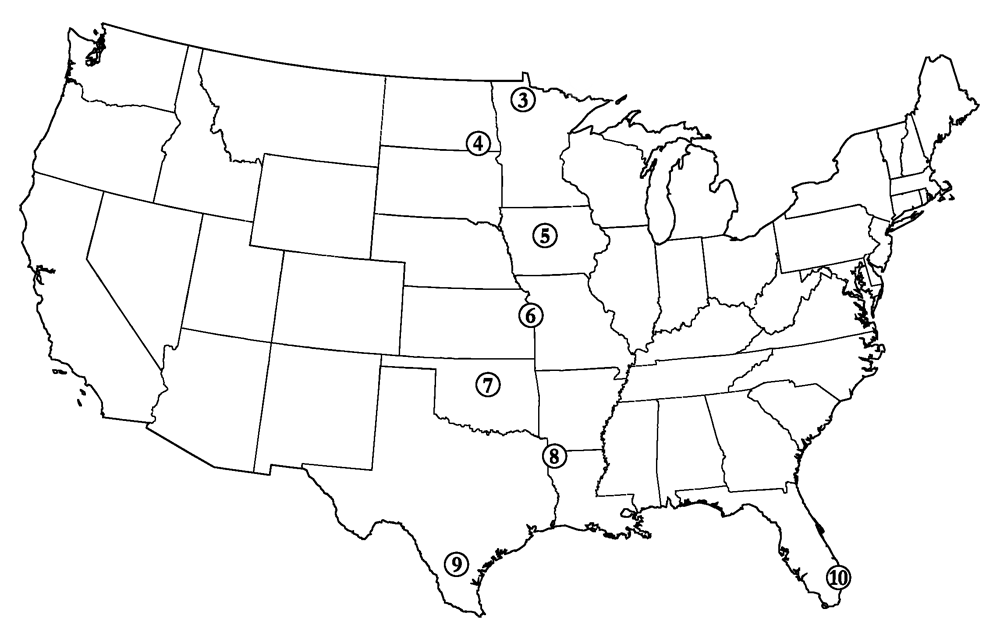
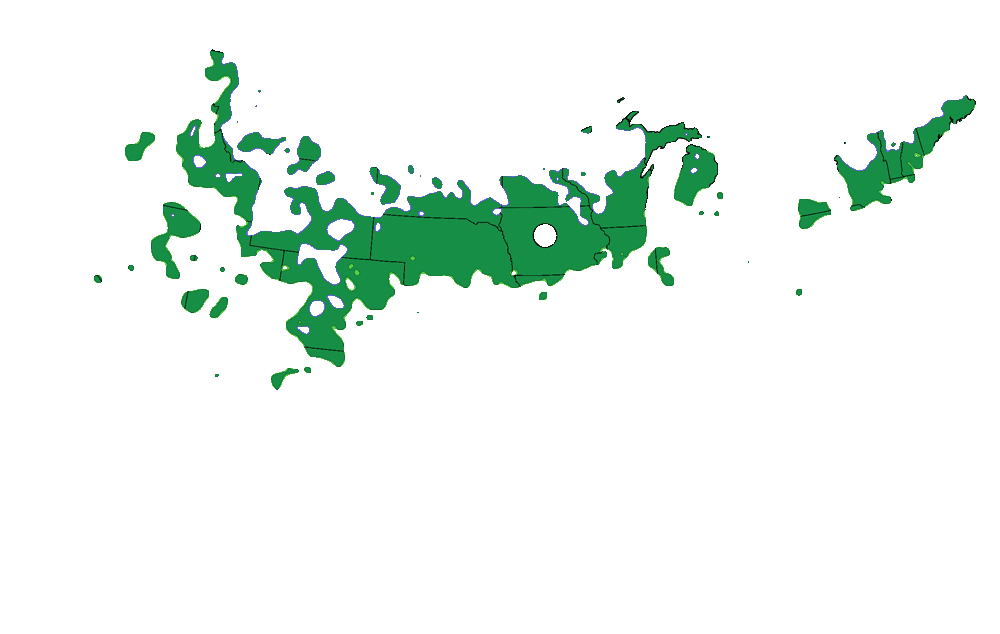
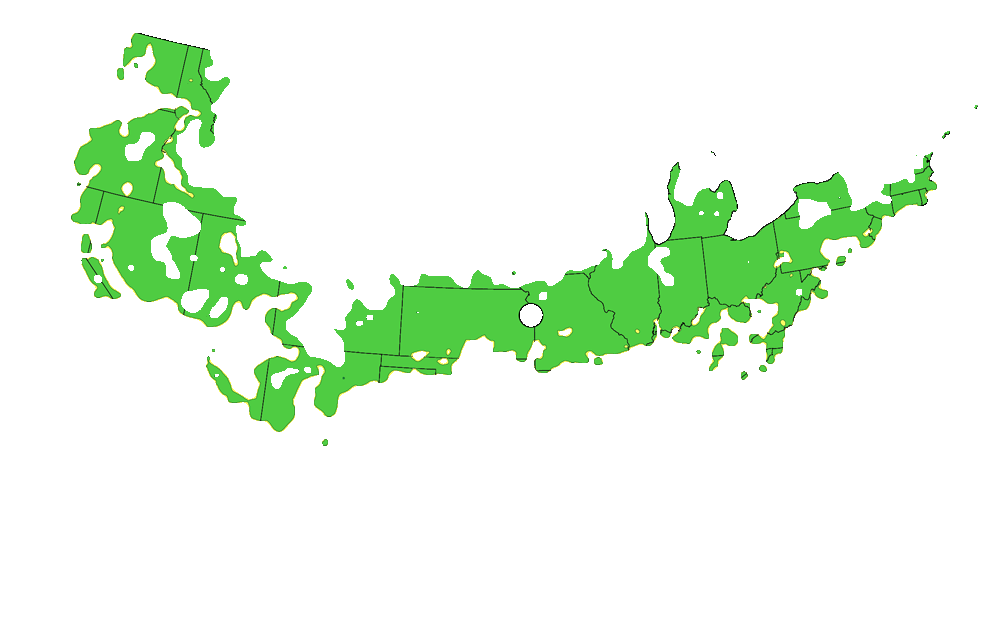
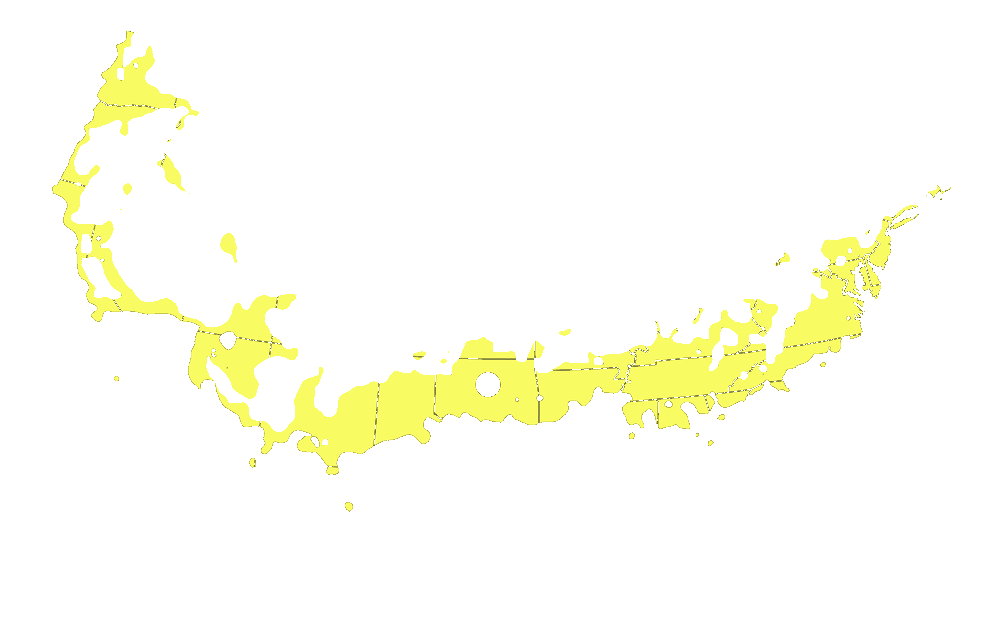
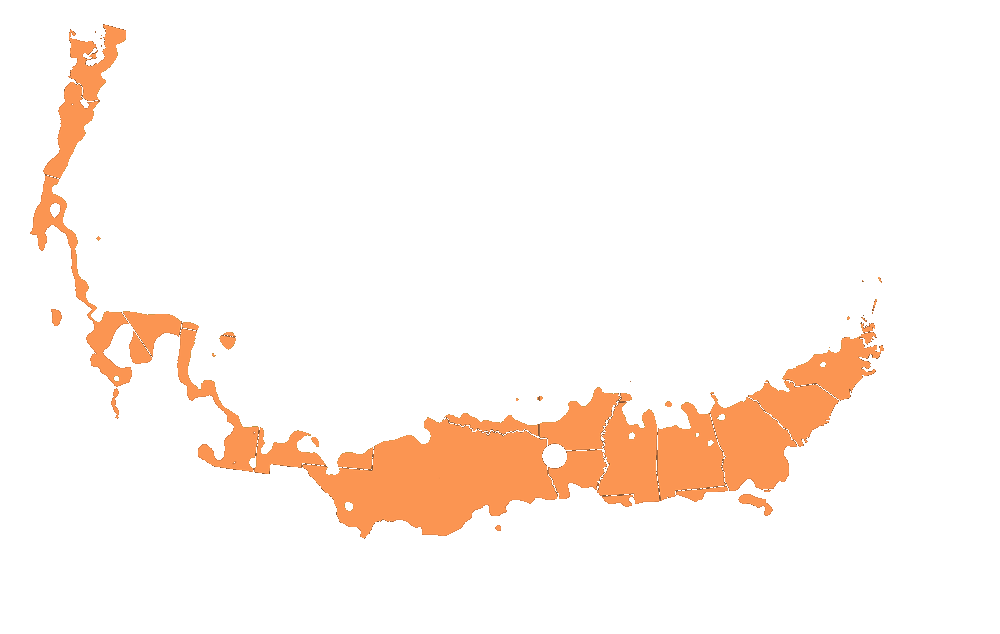
Shaded areas show where this product grows.
USDA Hardiness Zones
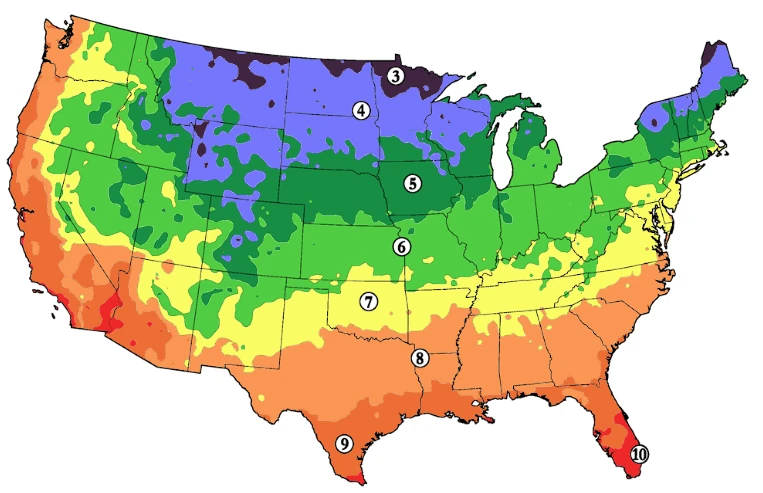
A hardiness zone is a geographic area defined by average annual minimum winter temperatures, helping gardeners determine which plants can survive in their region. Developed by the USDA, the 13 numerical zones indicate cold hardiness—for example, a plant "hardy to zone 10" tolerates minimum temperatures of 30 to 40 °F (−1.1 to 4.4 °C).
Grows in zones: 5 - 8
A hardiness zone is a geographic area defined by average annual minimum winter temperatures, helping gardeners determine which plants can survive in their region. Developed by the USDA, the 13 numerical zones indicate cold hardiness—for example, a plant "hardy to zone 10" tolerates minimum temperatures of 30 to 40 °F (−1.1 to 4.4 °C).