Your web browser is out of date.
Some features of this site, including checkout, may not work until you update to a current version of Safari, Chrome, Firefox, or Edge.
How to update your browser
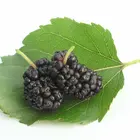
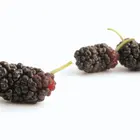
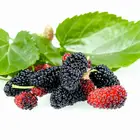
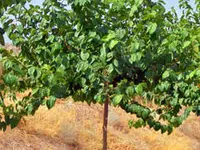
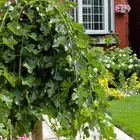
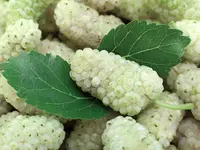
Fruiting mulberry trees are native to Asia, the middle east, and the eastern half of North America. The trees were widely grown in the 18th and 19th centuries to host silkworms, to supply the lucrative silk trade. There are three primary types of Mulberry tree plants: White, Black, and Red. The black Mulberry tree is considered the best because its fruit is sweeter and less acidic than the others. Mulberries are generally eaten fresh, but also can be made into jelly or syrups for flavoring ice creams, yogurts, or cakes. Mulberry trees and plants are rapid growers from 15 to 50 feet, depending on variety. Mulberry trees are often referred to as blackberry trees because the fruits resemble long, slender blackberries. The flavor is much like a blackberry, but has its own exotic taste. Willis Orchard Company offers the most popular mulberry trees for sale to add to your home orchard. Browse and buy fruit trees online with us.
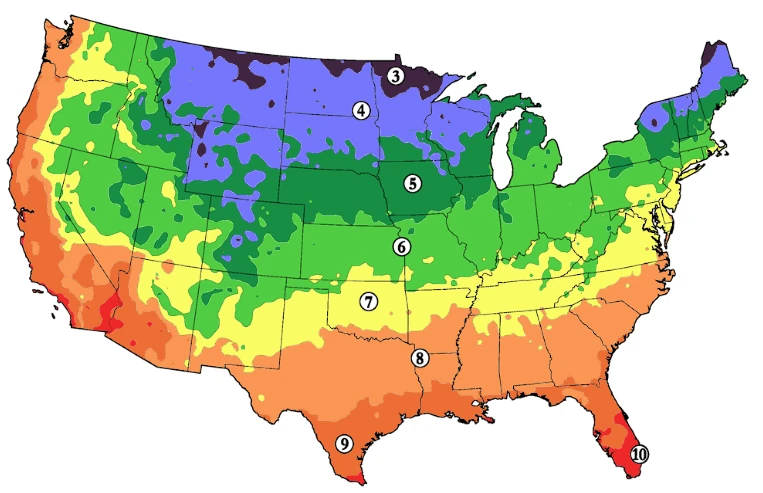
A hardiness zone is a geographic area defined by average annual minimum winter temperatures, helping gardeners determine which plants can survive in their region. Developed by the USDA, the 13 numerical zones indicate cold hardiness—for example, a plant "hardy to zone 10" tolerates minimum temperatures of 30 to 40 °F (−1.1 to 4.4 °C).