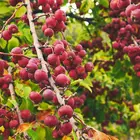
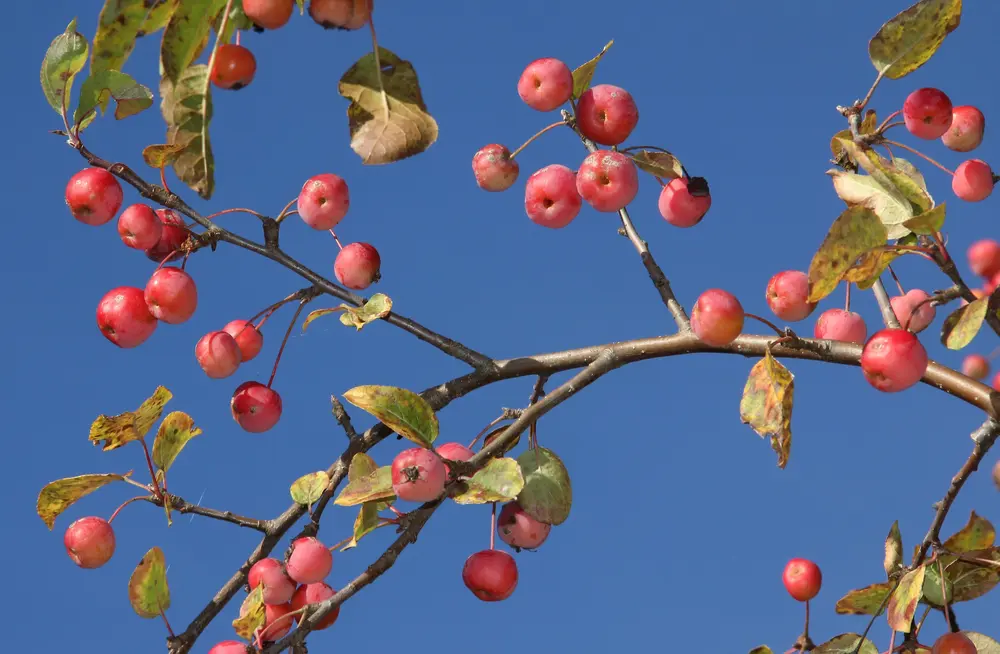
Crabapple trees are a beautiful addition to any landscape, offering colorful spring blossoms, attractive foliage, and vibrant fruit that benefits both people and wildlife. Whether you're looking to enhance your backyard, attract pollinators, or harvest fruit for homemade preserves, there's a crabapple tree to suit your needs.
With several crabapple tree varieties available, choosing the right one depends on your climate, available space, and gardening goals. Below, we're highlighting four of our favorite varieties and what makes each one special.
4 Best Crabapple Tree Varieties to Grow
1. American Crabapple Tree
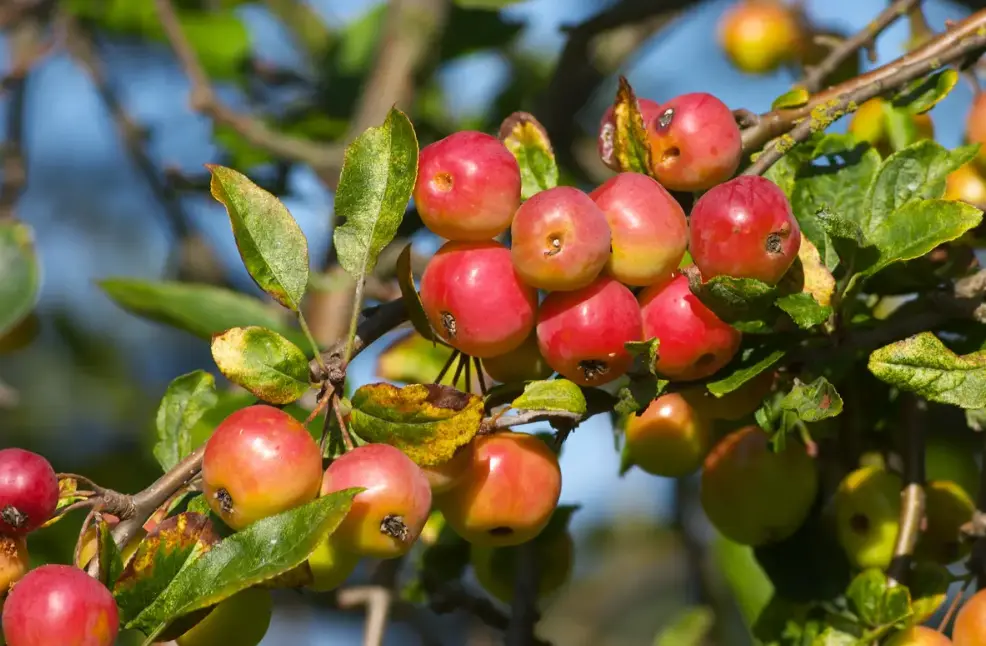
The American Crabapple Tree is a fantastic choice for gardeners seeking natural beauty and wildlife benefits. Growing approximately 10 to 30 feet tall, this variety produces fragrant white or pink blossoms in spring, followed by small, sweet-tart fruits.
Its fruit attracts deer, birds, and other wildlife, making it particularly appealing for naturalized landscapes and wildlife habitats.
Best for: Wildlife gardens, natural landscapes, and spring flowering displays.
2. Dolgo Crabapple Tree
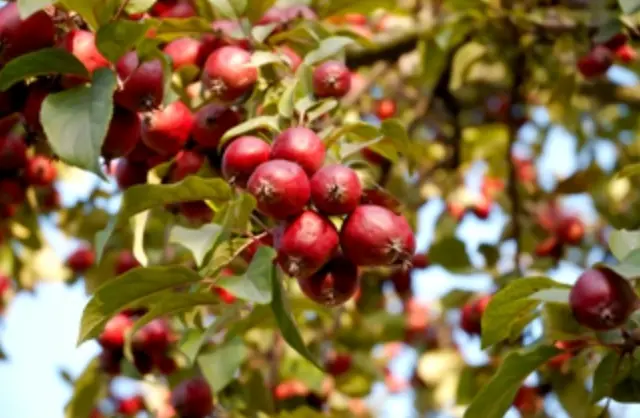
Known for its ornamental beauty and flavorful fruit, the Dolgo Crabapple Tree is one of the most versatile crabapple tree varieties.
This hardy tree reaches approximately 30 feet tall and produces pink flower buds that open into fragrant white blossoms. By August, its bright red fruits are ready for harvesting.
Dolgo crabapples are especially popular for making homemade jellies, preserves, and spiced fruit butter. Their vibrant color also adds seasonal interest to the landscape.
Best for: Homemade preserves, ornamental landscaping, and wildlife plantings.
3. Eliza's Choice Crabapple Tree
If you're looking for a crabapple variety that produces fruit later in the season, the Eliza's Choice Crabapple Tree is an excellent option.
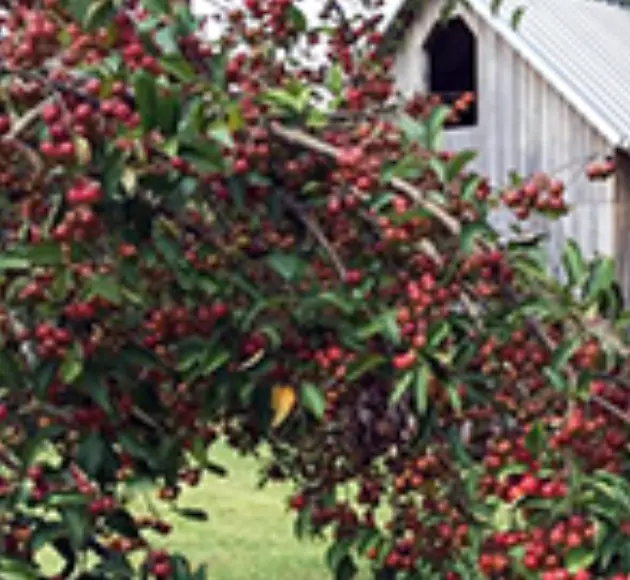
Originally discovered on a family farm in Tennessee, this distinctive variety features beautiful white spring blossoms and sweet-tart red fruit.
Unlike earlier-ripening crabapples, Eliza's Choice produces fruit from October through November, providing an extended food source for wildlife during the fall.
Best for: Late-season harvests, wildlife food plots, and homemade jelly.
4. Transcendent Crabapple Tree
The Transcendent Crabapple Tree combines ornamental beauty with practical benefits for home orchards.
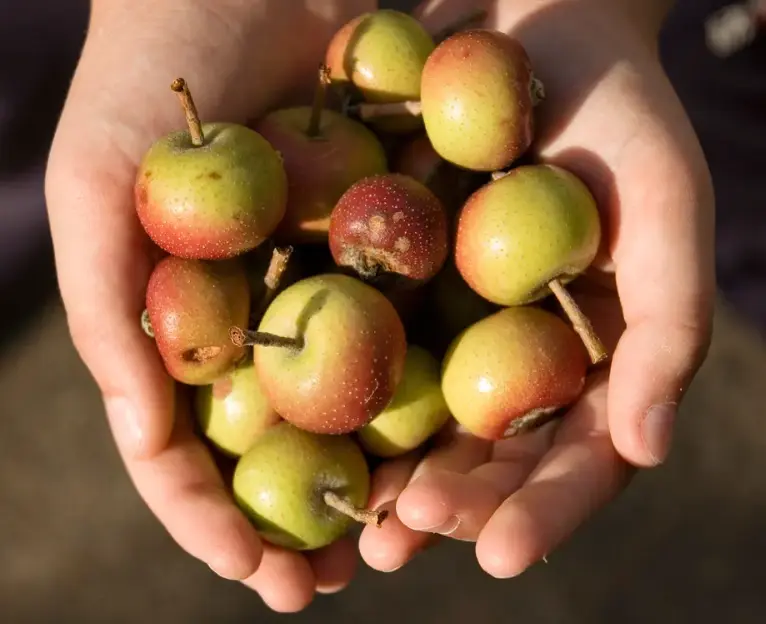
This variety produces stunning white spring blossoms followed by yellow crabapples with attractive red cheeks. Its relatively large, sweet-tart fruits are excellent for fresh eating, cooking, and making jelly.
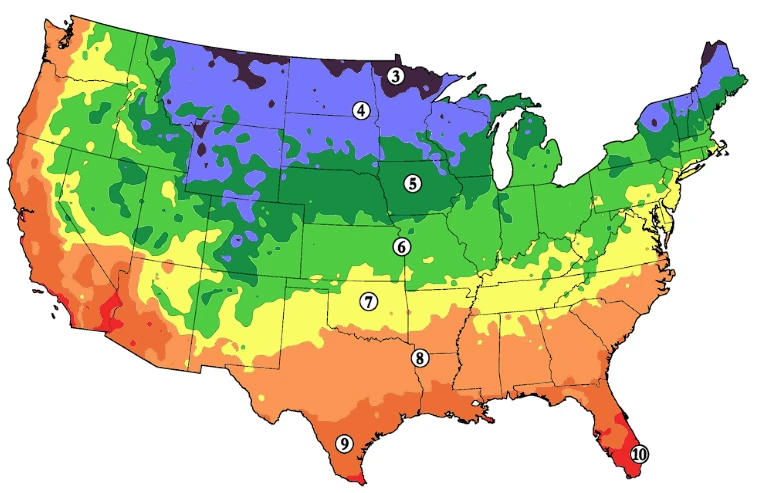
Another major advantage is its ability to help pollinate compatible apple trees, making it a valuable addition to a backyard orchard. It's also exceptionally cold-hardy, growing in USDA Zones 3 through 9.
Best for: Apple tree pollination, colder climates, and edible fruit production.
How to Choose the Right Crabapple Tree
When comparing crabapple tree varieties, consider your primary gardening goals.
If attracting wildlife is your priority, American Crabapple and Eliza's Choice are excellent selections. For homemade preserves, Dolgo and Transcendent offer flavorful fruit. Gardeners growing apple trees may especially appreciate Transcendent for its pollination benefits.
Most varieties thrive in full sunlight and well-draining soil. Always check your USDA hardiness zone, available planting space, and the tree's mature size before planting.
Find Your Perfect Crabapple Tree
From beautiful spring blossoms to colorful fall harvests, crabapple trees provide year-round appeal and practical benefits. Whether you're creating a wildlife-friendly landscape or expanding your home orchard, these four varieties offer something special.
Explore our complete selection of crabapple tree varieties to find the perfect addition to your landscape and enjoy their beauty for years to come.