McIntosh Apple Tree
+/-3' Tall
$19.95
Ships: 12/01/2026 - 03/15/2027
Description
This product cannot be shipped to California.
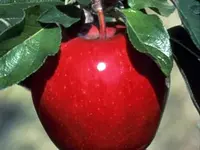
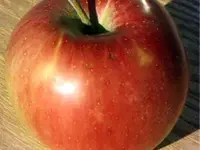
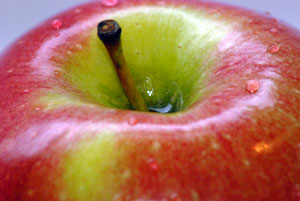
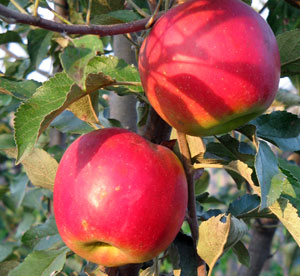
The red McIntosh apple is known for making especially good applesauce and cider. This is a large, bright red apple with thin, smooth skin. The crisp, juicy fine white flesh with pink streaks is an old-time favorite in the north. The McIntosh apple trees are extremely hardy and very productive. McIntosh apple trees pollinate well with Gala or Red Delicious, and ripens in September, requiring 900 chill hours and being semi-self fertile. Trust Willis Orchards to provide top-quality McIntosh Apple trees for sale online!
Characteristics
| Bloom Color | White |
| Bloom Time | Early - Mid Spring |
| Fruit Color | Red & Green |
| Fruit Size | 2.5-2.75 inches |
| Hardiness Zone Range | 3 - 7 |
| Pollination | Pollination Required |
| Ripens/Harvest | September |
| Shade/Sun | Full Sun |
| Soil Composition | Loam |
| Soil Moisture | Well Draining |
| Soil pH Level | 6.0-7.0 |
| Taste | Sweet-Tart |
| Texture | Tender |
| Years to Bear | 3-5 |
Pricing
| Size | Price | Ships |
|---|---|---|
|
+/-3' Tall
|
$19.95 | 12/01/2026 - 03/15/2027 |
|
4-5' Tall
|
$29.95 | 12/01/2026 - 03/15/2027 |
|
5-6' Tall (Branched)
|
$39.95 | 12/01/2026 - 03/15/2027 |
|
+/-6' Tall (Branched)
|
$49.95 | 12/01/2026 - 03/15/2027 |
|
5-6' (3/4"-1" caliper Branched/EZ- Pick - Fruiting Size)
|
$69.95 | 12/01/2026 - 03/15/2027 |
|
6-7' (1-1.25" caliper Instant Orchard)
|
$94.95 | 12/01/2026 - 03/15/2027 |
Zones
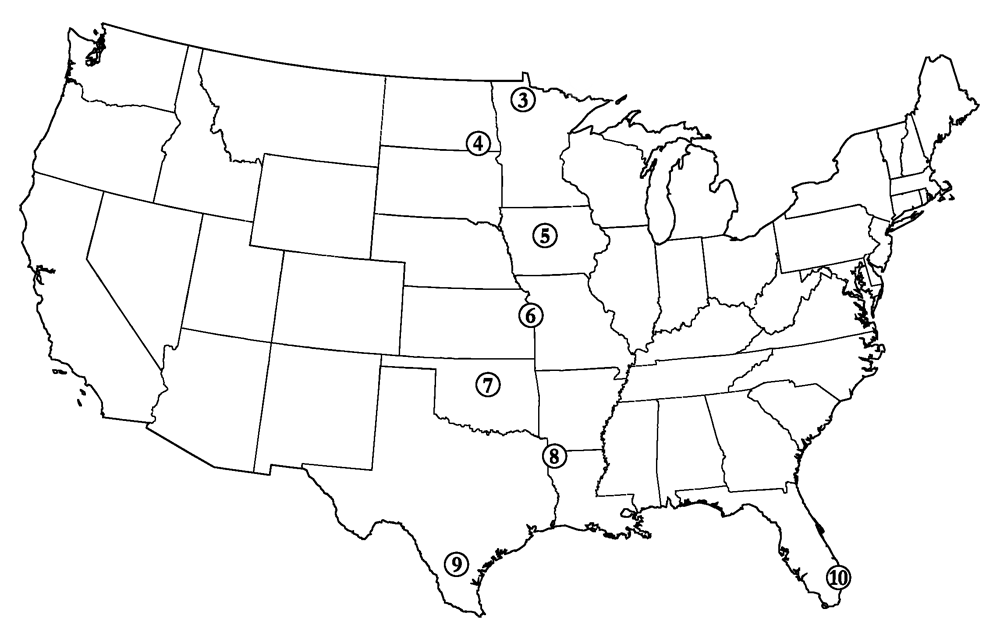
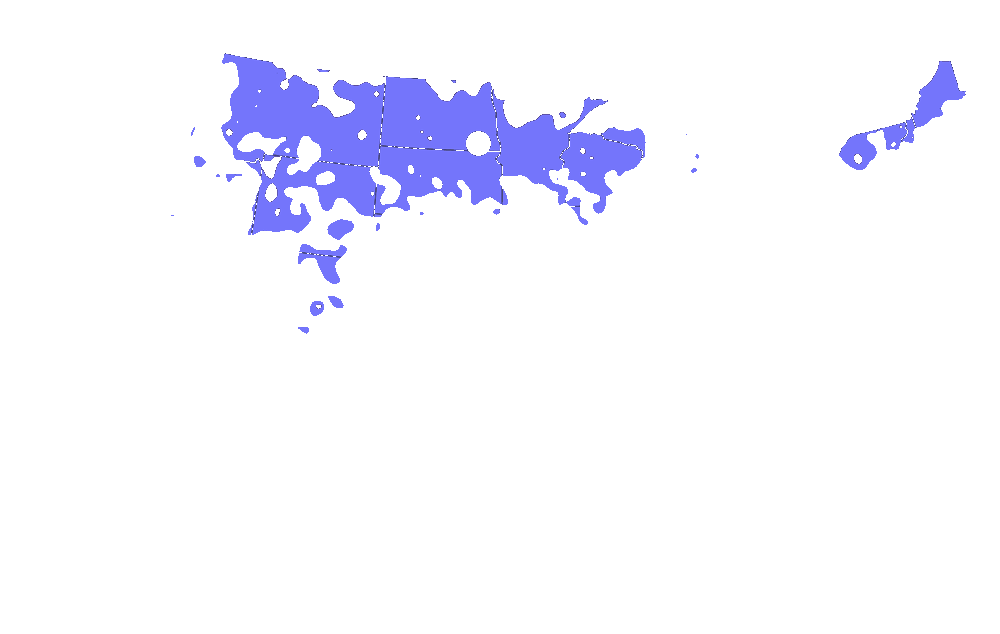
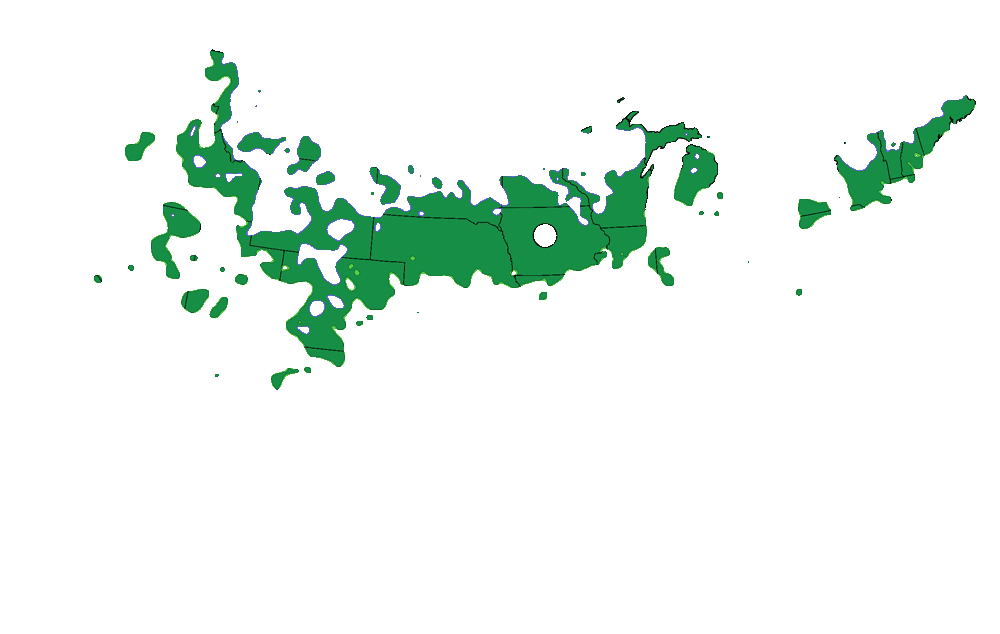
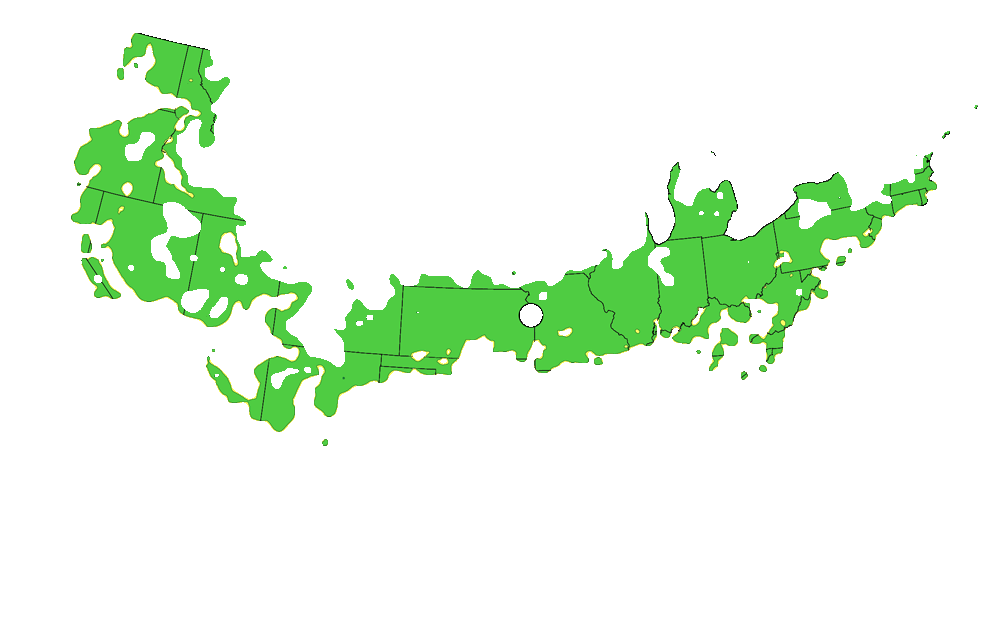
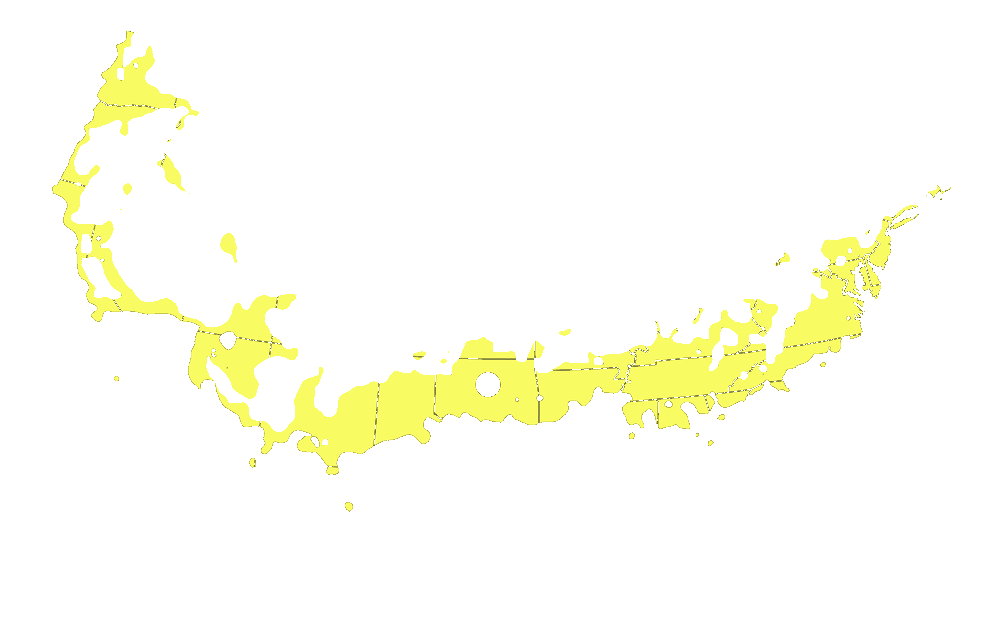
Shaded areas show where this product grows.
USDA Hardiness Zones
A hardiness zone is a geographic area defined by average annual minimum winter temperatures, helping gardeners determine which plants can survive in their region. Developed by the USDA, the 13 numerical zones indicate cold hardiness—for example, a plant "hardy to zone 10" tolerates minimum temperatures of 30 to 40 °F (−1.1 to 4.4 °C).
Grows in zones: 3 - 7
A hardiness zone is a geographic area defined by average annual minimum winter temperatures, helping gardeners determine which plants can survive in their region. Developed by the USDA, the 13 numerical zones indicate cold hardiness—for example, a plant "hardy to zone 10" tolerates minimum temperatures of 30 to 40 °F (−1.1 to 4.4 °C).