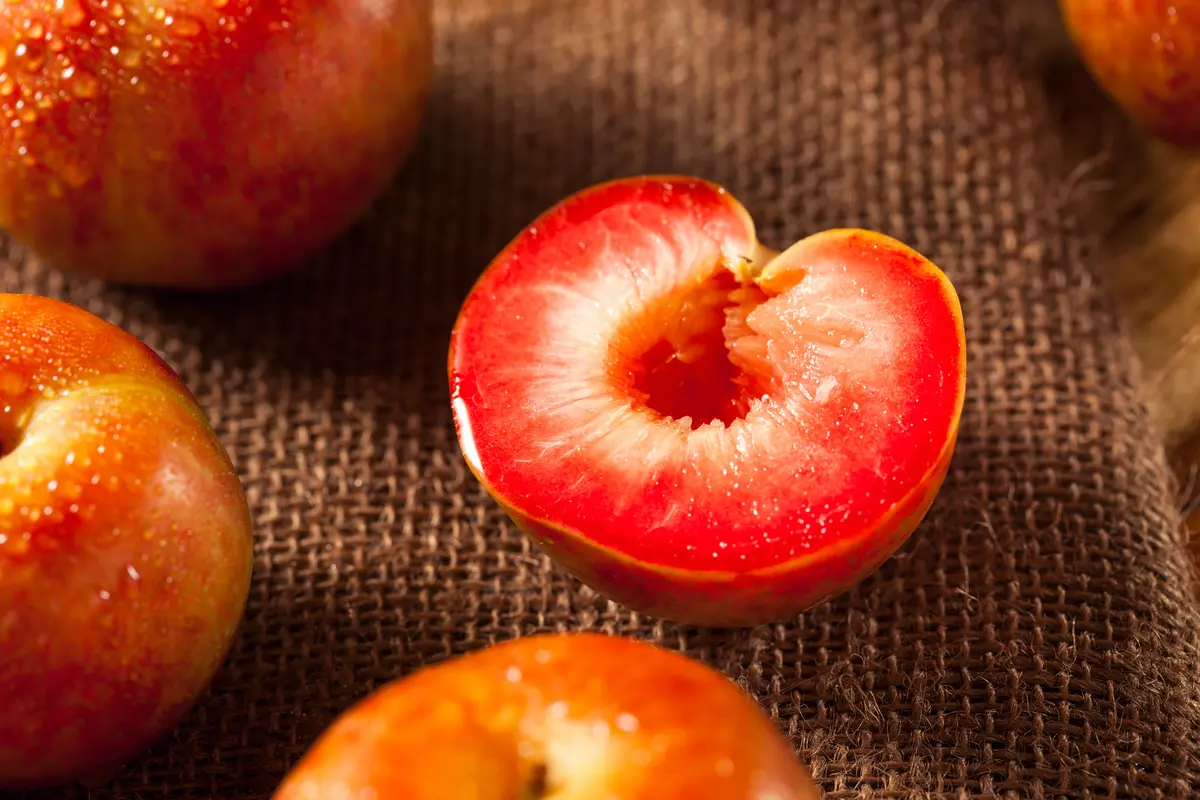

Dapple Dandy Pluot Tree
+/-6' (1" caliper - Instant Orchard)
$99.95
Ships: 01/15/2027 - 03/15/2027
Description
This product cannot be shipped to California.
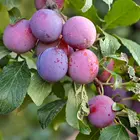
Dapple Dandy Pluots are an interspecific cross between a plum and an apricot. They are 75% plum and 25% apricot genetics, blending the best parts of each into one award-winning fruit. Dapple Dandy Pluots have a unique speckled skin that is yellow-green with reddish or maroon colored spots. They are pollinated by Flavor Supreme Pluot, Santa Rosa Plum, or Burgundy Plum. Dapple Dandy Pluots require 400-500 chill hours and grow in USDA zones 5-10.
Characteristics
| Bloom Color | White |
| Bloom Time | Early Spring |
| Fruit Color | Greenish-Yellow w/red spots |
| Hardiness Zone Range | 5 - 10 |
| Pollination | Requires Pollinator |
| Ripens/Harvest | Late Summer |
| Shade/Sun | Full Sun |
| Soil Composition | Sandy Loam |
| Soil Moisture | Well Draining |
| Soil pH Level | 6.0-6.5 |
| Taste | Blend of Plum & Apricot |
| Texture | Firm |
| Years to Bear | 2-5 |
Pricing
| Size | Price | Ships |
|---|---|---|
|
+/-6' (1" caliper - Instant Orchard)
|
$99.95 | 01/15/2027 - 03/15/2027 |
Zones
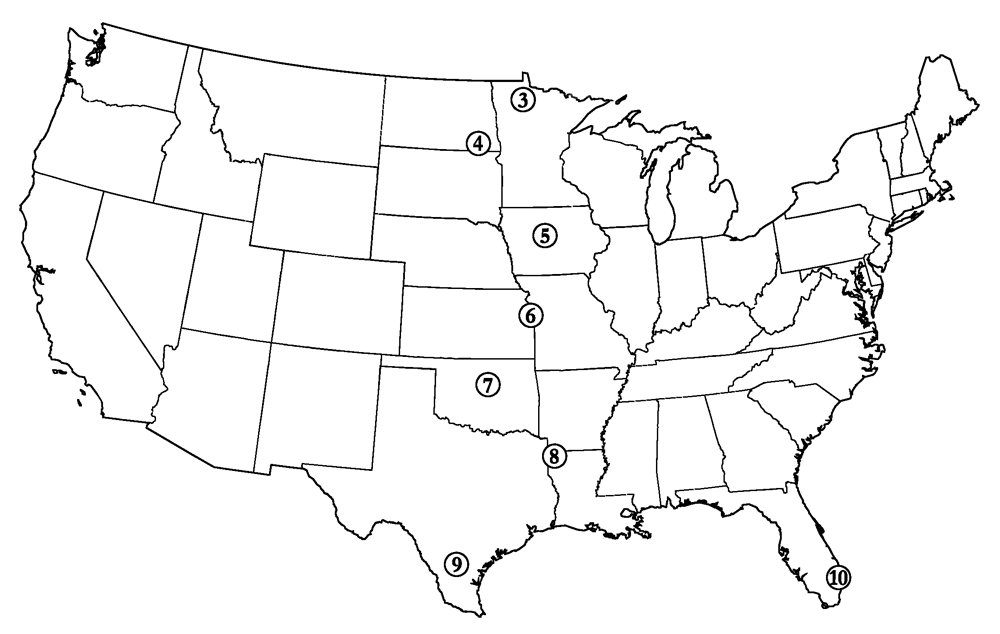
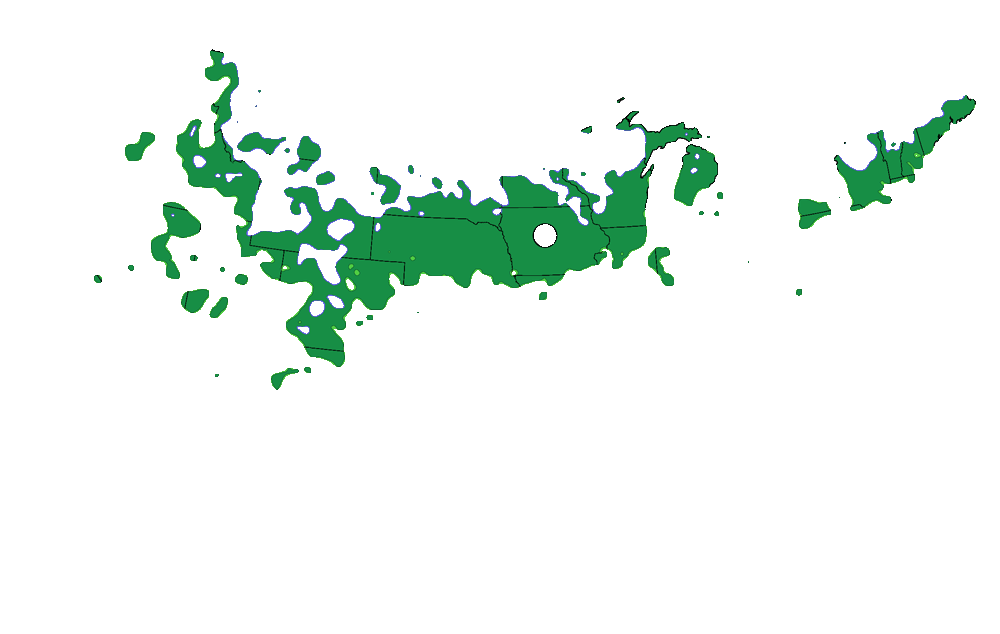
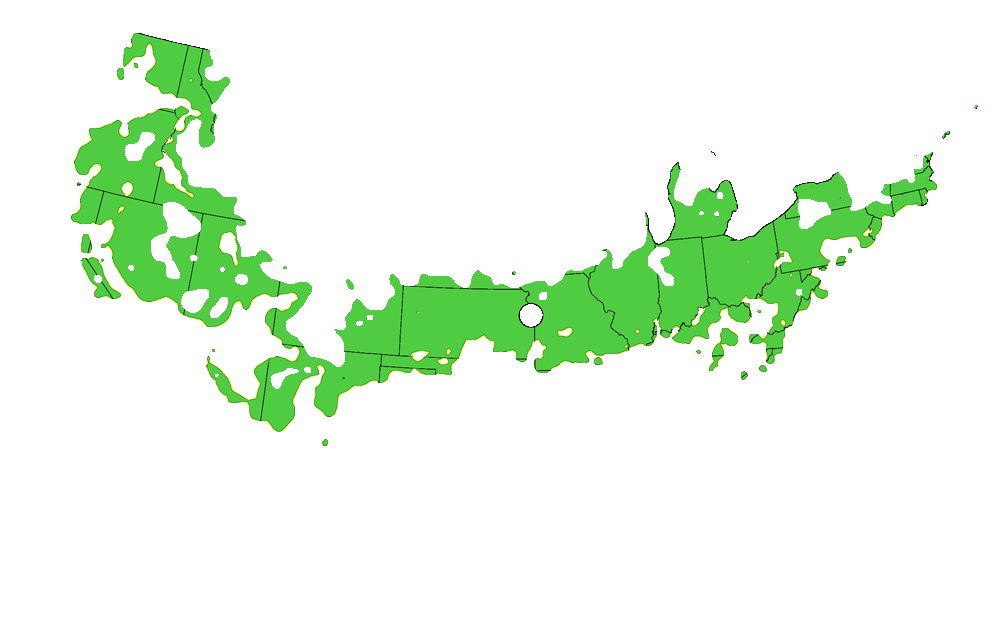
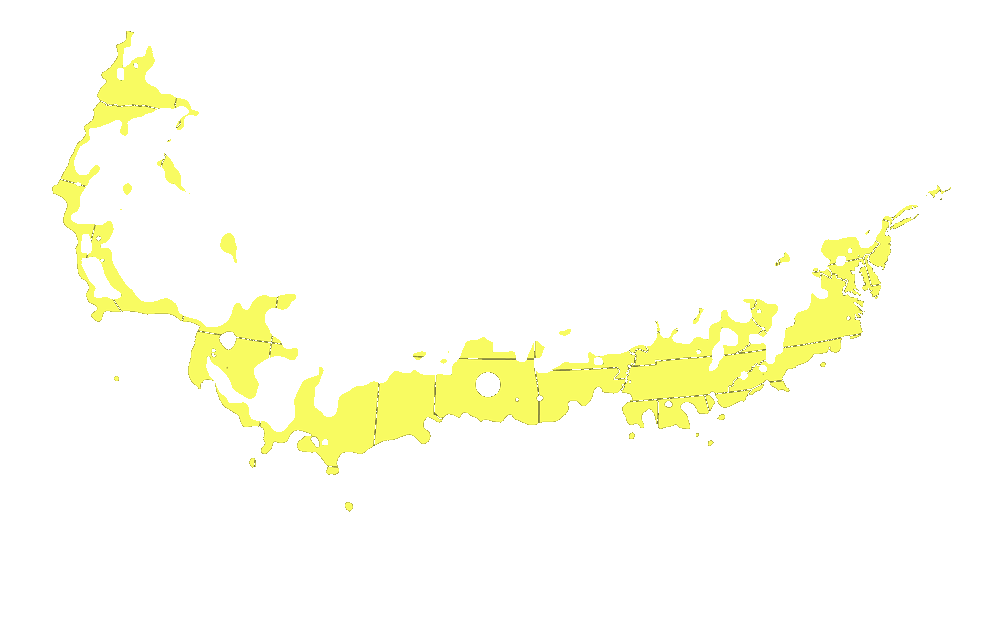
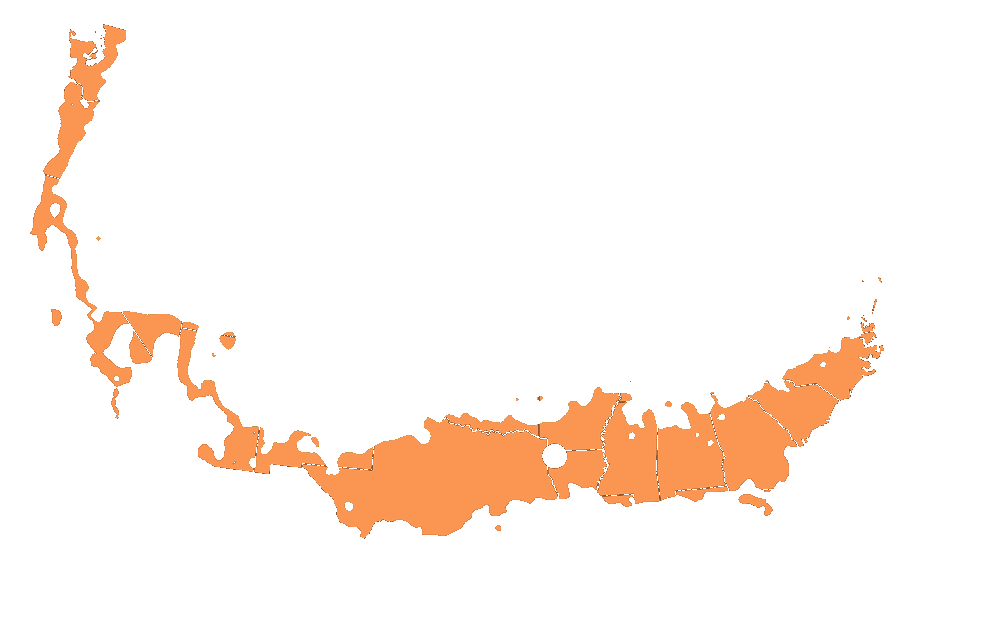
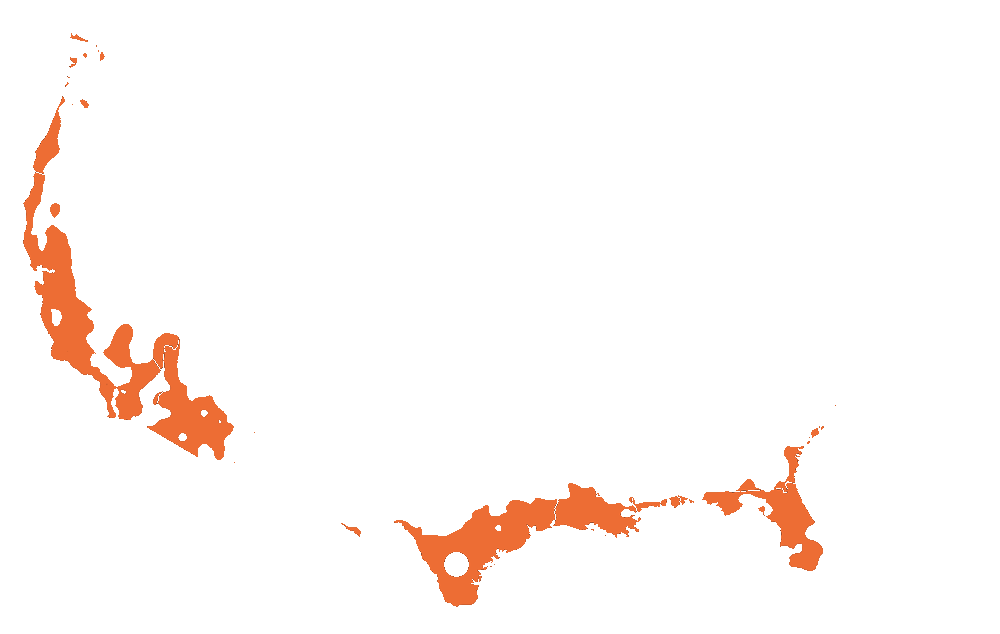
Shaded areas show where this product grows.
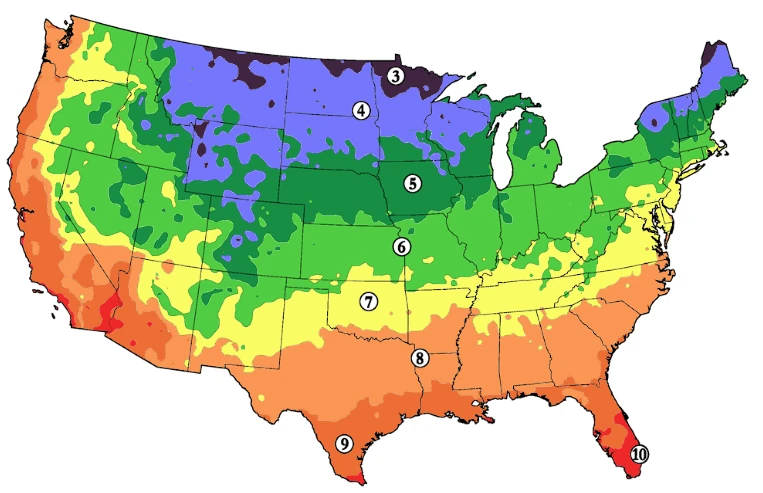
USDA Hardiness Zones
A hardiness zone is a geographic area defined by average annual minimum winter temperatures, helping gardeners determine which plants can survive in their region. Developed by the USDA, the 13 numerical zones indicate cold hardiness—for example, a plant "hardy to zone 10" tolerates minimum temperatures of 30 to 40 °F (−1.1 to 4.4 °C).
Grows in zones: 5 - 10
A hardiness zone is a geographic area defined by average annual minimum winter temperatures, helping gardeners determine which plants can survive in their region. Developed by the USDA, the 13 numerical zones indicate cold hardiness—for example, a plant "hardy to zone 10" tolerates minimum temperatures of 30 to 40 °F (−1.1 to 4.4 °C).