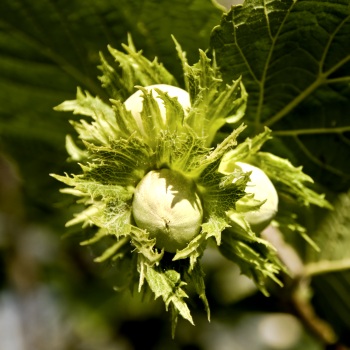


Tonda Di Giffoni Hazelnut Tree
+/-4' Tall
$59.95
Ships: 12/15/2026 - 04/01/2027
Description
This product cannot be shipped to Oregon.
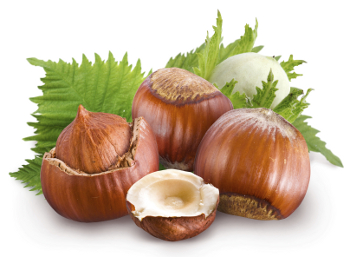
Tonda Di Giffoni Hazelnut trees are an Italian cultivar prized for exquisite flavor. Tonda Di Giffoni produces medium-sized, round kernels that are very easy to process. This cultivar is one of the varieties sought out and prized by Ferrero Rocher for use in their chocolate confectionary and Nutella spread. These trees grow 8-12 feet tall and are extremely resistant to Eastern Filbert Blight. Tonda Di Giffoni Hazelnut trees require a mid-season pollinator and are capable of pollinating all hybrid hazelnut varieties except Barcelona. Requires 800-1000 chill hours and grows in USDA zones 4-8.
Characteristics
| Bloom Color | Male: Greenish-Yellow; Female: Bright Red |
| Bloom Time | Late Winter - Early Spring |
| Fruit Color | Light Brown |
| Fruit Size | 0.5 inch diameter |
| Hardiness Zone Range | 4 - 8 |
| Pollination | Requires Pollinator |
| Ripens/Harvest | August - October |
| Shade/Sun | Full Sun; Tolerates Partial Shade |
| Soil Composition | Loam |
| Soil Moisture | Moist but Well Draining |
| Soil pH Level | 6.0-7.0 |
| Taste | Rich & Buttery |
| Texture | Smooth |
| Years to Bear | 3-8 |
Pricing
| Size | Price | Ships |
|---|---|---|
|
+/-4' Tall
|
$59.95 | 12/15/2026 - 04/01/2027 |
Zones
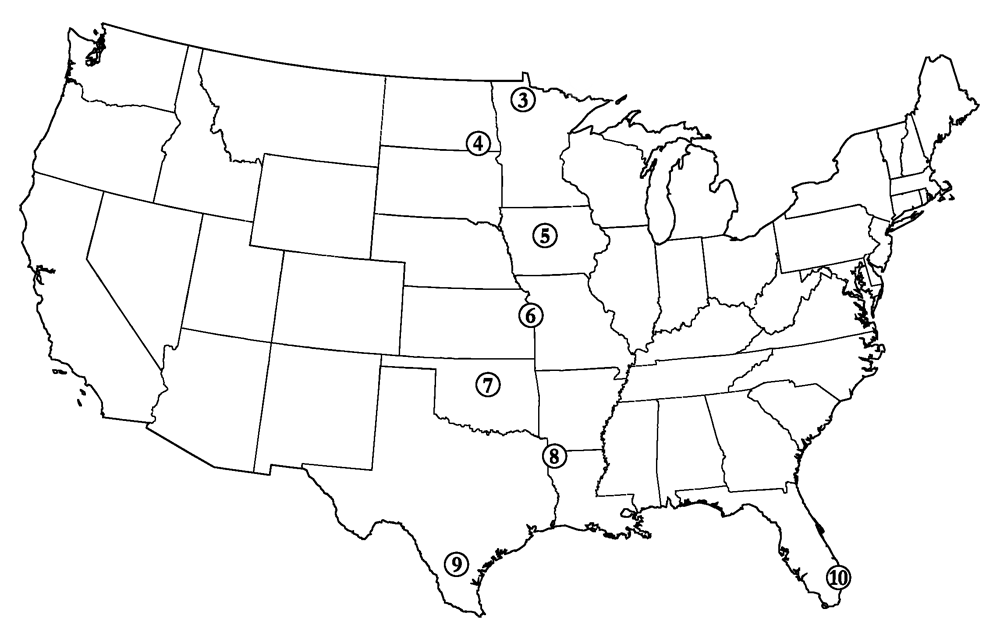
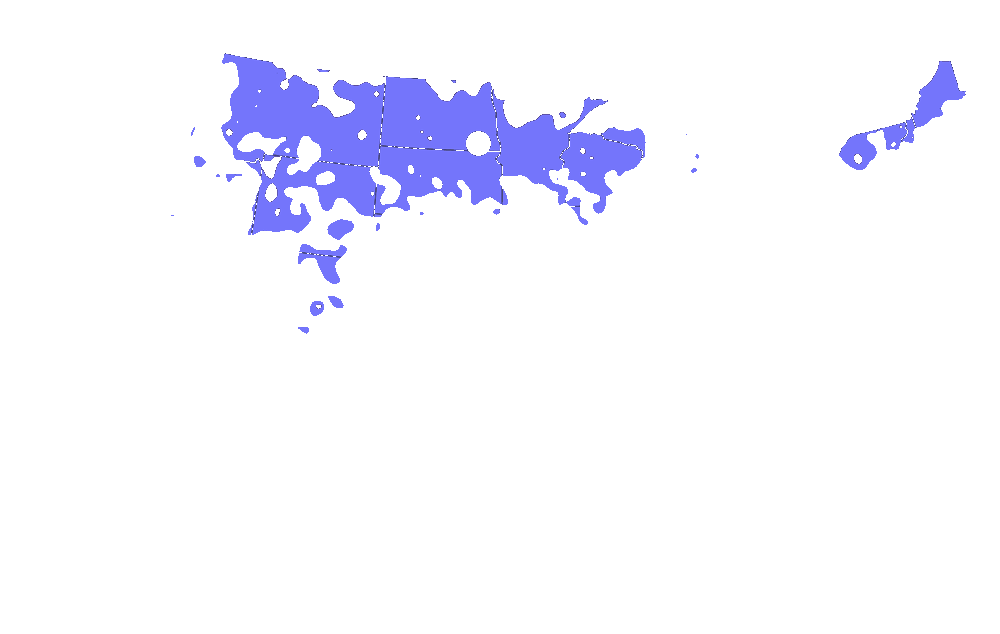
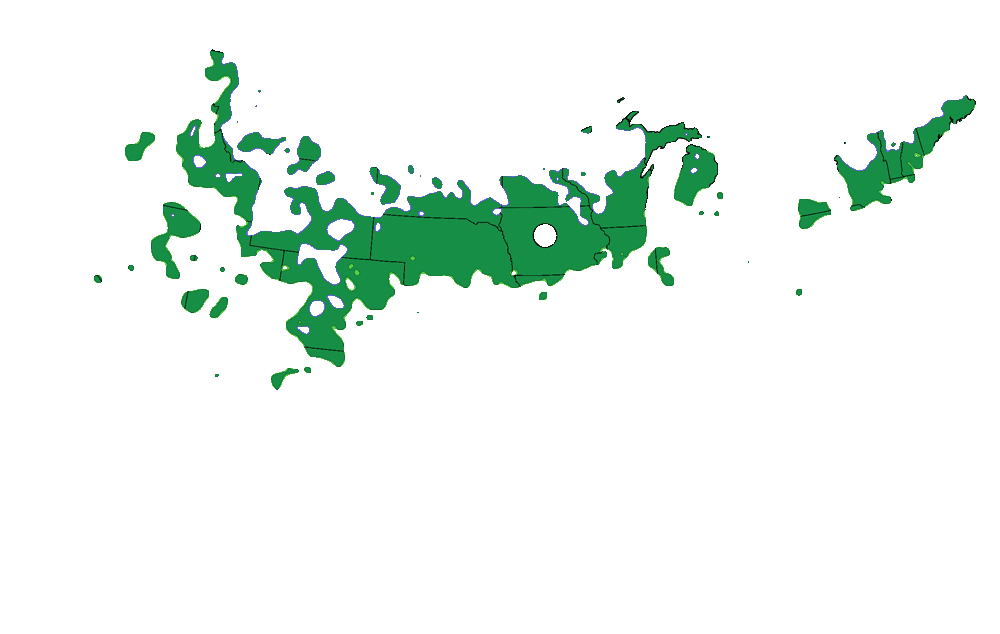
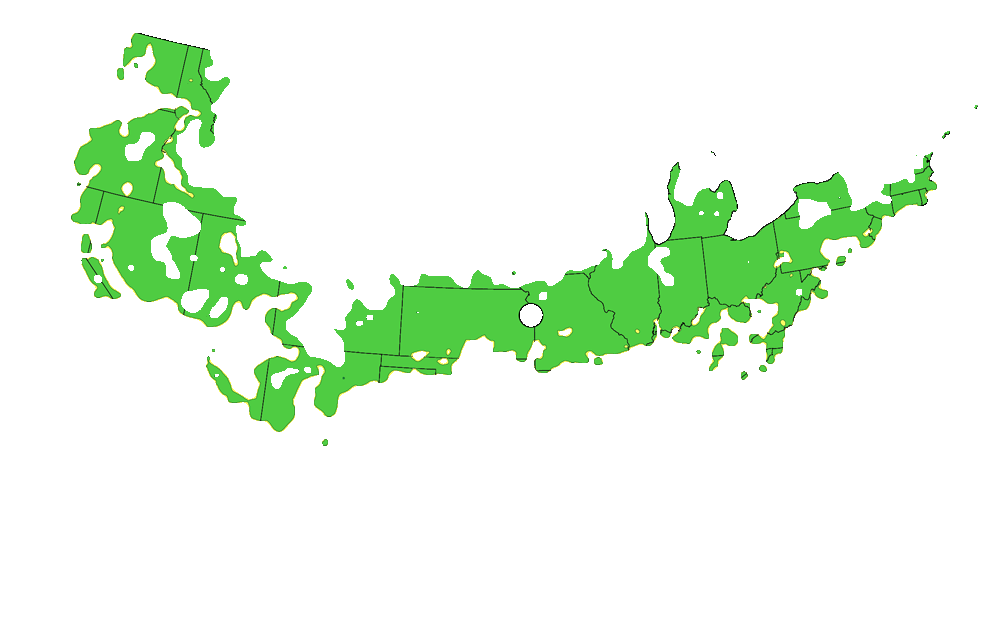
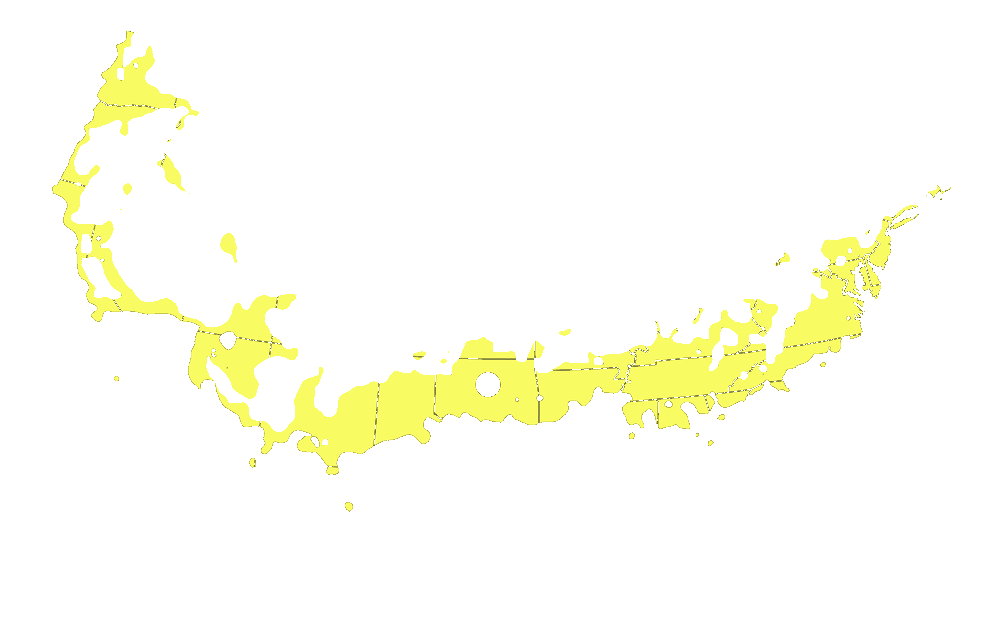
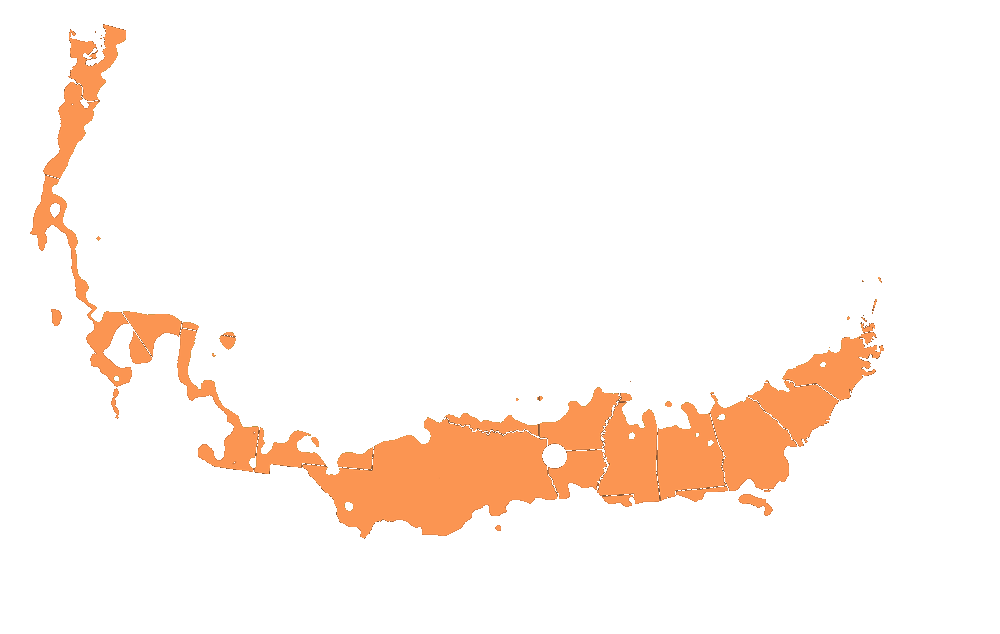
Shaded areas show where this product grows.
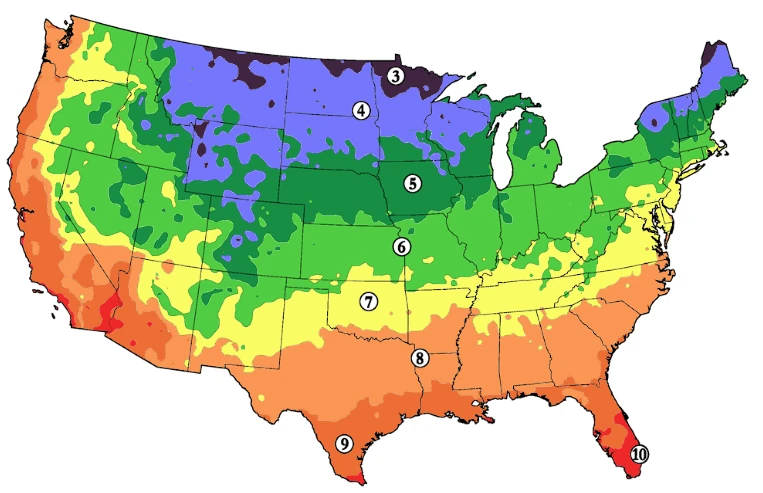
USDA Hardiness Zones
A hardiness zone is a geographic area defined by average annual minimum winter temperatures, helping gardeners determine which plants can survive in their region. Developed by the USDA, the 13 numerical zones indicate cold hardiness—for example, a plant "hardy to zone 10" tolerates minimum temperatures of 30 to 40 °F (−1.1 to 4.4 °C).
Grows in zones: 4 - 8
A hardiness zone is a geographic area defined by average annual minimum winter temperatures, helping gardeners determine which plants can survive in their region. Developed by the USDA, the 13 numerical zones indicate cold hardiness—for example, a plant "hardy to zone 10" tolerates minimum temperatures of 30 to 40 °F (−1.1 to 4.4 °C).