Suwanee Peach Tree
+/-3'
$24.95
Ships: 12/01/2026 - 03/15/2027
Description
This product cannot be shipped to California.
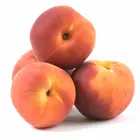
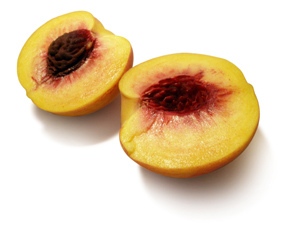
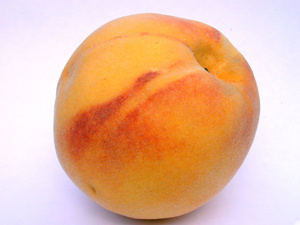
The Suwanee Peach is a beautiful, large freestone Southern peach. Suwanee Peach Trees bear heavily in low-chill winter areas and coastal areas. Suwanee Peach has a deliciously sweet, mild flavor. This peach tree requires 500 chill hours, and will ripen late June to early July.
Characteristics
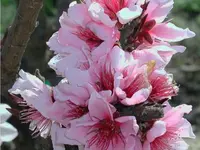
| Bloom Color | Pink |
| Bloom Time | Spring |
| Fruit Color | Golden-Yellow with red blush |
| Fruit Size | Large |
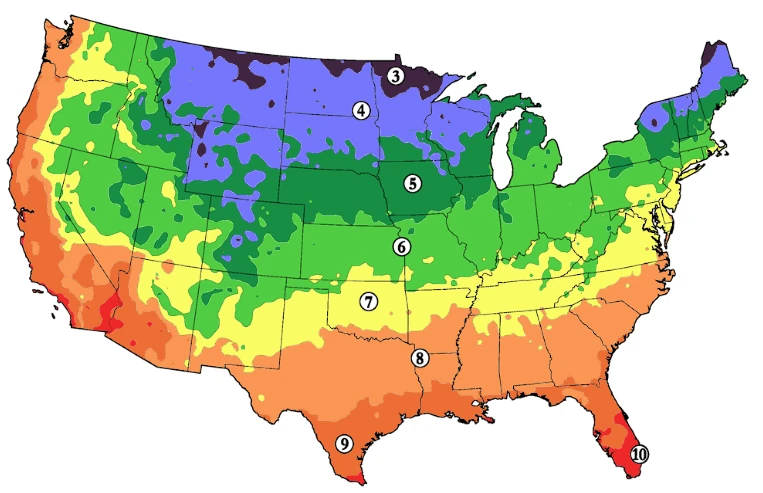
| Hardiness Zone Range | 6 - 9 |
| Pollination | Self-fertile |
| Ripens/Harvest | June-July |
| Shade/Sun | Full Sun |
| Soil Composition | Sandy, loamy, and well-draining |
| Soil Moisture | When Young; water weekly - Mature Plants; Occasional Deep Watering |
| Soil pH Level | 6.0-6.5 |
| Taste | Sweet |
| Texture | Soft, juicy |
| Years to Bear | 2-3 years |
Pricing
| Size | Price | Ships |
|---|---|---|
|
+/-3'
|
$24.95 | 12/01/2026 - 03/15/2027 |
|
5-6' (3/4" cal. / Well Branched)
|
$49.95 | 12/01/2026 - 03/15/2027 |
|
4-5' EZ-Pick 1"caliper.(Heavy Branched Pre-Pruned Instant Orchard Size)
|
$59.95 | 12/01/2026 - 03/15/2027 |
|
5-6' EZ-Pick 1.25"caliper.(Heavy Branched Pre-Pruned Instant Orchard Size)
|
$79.95 | 12/01/2026 - 03/15/2027 |
|
+/-6' (1" cal. - Fruiting Size) (Larger Caliper - Fruiting Size Trees)
|
$64.95 | 12/01/2026 - 03/15/2027 |
|
6-7' (1.25" cal. - Instant Orchard!)(Larger Caliper - Fruiting Size Trees)
|
$99.95 | 12/01/2026 - 03/15/2027 |
Zones
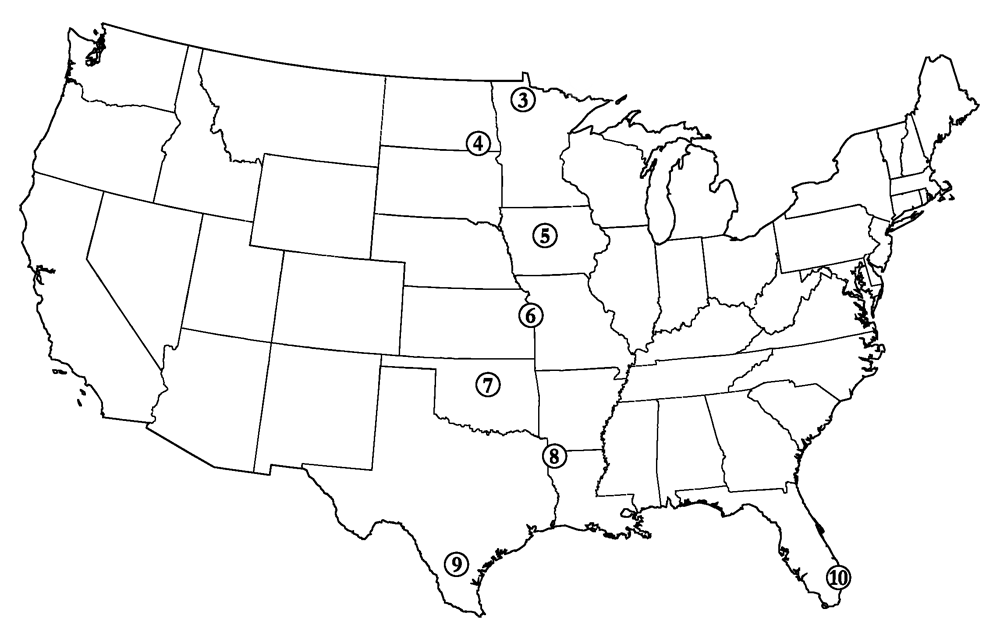
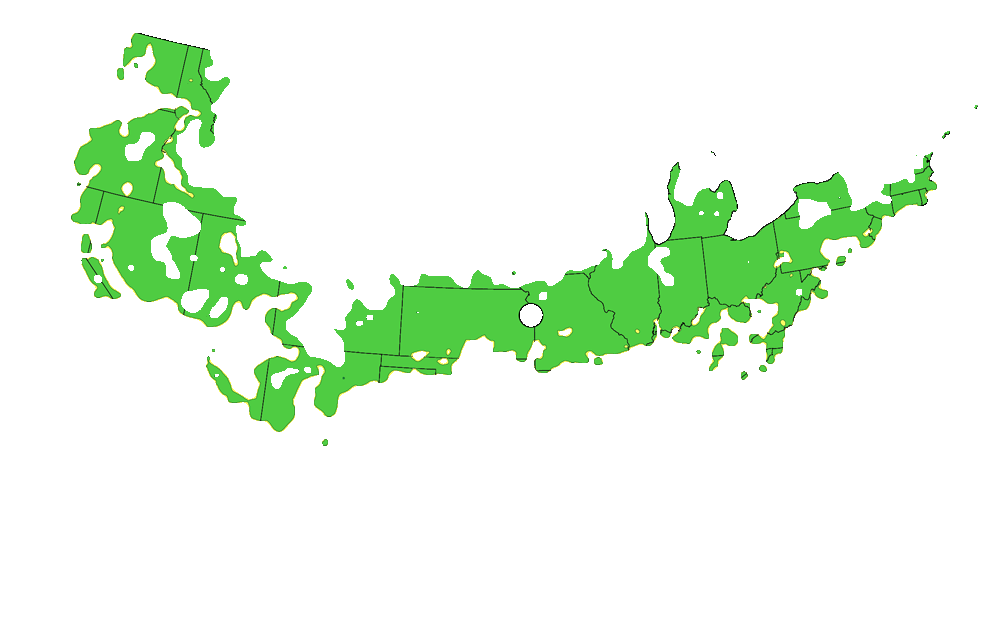
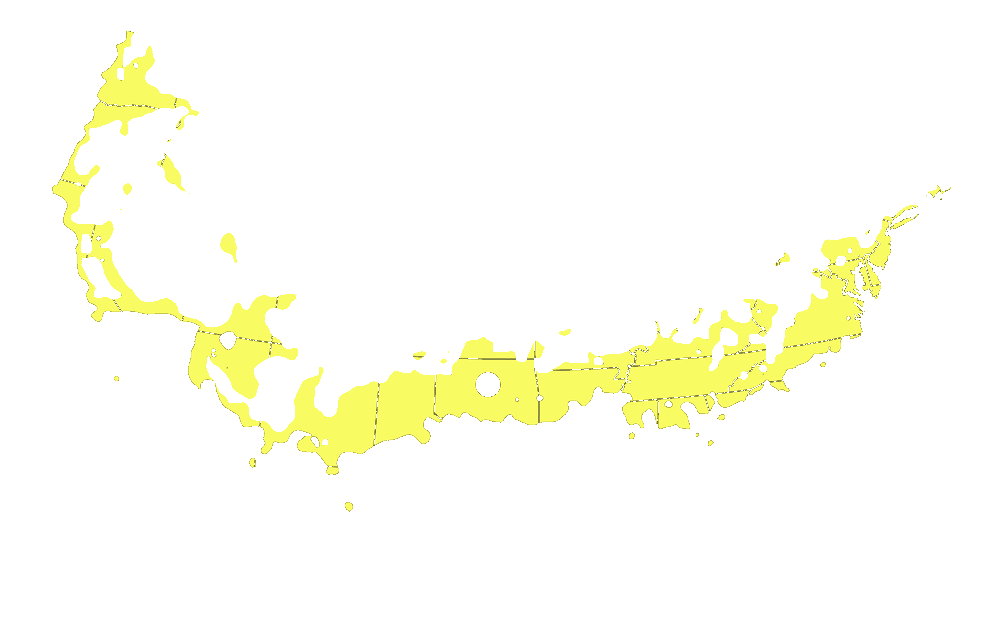
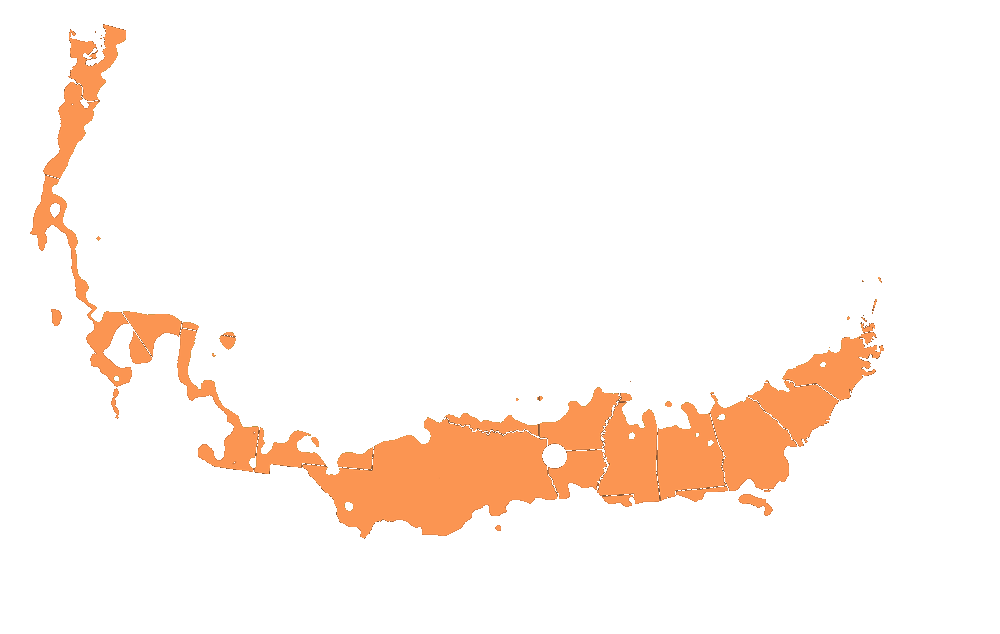
Shaded areas show where this product grows.
USDA Hardiness Zones
A hardiness zone is a geographic area defined by average annual minimum winter temperatures, helping gardeners determine which plants can survive in their region. Developed by the USDA, the 13 numerical zones indicate cold hardiness—for example, a plant "hardy to zone 10" tolerates minimum temperatures of 30 to 40 °F (−1.1 to 4.4 °C).
Grows in zones: 6 - 9
A hardiness zone is a geographic area defined by average annual minimum winter temperatures, helping gardeners determine which plants can survive in their region. Developed by the USDA, the 13 numerical zones indicate cold hardiness—for example, a plant "hardy to zone 10" tolerates minimum temperatures of 30 to 40 °F (−1.1 to 4.4 °C).