Sequoia Strawberry Plant
25 Plants
$24.95
Ships: 11/01/2026 - 12/15/2026
Description
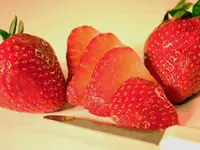
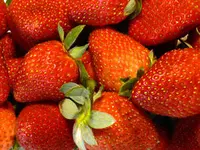
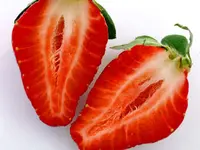
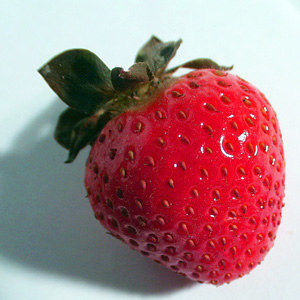
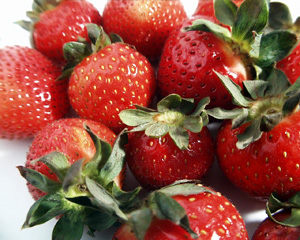
The Sequoia Strawberry is a large, red colored, conical shaped strawberry. The fruit is excellent for growing at home, as it is the sweetest, best tasting, and most popular of all home grown strawberries. While officially the Sequoia Strawberry is a "June-bearing" (short-day) plant, it acts as an ever bearer in warm, mild climates, fruiting from late spring through autumn. Shows good resistance to powdery mildew and leaf spot. Don't wait, buy Sequoia Strawberry Plants for sale from Willis Orchards!
Characteristics
| Bloom Color | White |
| Bloom Time | April / May (Protect from late Spring frosts) |
| Fruit Color | Glossy Red, Conical Shaped |
| Fruit Size | Large |
| Hardiness Zone Range | 4 - 8 |
| Pollination | Self Fertile |
| Ripens/Harvest | June |
| Shade/Sun | Full Sun / 6 to 8 hours |
| Soil Composition | Rich humus sandy loam, slightly acidic |
| Soil Moisture | Well-drained moist |
| Soil pH Level | 5.5 to 6.5 |
| Taste | Deeply Sweet |
| Texture | Firm |
| Years to Bear | 1st Season |
| Mature Width | 12 to 18 inches wide |
| Mature Height | 8 to 10 inches tall |
Zones
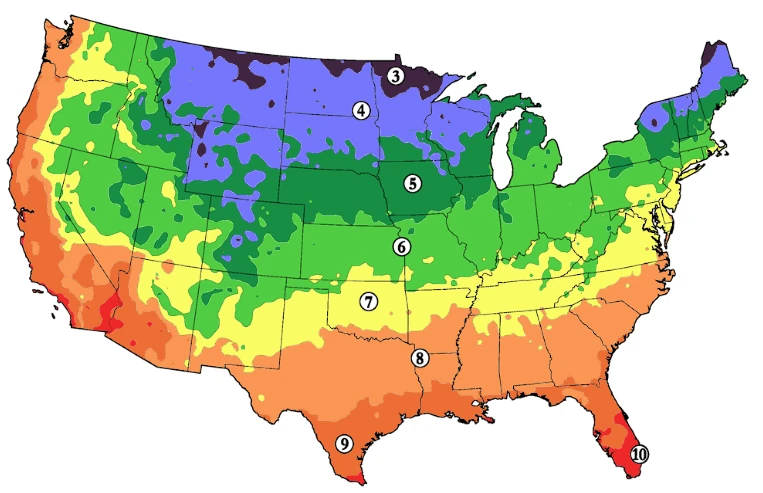
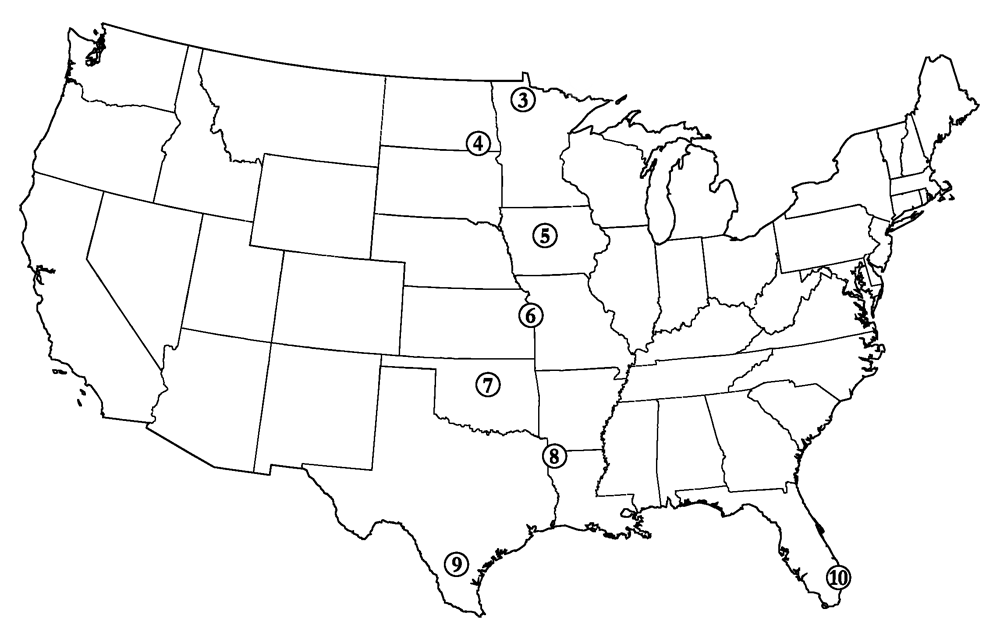
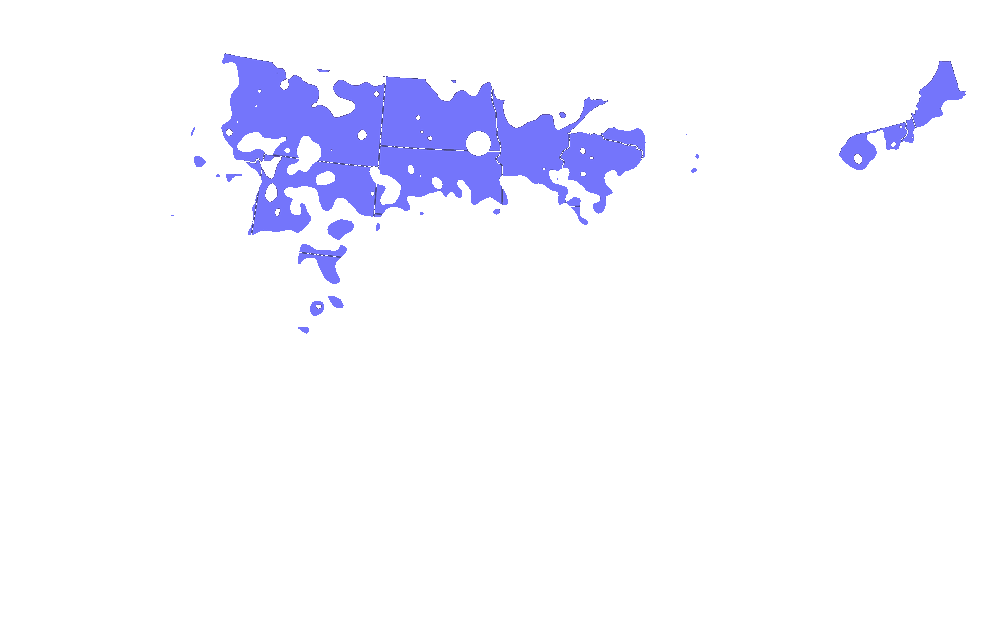
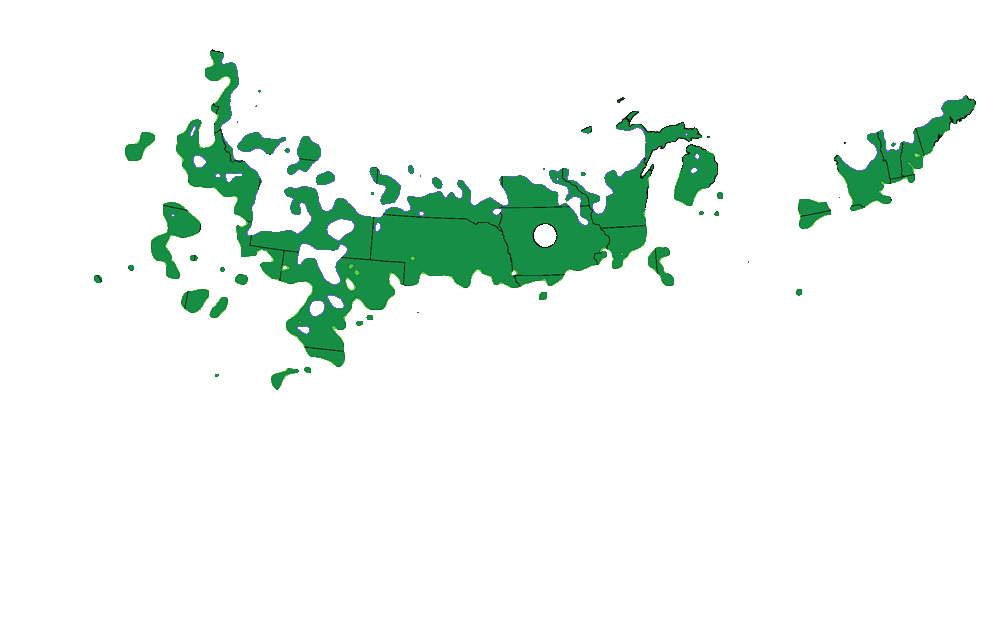
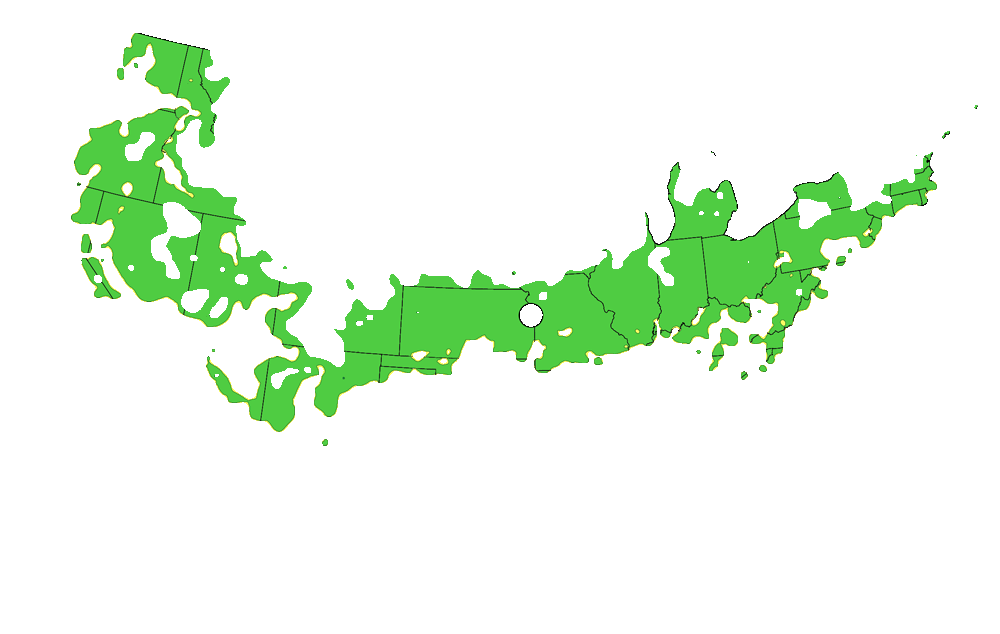
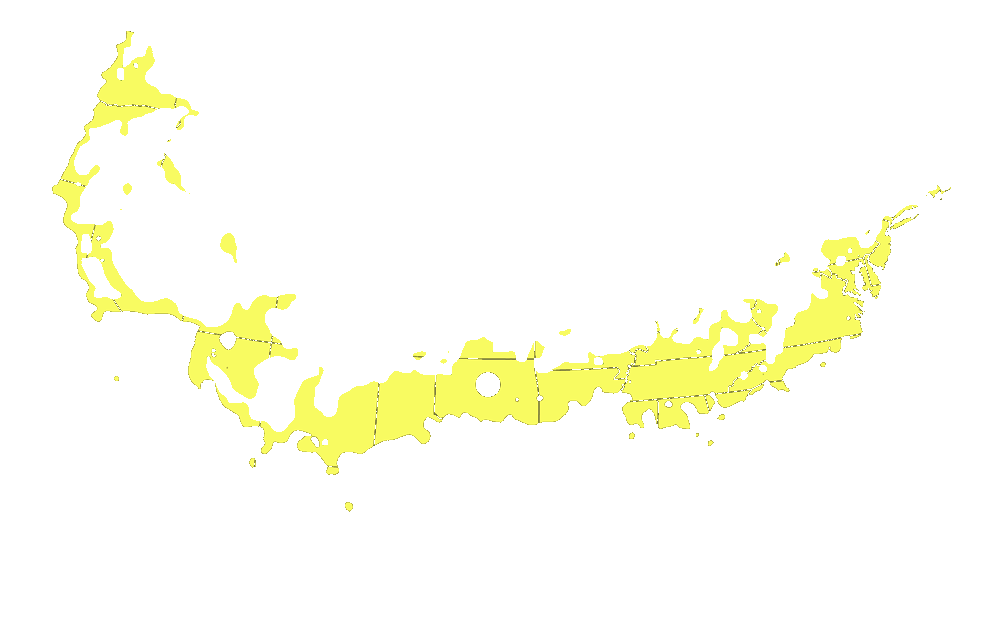
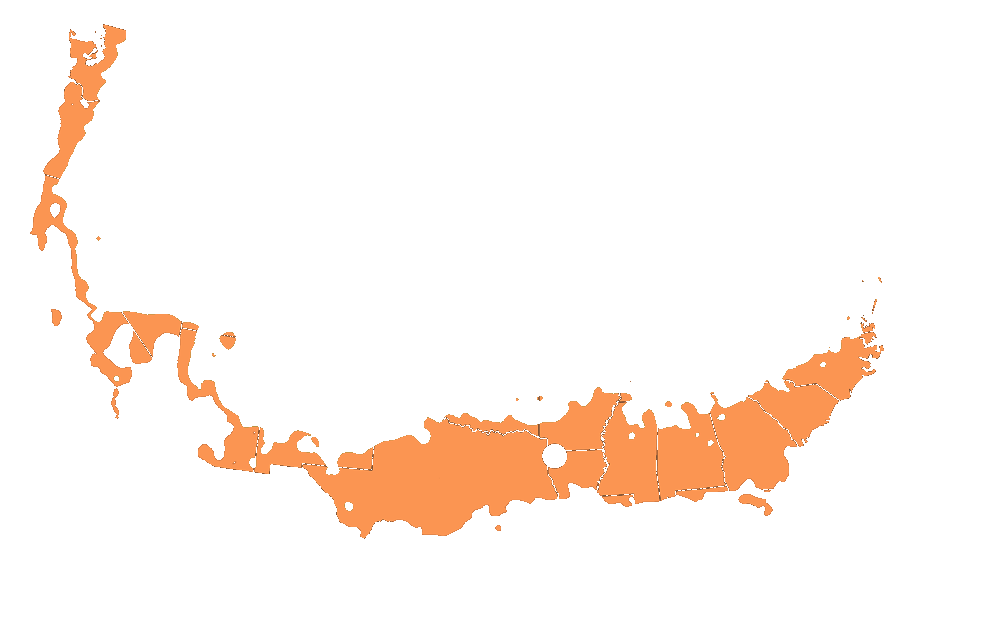
Shaded areas show where this product grows.
USDA Hardiness Zones
A hardiness zone is a geographic area defined by average annual minimum winter temperatures, helping gardeners determine which plants can survive in their region. Developed by the USDA, the 13 numerical zones indicate cold hardiness—for example, a plant "hardy to zone 10" tolerates minimum temperatures of 30 to 40 °F (−1.1 to 4.4 °C).
Grows in zones: 4 - 8
A hardiness zone is a geographic area defined by average annual minimum winter temperatures, helping gardeners determine which plants can survive in their region. Developed by the USDA, the 13 numerical zones indicate cold hardiness—for example, a plant "hardy to zone 10" tolerates minimum temperatures of 30 to 40 °F (−1.1 to 4.4 °C).
More Information
Zones 4–8 (Perennial): In these regions, Sequoia thrives naturally year after year. Growers in cooler northern zones (Zones 4–5) typically get one large, concentrated harvest in early summer. In warmer southern areas (Zones 7–8), like our location in Georgia, it is often planted in the autumn to allow roots to establish over winter.
Zones 6–9+ (Extended Production): In mild, warm-winter regions like California (where it was developed) and parts of the South, Sequoia acts like an ever bearer. It will continuously pump out sweet fruit from late spring all the way until the first fall frost.
If you are growing Sequoia in areas with extreme summer heat (such as Zone 9), providing afternoon shade and keeping the soil well-mulched is essential to protect the shallow root systems from frying.