Hood Pear Tree
4-5' Tall
$29.95
Ships: 12/01/2026 - 03/15/2027
Description
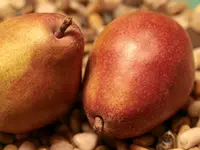
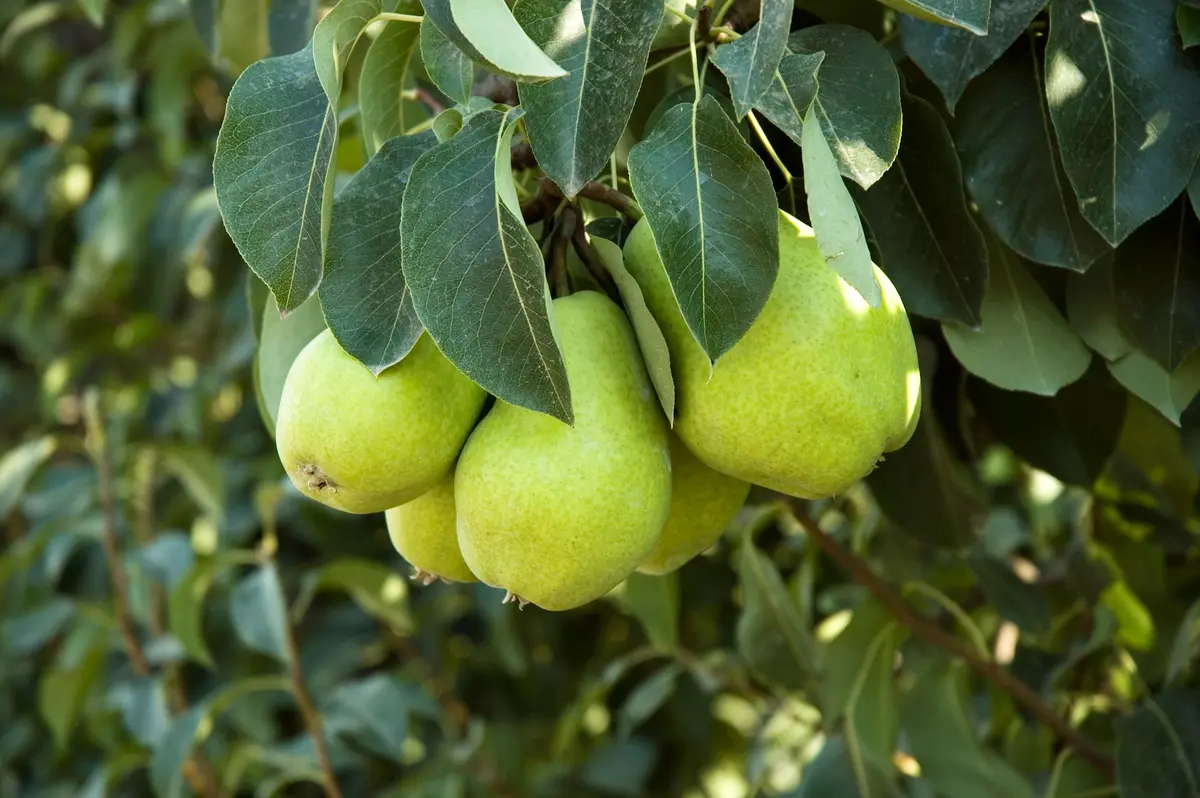
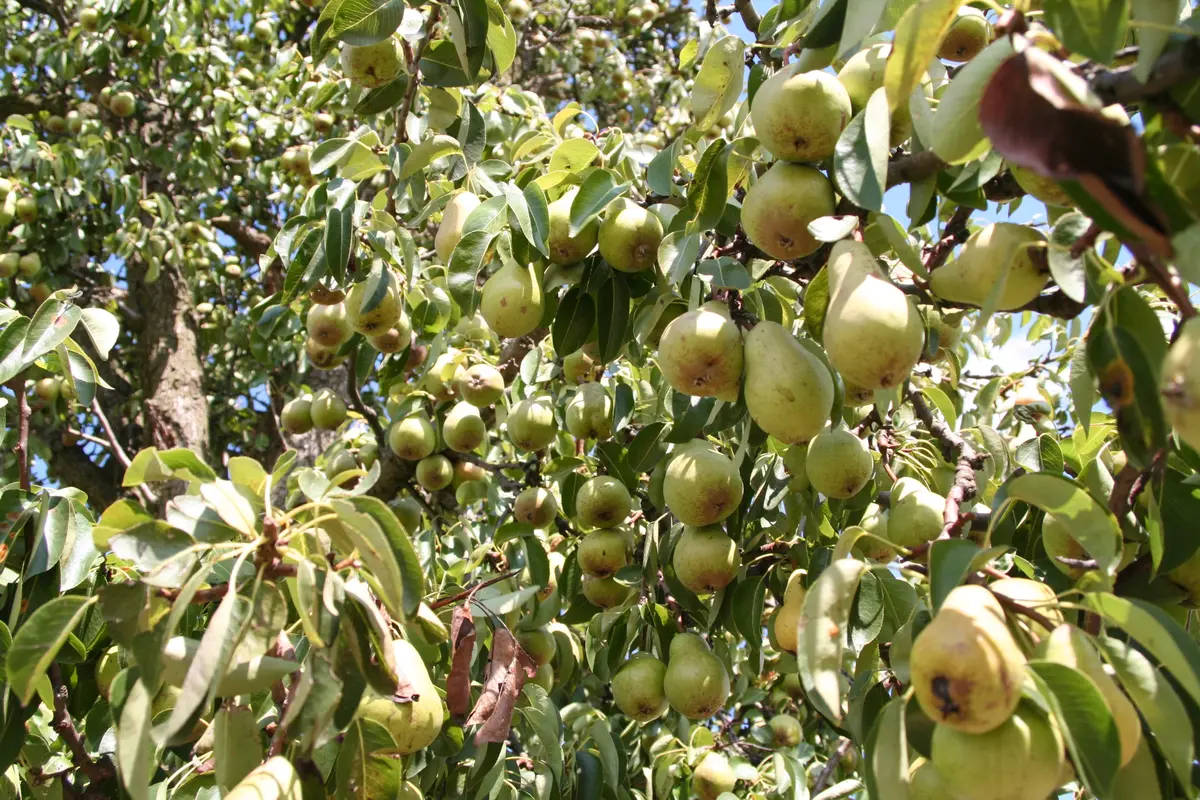
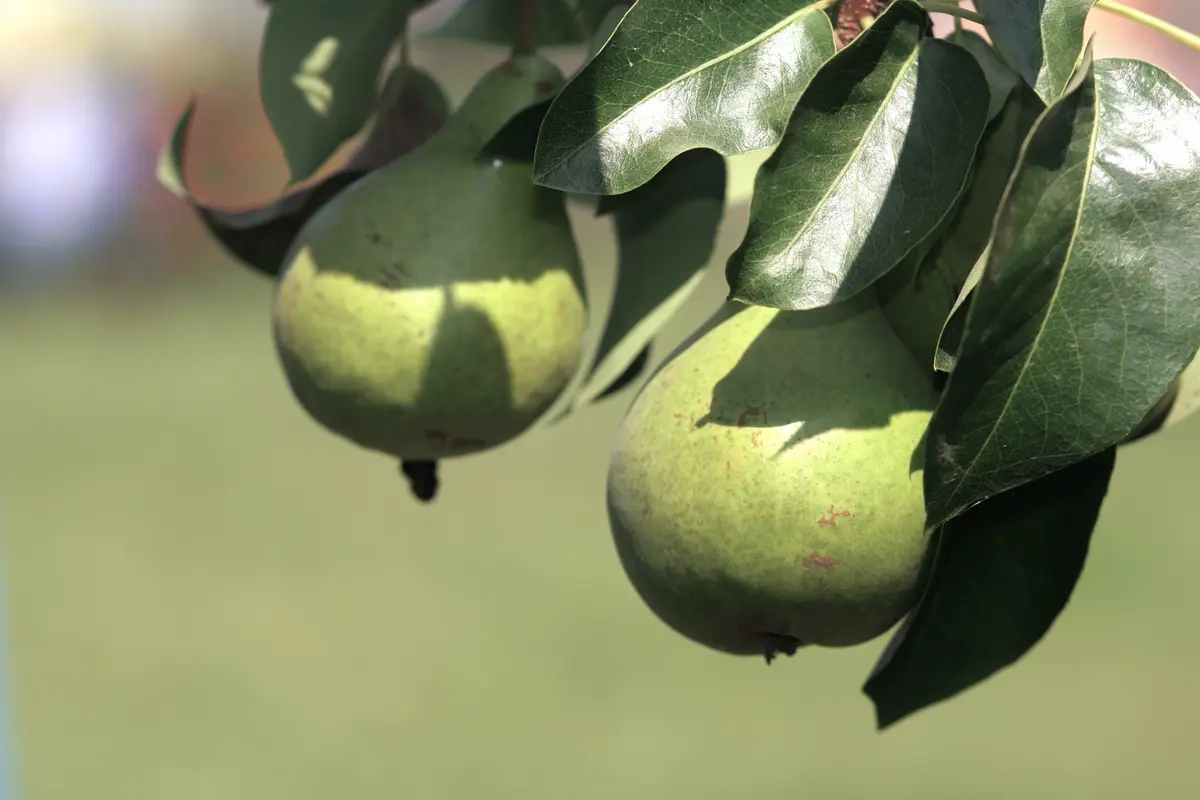
The Hood Pear Tree is a standard select pear tree and a long time favorite in the South with its buttery smooth textured flesh. This large yellow-green pear is highly resistant to fire blight making it a long lived and very productive tree. This Fire Blight Resistant Pear Tree is an excellent choice for growers seeking durability and dependable harvests year after year. Hood Pear Trees are highly adaptable and can grow in a wider variety of climate and soil conditions than most other pear cultivars. Fruit from Hood Pears Trees ripen mid to late July and requires a pollinator. Bring southern charm and rich, buttery flavor to your orchard with our Hood Pear Trees for sale. (150-200 Chill Hours)
Characteristics
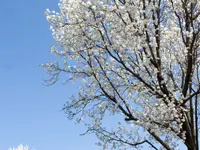
| Bloom Color | White |
| Bloom Time | Spring |
| Fruit Color | Yellow-greenish |
| Fruit Size | Large |
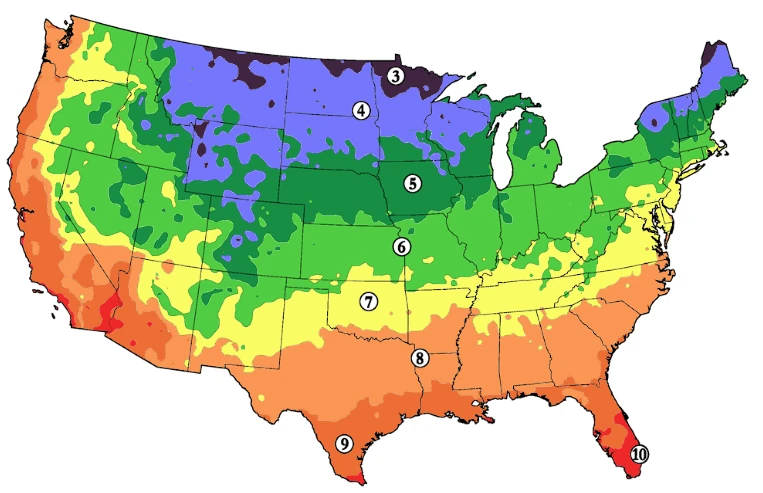
| Hardiness Zone Range | 5 - 10 |
| Pollination | Partially Self-fertile. Recommend multiple varieties. |
| Ripens/Harvest | July |
| Shade/Sun | Full Sun |
| Soil Composition | Rich, loamy, and well-draining |
| Soil Moisture | Keep the soil consistently moist but never waterlogged. |
| Soil pH Level | 6.0-7.0 |
| Taste | Sweet |
| Texture | Crisp and Smooth |
| Years to Bear | 2-3 years |
Pricing
| Size | Price | Ships |
|---|---|---|
|
4-5' Tall
|
$29.95 | 12/01/2026 - 03/15/2027 |
|
5-6' Tall (Branched)
|
$39.95 | 12/01/2026 - 03/15/2027 |
|
6-7' Tall (Branched)
|
$49.95 | 12/01/2026 - 03/15/2027 |
|
5-6' (3/4-1"caliper Branched / EZ-Pick)
|
$59.95 | 12/01/2026 - 03/15/2027 |
|
6-7' (3/4-1" caliper - Well Branched)
|
$69.95 | 12/01/2026 - 03/15/2027 |
|
6-7' (1" caliper - Fruiting Size)
|
$84.95 | 12/01/2026 - 03/15/2027 |
|
6-7' (1.25" caliper - Instant Orchard Size!)
|
$99.95 | 12/01/2026 - 03/15/2027 |
Zones
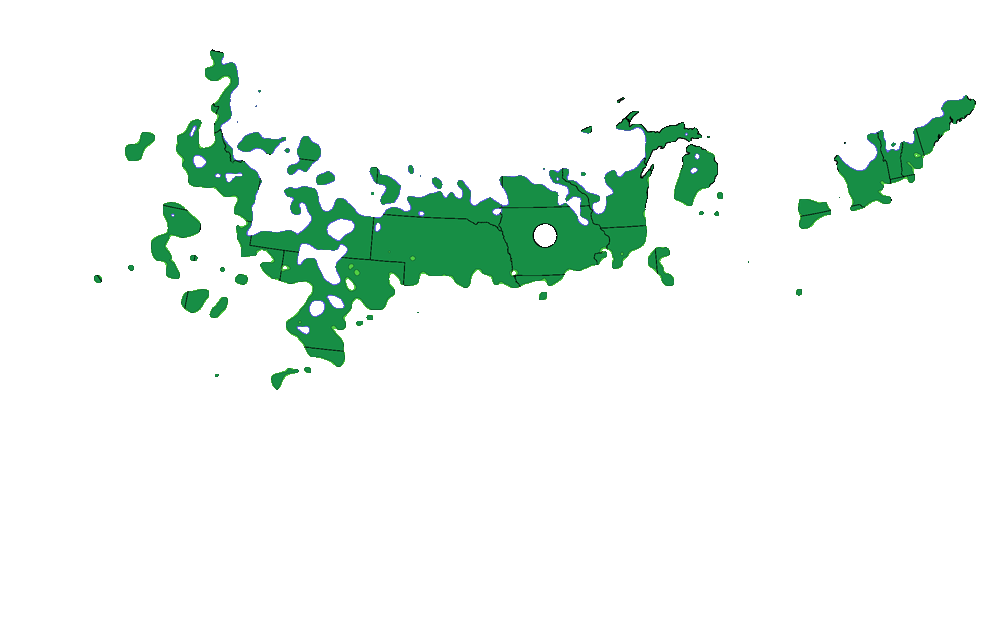
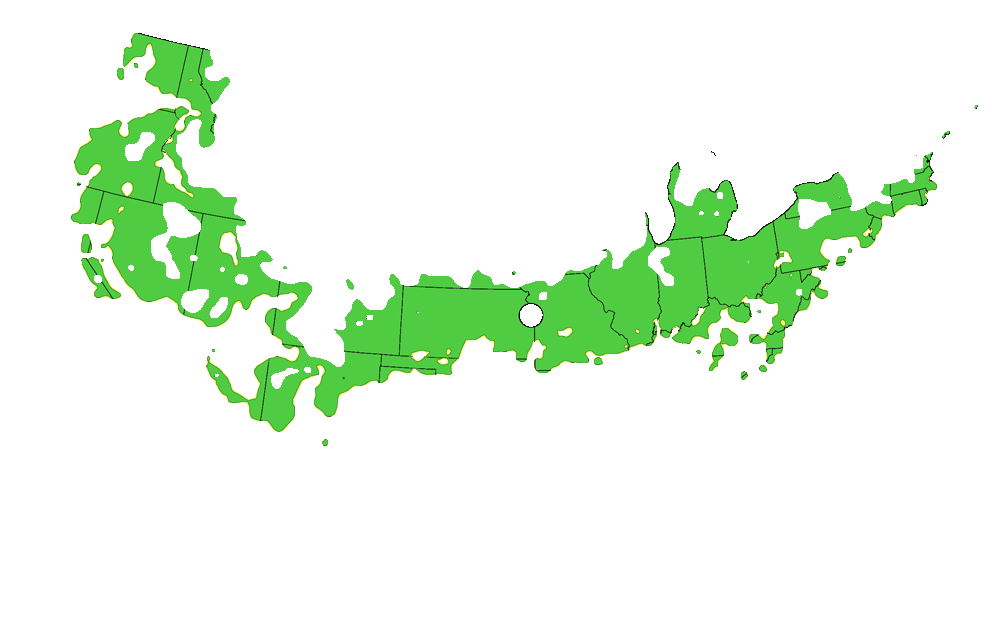
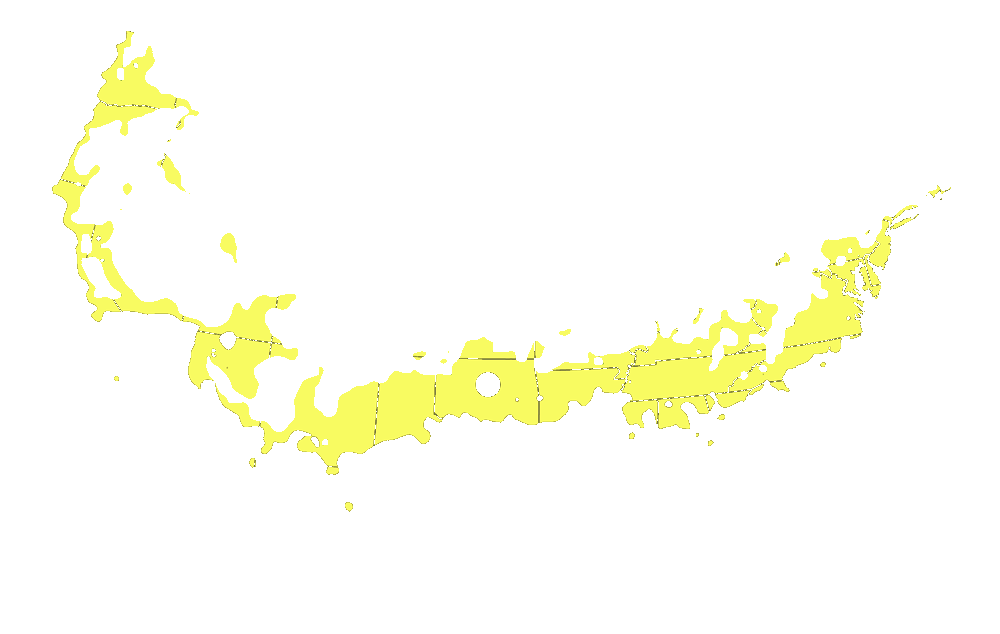
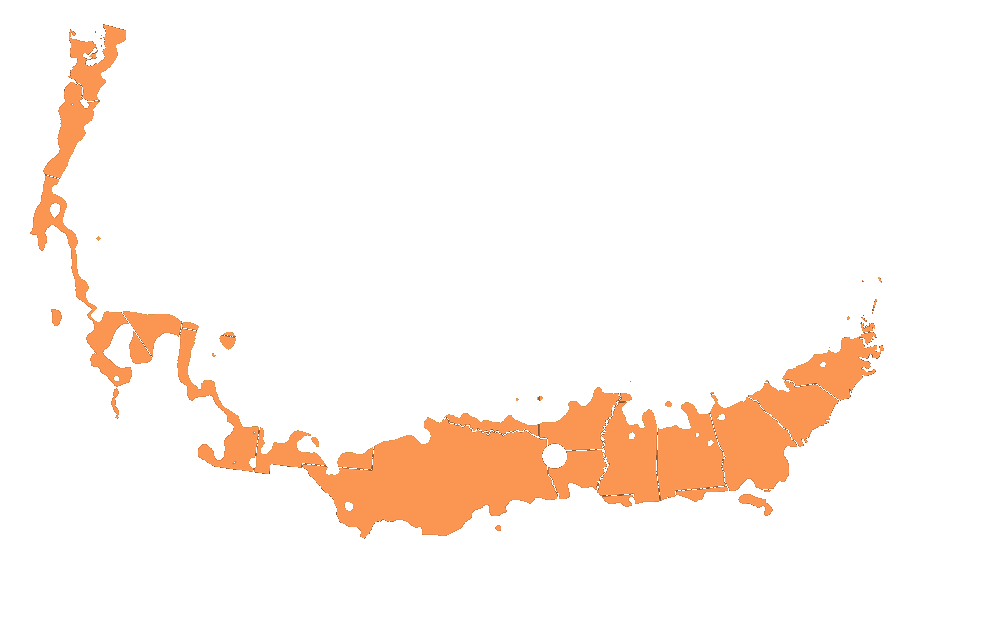
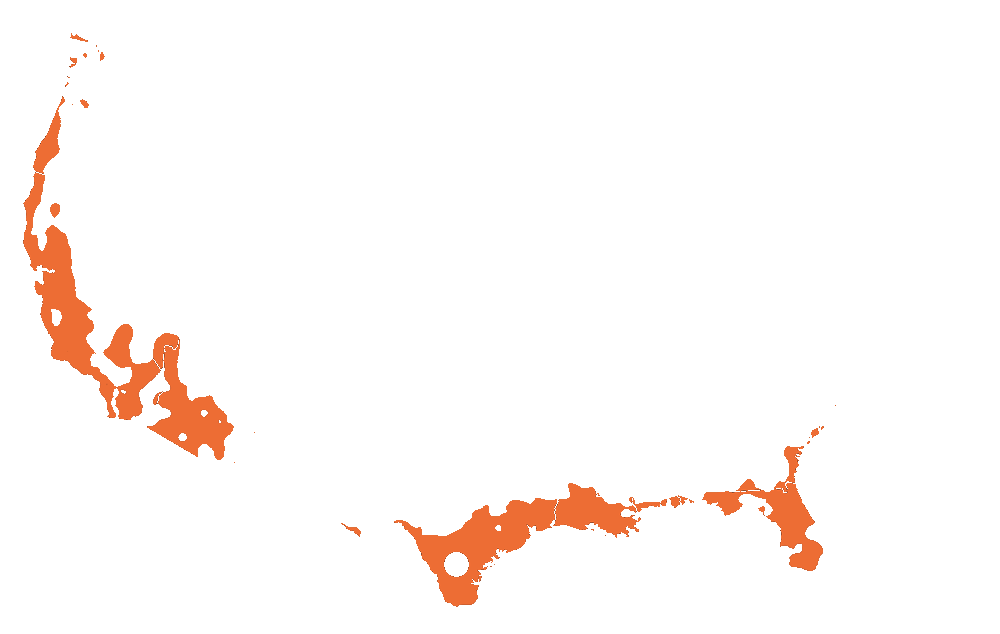
Shaded areas show where this product grows.
USDA Hardiness Zones
A hardiness zone is a geographic area defined by average annual minimum winter temperatures, helping gardeners determine which plants can survive in their region. Developed by the USDA, the 13 numerical zones indicate cold hardiness—for example, a plant "hardy to zone 10" tolerates minimum temperatures of 30 to 40 °F (−1.1 to 4.4 °C).
Grows in zones: 5 - 10
A hardiness zone is a geographic area defined by average annual minimum winter temperatures, helping gardeners determine which plants can survive in their region. Developed by the USDA, the 13 numerical zones indicate cold hardiness—for example, a plant "hardy to zone 10" tolerates minimum temperatures of 30 to 40 °F (−1.1 to 4.4 °C).