4-in-1 Asian Pear Tree
+/-6' (1" caliper Fruiting Size)
$119.95
Ships: 12/01/2026 - 03/15/2027
Description
The 4-in-1 Asian Pear Tree combines the choice Asian Pear varieties of Shinko, Shinseiki, Twentieth Century, and either Kikisui or Kosui into one outstanding pear tree. This fascinating multi-budded pear tree makes a great gift, collector's item, or a novel addition to any orchard from North Florida to Michigan. The 4-in-1 Asian Pear Tree produces large crops of juicy, sweet fruits from July through September. Note: Trees will be tagged with the budded limbs of all 4 of the varieties listed.
Characteristics
| Bloom Color | White |
| Bloom Time | Spring |
| Fruit Color | Brownish - Green |
| Fruit Size | Large |
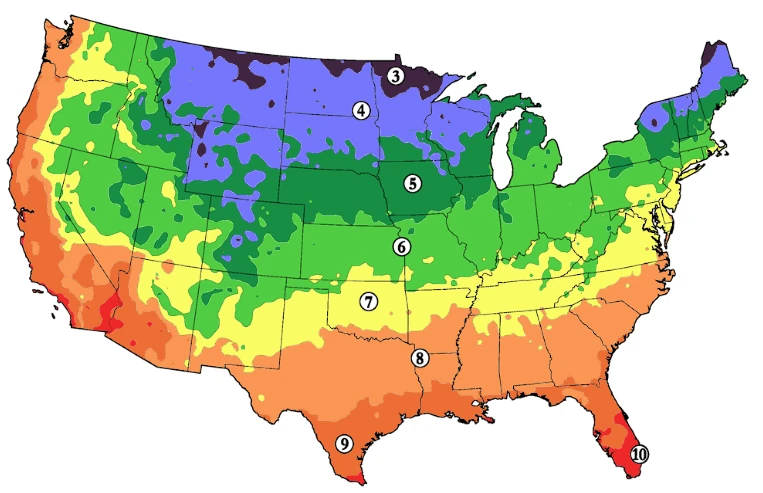
| Hardiness Zone Range | 5 - 9 |
| Pollination | Self-fertile |
| Ripens/Harvest | Late July - October |
| Shade/Sun | Full Sun |
| Soil Composition | Rich, loamy, and well-draining |
| Soil Moisture | Keep the soil consistently moist but never waterlogged. |
| Soil pH Level | 6.0-7.0 |
| Taste | Sweet |
| Texture | Crisp |
| Years to Bear | 2-3 years |
Pricing
| Size | Price | Ships |
|---|---|---|
|
+/-6' (1" caliper Fruiting Size)
|
$119.95 | 12/01/2026 - 03/15/2027 |
Zones
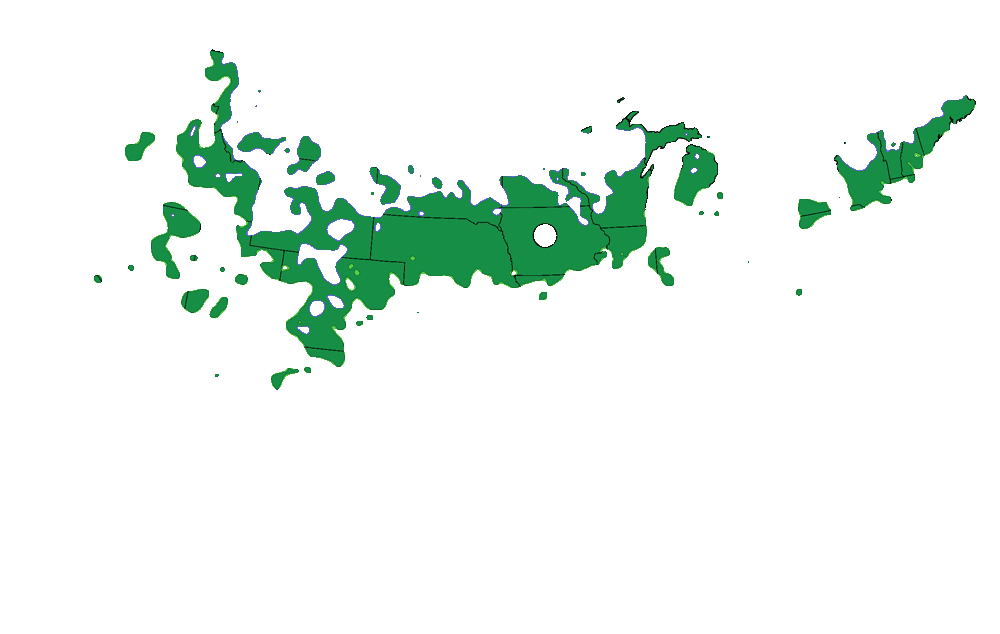
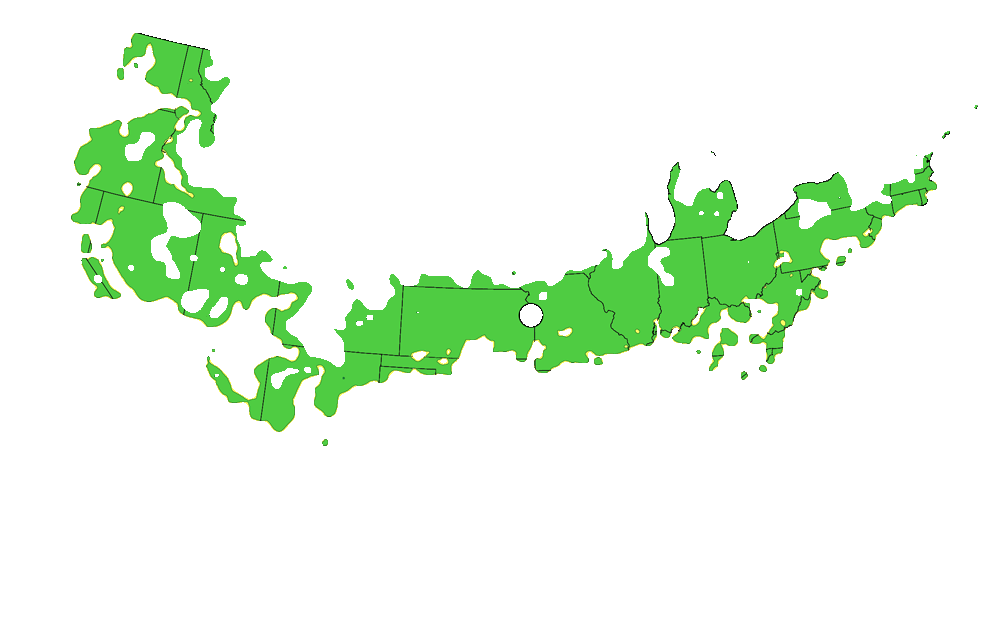
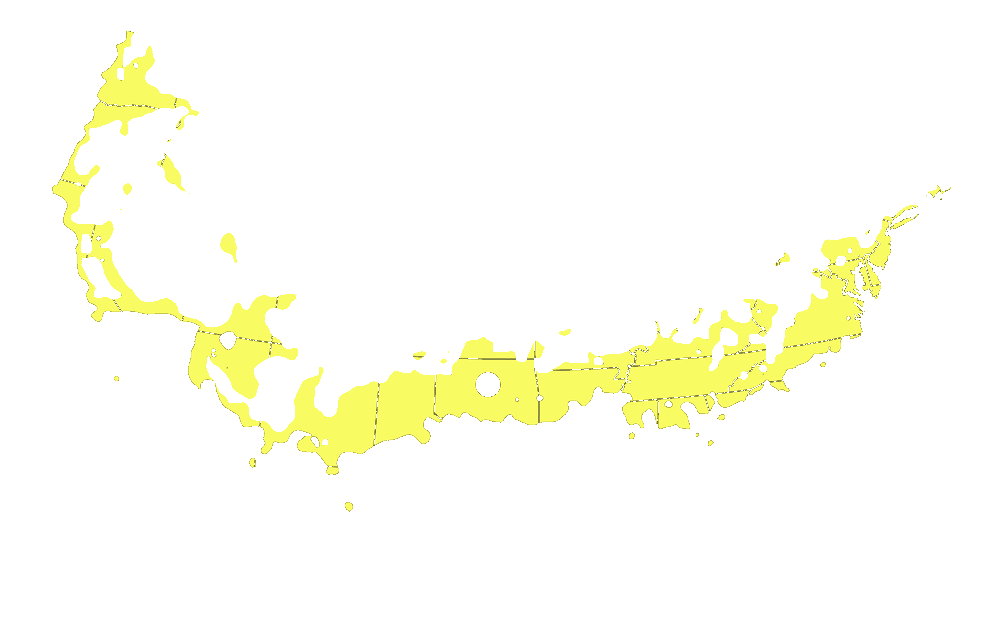
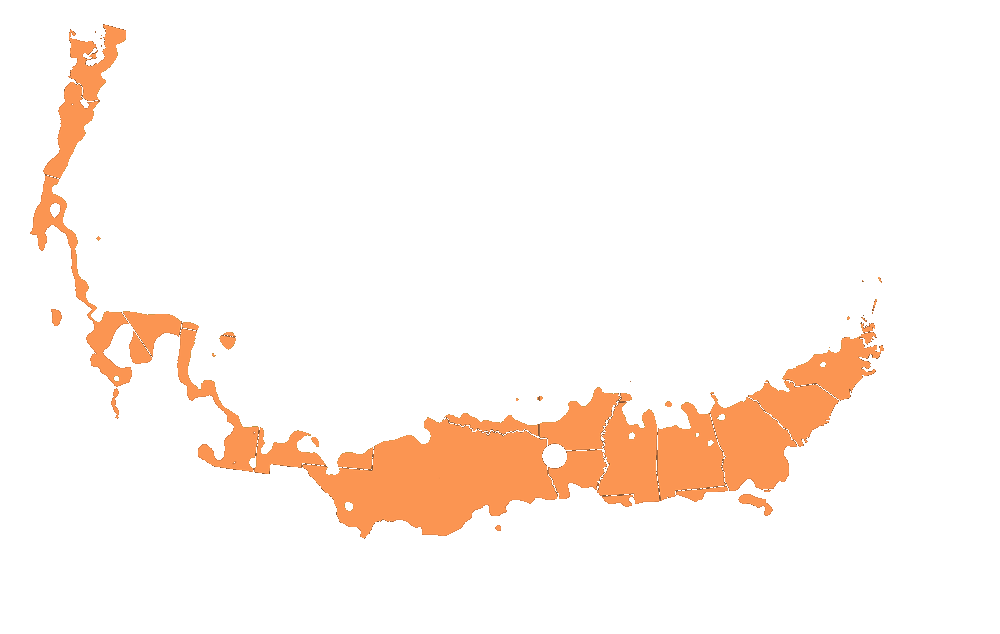
Shaded areas show where this product grows.
USDA Hardiness Zones
A hardiness zone is a geographic area defined by average annual minimum winter temperatures, helping gardeners determine which plants can survive in their region. Developed by the USDA, the 13 numerical zones indicate cold hardiness—for example, a plant "hardy to zone 10" tolerates minimum temperatures of 30 to 40 °F (−1.1 to 4.4 °C).
Grows in zones: 5 - 9
A hardiness zone is a geographic area defined by average annual minimum winter temperatures, helping gardeners determine which plants can survive in their region. Developed by the USDA, the 13 numerical zones indicate cold hardiness—for example, a plant "hardy to zone 10" tolerates minimum temperatures of 30 to 40 °F (−1.1 to 4.4 °C).