

Heritage Raspberry Plant
Rubus idaeus 'Heritage'
2 Year Transplant (Fruiting Size)
$14.95
Ships: 12/01/2026 - 04/01/2027
Description
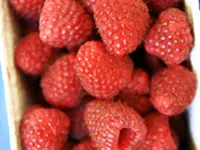
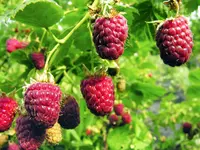
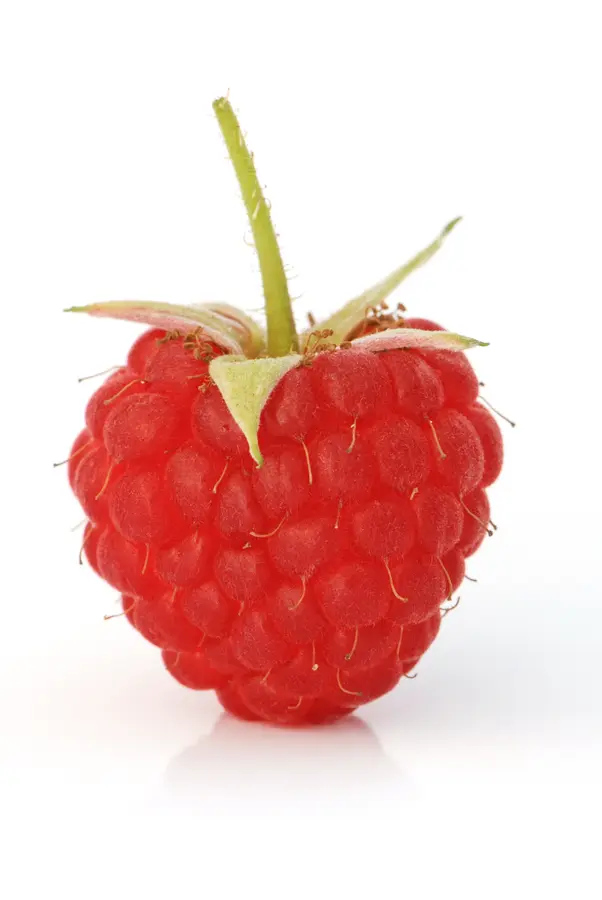
The Heritage Raspberry plant is an everbearing variety with good vigor and hardy canes that grow upright and do not need staking. The berries of the Heritage Raspberry are very firm, with an excellent, sweet, mildly-tart flavor. The floricanes produces a moderate quantity in July and the primocanes produce a heavier quantity in early September until frost.
Characteristics
| Bloom Color | White, slightly Pink |
| Bloom Time | Late Spring and Late Summer |
| Fruit Color | Red |
| Fruit Size | Medium |
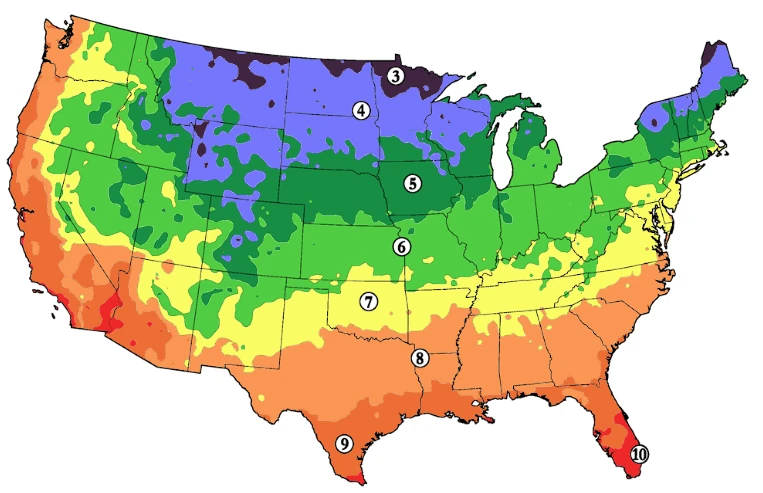
| Hardiness Zone Range | 4 - 8 |
| Pollination | Self Fertile |
| Ripens/Harvest | Floricanes July and Primocanes September |
| Shade/Sun | Full Sun |
| Soil Composition | Loamy |
| Soil Moisture | Well-drained |
| Soil pH Level | 6.0-6.8 |
| Taste | Sweet and Mildly Tart |
| Texture | Firm |
| Years to Bear | 1-2 Years |
| Mature Width | 3-4 Feet Wide |
| Mature Height | 4-5 Feet Tall |
Zones
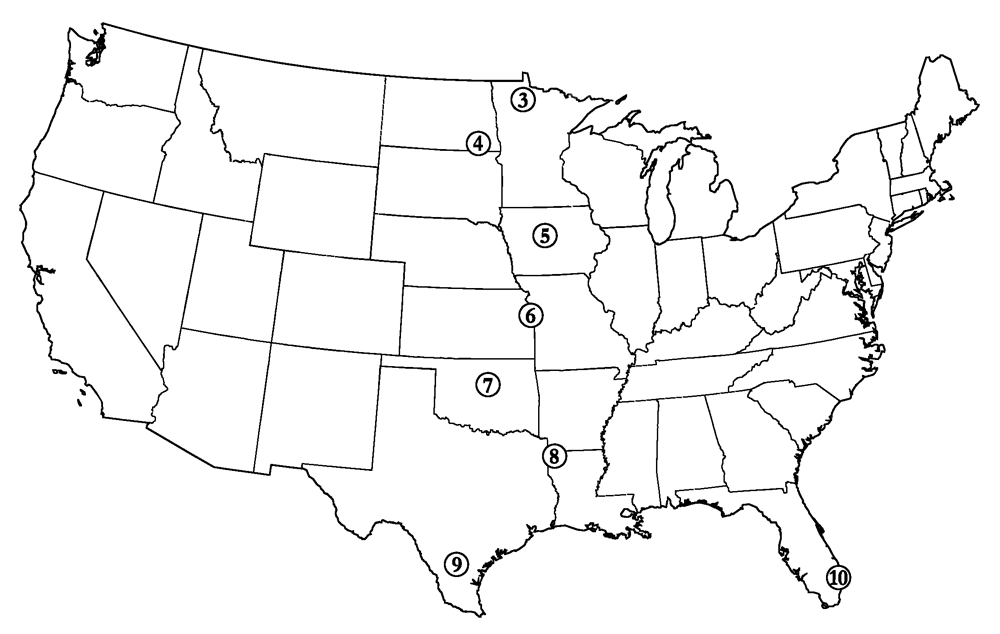
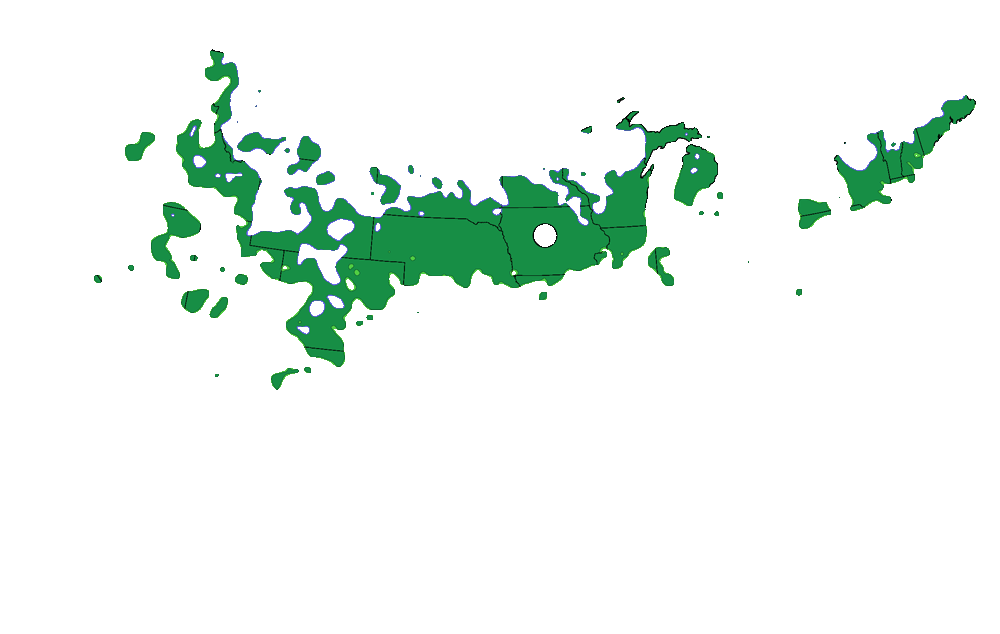
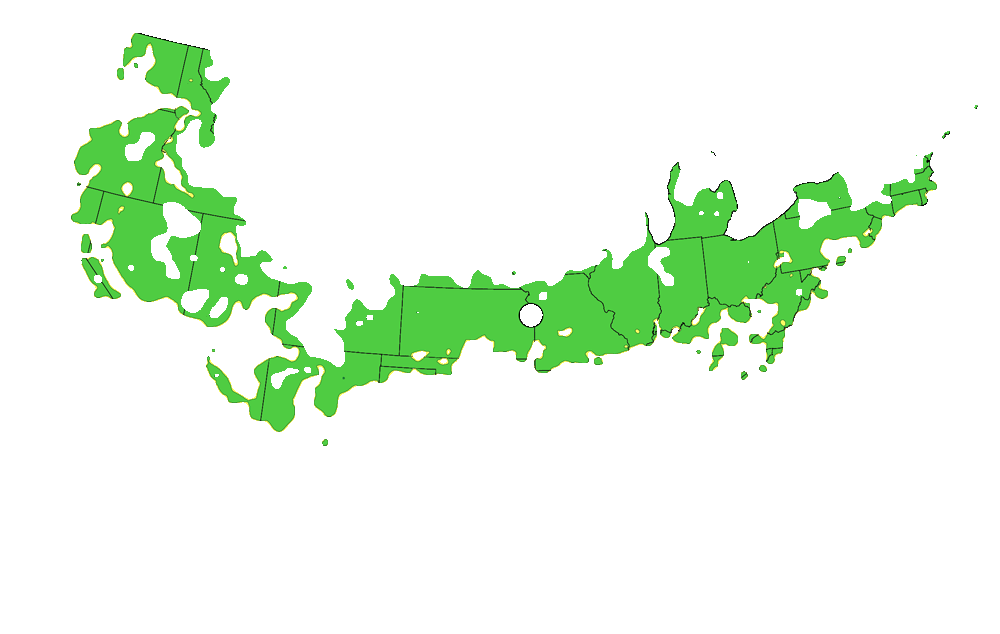
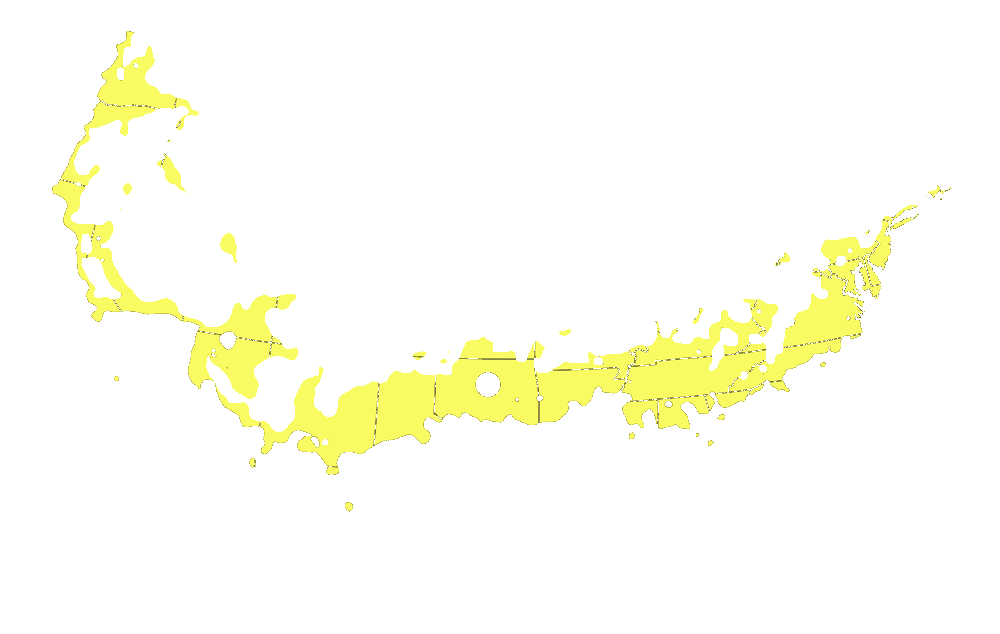
Shaded areas show where this product grows.
USDA Hardiness Zones
A hardiness zone is a geographic area defined by average annual minimum winter temperatures, helping gardeners determine which plants can survive in their region. Developed by the USDA, the 13 numerical zones indicate cold hardiness—for example, a plant "hardy to zone 10" tolerates minimum temperatures of 30 to 40 °F (−1.1 to 4.4 °C).
Grows in zones: 4 - 8
A hardiness zone is a geographic area defined by average annual minimum winter temperatures, helping gardeners determine which plants can survive in their region. Developed by the USDA, the 13 numerical zones indicate cold hardiness—for example, a plant "hardy to zone 10" tolerates minimum temperatures of 30 to 40 °F (−1.1 to 4.4 °C).


More Information
After planting bare-root canes, prune back to about 2 inches above the ground. This is a seriously important step that encourages the roots to send up strong new growth. The new growth may emerge from the ground nearby rather than from the original cane. This is normal behavior for a raspberry plant since the root system sends up new shoots.
If you prefer to have just one crop, mow or cut all the canes down in late winter. The plant skips the spring bloom entirely. Flowers emerge only once, in mid-to-late summer on brand-new canes, leading to a massive fall harvest.