Indian Summer Red Raspberry Plant
2 Year Transplant (Fruiting Size)
$14.95
Ships: 12/01/2026 - 04/01/2027
Description
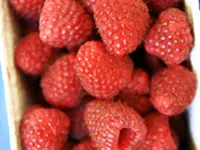
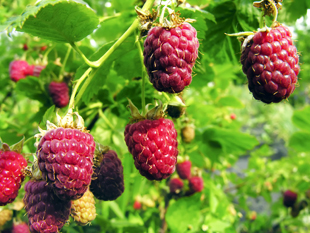
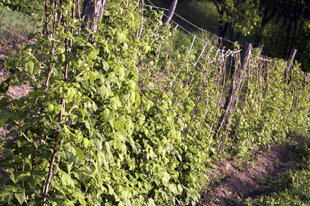
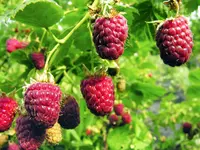
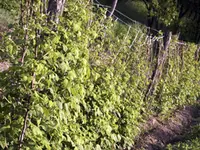
The Indian Summer Red Raspberry is a vigorous, everbearing variety known for producing two harvests per year. The first smaller crop in late spring or early summer, and a much larger, sweeter crop in early fall that will last until frost. The canes do not need staking as they vigorously grow erect and sturdy. The fruit is red, medium-large sized and highly aromatic with a fantastic raspberry flavor. The Indian Summer is good for canning, freezing, jams, jellies or eating fresh from the bush. Indian Summer Red Raspberry typical ripens May and September. Grows well in Zones 4-8b.
Characteristics
| Bloom Color | White |
| Bloom Time | May and August |
| Fruit Color | Red |
| Fruit Size | Medium |
| Hardiness Zone Range | 4 - 8 |
| Pollination | Self Fertile |
| Ripens/Harvest | June and September |
| Shade/Sun | Full Sun |
| Soil Composition | Soils high in organic matter and slighly acidic |
| Soil Moisture | Well-drained |
| Soil pH Level | 5.5-6.5 |
| Taste | Sweetly Delicious |
| Texture | Soft and Firm |
| Years to Bear | 1-2 Years |
| Mature Width | 3-4 Feet Wide |
| Mature Height | 4-6 Feet Tall |
Zones
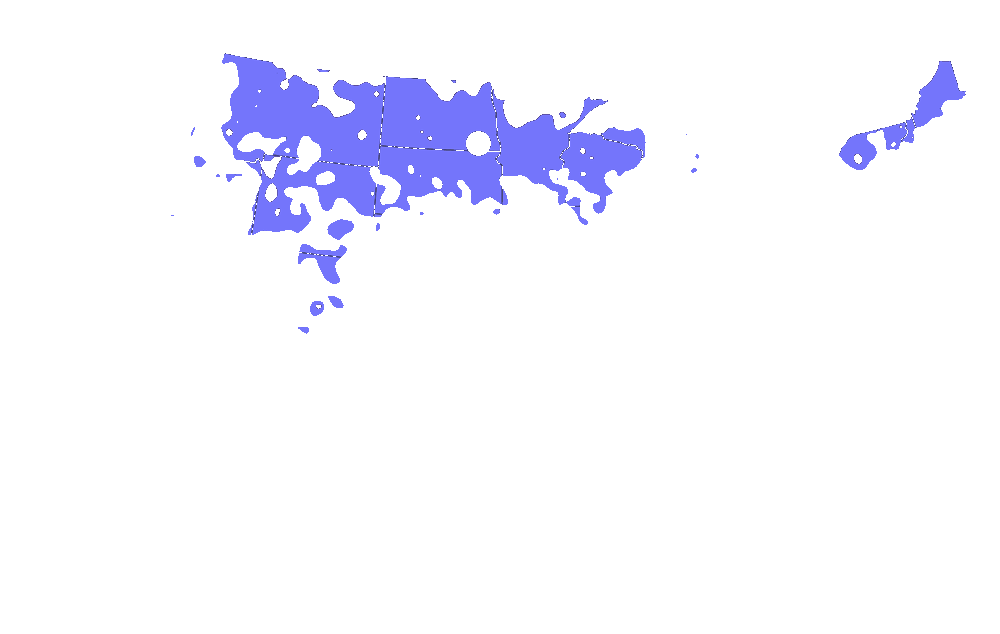
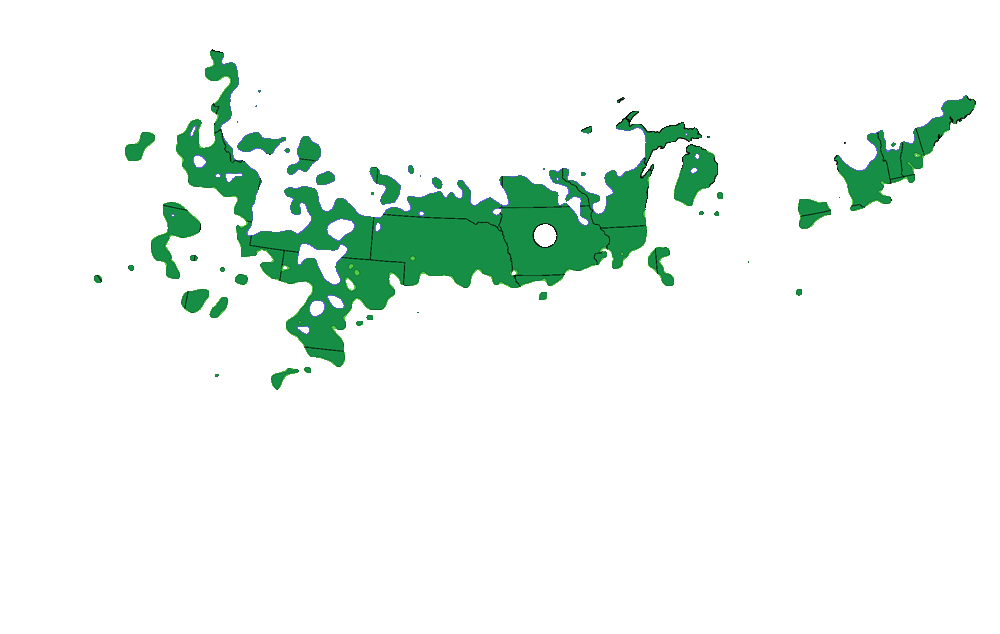
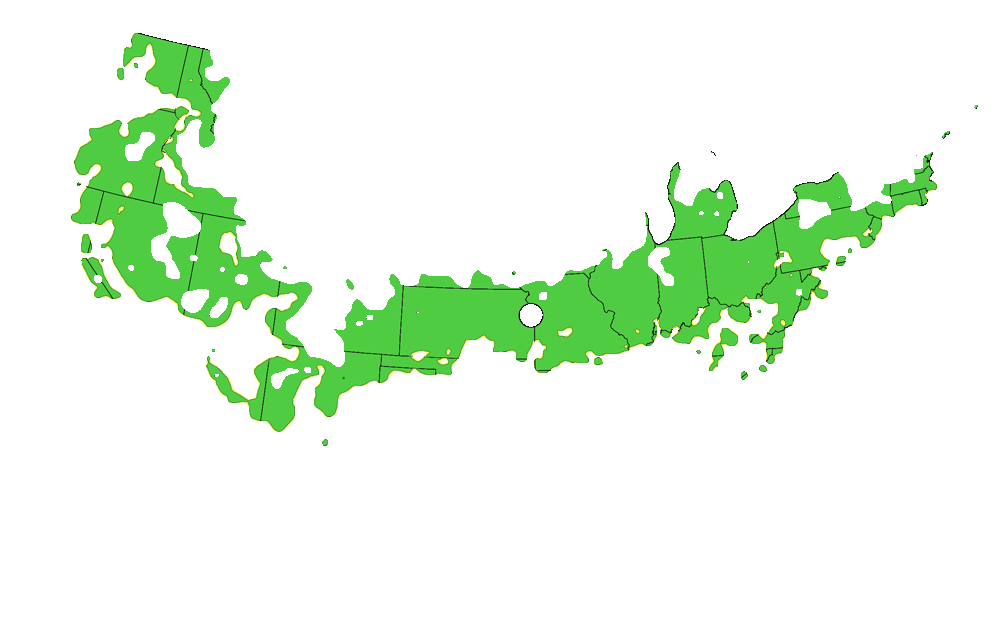
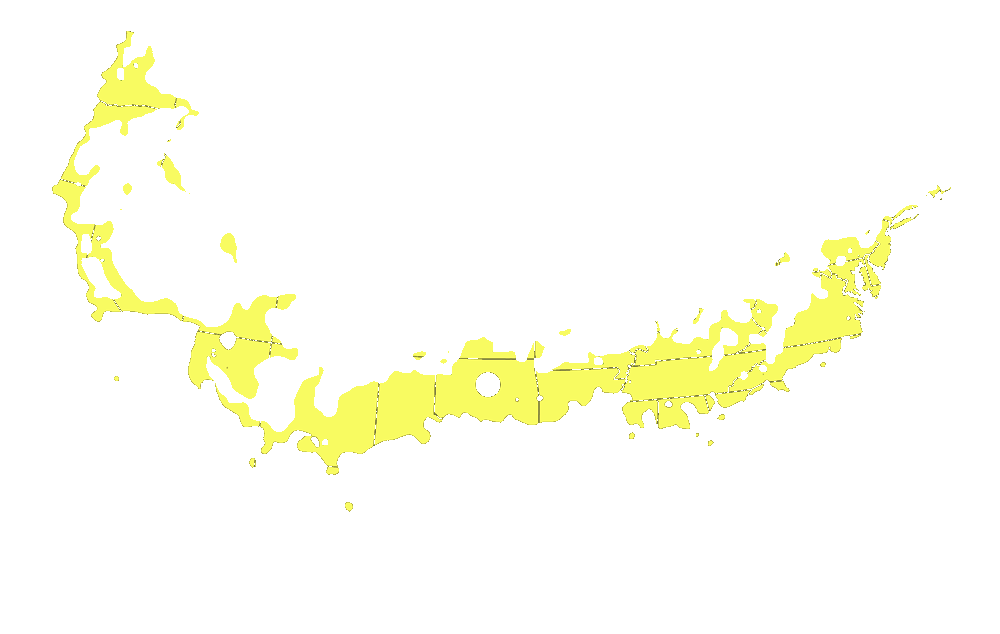
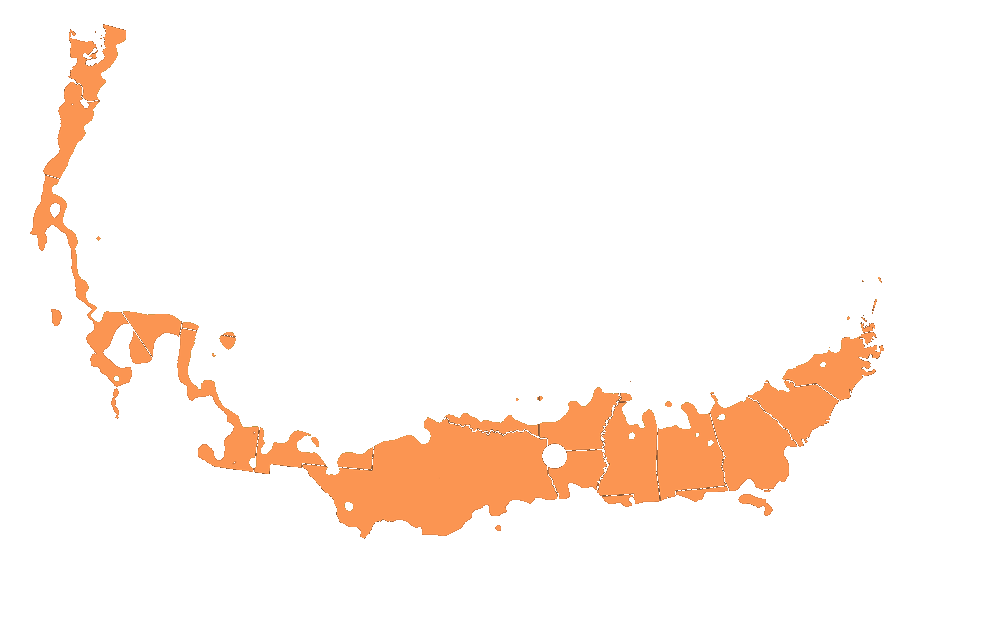
Shaded areas show where this product grows.
USDA Hardiness Zones
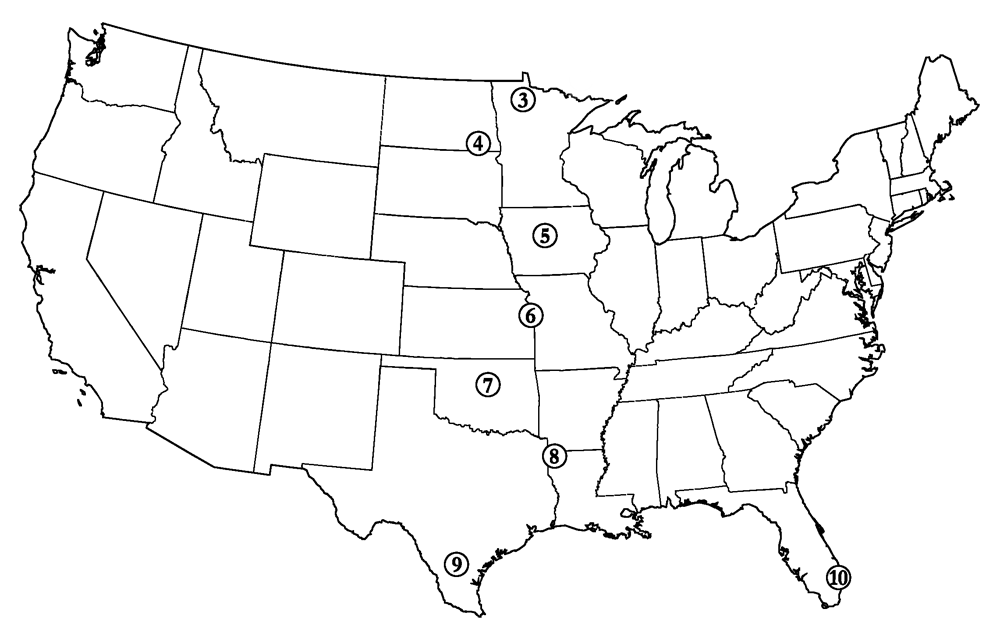
A hardiness zone is a geographic area defined by average annual minimum winter temperatures, helping gardeners determine which plants can survive in their region. Developed by the USDA, the 13 numerical zones indicate cold hardiness—for example, a plant "hardy to zone 10" tolerates minimum temperatures of 30 to 40 °F (−1.1 to 4.4 °C).
Grows in zones: 4 - 8
A hardiness zone is a geographic area defined by average annual minimum winter temperatures, helping gardeners determine which plants can survive in their region. Developed by the USDA, the 13 numerical zones indicate cold hardiness—for example, a plant "hardy to zone 10" tolerates minimum temperatures of 30 to 40 °F (−1.1 to 4.4 °C).
More Information
Watering: Keep the roots cool and moist. Water deeply and regularly during the first growing season to establish the root system, needing about 1 inch of water per week once mature. Pruning: Prune canes that have finished fruiting to the ground in late winter or early spring. Allow newer green canes to remain for the upcoming season's growth.