
September Red Raspberry
2 Year Transplant (Fruiting Size)
$14.95
Ships: 12/01/2026 - 04/01/2027
Description
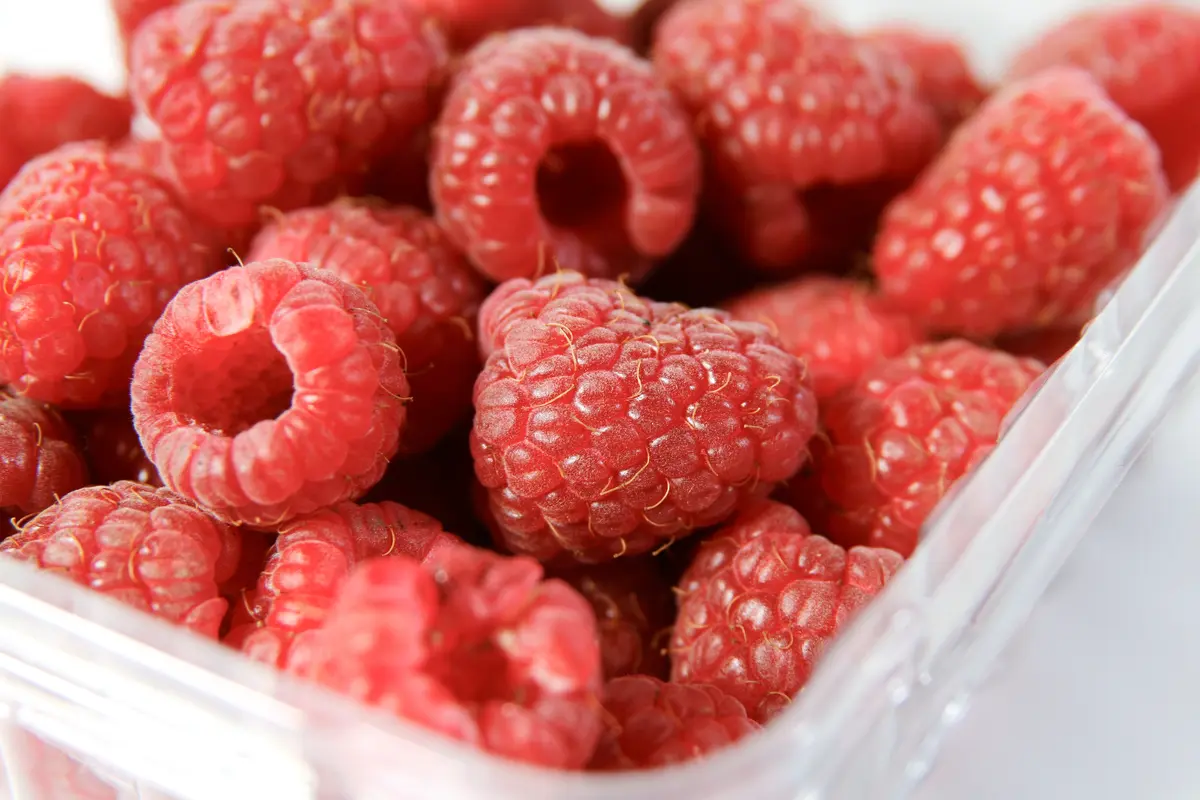
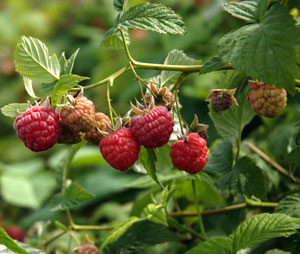
The September Red Raspberry Plant is an everbearing producer with medium to large, dark red colored fruit when ripe with a tart raspberry flavor. The canes are vigorous, hardy growers that need support. Use a simple T-bar trellis or double-wire system to keep the plants upright and prevent them from bending or breaking. The September Raspberry is also resistant to Mosaic, and a good choice for colder climates, that bears lightly in June and heavily in September. Because the "September" raspberry is highly cold-hardy, it will easily survive the winter. However, some areas with very hot summers will need to provide the canes with some afternoon shade to prevent the berries from sun-scald.
Characteristics
| Bloom Color | White |
| Bloom Time | May/June and July/August |
| Fruit Color | Dark Red |
| Fruit Size | Medium Large |
| Hardiness Zone Range | 3 - 8 |
| Pollination | Self Fertile |
| Ripens/Harvest | June and September/October |
| Shade/Sun | Full Sun |
| Soil Composition | Rich humus sandy loam, slightly acidic |
| Soil Moisture | Well-drained |
| Soil pH Level | 5.5-6.5 |
| Taste | Sweet |
| Texture | Firm |
| Years to Bear | 1-2 Years |
| Mature Width | 3-4 Feet Wide |
| Mature Height | 4-6 Feet Tall |
Zones
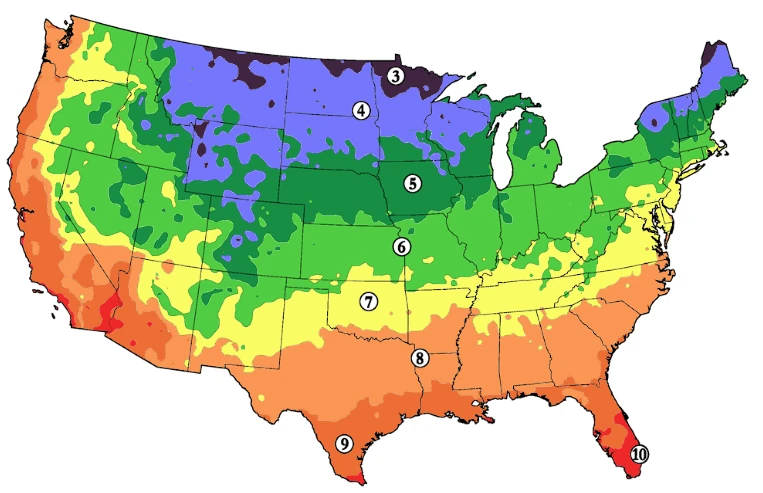
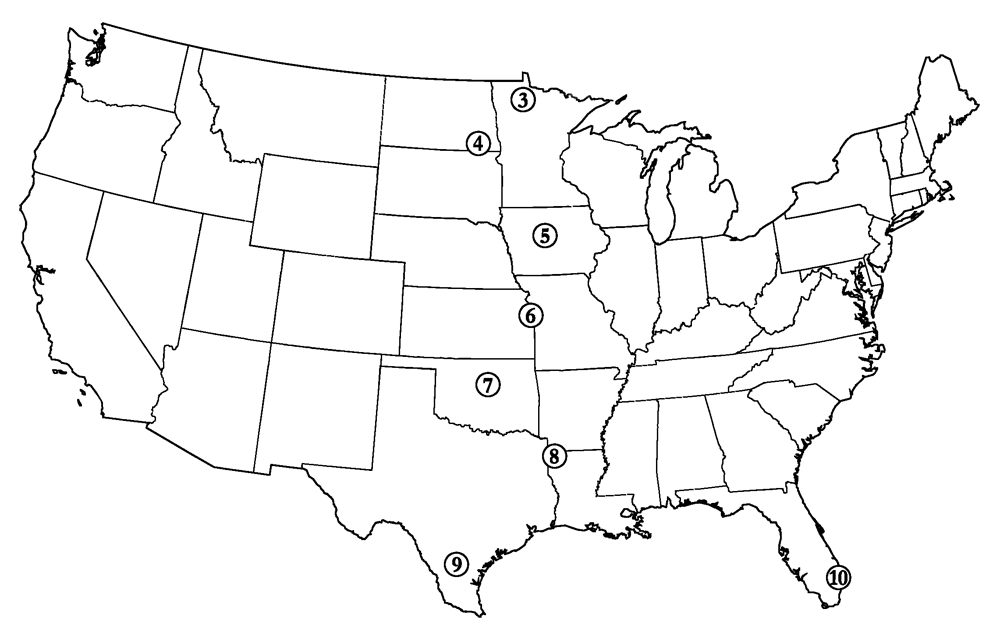
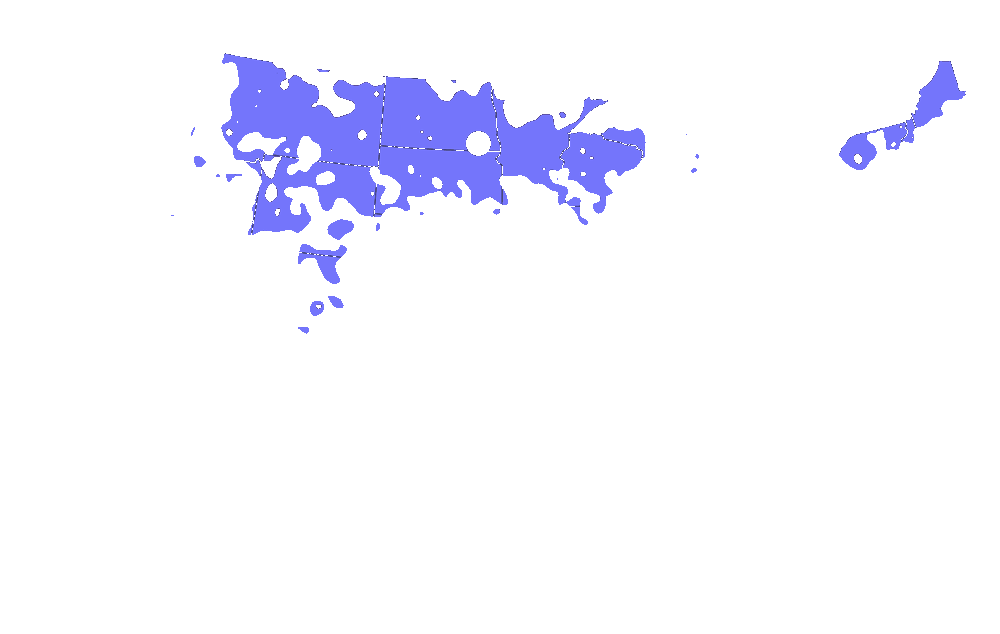
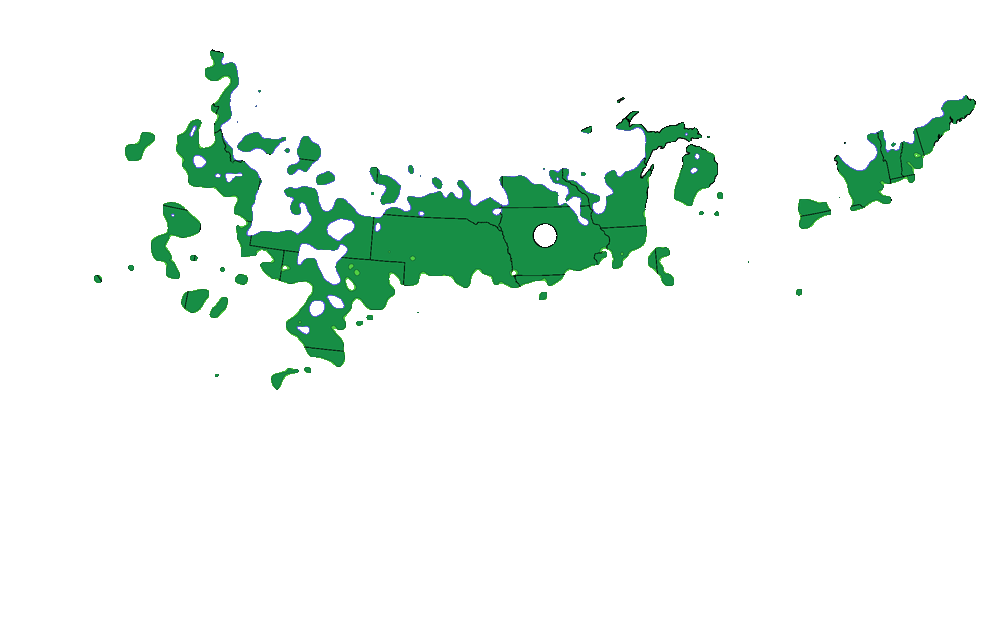
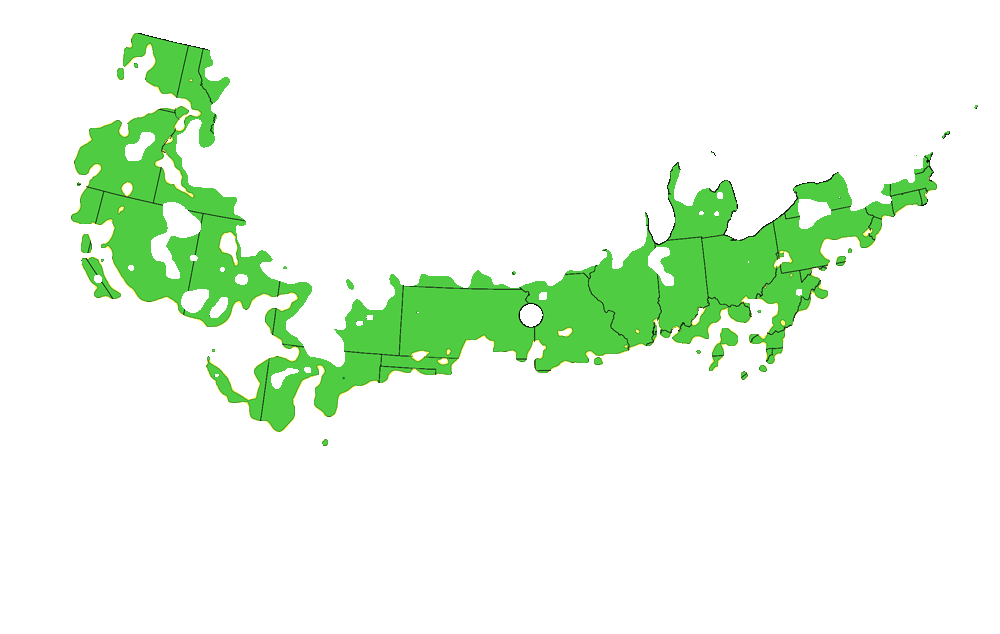
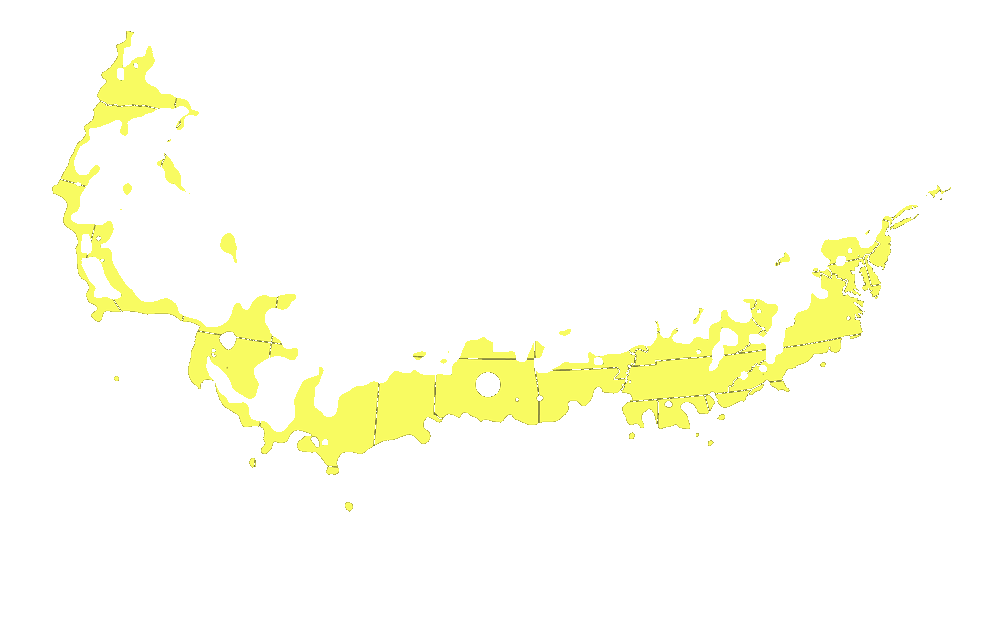
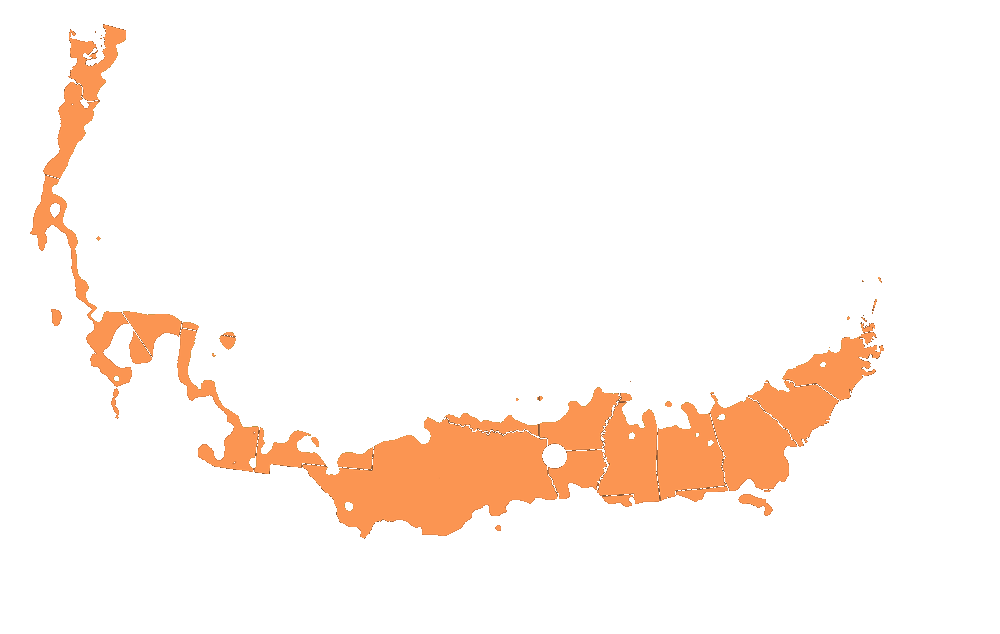
Shaded areas show where this product grows.
USDA Hardiness Zones
A hardiness zone is a geographic area defined by average annual minimum winter temperatures, helping gardeners determine which plants can survive in their region. Developed by the USDA, the 13 numerical zones indicate cold hardiness—for example, a plant "hardy to zone 10" tolerates minimum temperatures of 30 to 40 °F (−1.1 to 4.4 °C).
Grows in zones: 3 - 8
A hardiness zone is a geographic area defined by average annual minimum winter temperatures, helping gardeners determine which plants can survive in their region. Developed by the USDA, the 13 numerical zones indicate cold hardiness—for example, a plant "hardy to zone 10" tolerates minimum temperatures of 30 to 40 °F (−1.1 to 4.4 °C).

More Information
Raspberries thrive in rich, well-draining soil. Mix in a few inches of well-rotted compost or manure to improve drainage and naturally balance the soil. The slightly acidic soil range allows the roots to absorb essential nutrients efficiently while preventing problems like iron chlorosis.