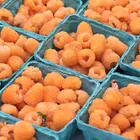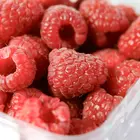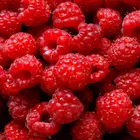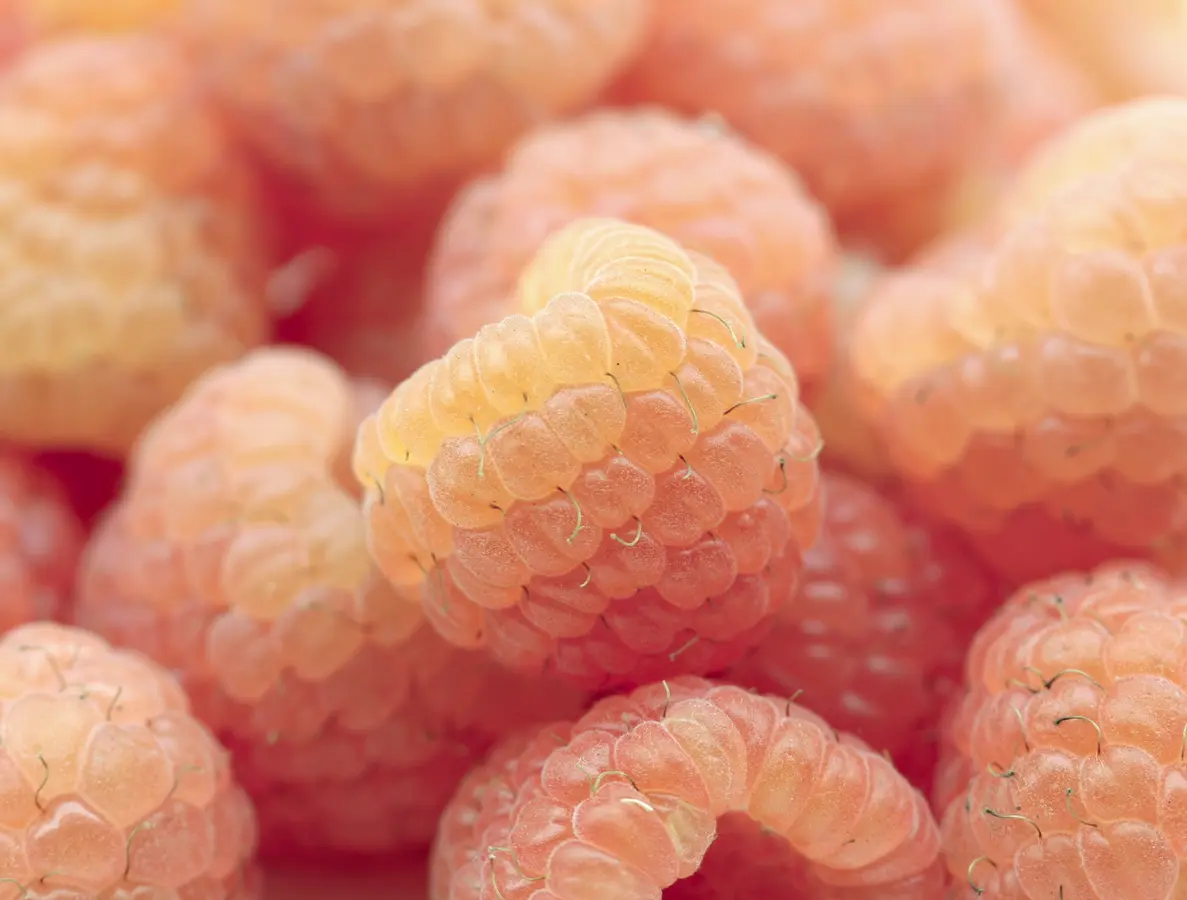
Fall Gold Raspberry Plant
Rubus idaeus 'Fall Gold'
2 Year Transplant (Fruiting Size)
$14.95
Ships: 12/01/2026 - 04/01/2027
Description
The Fall Gold Raspberry plant produces a large sweet golden yellow berry. The Fall Gold Raspberry is a highly prized fruit that is valued for its exceptional flavor, versatility, and late-season production. It is a popular choice among fruit enthusiasts who are looking for a sweet and juicy berry that is easy to grow and maintain. The canes are everbearing and the warm golden yellow berries brighten the garden. Excellent fresh or for pastries, preserves, pies and jellies. The Fall Gold Raspberry plant ripens in July and September in the warmer areas, and late spring and July through August, up to a hard frost, in the colder areas.
Characteristics
| Bloom Color | White |
| Bloom Time | April May |
| Fruit Color | Golden Yellow |
| Fruit Size | Large |
| Hardiness Zone Range | 5 - 9 |
| Pollination | Self Fertile |
| Ripens/Harvest | June and August |
| Shade/Sun | Full Sun |
| Soil Composition | Rich humus sandy loam, slightly acidic |
| Soil Moisture | Well-drained |
| Soil pH Level | 6.0-6.8 |
| Taste | Very Sweet |
| Texture | Firm |
| Years to Bear | 1-2 |
| Mature Width | 3 to 4 Feet |
| Mature Height | 6 Feet |
Zones
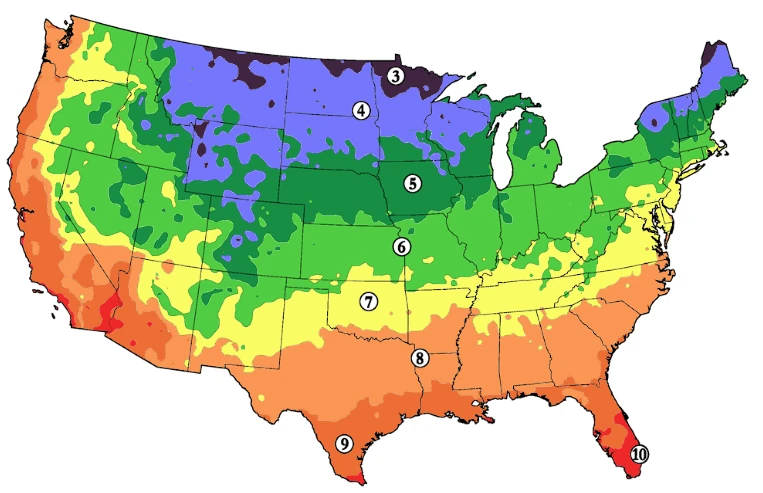
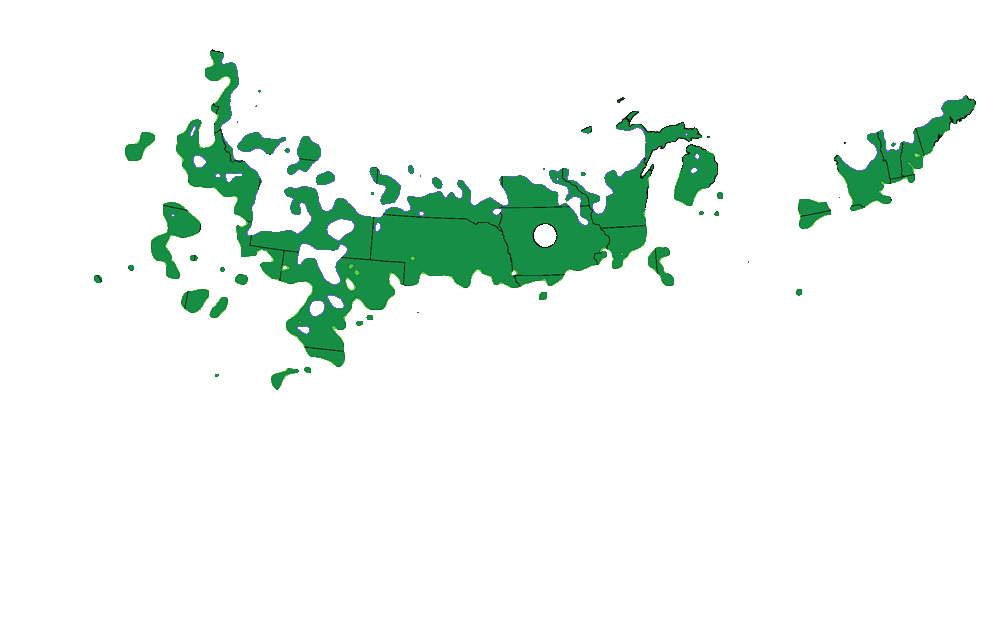
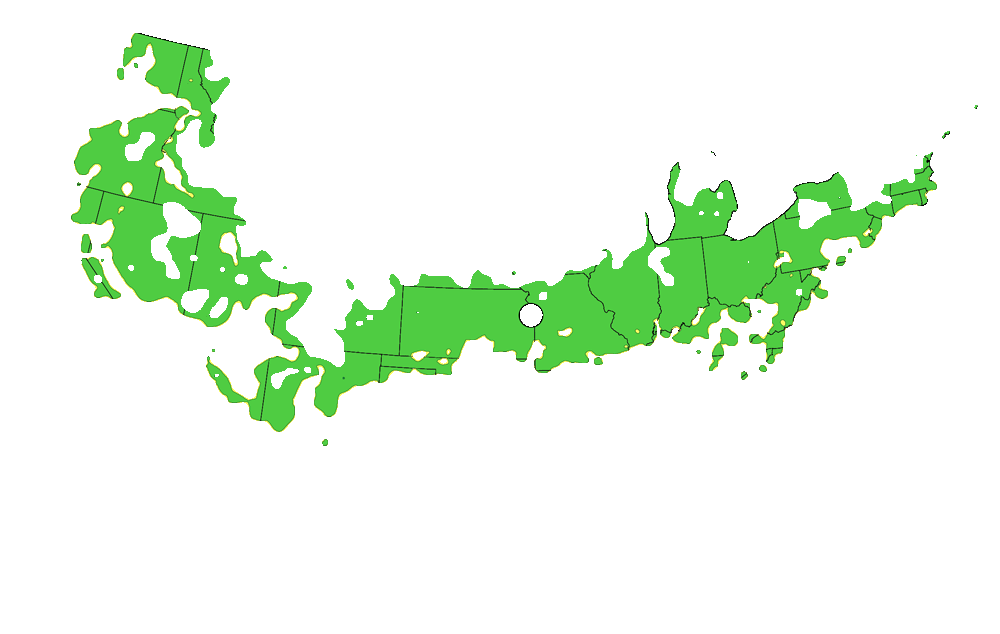
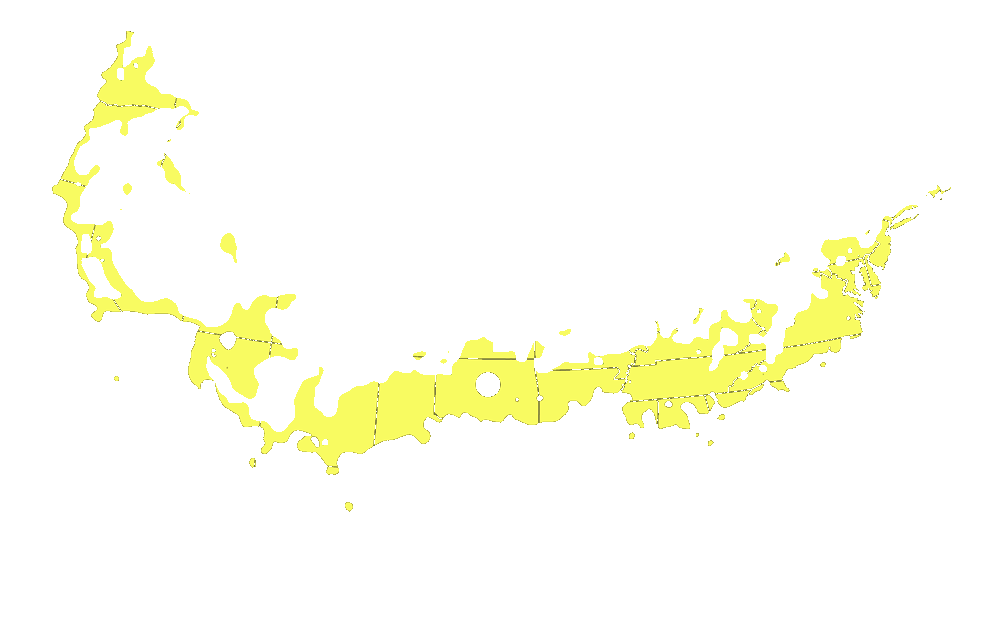
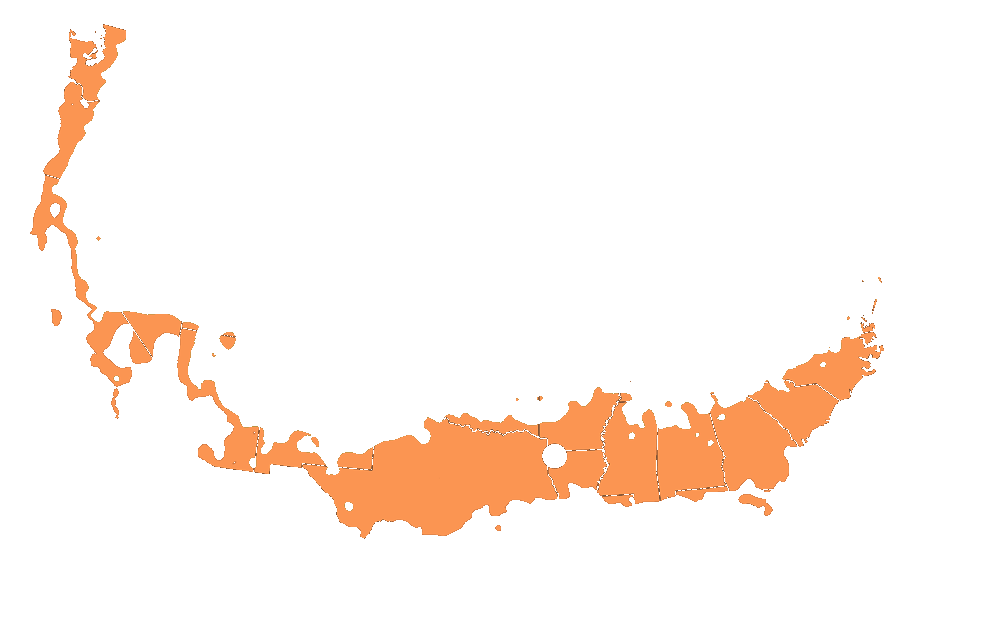
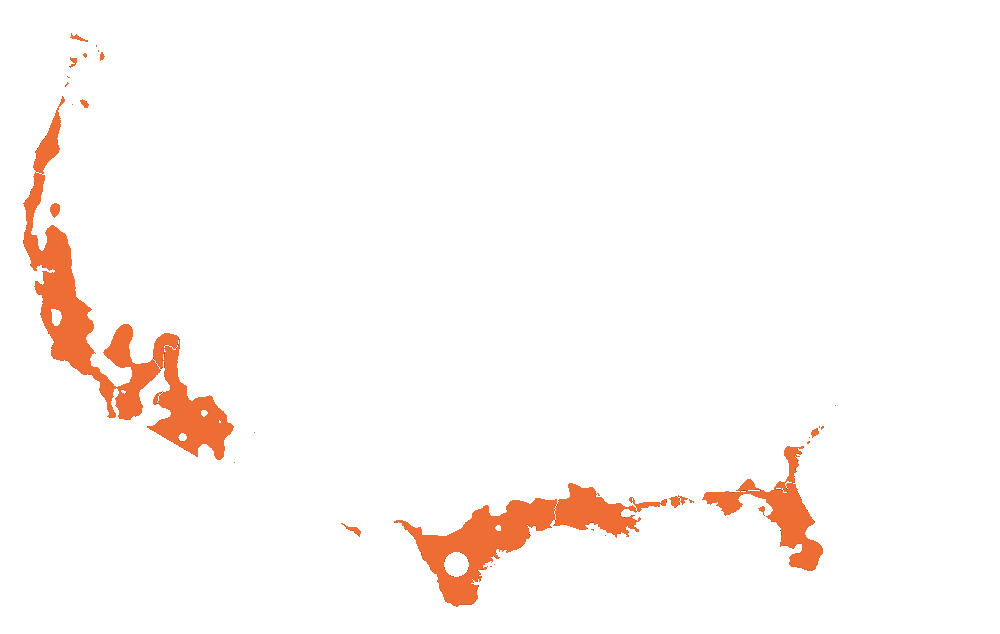
Shaded areas show where this product grows.
USDA Hardiness Zones
A hardiness zone is a geographic area defined by average annual minimum winter temperatures, helping gardeners determine which plants can survive in their region. Developed by the USDA, the 13 numerical zones indicate cold hardiness—for example, a plant "hardy to zone 10" tolerates minimum temperatures of 30 to 40 °F (−1.1 to 4.4 °C).
Grows in zones: 5 - 9
A hardiness zone is a geographic area defined by average annual minimum winter temperatures, helping gardeners determine which plants can survive in their region. Developed by the USDA, the 13 numerical zones indicate cold hardiness—for example, a plant "hardy to zone 10" tolerates minimum temperatures of 30 to 40 °F (−1.1 to 4.4 °C).
More Information
Fall Gold is a primocane type berry, meaning it blooms and fruits on first-year wood. Primocane varieties are often referred as everbearing because they produce two crops unless pruned heavily for one crop. The fall crop comes on current-season canes, at the top 1/3 of the canes. After overwintering, and if not pruned, a second crop will be produced in late spring to early summer at the bottom 2/3 of the canes. If a single but heavier crop is desired, all canes may be annually pruned to the ground before growth begins in spring. The new canes will produce fruit in late summer to fall of the same season