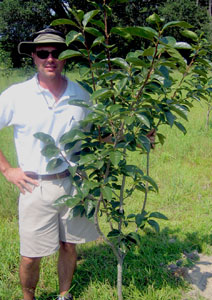
Tanenashi Persimmon Tree
+/-6'
$109.95
Ships: 12/01/2026 - 04/01/2027
Description
This product cannot be shipped to California.
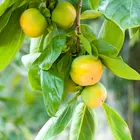
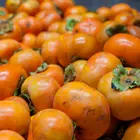
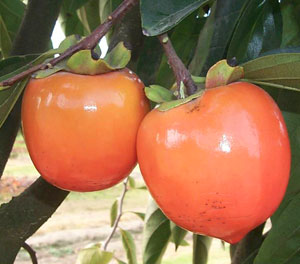
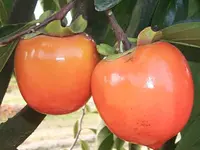
Tanenashi Persimmon trees bear medium to large, cone-shaped, seedless fruits at an early age. The brilliant orange skinned fruits ripen in October. Tanenashi is an astringent and very productive variety. Browse a variety of Tanenashi Persimmon Trees for sale from Willis Orchards today. (100-200 Chill Hours)
Characteristics
| Bloom Color | Creamy-White |
| Bloom Time | Late Spring - Early Summer |
| Fruit Color | Orange-Red |
| Fruit Size | Medium, oblong |
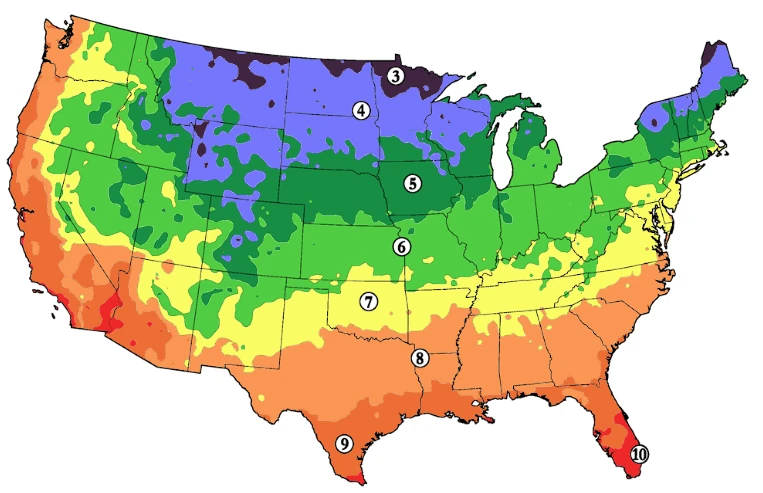
| Hardiness Zone Range | 7 - 10 |
| Pollination | Self-fertile |
| Ripens/Harvest | October |
| Shade/Sun | Full Sun |
| Soil Composition | Rich, loamy, and well-draining |
| Soil Moisture | Water weekly |
| Soil pH Level | 6.0-7.0 |
| Taste | Sweet |
| Texture | Soft |
| Years to Bear | 2-3 years |
Pricing
| Size | Price | Ships |
|---|---|---|
|
+/-6'
|
$109.95 | 12/01/2026 - 04/01/2027 |
Zones
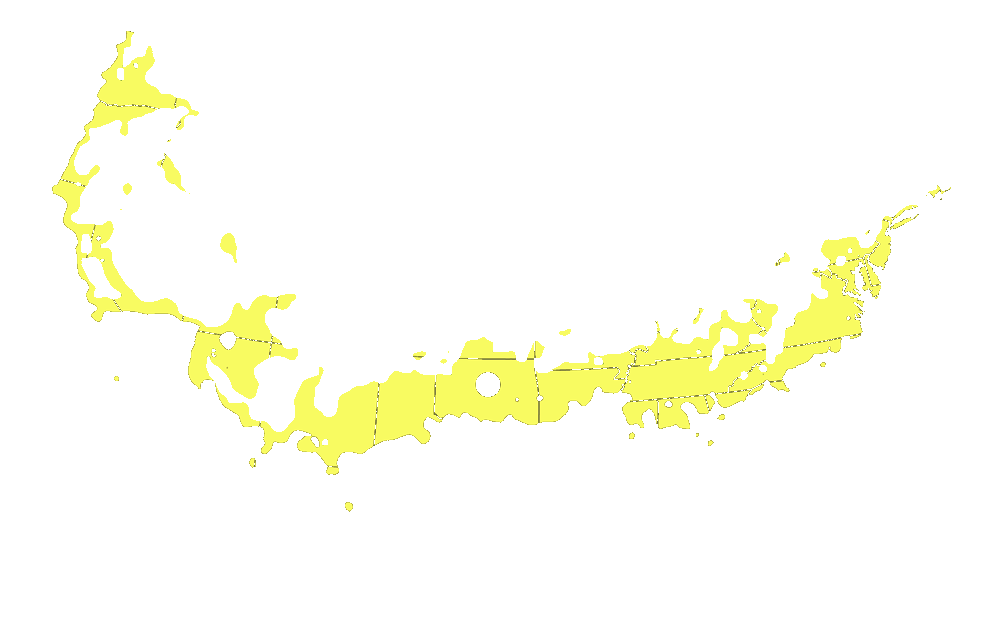
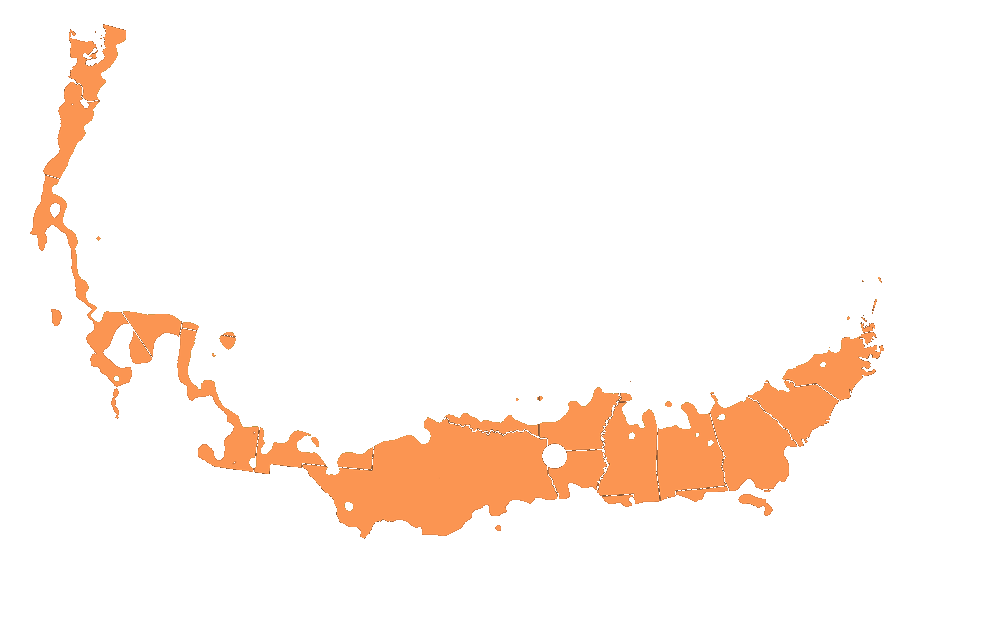
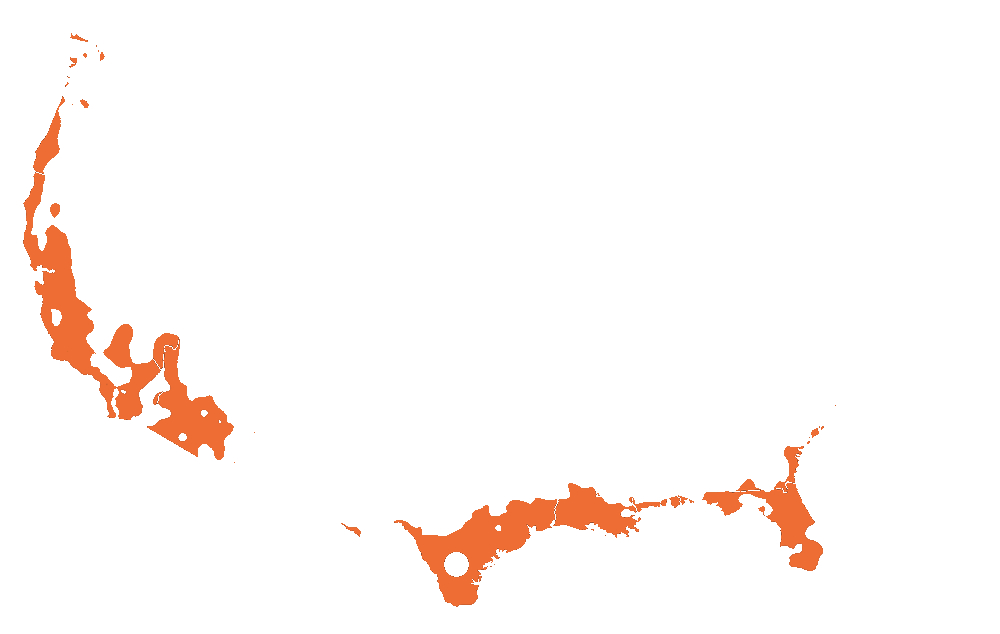
Shaded areas show where this product grows.
USDA Hardiness Zones
A hardiness zone is a geographic area defined by average annual minimum winter temperatures, helping gardeners determine which plants can survive in their region. Developed by the USDA, the 13 numerical zones indicate cold hardiness—for example, a plant "hardy to zone 10" tolerates minimum temperatures of 30 to 40 °F (−1.1 to 4.4 °C).
Grows in zones: 7 - 10
A hardiness zone is a geographic area defined by average annual minimum winter temperatures, helping gardeners determine which plants can survive in their region. Developed by the USDA, the 13 numerical zones indicate cold hardiness—for example, a plant "hardy to zone 10" tolerates minimum temperatures of 30 to 40 °F (−1.1 to 4.4 °C).