American Persimmon
1-2'
$6.95
Ships: 12/01/2026 - 04/01/2027
This product is also part of these bundles:
Description
This product cannot be shipped to California.
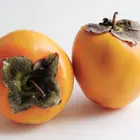
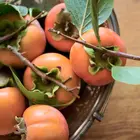
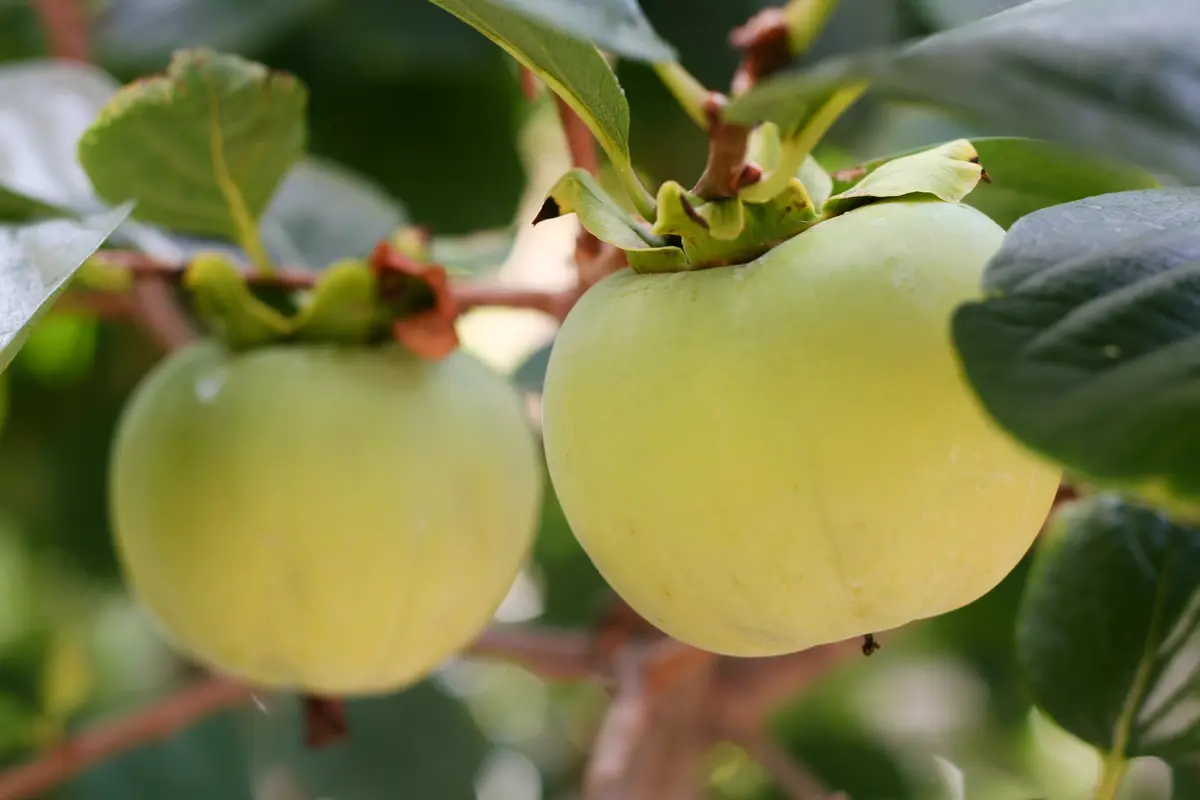
The American Persimmon fruit tree is capable of growing up to 60' tall, often developing a symmetrical, rounded crown. American Persimmon fruit trees will need a pollinator as the trees are considered either male or female. It produces a large crop of edible fruit but also produces valuable timber and is great for bees and therefore for honey production. In the fall when fully ripe, the fruit of the American Persimmon tree has a soft smooth, jelly-like texture and a honey-like sweetness. In addition to its fruit-bearing potential, American Persimmon trees can make an attractive mid-size yard tree. The large drooping leaves give it a soft look, and the dark checkered bark of mature trees provides winter interest. Native Americans loved them, and they are a popular food for wild turkey, mockingbirds, deer, raccoons, foxes, squirrels, and other wildlife. A grouping of several trees can make a good wildlife planting. The tree is tough and adaptable, grows rapidly, and its deep tap root gives it good drought resistance. It can survive in shade, but grows and fruits best in sun. Young American Persimmon trees planted in good soil and a sunny location can begin fruiting in about 6-8 years.
Characteristics
| Bloom Color | Creamy-White to Yellowish-Green |
| Bloom Time | Late Spring - Early Summer |
| Fruit Color | Orange-Red |
| Fruit Size | Small |
| Hardiness Zone Range | 5 - 9 |
| Pollination | Needs Pollinator. (Multiple Plants Required) |
| Ripens/Harvest | Late Fall |
| Shade/Sun | Full Sun to Part Shade |
| Soil Composition | Sandy, loamy, and well-draining |
| Soil Moisture | Water weekly |
| Soil pH Level | 6.0-7.0 |
| Taste | Sweet when fully ripe |
| Texture | Soft |
| Years to Bear | 4-9 years |
Zones
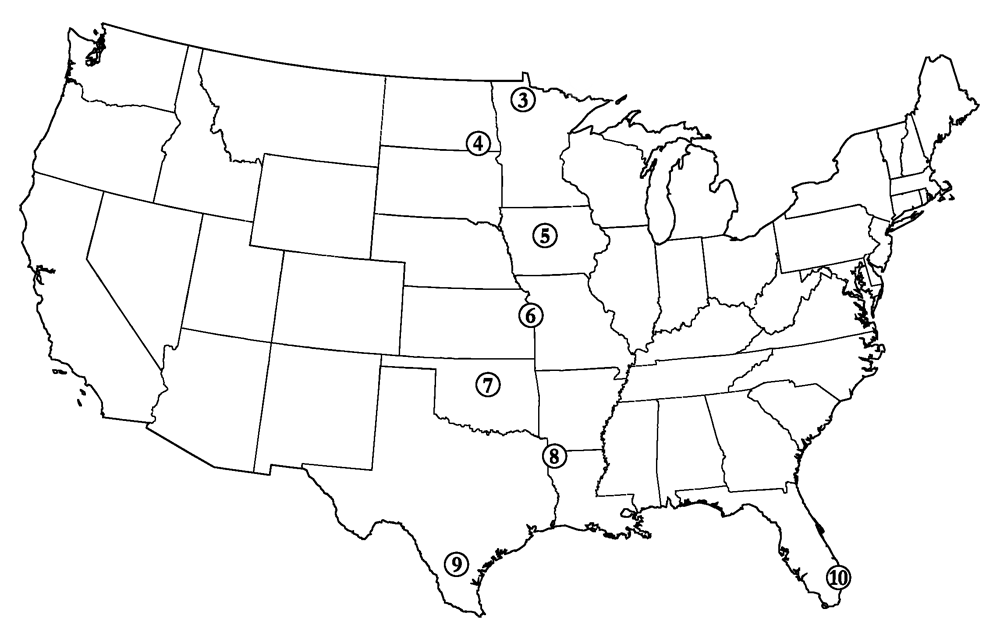
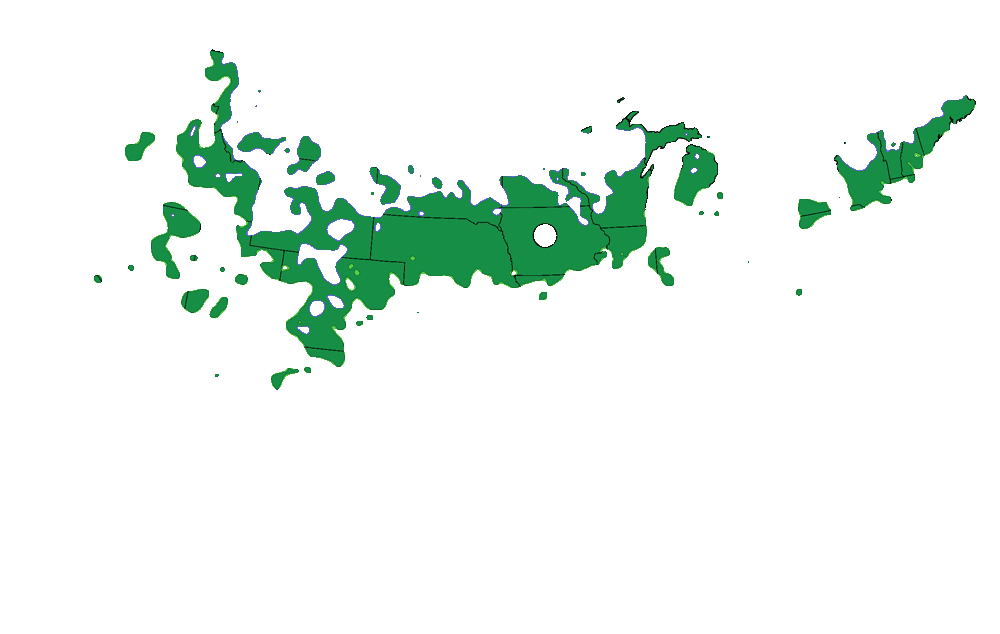
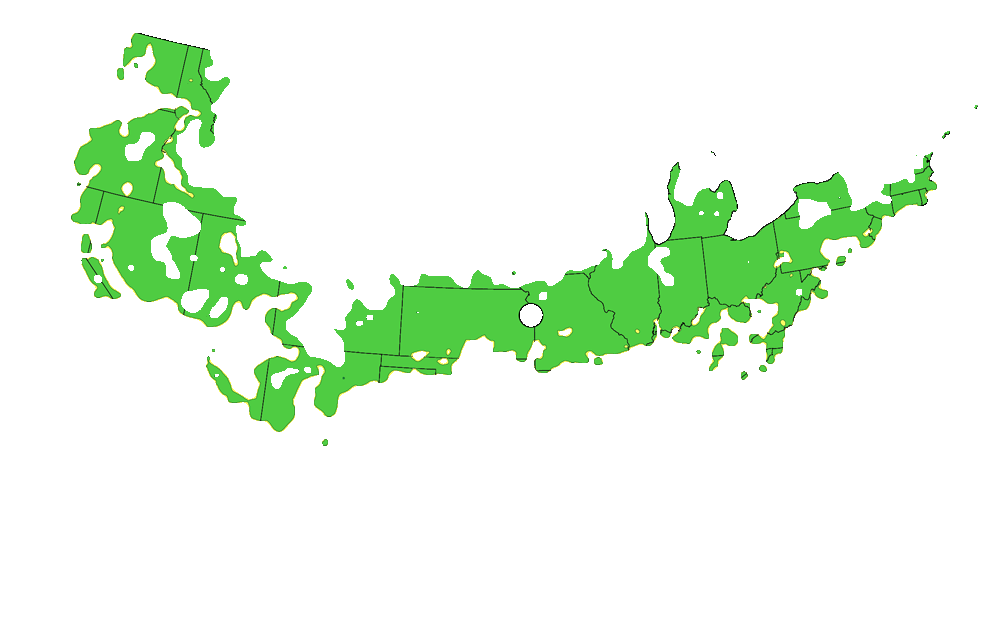
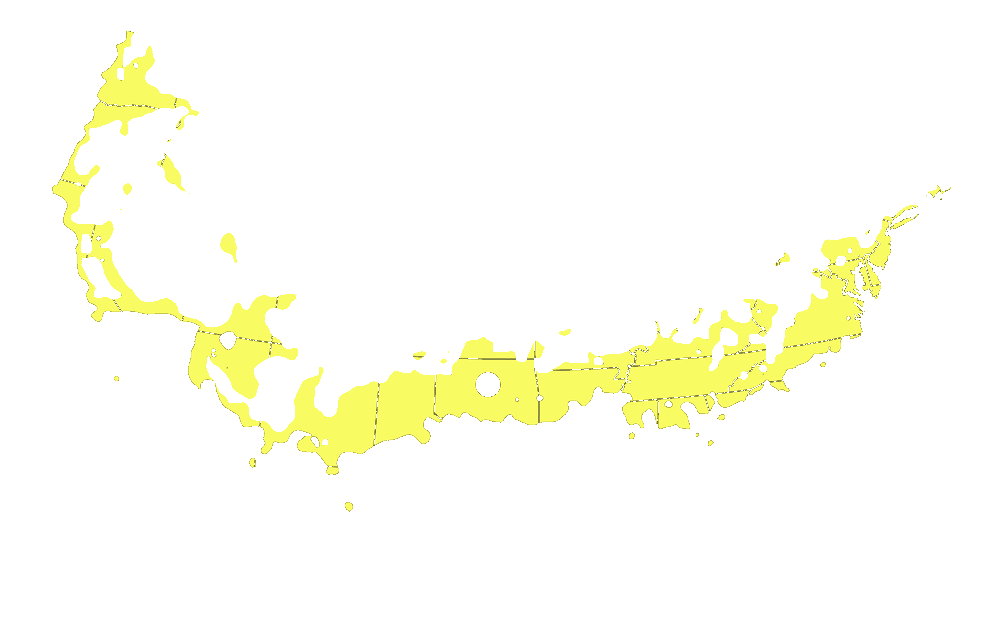
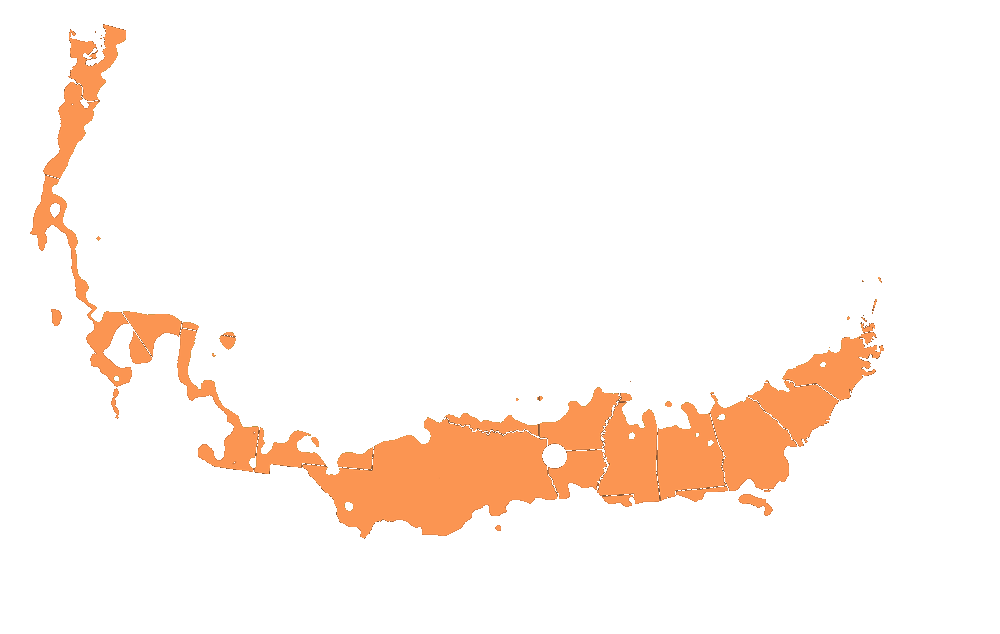
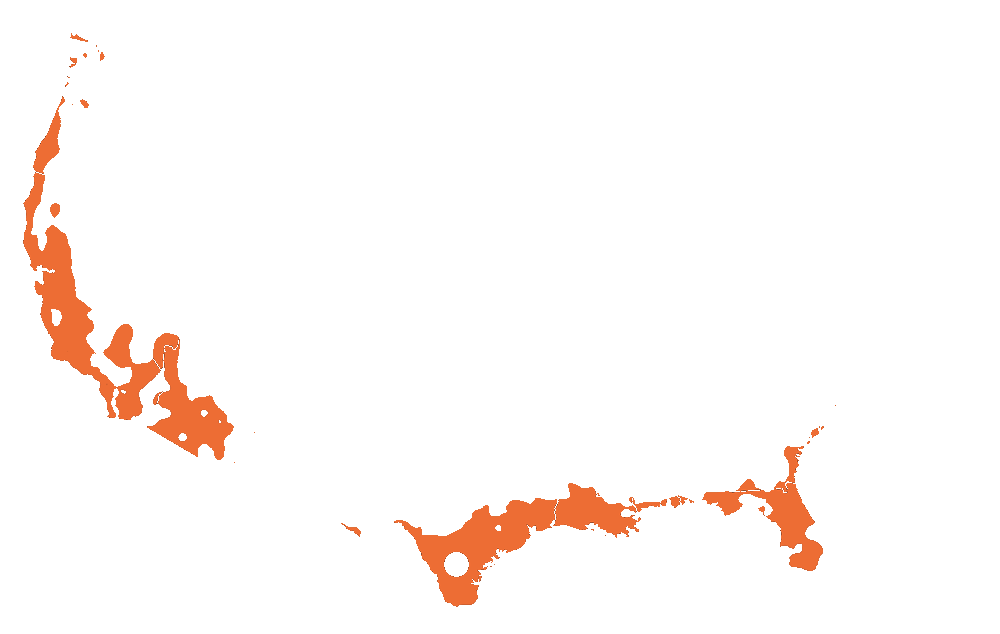
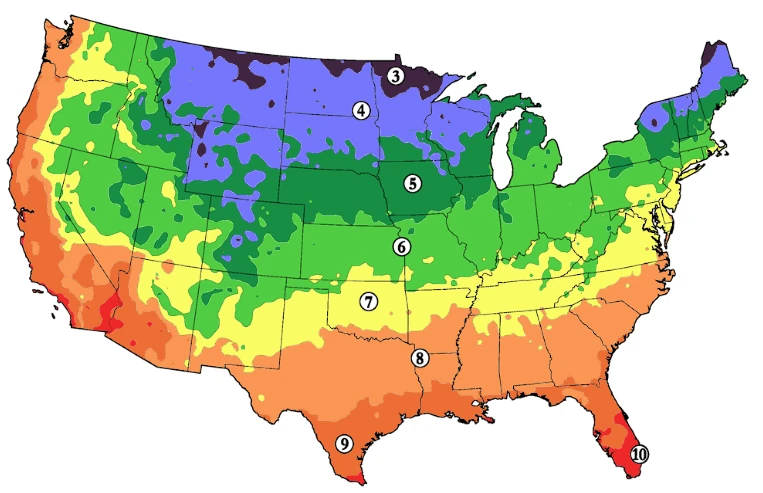
Shaded areas show where this product grows.
USDA Hardiness Zones
A hardiness zone is a geographic area defined by average annual minimum winter temperatures, helping gardeners determine which plants can survive in their region. Developed by the USDA, the 13 numerical zones indicate cold hardiness—for example, a plant "hardy to zone 10" tolerates minimum temperatures of 30 to 40 °F (−1.1 to 4.4 °C).
Grows in zones: 5 - 9
A hardiness zone is a geographic area defined by average annual minimum winter temperatures, helping gardeners determine which plants can survive in their region. Developed by the USDA, the 13 numerical zones indicate cold hardiness—for example, a plant "hardy to zone 10" tolerates minimum temperatures of 30 to 40 °F (−1.1 to 4.4 °C).