
Saucer Magnolia
Magnolia × soulangeana
+/-2'
$28.95
Ships: 12/01/2026 - 03/15/2027
Description
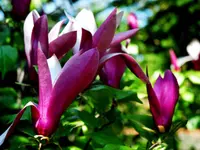
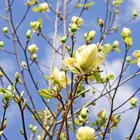
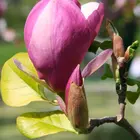
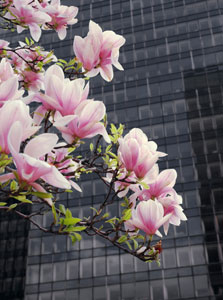
The Saucer Magnolia, also known as the Japanese or Oriental Magnolia, is a beautiful deciduous tree, with a large saucer-shaped creamy-white bloom that is purplish-pink on the outside. It can grow to be 20 to 30 feet tall, and blooms in the early Spring. Buy Saucer Magnolia Trees for sale at Willis Orchards!
Characteristics
| Bloom Color | Pinkish-Purple with white interior |
| Bloom Time | Early Spring |
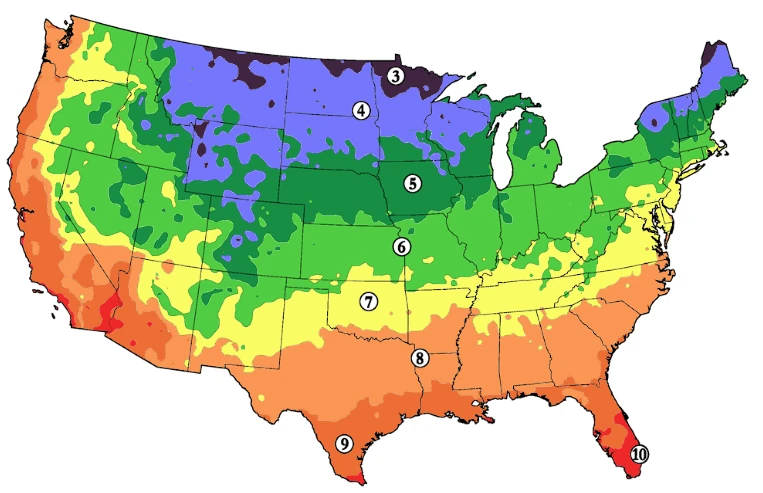
| Hardiness Zone Range | 5 - 9 |
| Shade/Sun | Full Sun to Part Shade |
| Soil Composition | Rich, loamy, and well-draining |
| Soil Moisture | When Young; water weekly - Mature Plants; Occasional Deep Watering |
| Soil pH Level | 5.5-6.5 |
| Mature Width | 20-30 Feet |
| Mature Height | 20-30 Feet |
Pricing
| Size | Price | Ships |
|---|---|---|
|
+/-2'
|
$28.95 | 12/01/2026 - 03/15/2027 |
|
+/-3' (Blooming Size)
|
$34.95 | 12/01/2026 - 03/15/2027 |
|
+/-4' (Blooming Size)
|
$54.95 | 12/01/2026 - 03/15/2027 |
|
+/-5' (More Blooms Size)
|
$74.95 | 12/01/2026 - 03/15/2027 |
|
+/-6' (More Blooms Size)
|
$94.95 | 12/01/2026 - 03/15/2027 |
Zones
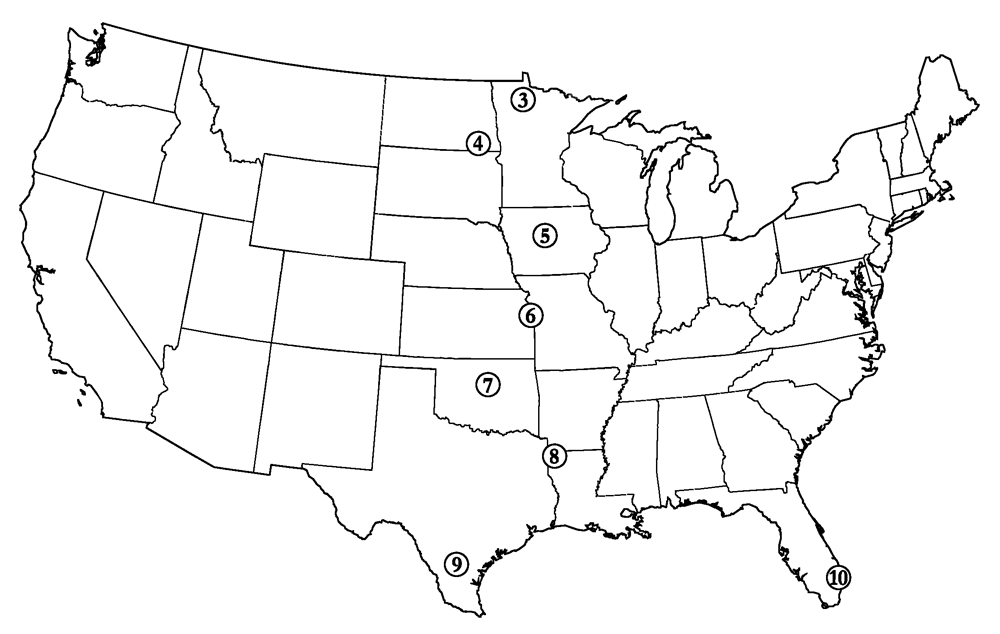
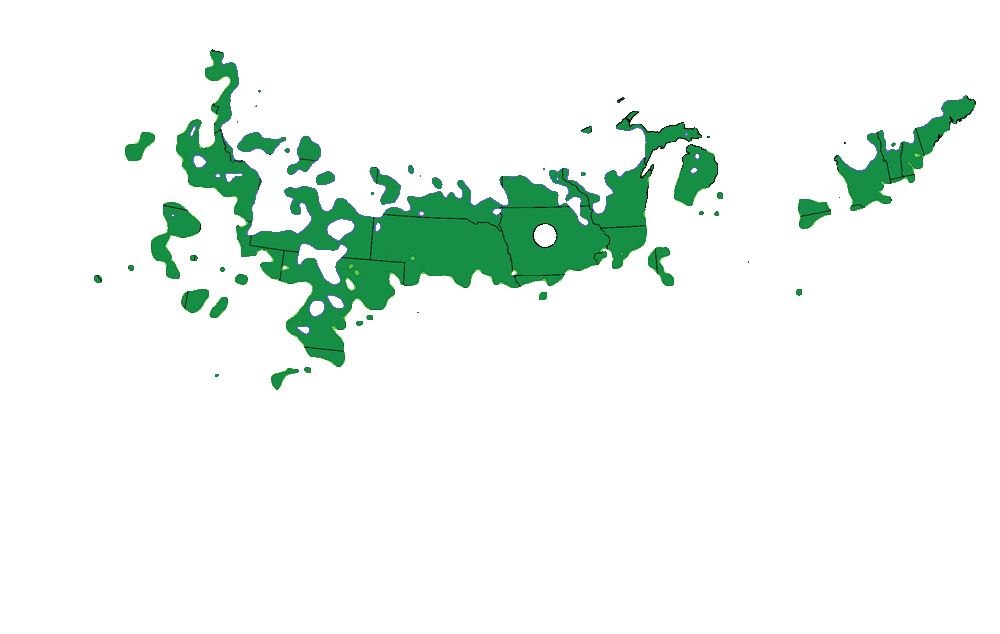
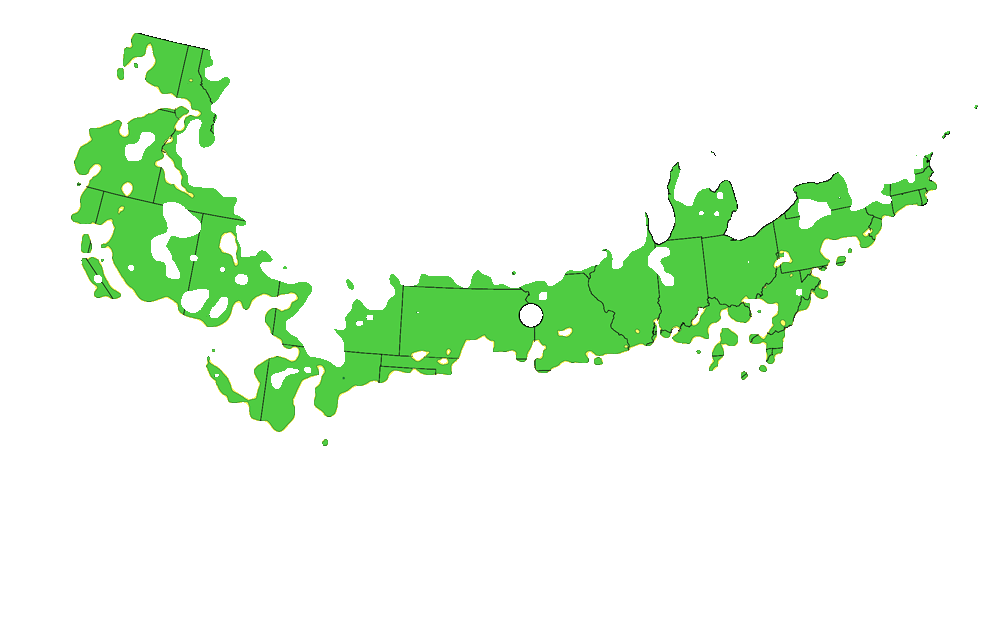
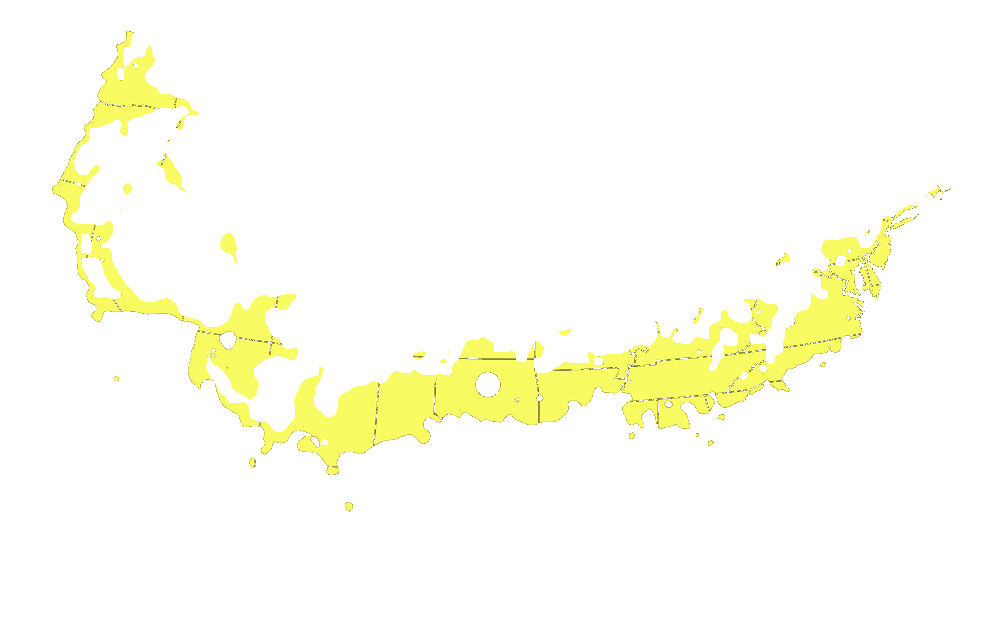
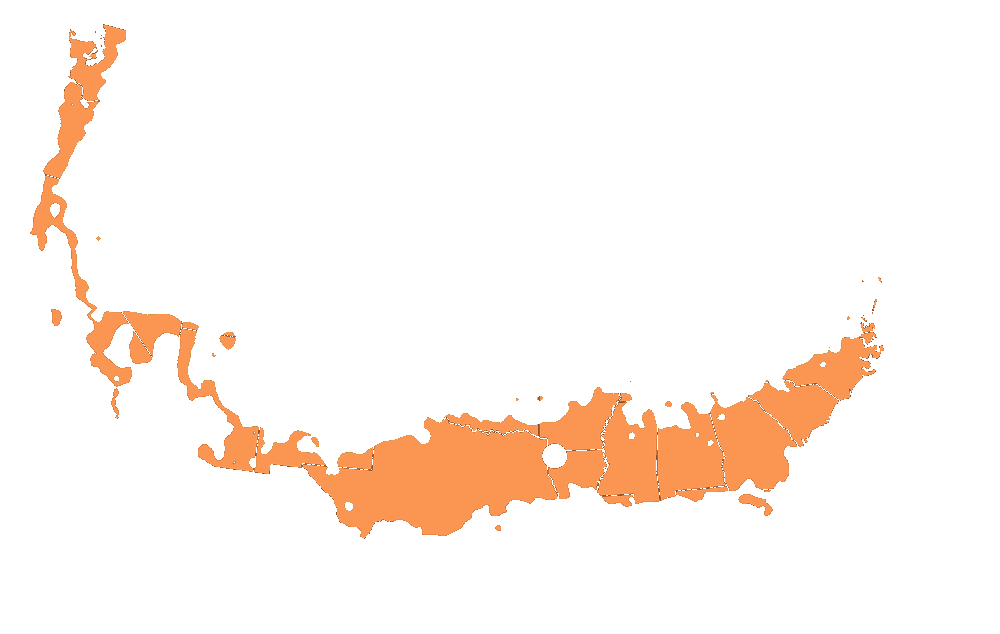
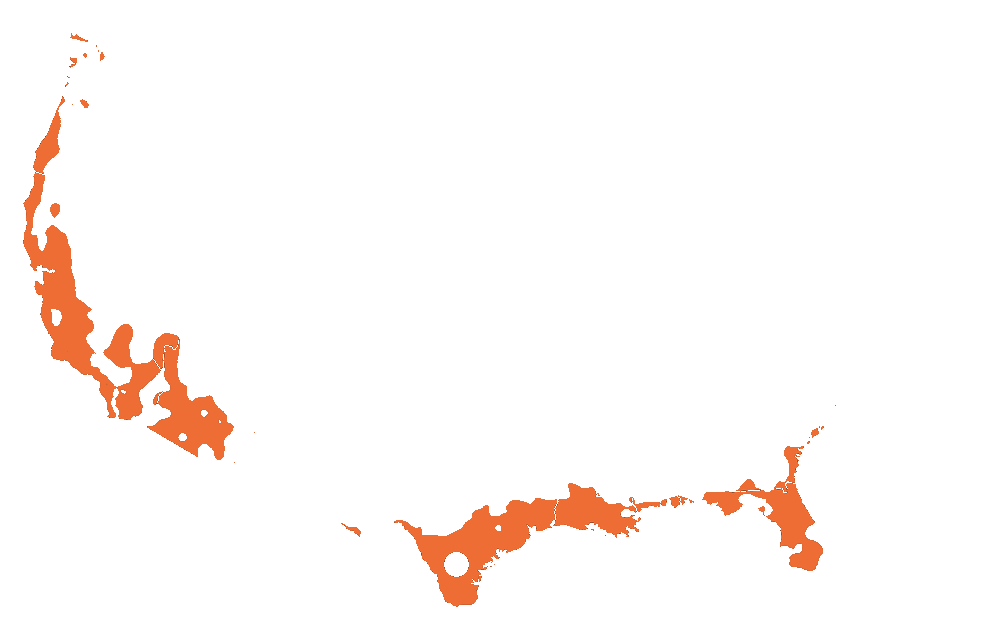
Shaded areas show where this product grows.
USDA Hardiness Zones
A hardiness zone is a geographic area defined by average annual minimum winter temperatures, helping gardeners determine which plants can survive in their region. Developed by the USDA, the 13 numerical zones indicate cold hardiness—for example, a plant "hardy to zone 10" tolerates minimum temperatures of 30 to 40 °F (−1.1 to 4.4 °C).
Grows in zones: 5 - 9
A hardiness zone is a geographic area defined by average annual minimum winter temperatures, helping gardeners determine which plants can survive in their region. Developed by the USDA, the 13 numerical zones indicate cold hardiness—for example, a plant "hardy to zone 10" tolerates minimum temperatures of 30 to 40 °F (−1.1 to 4.4 °C).