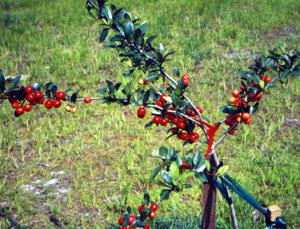
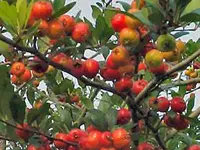
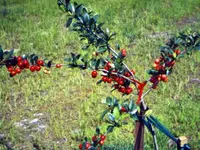
Mason's Superberry Mayhaw Tree
6-10" (1yr. seedling)
$6.95
Ships: 12/01/2026 - 03/15/2027
Description
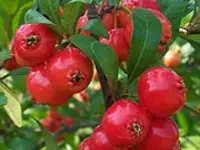
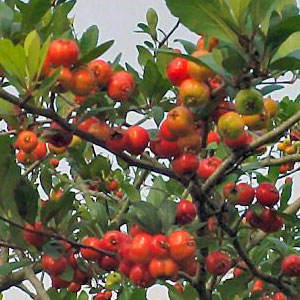
A widely grown cultivar, the Mason's Superberry produces a large, round, red fruit. The red fruit tree berries are of excellent quality and when ripe may hang on the tree for a very long time. This attribute is very desirable for its ornamental value and long harvest period. Mason's Superberry is the earliest flowering variety which offers rich, delicious red mayhaws in early May. Buy Mayhaw Trees for sale today.
Characteristics
| Bloom Color | White |
| Bloom Time | Early Spring |
| Fruit Color | Red |
| Fruit Size | 0.5-1 inch diameter |
| Hardiness Zone Range | 6 - 10 |
| Pollination | Partially Self Fertile |
| Ripens/Harvest | April - May |
| Shade/Sun | Full Sun |
| Soil Composition | Sandy Loam |
| Soil Moisture | Moist |
| Soil pH Level | 4.5-6 |
| Taste | Tart |
| Texture | Firm |
| Years to Bear | 6-8 |
Pricing
| Size | Price | Ships |
|---|---|---|
|
6-10" (1yr. seedling)
|
$6.95 | 12/01/2026 - 03/15/2027 |
|
+/-1'
|
$9.95 | 12/01/2026 - 03/15/2027 |
|
+/-2'
|
$14.95 | 12/01/2026 - 03/15/2027 |
|
+/-3'
|
$39.95 | 12/01/2026 - 03/15/2027 |
|
4-5'
|
$44.95 | 12/01/2026 - 03/15/2027 |
|
5-6'
|
$59.95 | 12/01/2026 - 03/15/2027 |
|
6-7'
|
$74.95 | 12/01/2026 - 03/15/2027 |
Zones
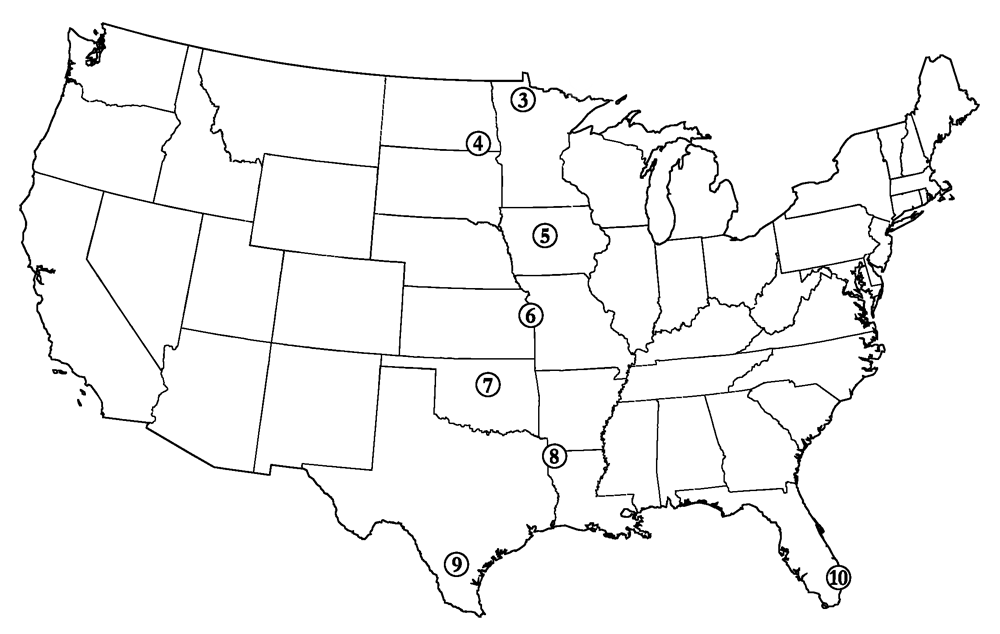
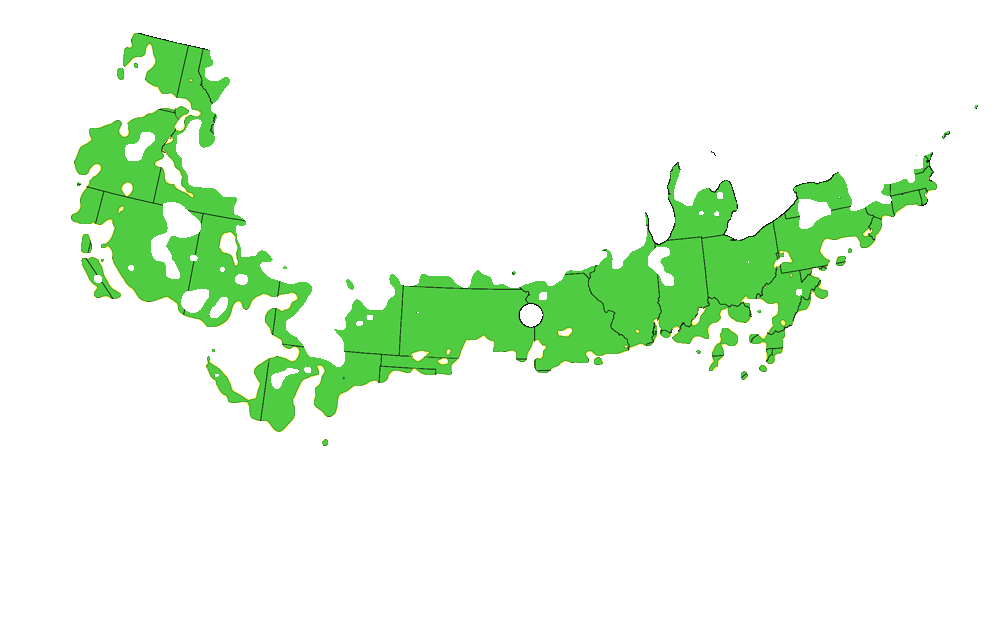
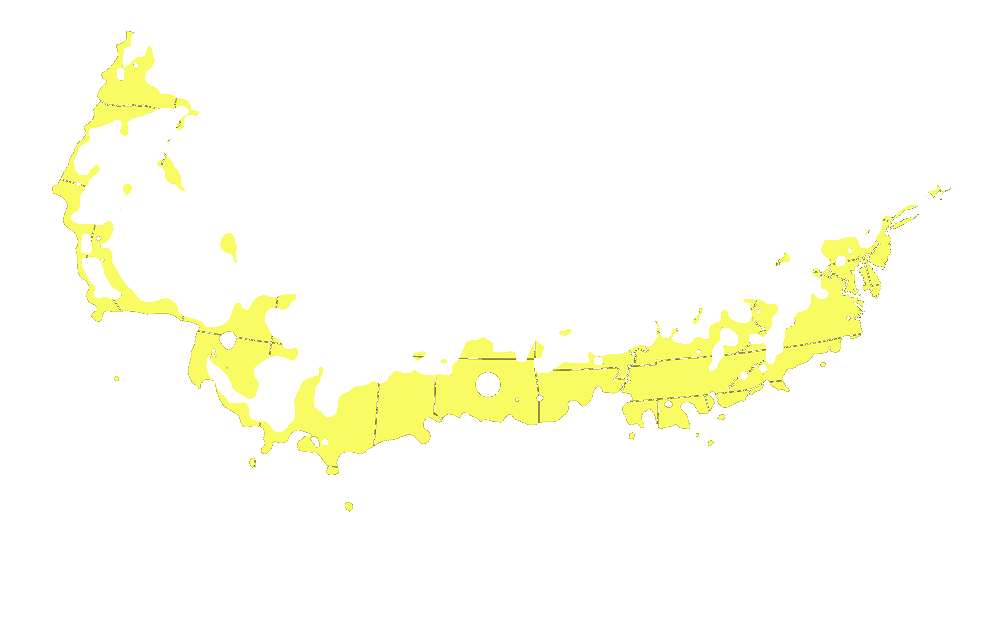
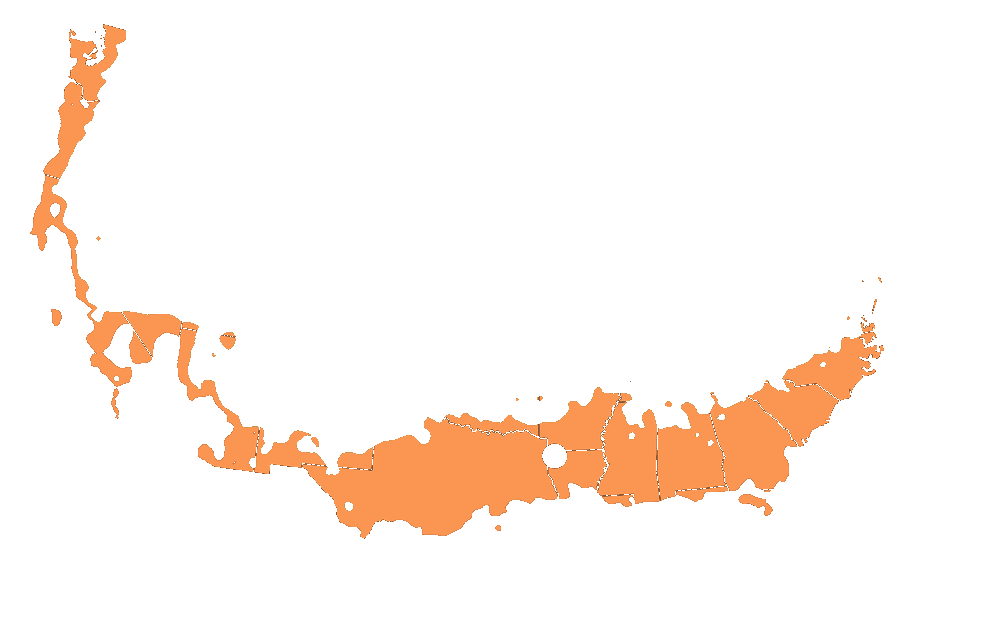
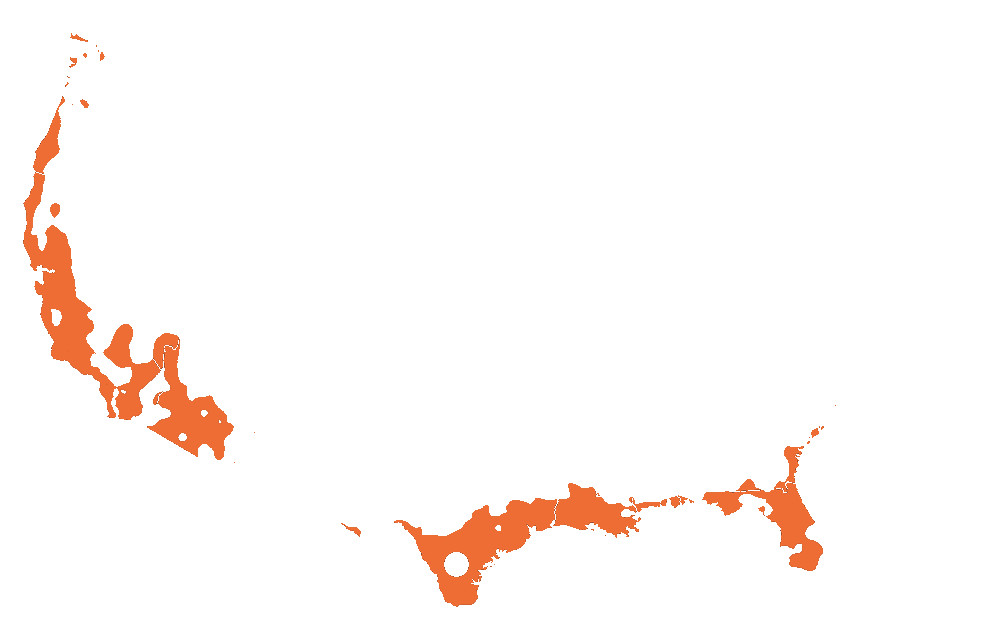
Shaded areas show where this product grows.
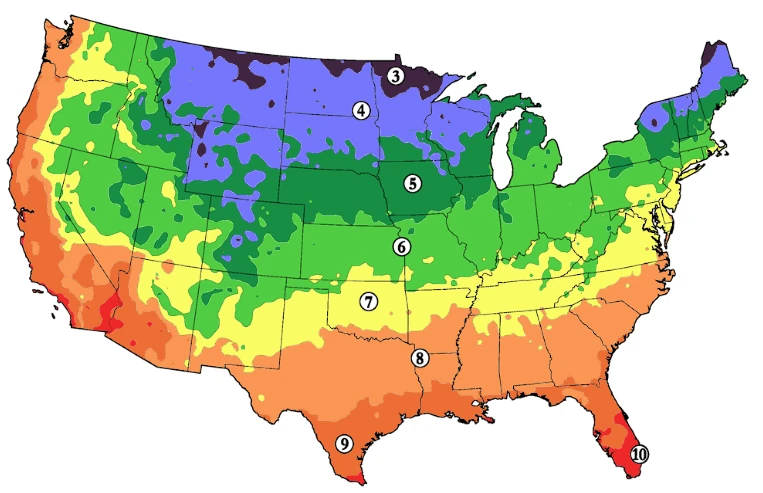
USDA Hardiness Zones
A hardiness zone is a geographic area defined by average annual minimum winter temperatures, helping gardeners determine which plants can survive in their region. Developed by the USDA, the 13 numerical zones indicate cold hardiness—for example, a plant "hardy to zone 10" tolerates minimum temperatures of 30 to 40 °F (−1.1 to 4.4 °C).
Grows in zones: 6 - 10
A hardiness zone is a geographic area defined by average annual minimum winter temperatures, helping gardeners determine which plants can survive in their region. Developed by the USDA, the 13 numerical zones indicate cold hardiness—for example, a plant "hardy to zone 10" tolerates minimum temperatures of 30 to 40 °F (−1.1 to 4.4 °C).