Reliable Mayhaw Tree
6-10" (1yr. seedling)
$6.95
Ships: 12/01/2026 - 03/15/2027
Description
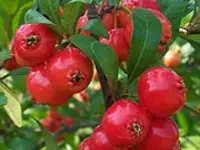
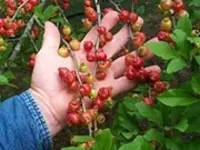
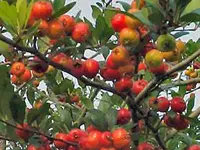
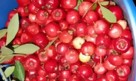
The Reliable Mayhaw Tree is another select cultivar that flowers fairly late and produces a reliable heavy crop. The berries of the mayhaw fruit tree are very large and of excellent quality. The fruits are bright red and very attractive on the tree and on a biscuit or toast. The excellent quality fruit has been used in the deep south for wine, jelly, and jam. This mayhaw fruit tree is prized for both its flavor and ornamental appeal. Add ornamental appeal to your landscape with our reliable mayhaw trees for sale.
Characteristics
| Bloom Color | White |
| Bloom Time | Early Spring |
| Fruit Color | Red |
| Fruit Size | 0.5-1 inch diameter |
| Hardiness Zone Range | 6 - 10 |
| Pollination | Partially Self Fertile |
| Ripens/Harvest | April - May |
| Shade/Sun | Full Sun |
| Soil Composition | Sandy Loam |
| Soil Moisture | Moist |
| Soil pH Level | 4.5-6 |
| Taste | Tart |
| Texture | Firm |
| Years to Bear | 6-8 |
Pricing
| Size | Price | Ships |
|---|---|---|
|
6-10" (1yr. seedling)
|
$6.95 | 12/01/2026 - 03/15/2027 |
|
+/-1'
|
$9.95 | 12/01/2026 - 03/15/2027 |
|
+/-2'
|
$14.95 | 12/01/2026 - 03/15/2027 |
|
+/-3'
|
$39.95 | 12/01/2026 - 03/15/2027 |
|
4-5'
|
$44.95 | 12/01/2026 - 03/15/2027 |
|
5-6'
|
$59.95 | 12/01/2026 - 03/15/2027 |
|
6-7'
|
$74.95 | 12/01/2026 - 03/15/2027 |
Zones
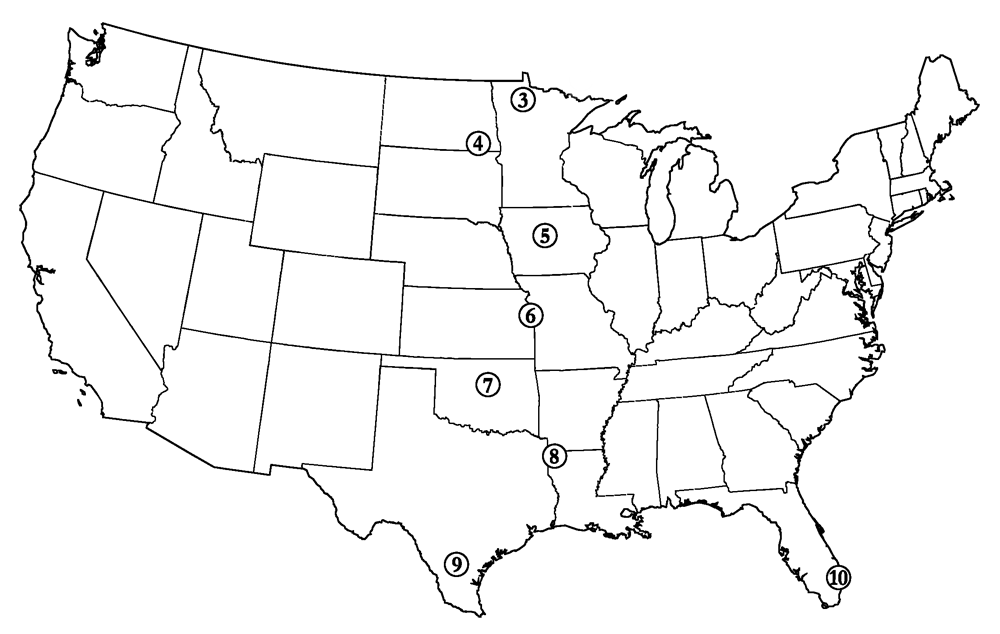
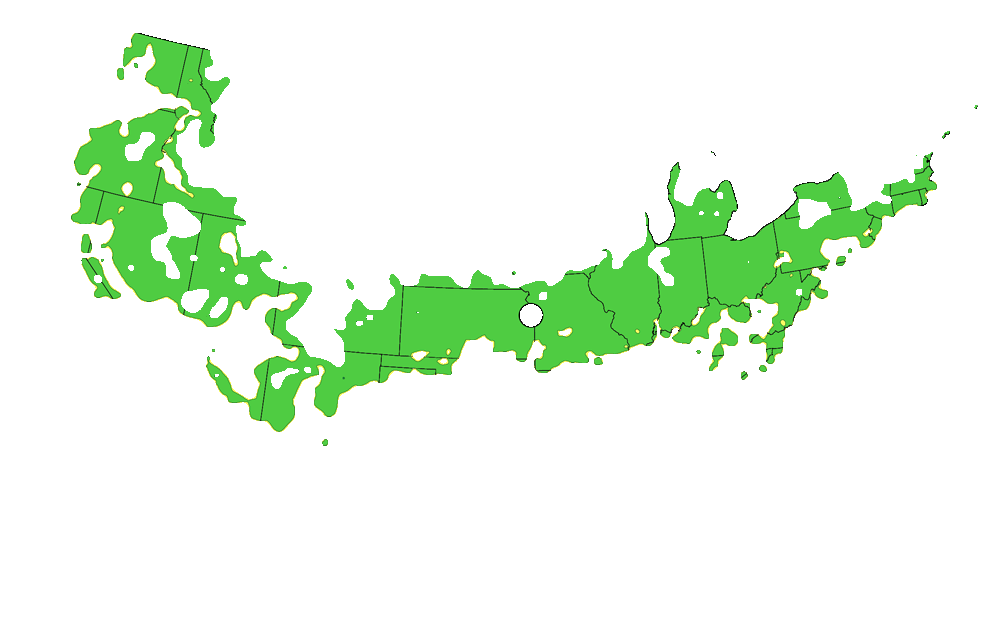
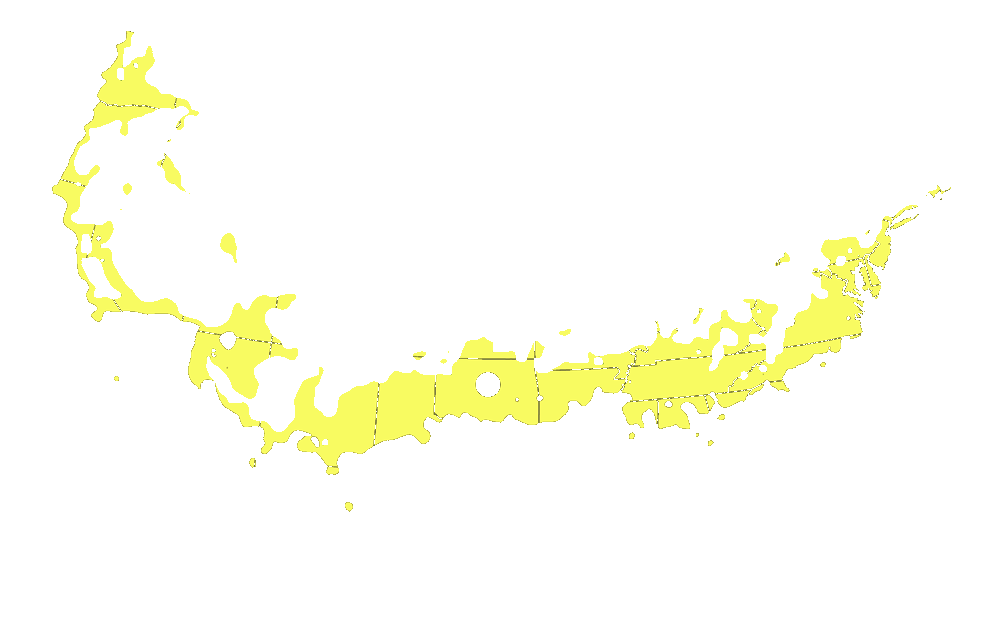
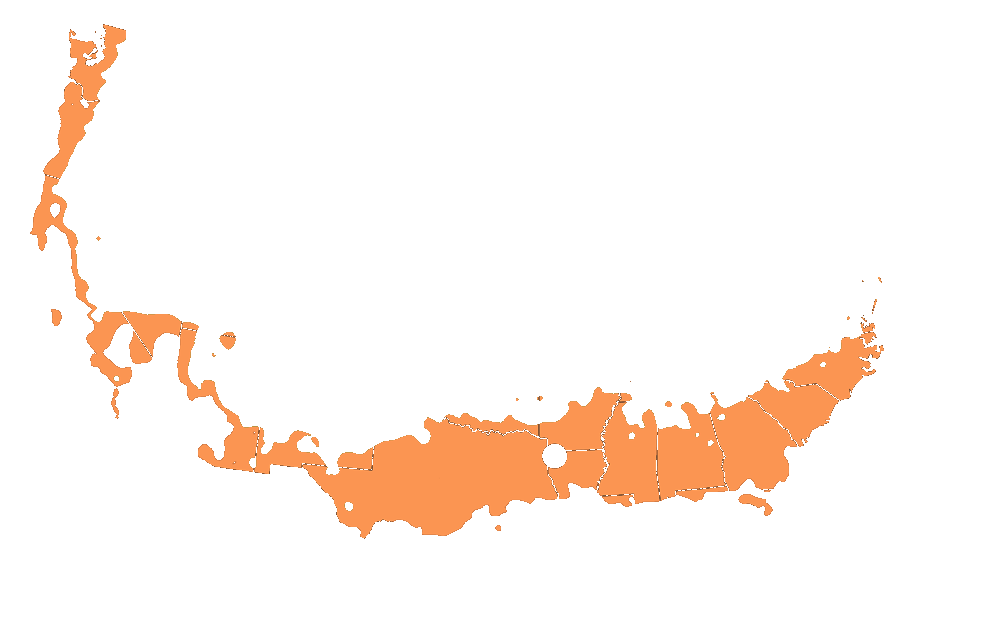
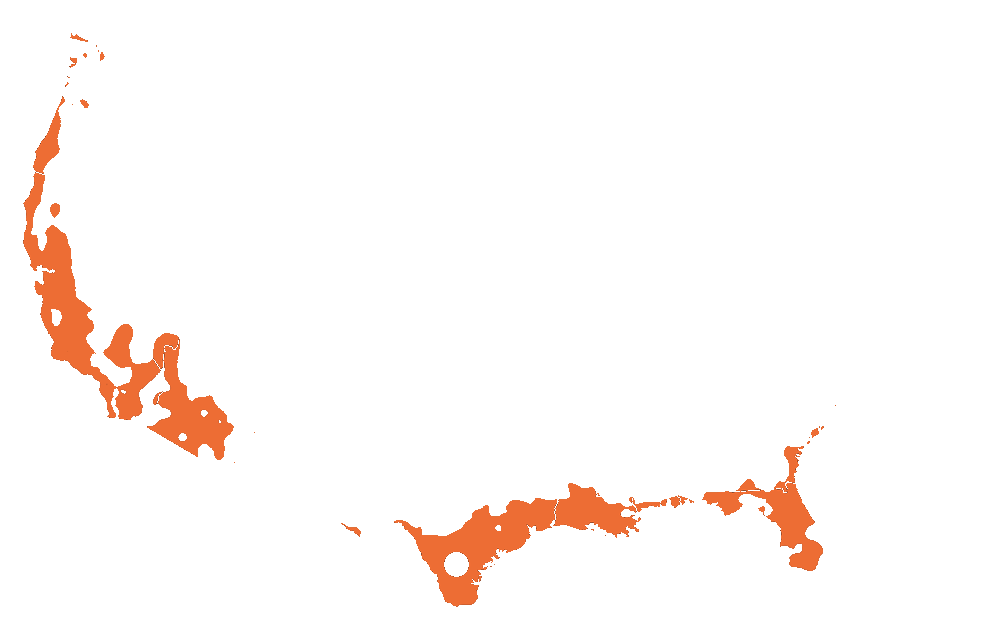
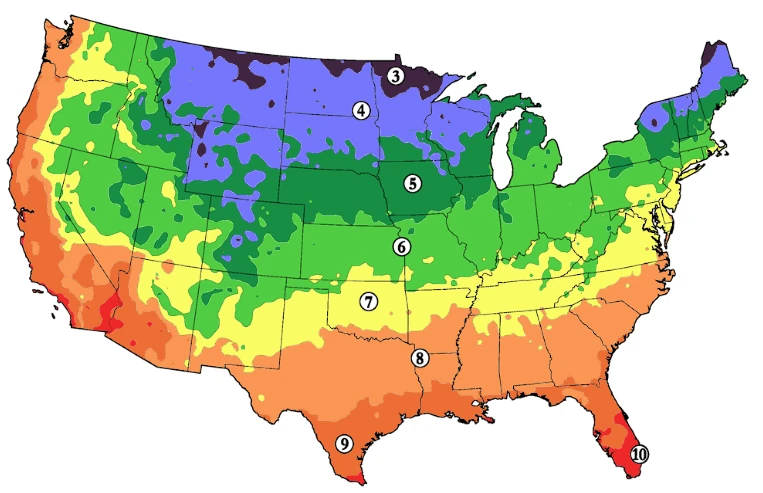
Shaded areas show where this product grows.
USDA Hardiness Zones
A hardiness zone is a geographic area defined by average annual minimum winter temperatures, helping gardeners determine which plants can survive in their region. Developed by the USDA, the 13 numerical zones indicate cold hardiness—for example, a plant "hardy to zone 10" tolerates minimum temperatures of 30 to 40 °F (−1.1 to 4.4 °C).
Grows in zones: 6 - 10
A hardiness zone is a geographic area defined by average annual minimum winter temperatures, helping gardeners determine which plants can survive in their region. Developed by the USDA, the 13 numerical zones indicate cold hardiness—for example, a plant "hardy to zone 10" tolerates minimum temperatures of 30 to 40 °F (−1.1 to 4.4 °C).