Cape Fear Pecan Tree
2-3' (Grafted)
$39.95
Ships: 12/15/2026 - 04/01/2027
Description
This product cannot be shipped to California.
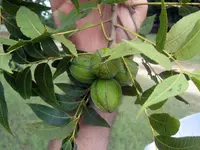
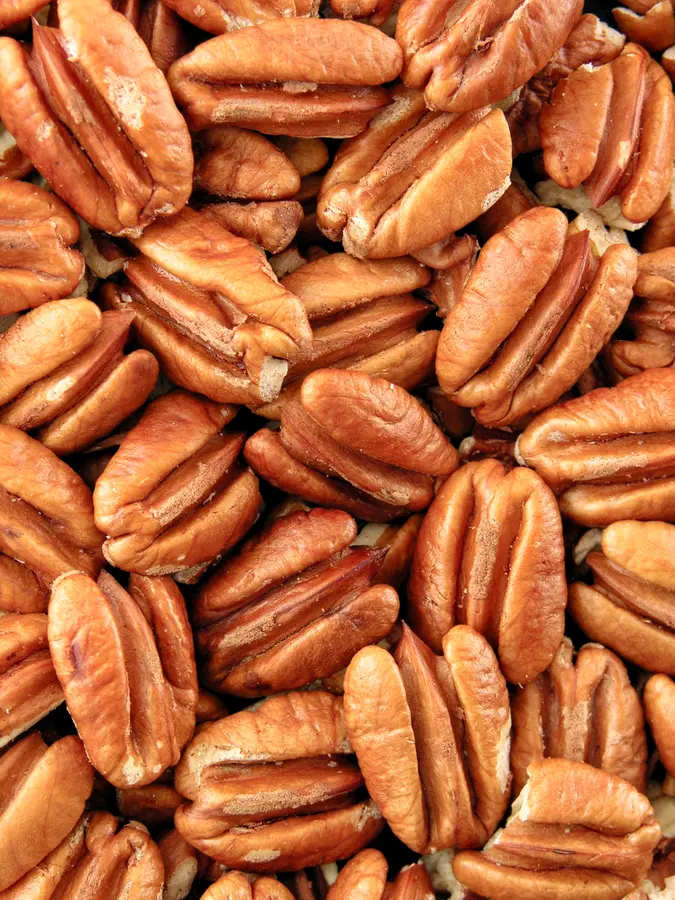
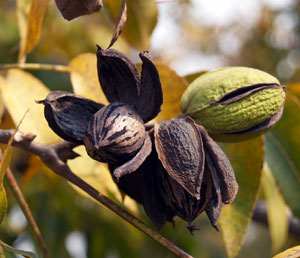
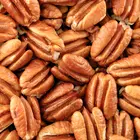
The Cape Fear Pecan tree originated in North Carolina. It is protandrous (Type 1) and typically starts bearing at a young age. Pollen shedding in 'Cape Fear' is very early. 'Elliott' or 'Stuart' are fair pollinizers for 'Cape Fear' and vice versa. Cape Fear Pecan trees are vigorous and upright with an opened growth habit. It is a strong grafted pecan tree with a deep taproot. 'Cape Fear' has been a consistent producer at the North Florida Research Center in Monticello. Nut weight is typically 7.5 to 8.2 g (58 nuts per pound) with a 55% kernel. Kernel color is light and attractive. Nut shape is broad oval to oblong. Shell thickness is medium-thin. Resistance to scab is good, and resistance to other leaf diseases is fair.
Characteristics
| Bloom Color | Yellowish-Green |
| Bloom Time | Late Spring |
| Fruit Color | Copper-Brown w/Black Streaks |
| Fruit Size | 1-2 inches long |
| Hardiness Zone Range | 6 - 9 |
| Pollination | Requires Type 2 Pollinator |
| Ripens/Harvest | October - November |
| Shade/Sun | Full Sun |
| Soil Composition | Sandy Loam |
| Soil Moisture | Moist / Well Draining |
| Soil pH Level | 6.0-7.0 |
| Taste | Rich & Buttery |
| Texture | Tender & Smooth |
| Years to Bear | 4-10 |
Pricing
Zones
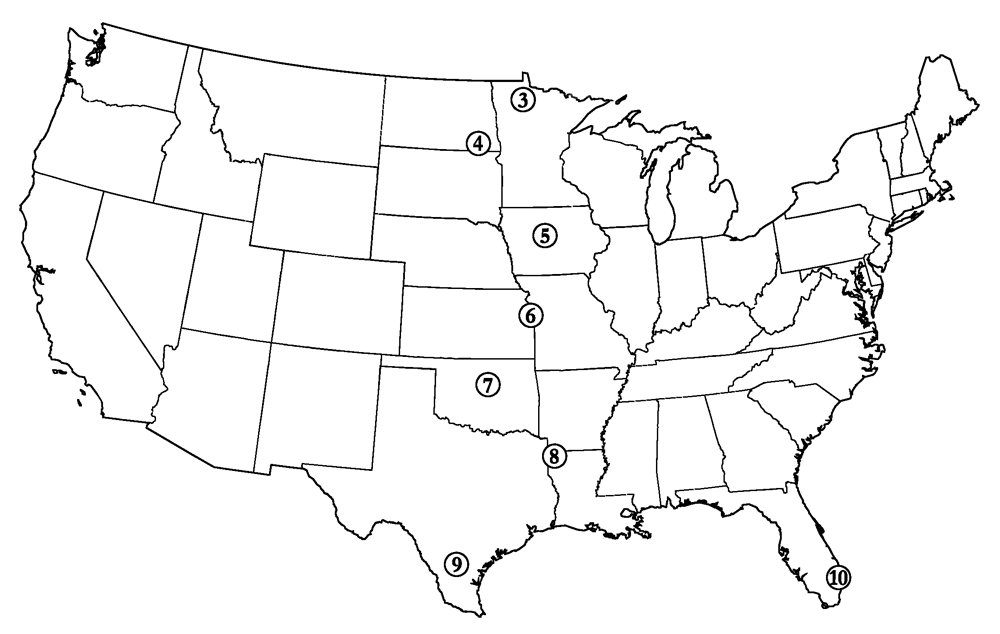
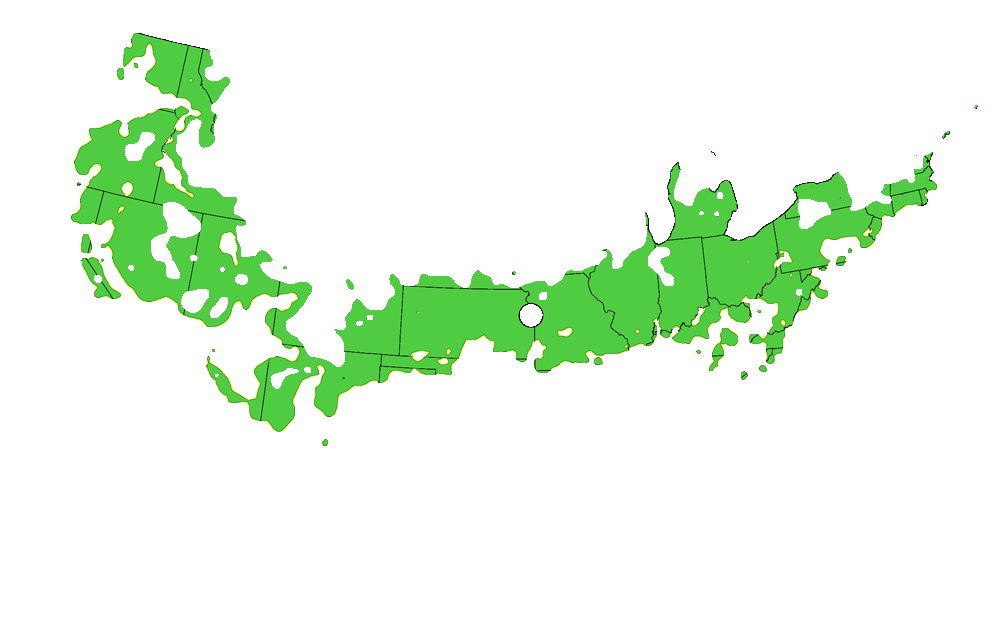
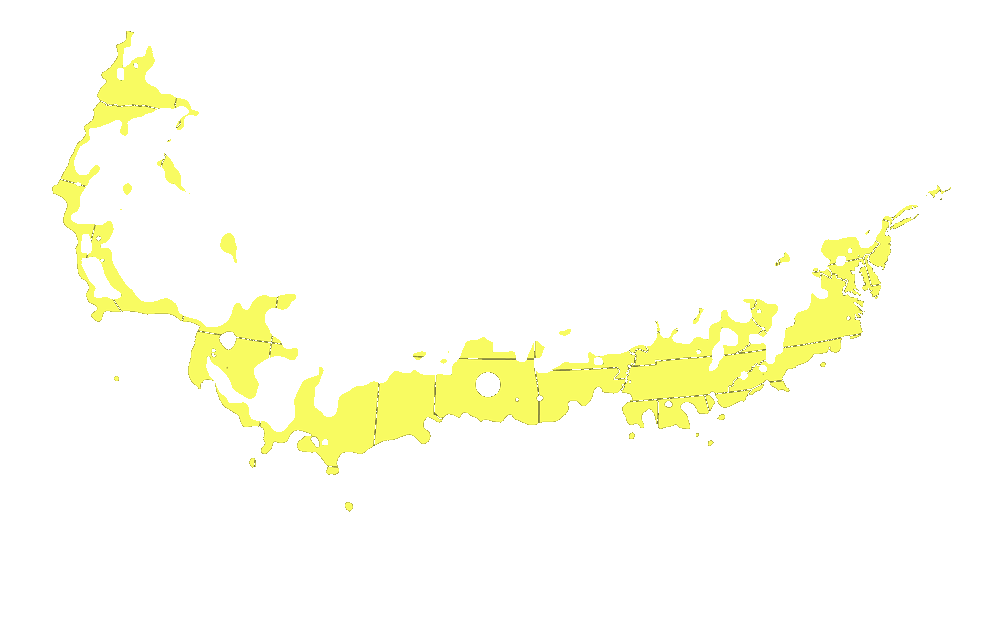
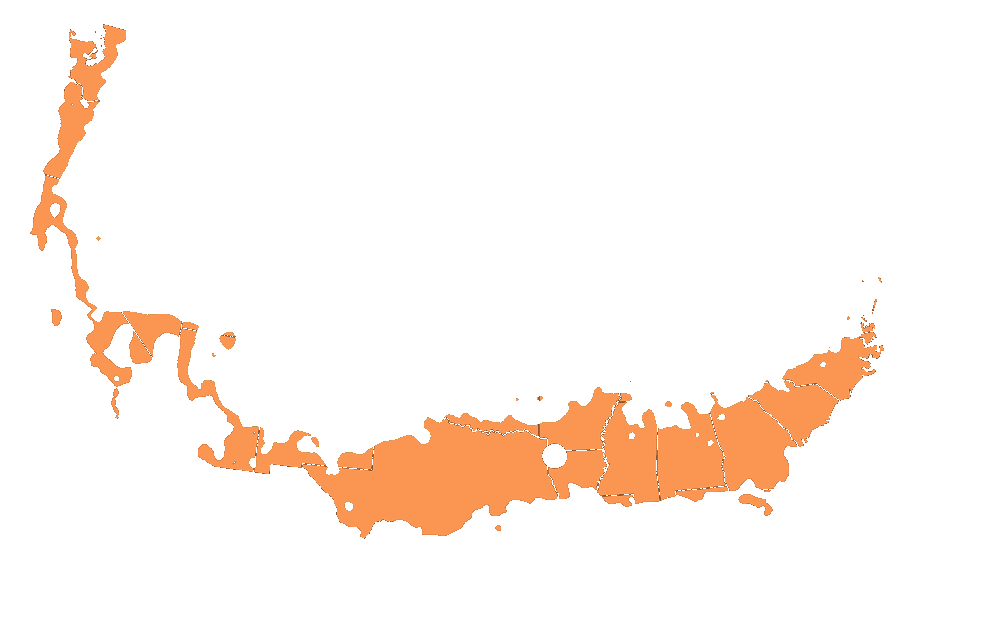
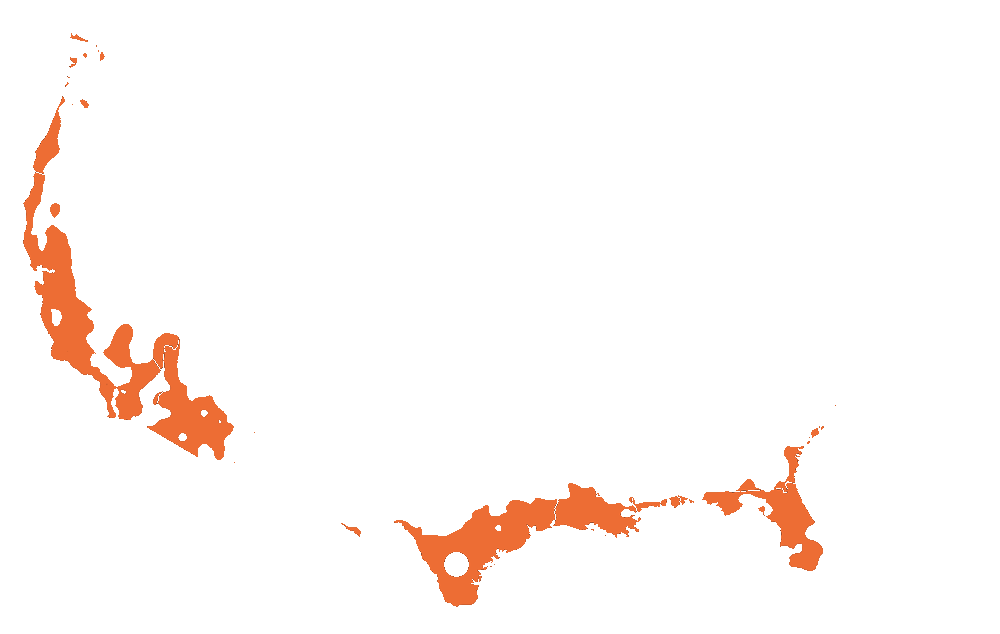
Shaded areas show where this product grows.
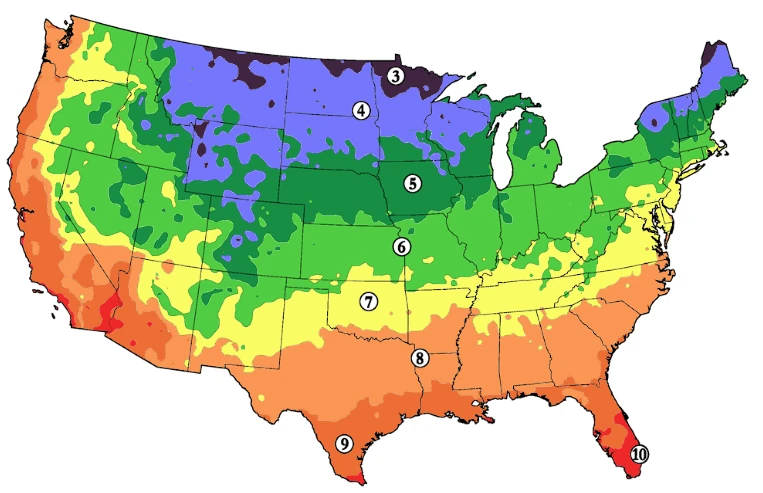
USDA Hardiness Zones
A hardiness zone is a geographic area defined by average annual minimum winter temperatures, helping gardeners determine which plants can survive in their region. Developed by the USDA, the 13 numerical zones indicate cold hardiness—for example, a plant "hardy to zone 10" tolerates minimum temperatures of 30 to 40 °F (−1.1 to 4.4 °C).
Grows in zones: 6 - 9
A hardiness zone is a geographic area defined by average annual minimum winter temperatures, helping gardeners determine which plants can survive in their region. Developed by the USDA, the 13 numerical zones indicate cold hardiness—for example, a plant "hardy to zone 10" tolerates minimum temperatures of 30 to 40 °F (−1.1 to 4.4 °C).