Allegheny Chinquapin Tree
6-10" (Authentic Product)
$5.95
Ships: 12/01/2026 - 04/01/2027
This product is also part of these bundles:
Description
This product cannot be shipped to California.
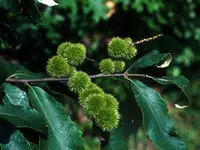
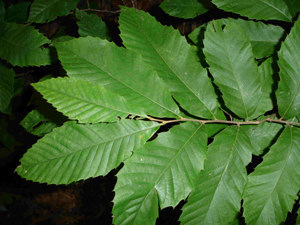
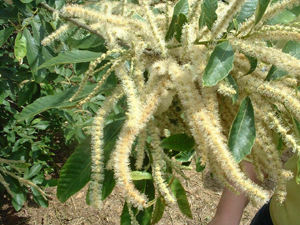
Our Allegheny Chinquapin tree (Castanea pumila) for sale is a beautiful growing tree, with long green leaves that accent its features. The Allegheny is able to grow up to about 30 feet tall with older trees, and can get to about 8 inches in diameter. Allegheny Chinquapin trees generally will produce nuts around 3 or 4 years old.
Characteristics
| Bloom Color | Male & Female Flowers; Greenish-White |
| Bloom Time | Late Spring - Early Summer |
| Fruit Color | Brown |
| Fruit Size | 0.5-1 inch diameter |
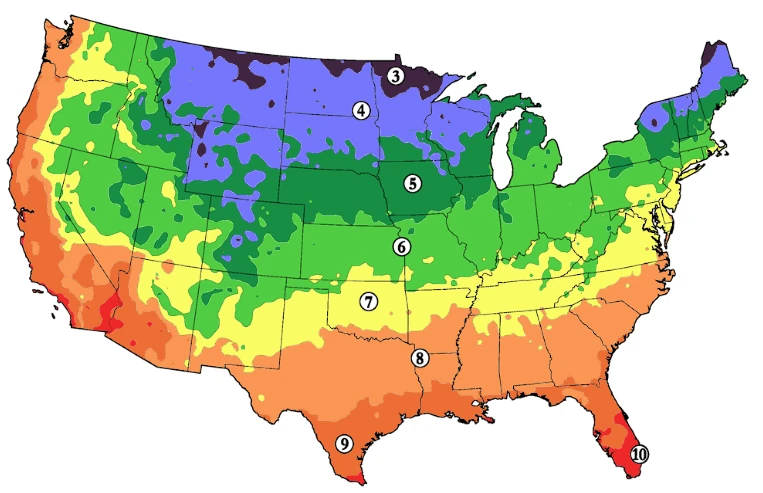
| Hardiness Zone Range | 5 - 9 |
| Pollination | Requires Pollinator |
| Ripens/Harvest | August - October |
| Shade/Sun | Full Sun |
| Soil Composition | Loam or Sandy |
| Soil Moisture | Well Draining |
| Soil pH Level | 4.5-6.5 |
| Taste | Sweet & Rich |
| Texture | Crisp & Floury |
| Years to Bear | 3-5 |
Pricing
| Size | Price | Ships |
|---|---|---|
|
6-10" (Authentic Product)
|
$5.95 | 12/01/2026 - 04/01/2027 |
|
10-12" Tall (Authentic Product)(Sale Price)
|
$9.95 | 12/01/2026 - 04/01/2027 |
|
18-24" Tall (Authentic Product)
|
$19.95 | 12/01/2026 - 04/01/2027 |
|
+/-3' Tall (Authentic Product)
|
$74.95 | 12/01/2026 - 04/01/2027 |
|
5-6' Tall (Fruiting Size)(Authentic Product)
|
$79.95 | 12/01/2026 - 04/01/2027 |
|
6-7' Tall (Fruiting Size)(Authentic Product)
|
$99.95 | 12/01/2026 - 04/01/2027 |
Zones
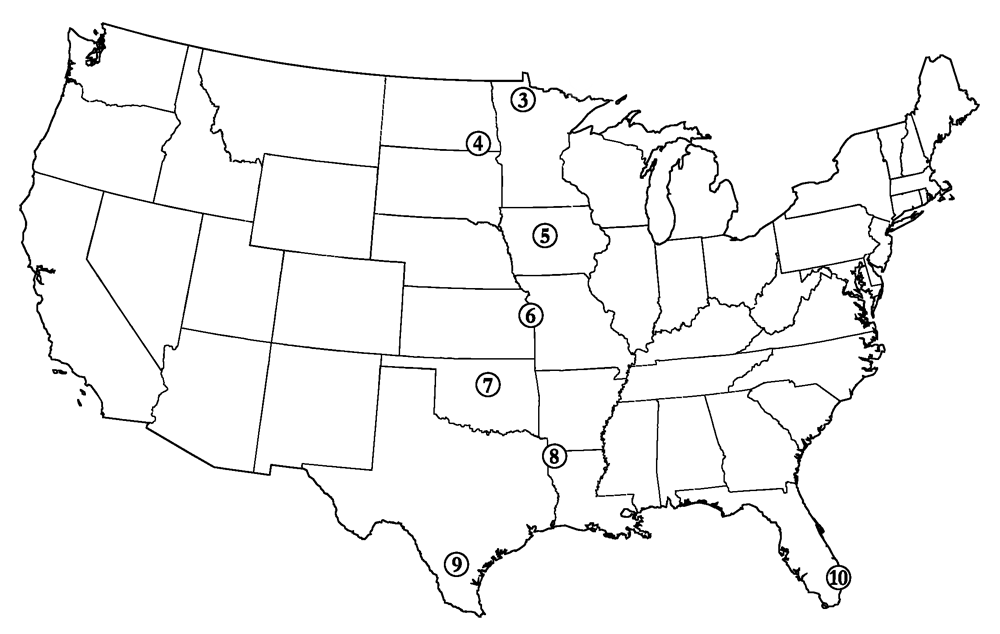
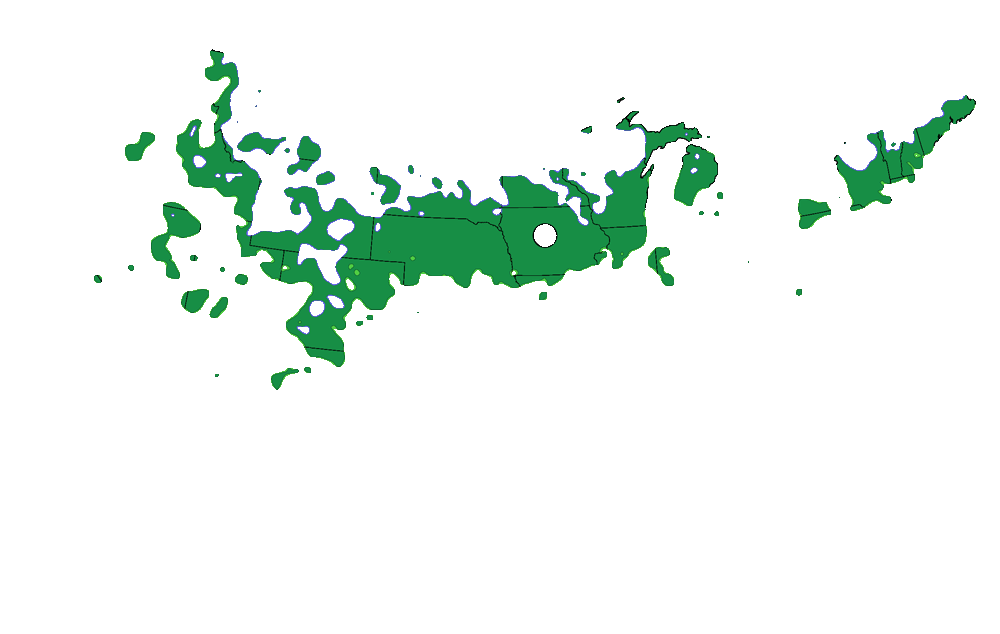
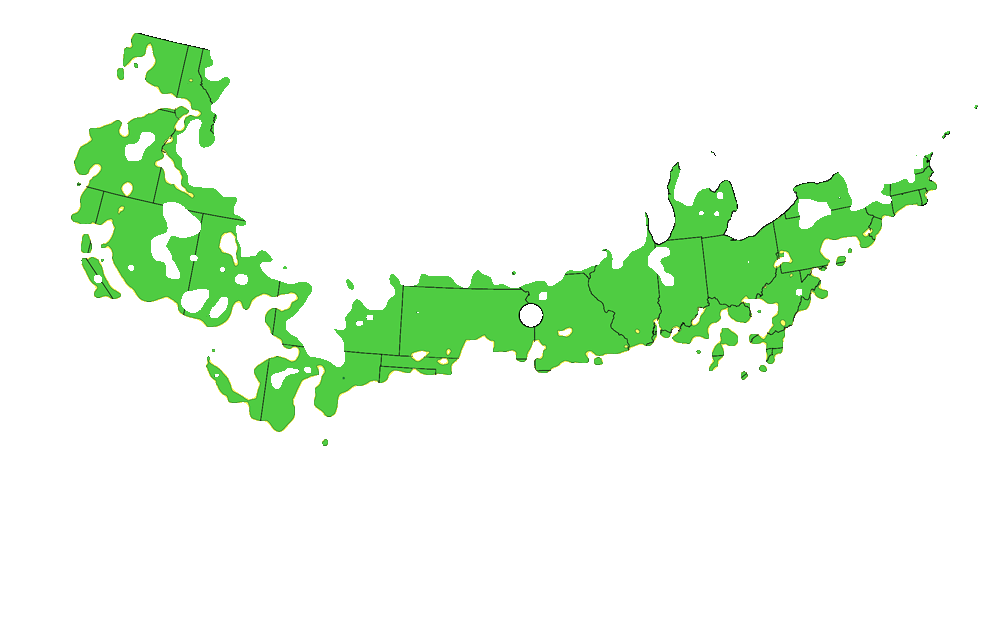
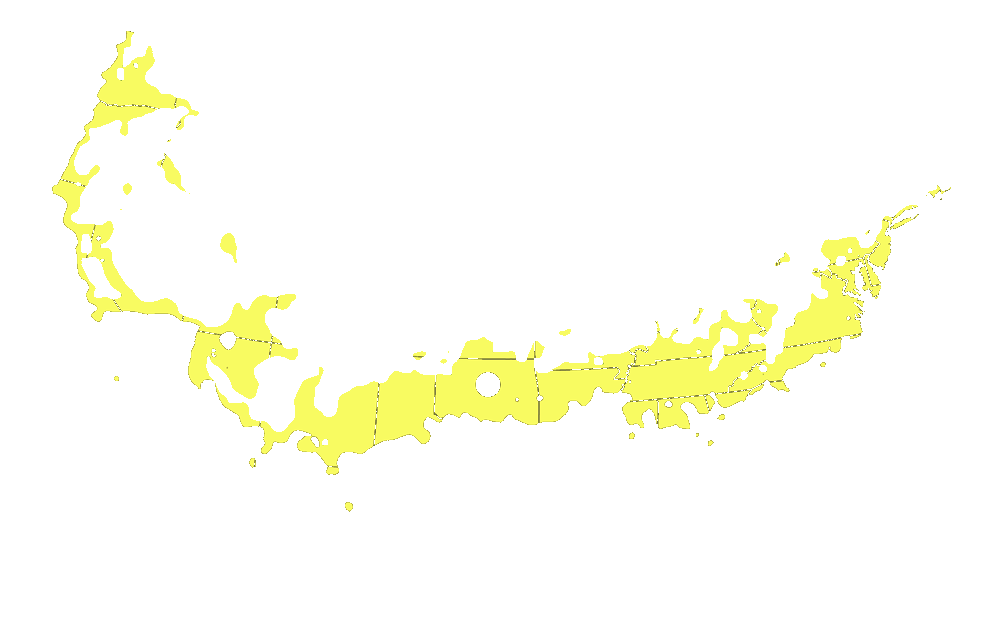
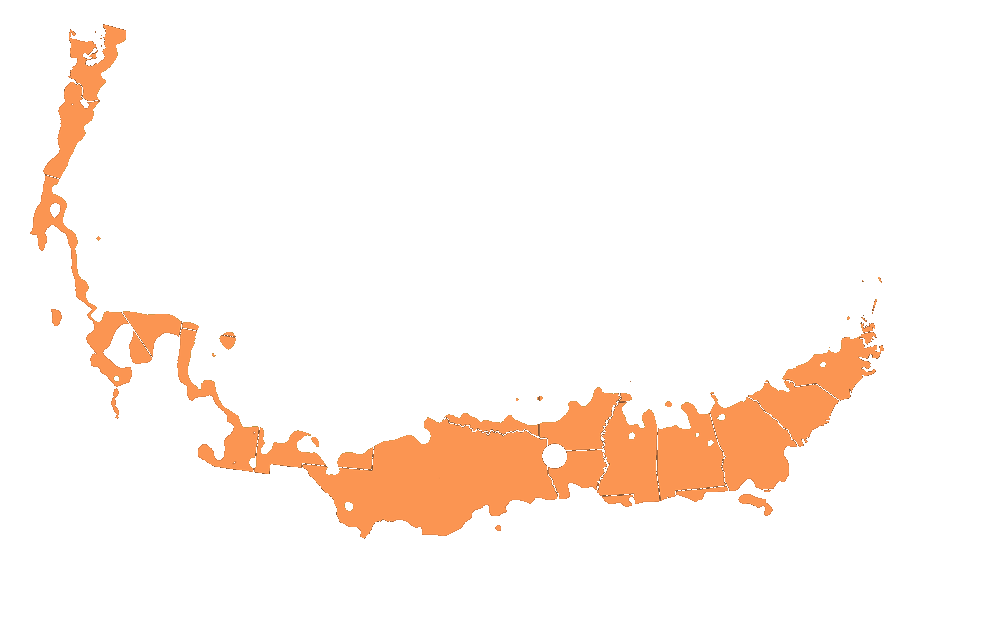
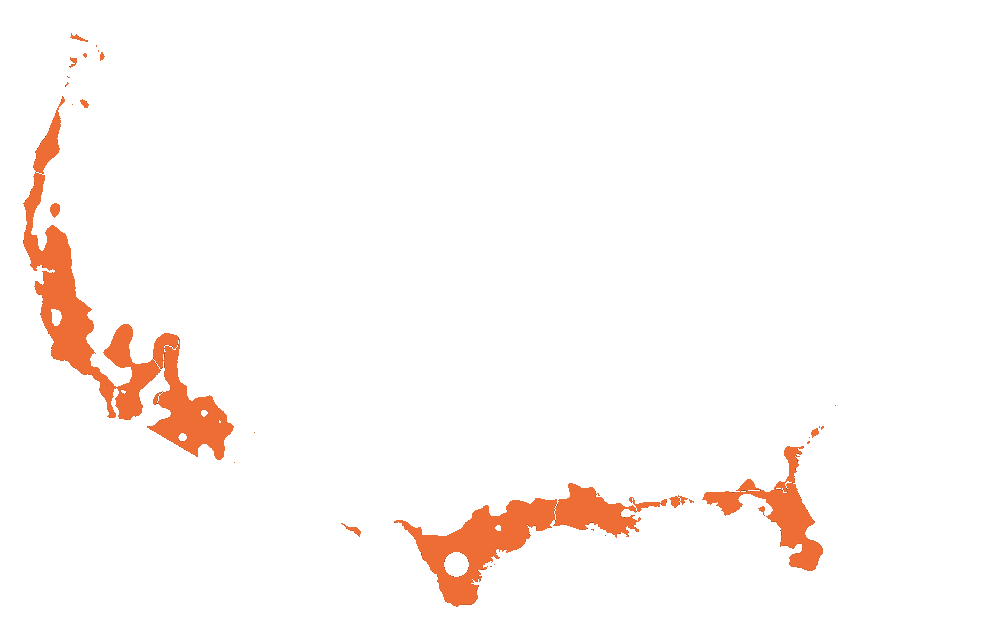
Shaded areas show where this product grows.
USDA Hardiness Zones
A hardiness zone is a geographic area defined by average annual minimum winter temperatures, helping gardeners determine which plants can survive in their region. Developed by the USDA, the 13 numerical zones indicate cold hardiness—for example, a plant "hardy to zone 10" tolerates minimum temperatures of 30 to 40 °F (−1.1 to 4.4 °C).
Grows in zones: 5 - 9
A hardiness zone is a geographic area defined by average annual minimum winter temperatures, helping gardeners determine which plants can survive in their region. Developed by the USDA, the 13 numerical zones indicate cold hardiness—for example, a plant "hardy to zone 10" tolerates minimum temperatures of 30 to 40 °F (−1.1 to 4.4 °C).