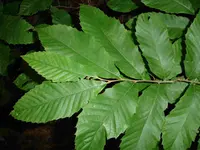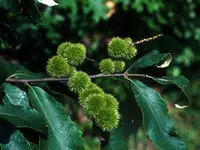
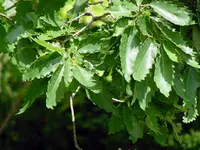
Georgia Native Chinquapin Tree
6-10" (Authentic Product)
$5.95
Ships: 12/01/2026 - 04/01/2027
This product is also part of these bundles:
Description
This product cannot be shipped to California.
The Georgia Native Chinquapin Tree is an outstanding natural selection that is rarely found in southern woodlands due to generations of deforestation for lumber production. However, few still remain and have been collected as seedlings for Willis Orchard Company. The nuts produced from this small tree are sweet and delicious, right out of the burr. The Chinquapin nut trees are an understory species, however, if they are originally planted in full sun, they will adapt. There are few nuts that can rival the uniquely exquisite flavor of a Georgia native chinquapin Tree!
Characteristics
| Bloom Color | Male & Female Flowers; Greenish-White |
| Bloom Time | Late Spring - Early Summer |
| Fruit Color | Brown |
| Fruit Size | 0.5-1 inch diameter |
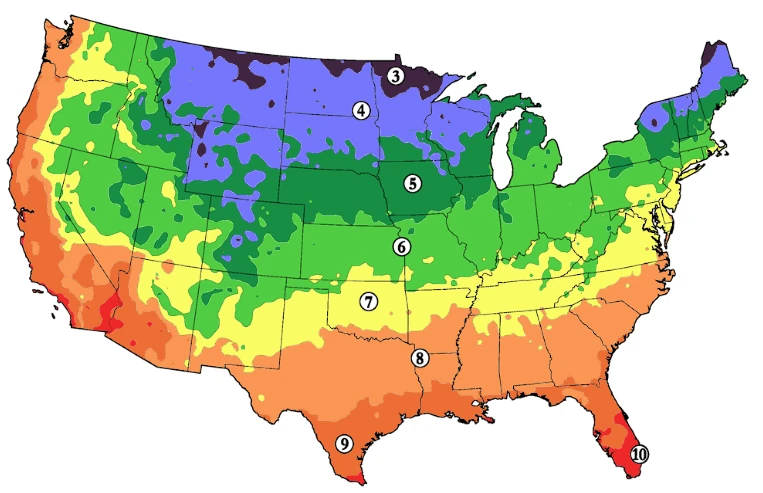
| Hardiness Zone Range | 7 - 9 |
| Pollination | Requires Pollinator |
| Ripens/Harvest | August - October |
| Shade/Sun | Full Sun |
| Soil Composition | Loam or Sandy |
| Soil Moisture | Well Draining |
| Soil pH Level | 4.5-6.5 |
| Taste | Sweet & Rich |
| Texture | Crisp & Floury |
| Years to Bear | 3-5 |
Pricing
| Size | Price | Ships |
|---|---|---|
|
6-10" (Authentic Product)
|
$5.95 | 12/01/2026 - 04/01/2027 |
|
10-12" Tall (Authentic Product)(Sale Price)
|
$9.95 | 12/01/2026 - 04/01/2027 |
|
18-24" Tall (Authentic Product)
|
$19.95 | 12/01/2026 - 04/01/2027 |
|
+/-3' Tall (Authentic Product)
|
$74.95 | 12/01/2026 - 04/01/2027 |
|
5-6' Tall (Fruiting Size)(Authentic Product)
|
$79.95 | 12/01/2026 - 04/01/2027 |
|
6-7' Tall (Fruiting Size)(Authentic Product)
|
$99.95 | 12/01/2026 - 04/01/2027 |
Zones
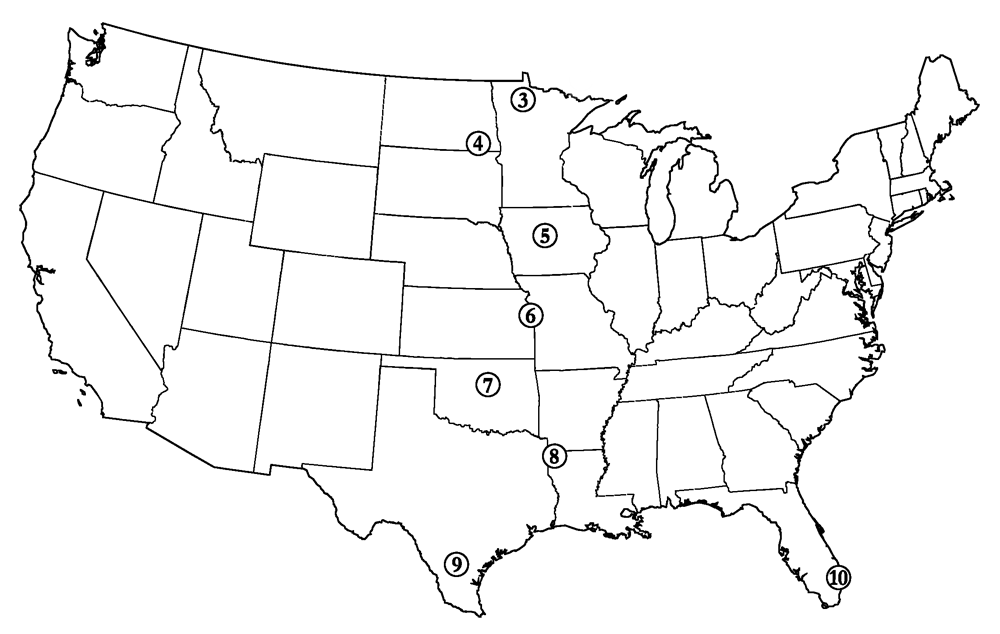
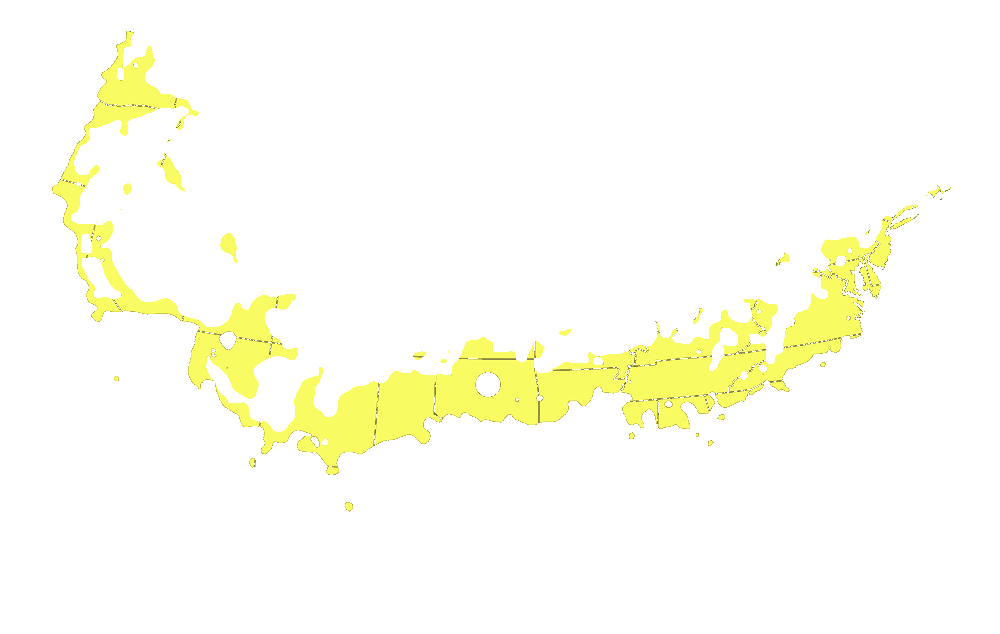
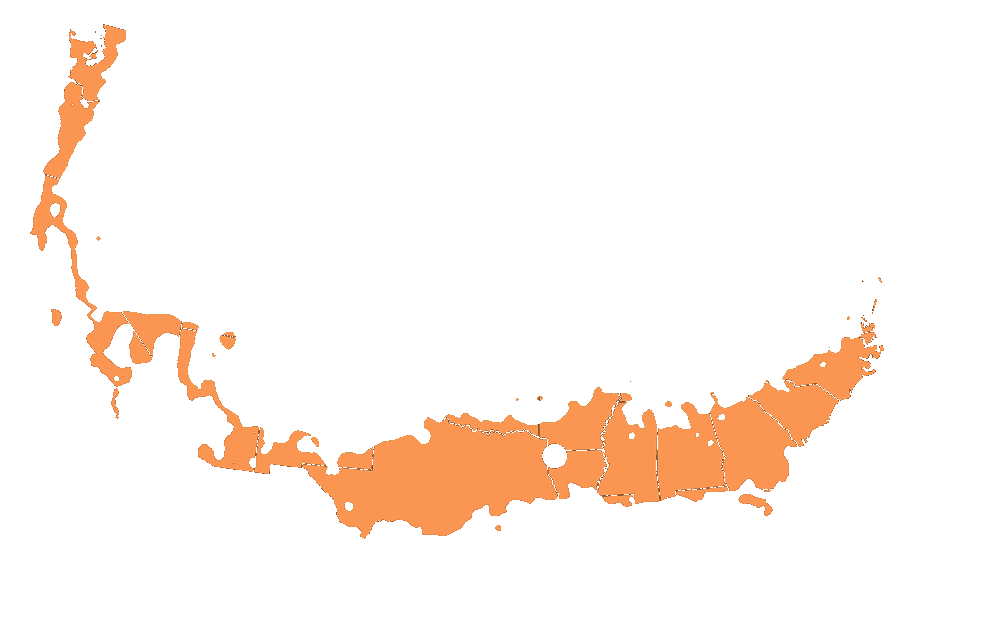
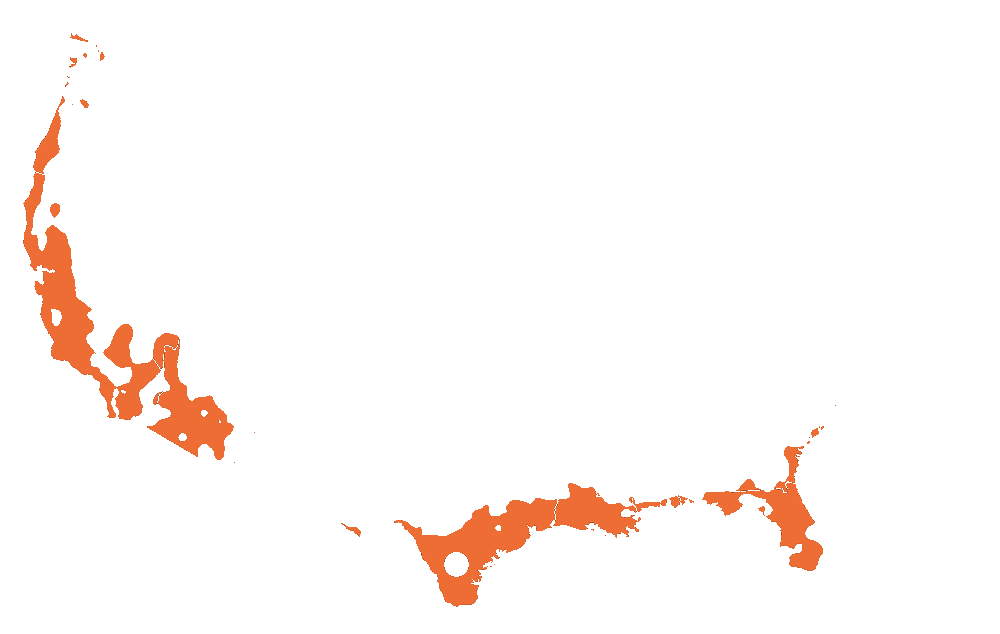
Shaded areas show where this product grows.
USDA Hardiness Zones
A hardiness zone is a geographic area defined by average annual minimum winter temperatures, helping gardeners determine which plants can survive in their region. Developed by the USDA, the 13 numerical zones indicate cold hardiness—for example, a plant "hardy to zone 10" tolerates minimum temperatures of 30 to 40 °F (−1.1 to 4.4 °C).
Grows in zones: 7 - 9
A hardiness zone is a geographic area defined by average annual minimum winter temperatures, helping gardeners determine which plants can survive in their region. Developed by the USDA, the 13 numerical zones indicate cold hardiness—for example, a plant "hardy to zone 10" tolerates minimum temperatures of 30 to 40 °F (−1.1 to 4.4 °C).