Yoshino Flowering Cherry
3-4 ft.
$29.95
Ships: 12/01/2026 - 03/15/2027
Description
This product cannot be shipped to California.
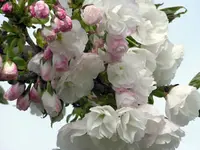
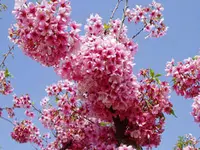
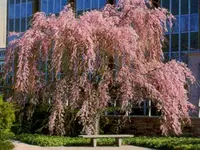
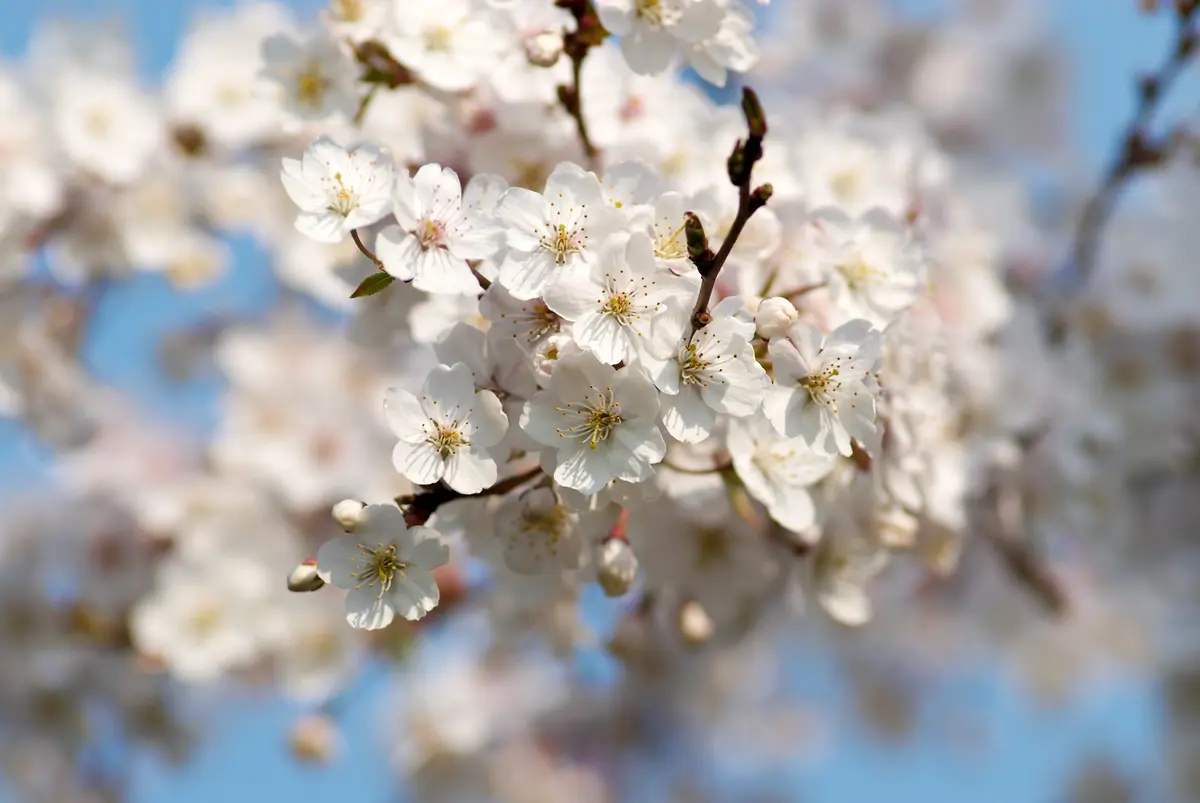
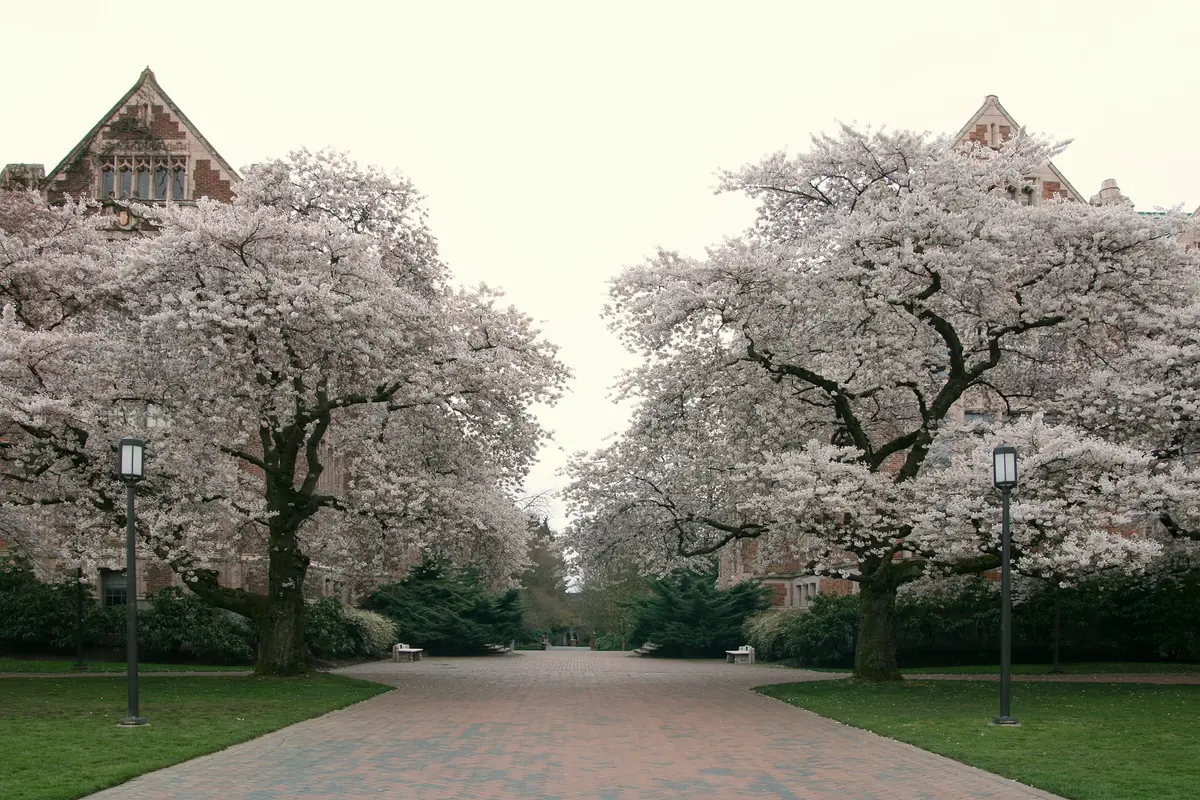
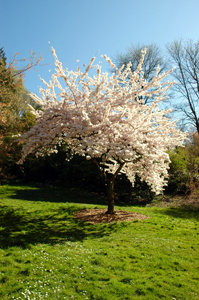
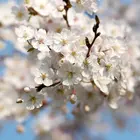
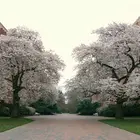
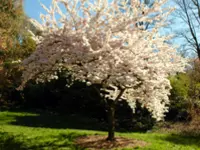
The Yoshino Flowering Cherry Tree, as made famous by the Washington D.C. Tidal Basin, is a rapidly growing tree that is extraordinarily beautiful in the spring, when it is covered with single white, shell-pink cotton candy like blooms. The foliage is a dark glossy green, and the Yoshino Cherry Tree makes an excellent street tree, growing to a height and spread of 30 feet. (Growing Zones 5-9a)
Characteristics
| Bloom Color | Pale Pink to White |
| Bloom Time | Spring |
| Fall Color | Gold, Orange, Red |
| Hardiness Zone Range | 5 - 9 |
| Shade/Sun | Full Sun |
| Soil Composition | Rich, loamy, and well-draining |
| Soil Moisture | Keep the soil consistently moist but never waterlogged. |
| Soil pH Level | 6.0-7.0 |
| Mature Width | 30 Feet |
| Mature Height | 40 Feet |
Zones
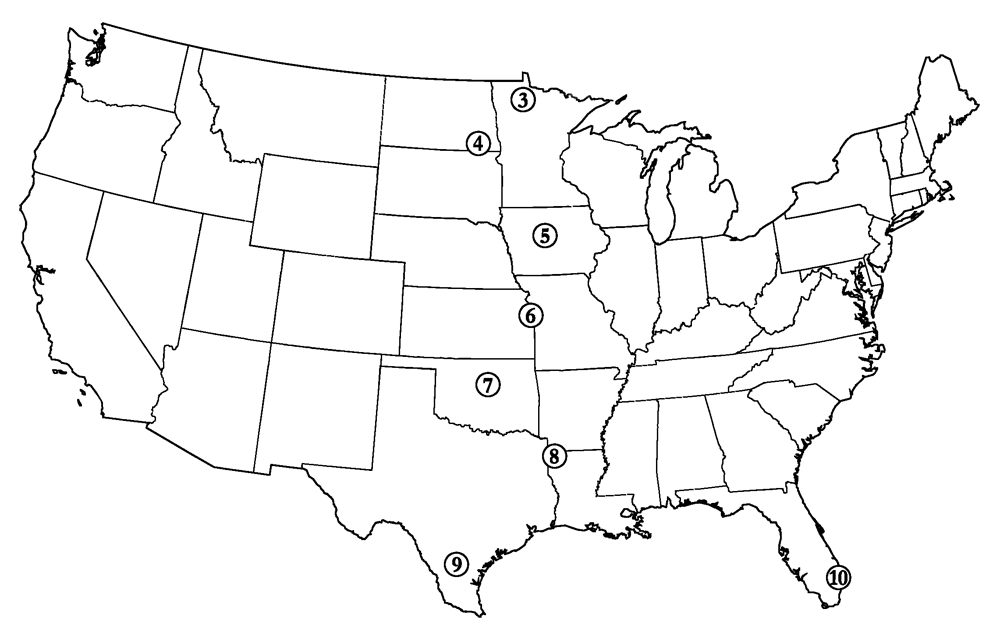
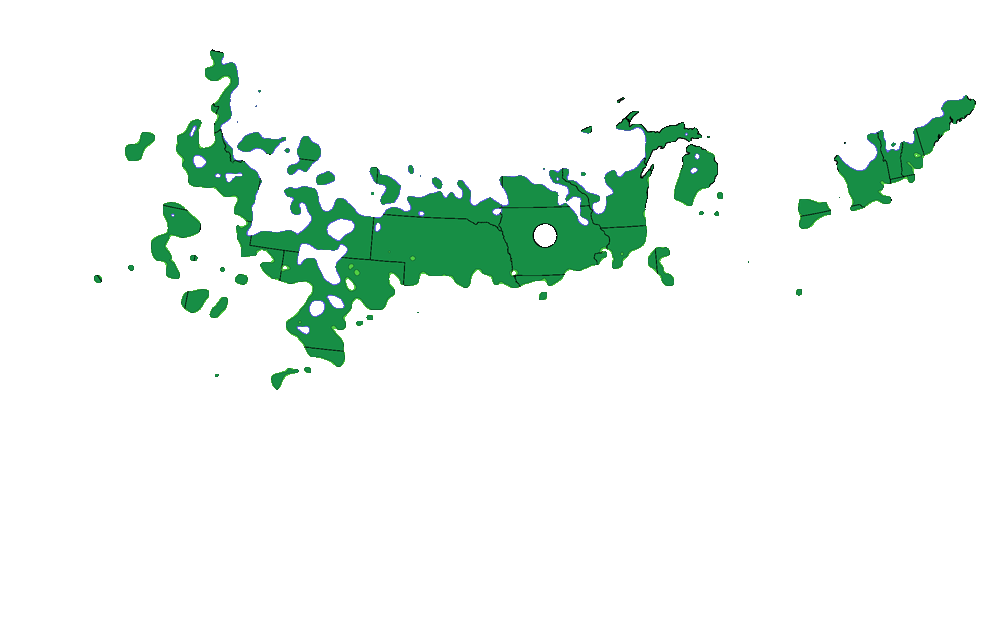
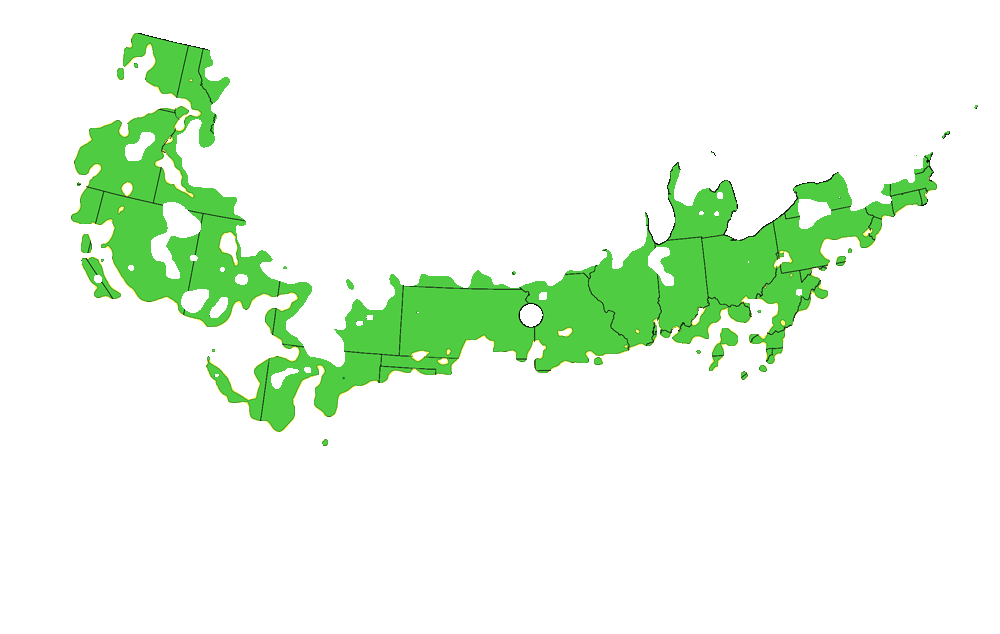
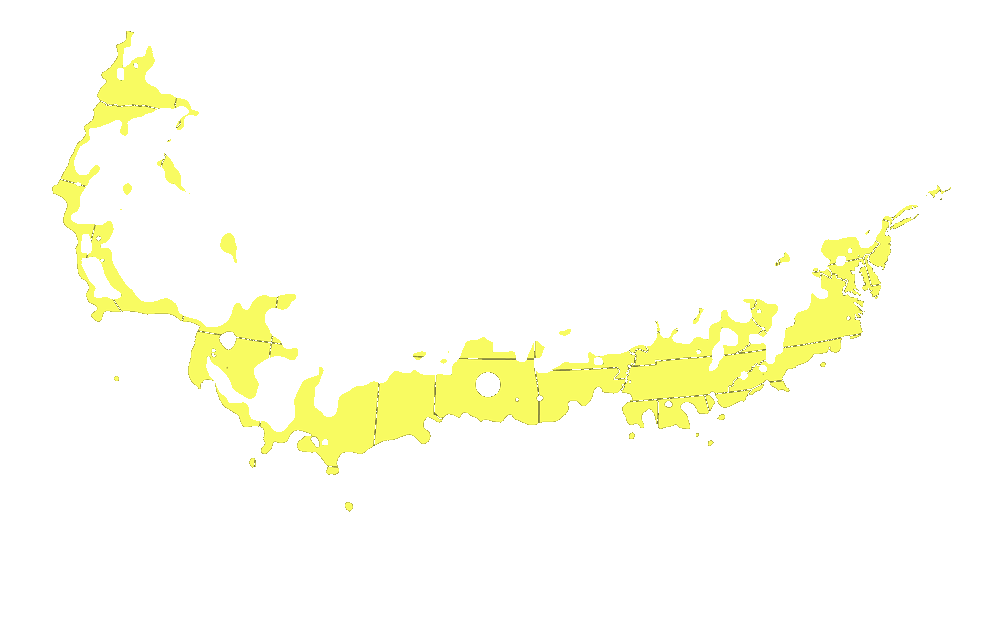
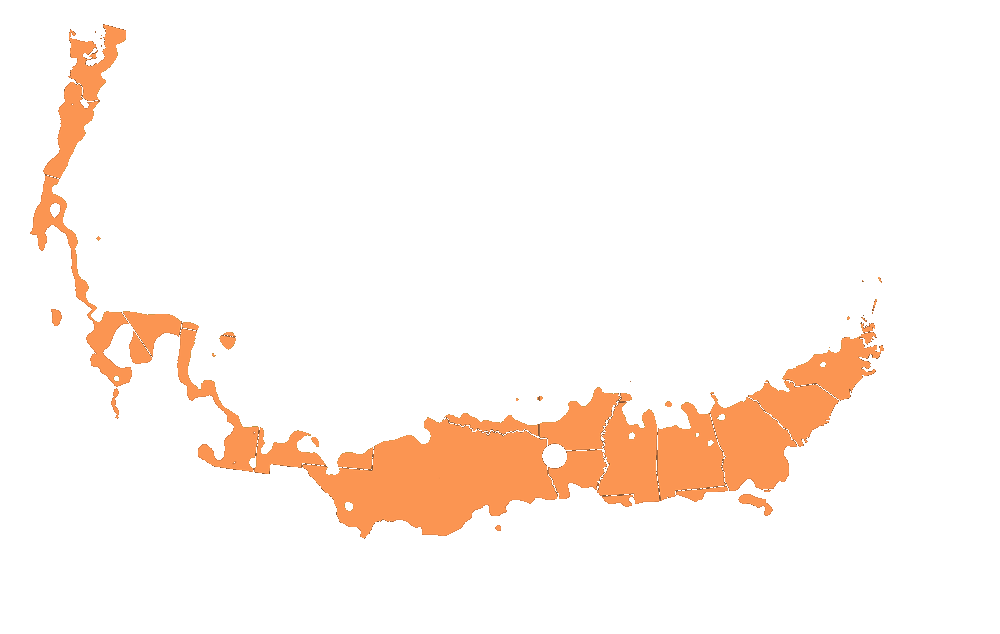
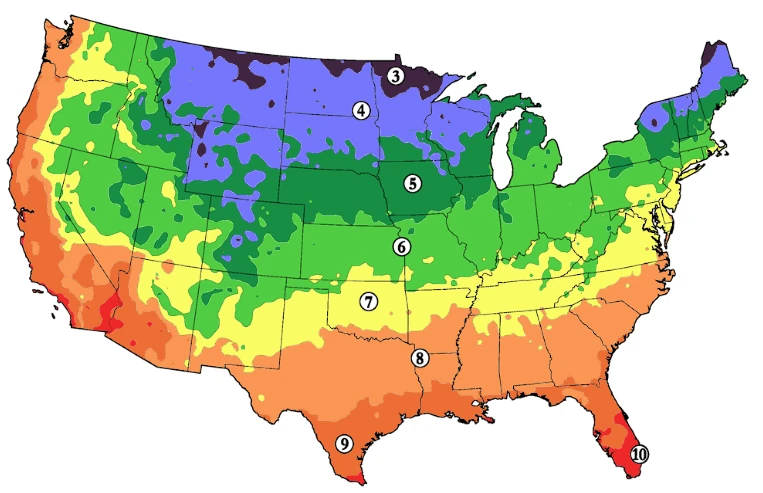
Shaded areas show where this product grows.
USDA Hardiness Zones
A hardiness zone is a geographic area defined by average annual minimum winter temperatures, helping gardeners determine which plants can survive in their region. Developed by the USDA, the 13 numerical zones indicate cold hardiness—for example, a plant "hardy to zone 10" tolerates minimum temperatures of 30 to 40 °F (−1.1 to 4.4 °C).
Grows in zones: 5 - 9
A hardiness zone is a geographic area defined by average annual minimum winter temperatures, helping gardeners determine which plants can survive in their region. Developed by the USDA, the 13 numerical zones indicate cold hardiness—for example, a plant "hardy to zone 10" tolerates minimum temperatures of 30 to 40 °F (−1.1 to 4.4 °C).