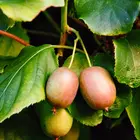

Prolific Kiwi
2 Year Old
$39.95
Ships: 10/15/2026 - 06/01/2027
This product is also part of these bundles:
Description
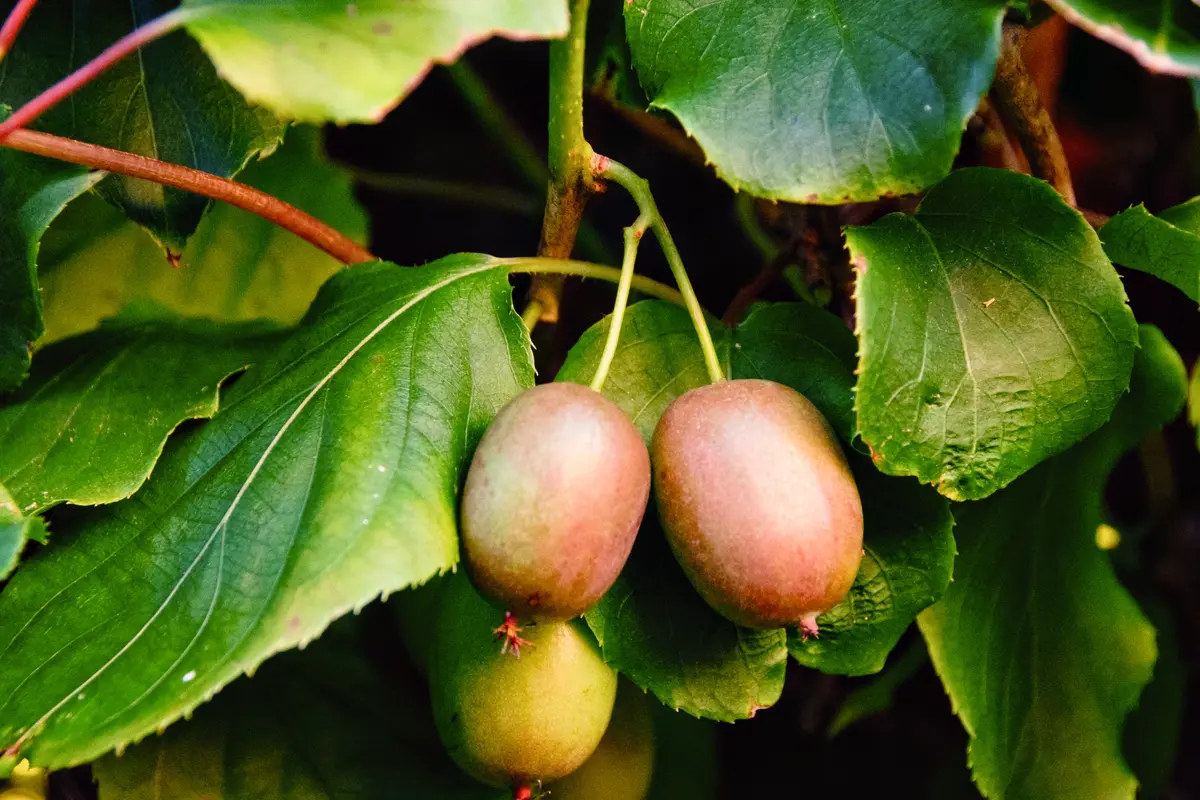
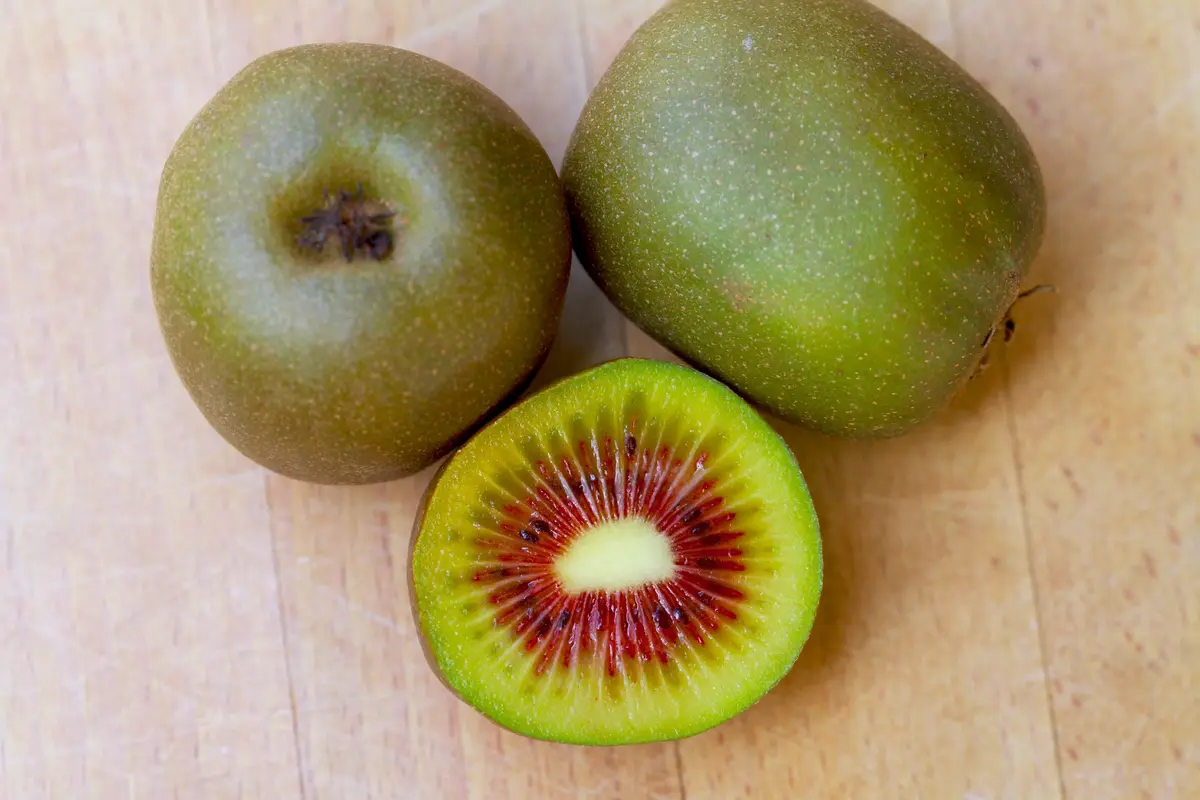
The Prolific Hardy Kiwi is unusual because it is an excellent self-fertile pollinator for female kiwi vines. The Prolific Kiwi Plant produces a crop of reddish green fruits that have a delicious, sweet-tart kiwi flavor. This variety offers strong resistance to pests and diseases, making it easy to maintain. The kiwi tolerates shade, but fruits better in full sun. As a self-fertile kiwi plant, it's a great choice for growers with limited space. The Prolific kiwi plant is a vigorous, fast-growing deciduous vine that must grow on a support structure to successfully harvest fruit. At maturity, the vine typically reaches a height of 10 to 25 feet long and spreads to a width of 8 to 12 feet. Prolific Hardy kiwi plants are cold tolerant for Zones 4-8 and require 300 chill hours.
Characteristics
| Bloom Color | White |
| Bloom Time | May - June |
| Fruit Color | Green |
| Fruit Size | 0.75-1.5 inch diameter |
| Hardiness Zone Range | 4 - 8 |
| Pollination | Self Fertile |
| Ripens/Harvest | August |
| Shade/Sun | Full Sun |
| Soil Composition | Loose with High Organic Content |
| Soil Moisture | Damp but not Waterlogged |
| Soil pH Level | 5.5-7.5 |
| Taste | Sweet & Tangy |
| Texture | Soft & Jelly-like |
| Years to Bear | 3-6 |
| Mature Width | 8 to 10 Feet Wide |
| Mature Height | 10 to 25 Feet Tall Vine |
Zones
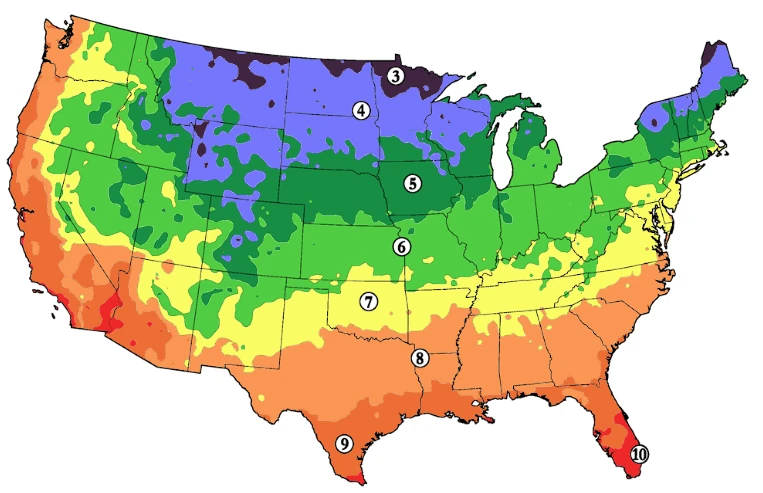
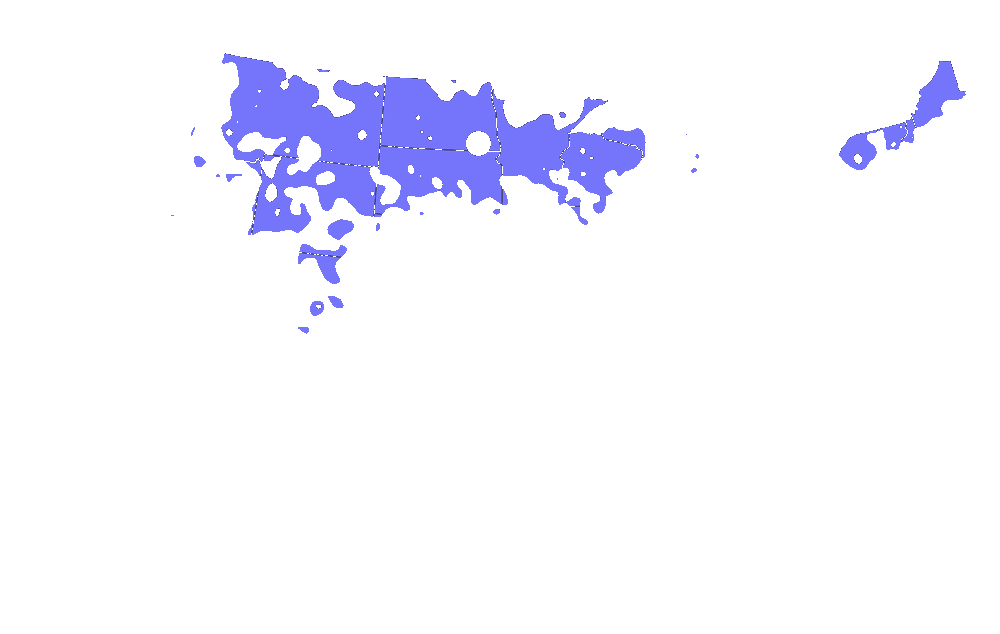
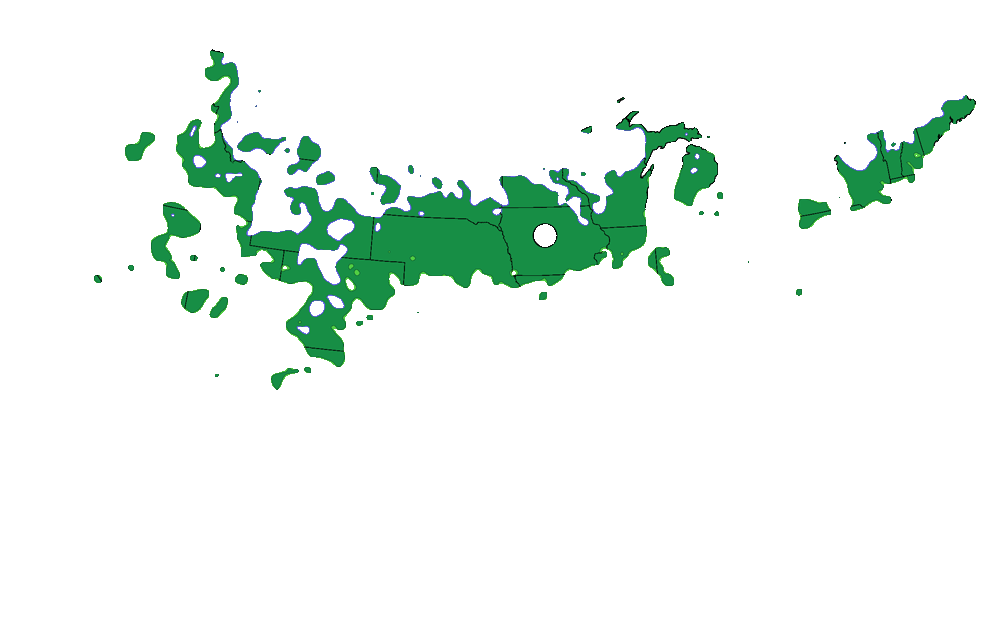
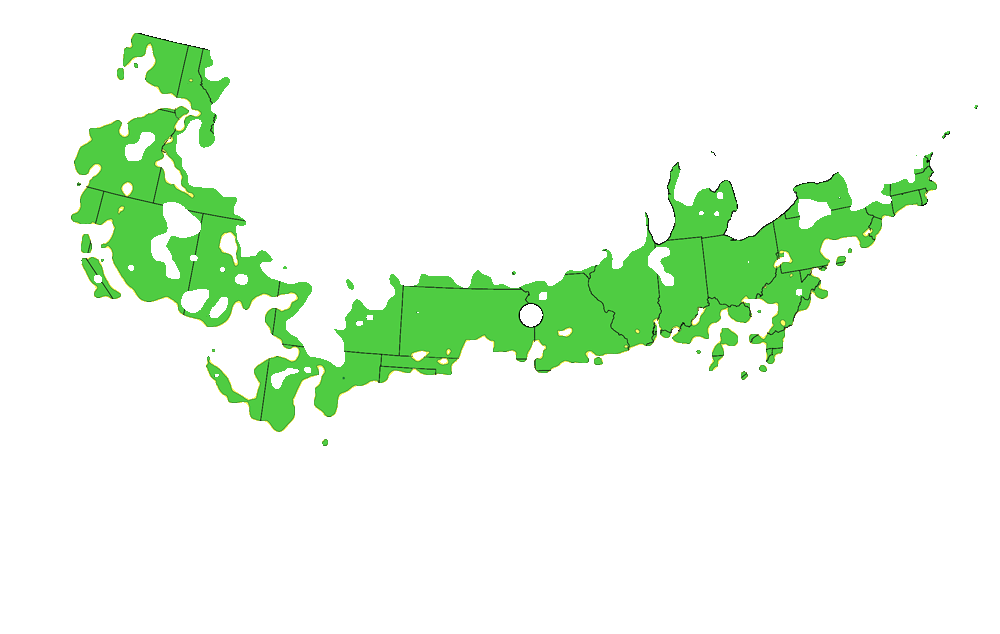
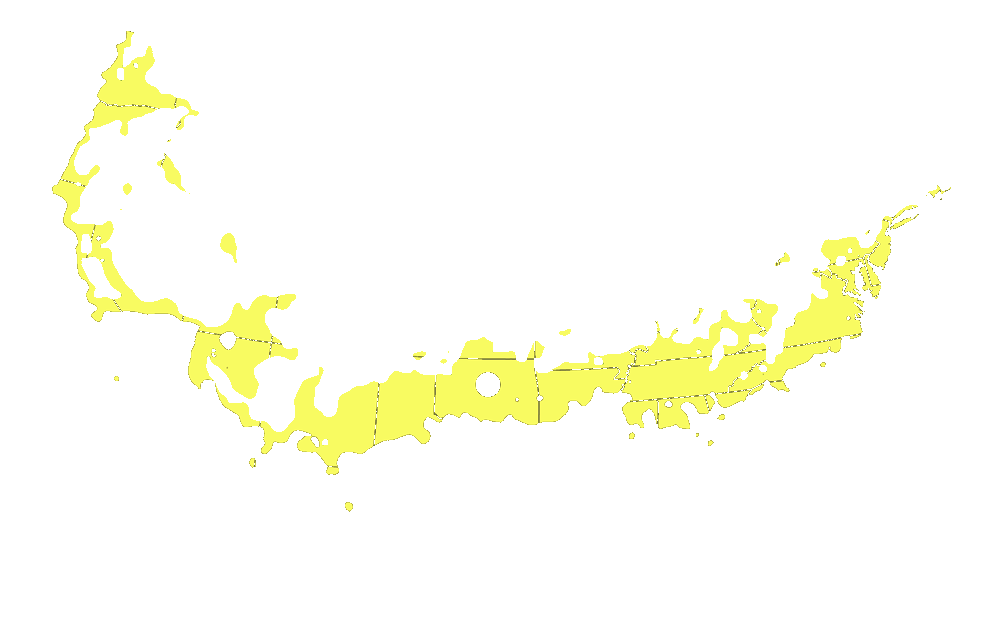
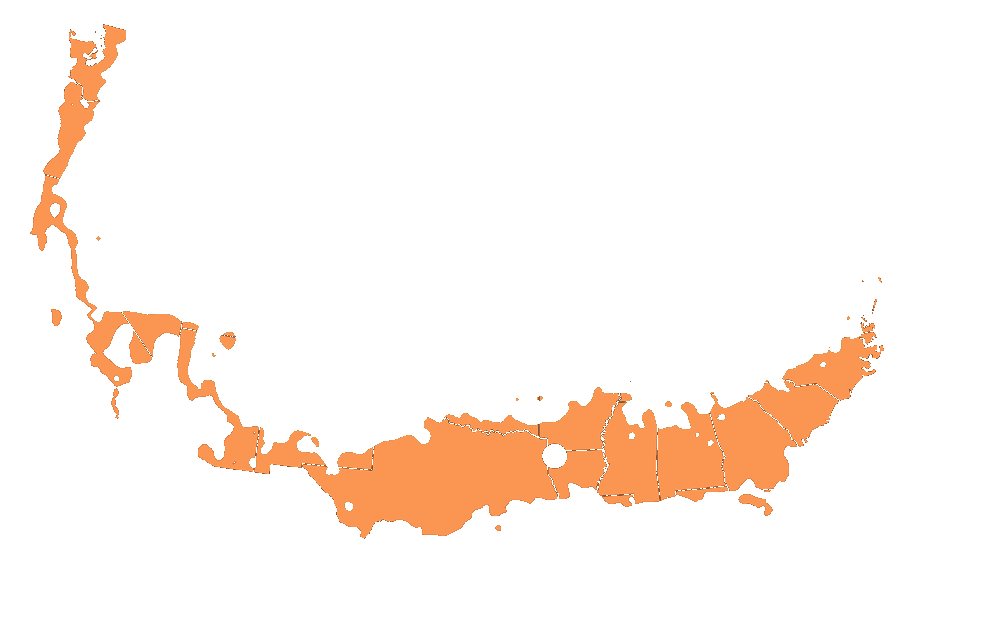
Shaded areas show where this product grows.
USDA Hardiness Zones
A hardiness zone is a geographic area defined by average annual minimum winter temperatures, helping gardeners determine which plants can survive in their region. Developed by the USDA, the 13 numerical zones indicate cold hardiness—for example, a plant "hardy to zone 10" tolerates minimum temperatures of 30 to 40 °F (−1.1 to 4.4 °C).
Grows in zones: 4 - 8
A hardiness zone is a geographic area defined by average annual minimum winter temperatures, helping gardeners determine which plants can survive in their region. Developed by the USDA, the 13 numerical zones indicate cold hardiness—for example, a plant "hardy to zone 10" tolerates minimum temperatures of 30 to 40 °F (−1.1 to 4.4 °C).
More Information
For cross-pollination to occur, the female Cordifolia and the self-fertile Prolific must be flowering at the same time in the spring. Plant the vines relatively close together (ideally within 10–20 feet) to help bees and other pollinators easily carry pollen between them. Kiwis aren't heavily wind-pollinated, so rely on insects. Planting early-blooming annuals nearby can help attract bees to your vines during the kiwi bloom.