Magnolia Grandiflora 'D D Blanchard'
Not currently available. Please call us at 1-866-586-6283 for availability information.
Description
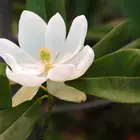
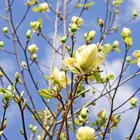
D.D. Blanchard Magnolia is a tall growing Magnolia specimen, able to reach up to 75' tall and 25' wide. The Magnolia Grandiflora is a superior brown-backed type, and grows in a natural compact pyramidal form, with large, rounded leaves. This zone 7-9 Magnolia Tree is prized for its glossy foliage and graceful structure, making it ideal for elegant landscapes. Add lasting beauty to your yard with our D.D. Blanchard Magnolia Grandiflora Trees for sale.
Characteristics
| Bloom Color | Creamy-White |
| Bloom Time | Late Spring |
| Hardiness Zone Range | 7 - 9 |
| Shade/Sun | Full Sun to Part Shade |
| Soil Composition | Rich, loamy, and well-draining |
| Soil Moisture | Keep the soil consistently moist but never waterlogged. |
| Soil pH Level | 5.5-6.8 |
| Mature Width | 25-35 Feet |
| Mature Height | 50-70 Feet |
Pricing
| Size | Price | Ships |
|---|---|---|
|
+/-4'
|
Sold Out | 10/15/2025 - 05/01/2026 |
Zones
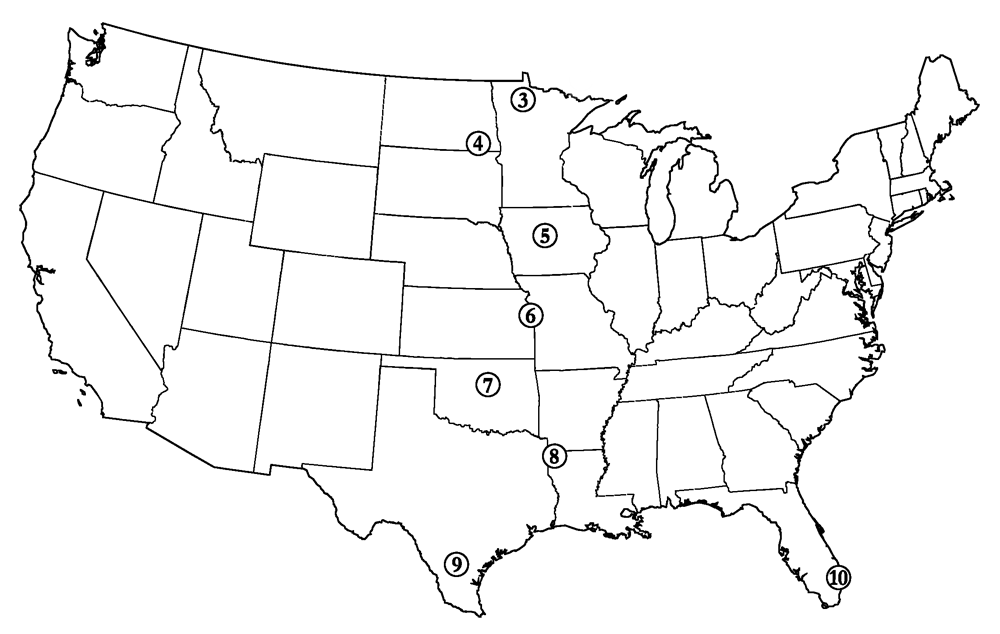
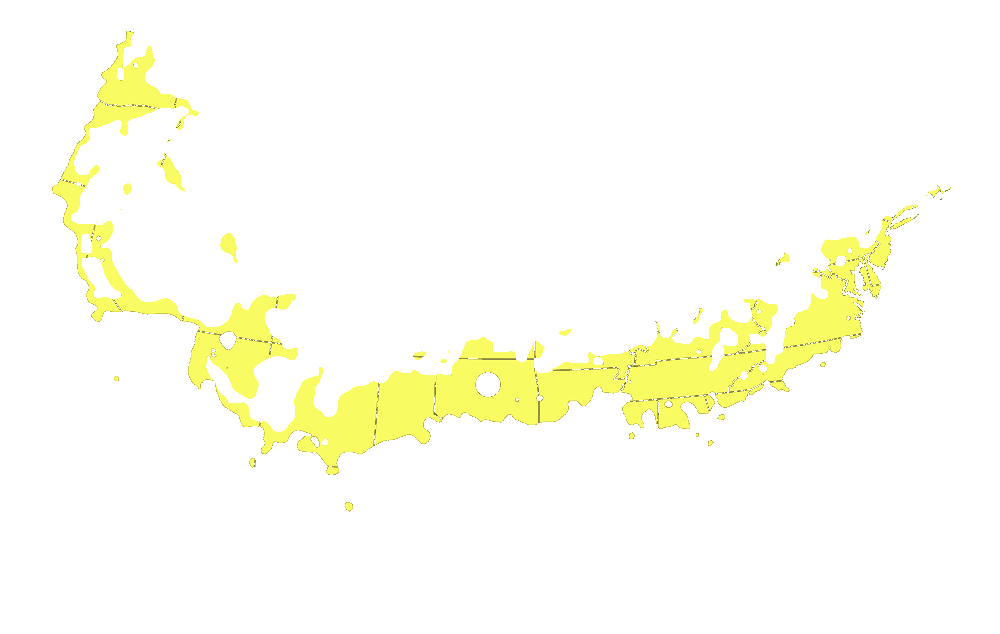
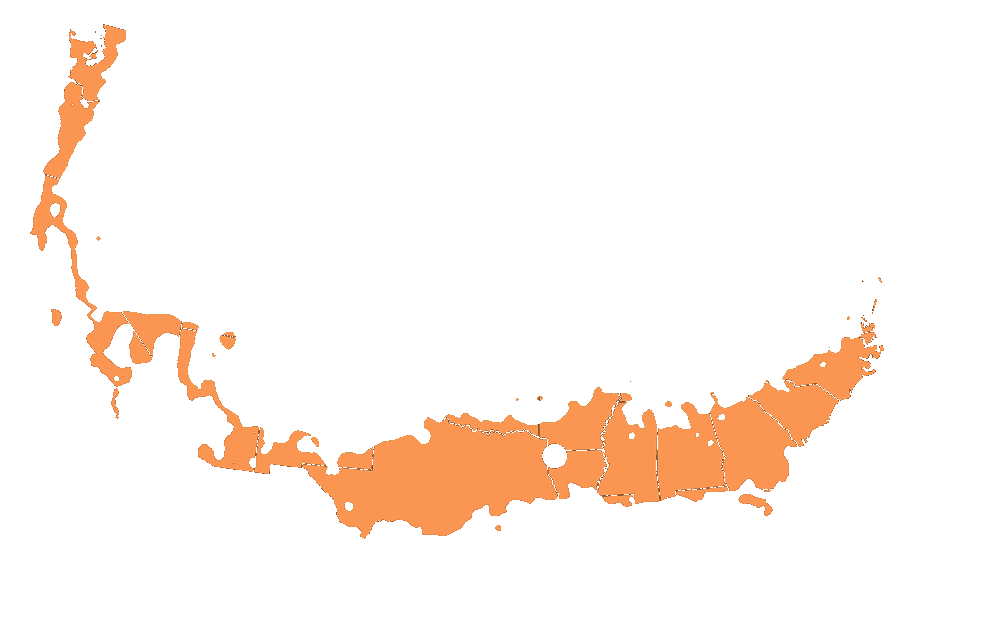
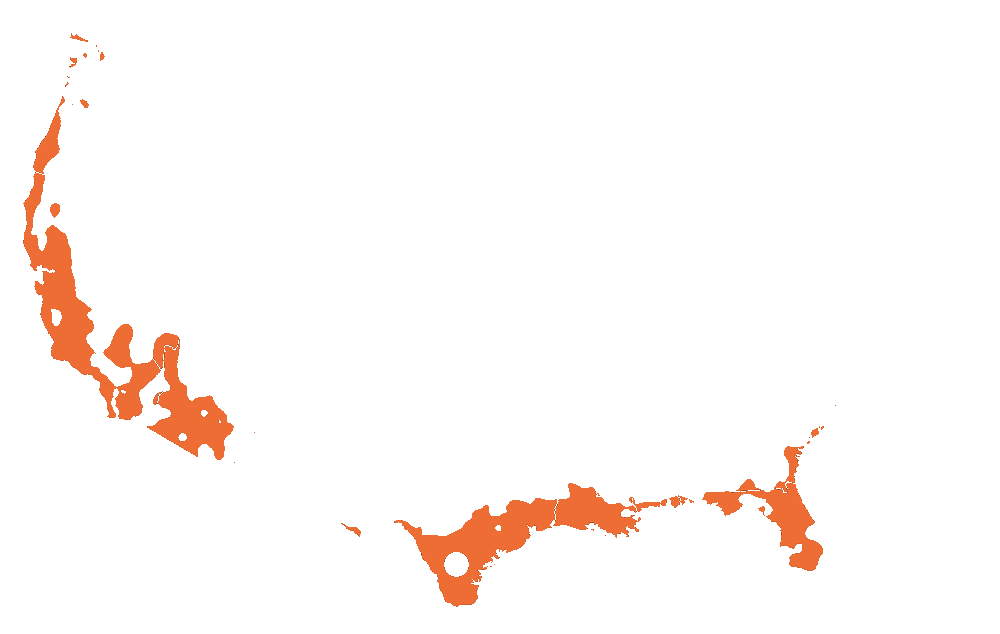
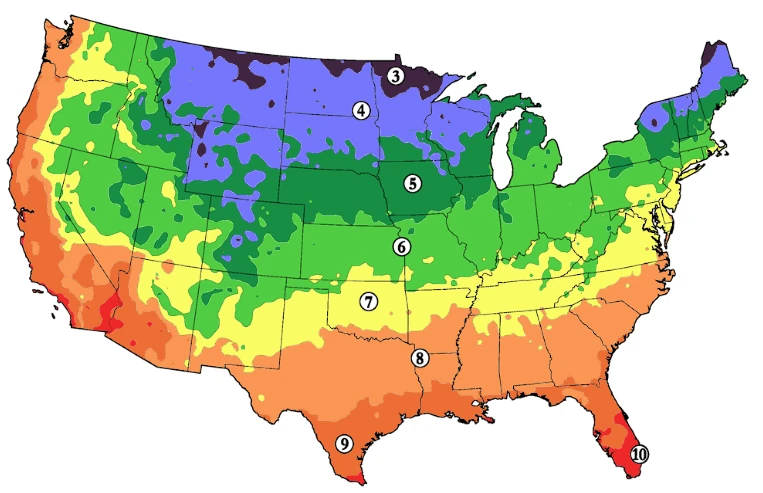
Shaded areas show where this product grows.
USDA Hardiness Zones
A hardiness zone is a geographic area defined by average annual minimum winter temperatures, helping gardeners determine which plants can survive in their region. Developed by the USDA, the 13 numerical zones indicate cold hardiness—for example, a plant "hardy to zone 10" tolerates minimum temperatures of 30 to 40 °F (−1.1 to 4.4 °C).
Grows in zones: 7 - 9
A hardiness zone is a geographic area defined by average annual minimum winter temperatures, helping gardeners determine which plants can survive in their region. Developed by the USDA, the 13 numerical zones indicate cold hardiness—for example, a plant "hardy to zone 10" tolerates minimum temperatures of 30 to 40 °F (−1.1 to 4.4 °C).