English Walnut Tree
5-6'
$89.95
Ships: 12/15/2026 - 05/01/2027
Description
This product cannot be shipped to California.
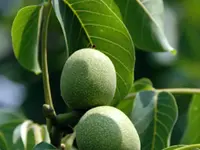
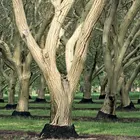
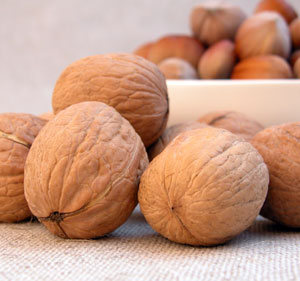
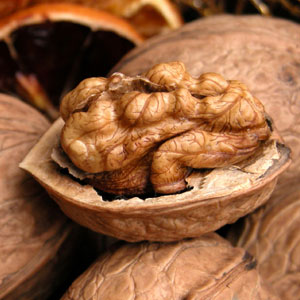
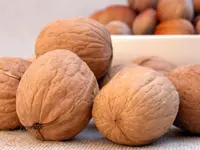
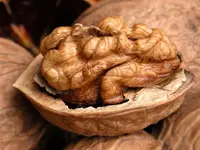
The English Walnut Tree is praised for its thin nut shells and hardiness in temperate zones. This tree is sometimes known as the 'Carpathian' walnut tree. The nuts are rich in oil and are widely eaten both fresh and in cookery.
Characteristics
| Bloom Color | Inconspicuous; Yellowish-Green |
| Bloom Time | Late Spring - Early Summer |
| Fruit Color | Light Brown when ripe |
| Fruit Size | 1-2 inches |
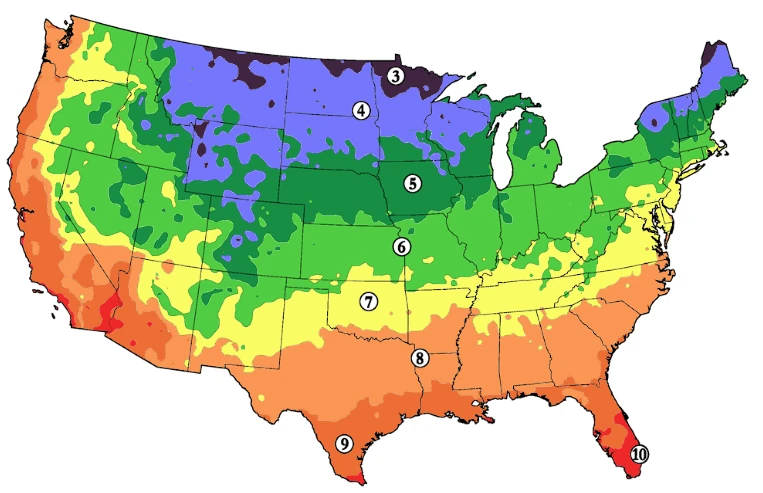
| Hardiness Zone Range | 4 - 9 |
| Pollination | Partially Self-Fertile |
| Ripens/Harvest | September - October |
| Shade/Sun | Full Sun |
| Soil Composition | Nutrient-Rich / Loam |
| Soil Moisture | Moist / Well Draining |
| Soil pH Level | 6.0-7.5 |
| Taste | Mild & Sweet |
| Texture | Crisp & Oily |
| Years to Bear | 4-8 |
Pricing
| Size | Price | Ships |
|---|---|---|
|
4-5'
|
Sold Out | 12/15/2026 - 05/01/2027 |
|
5-6'
|
$89.95 | 12/15/2026 - 05/01/2027 |
|
6-7'
|
$99.95 | 12/15/2026 - 05/01/2027 |
Note: The maximum box length for FedEx is 96 inches. So we must prune the larger trees to meet this requirement but the greater caliper remains. No pruning required for Freight delivery of volume orders. (Call for Freight Options.)
Zones
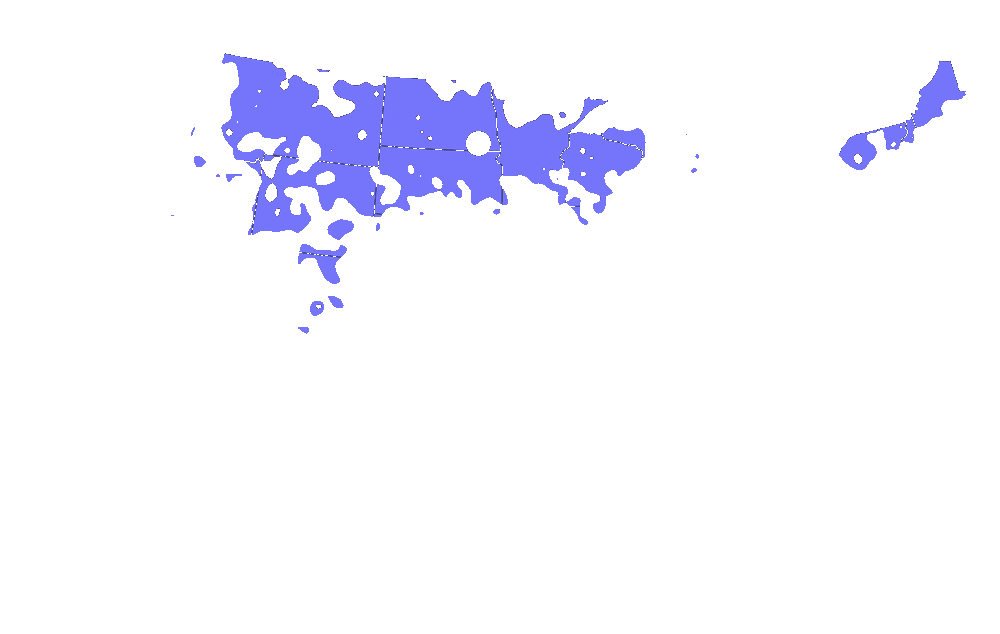
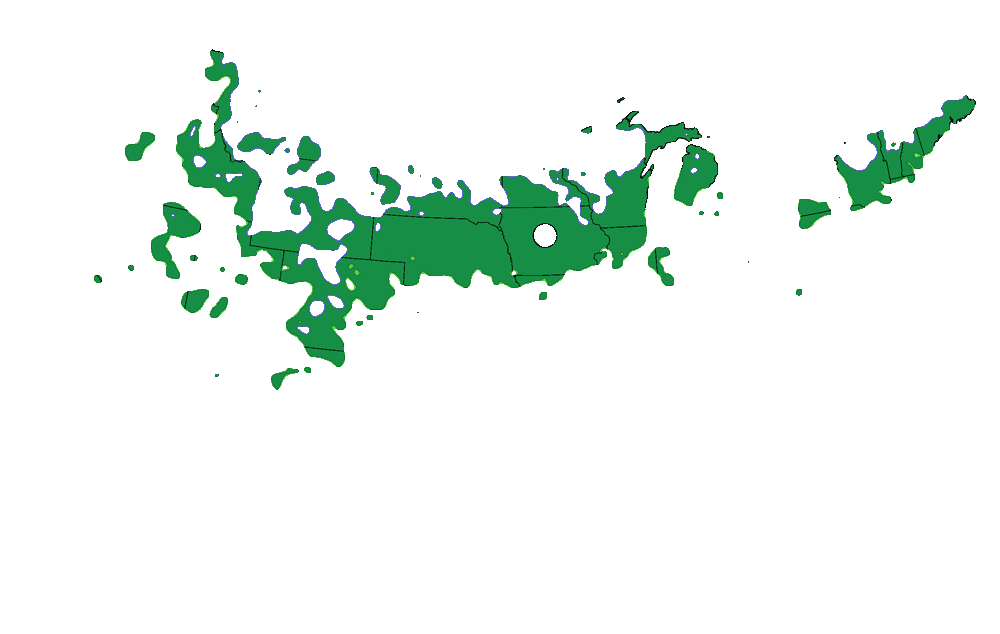
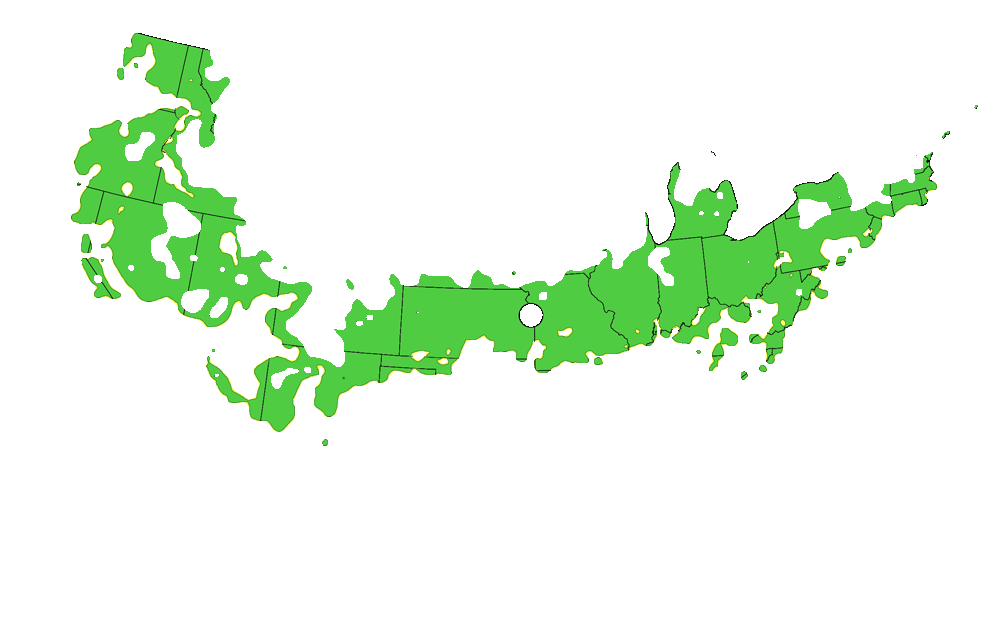
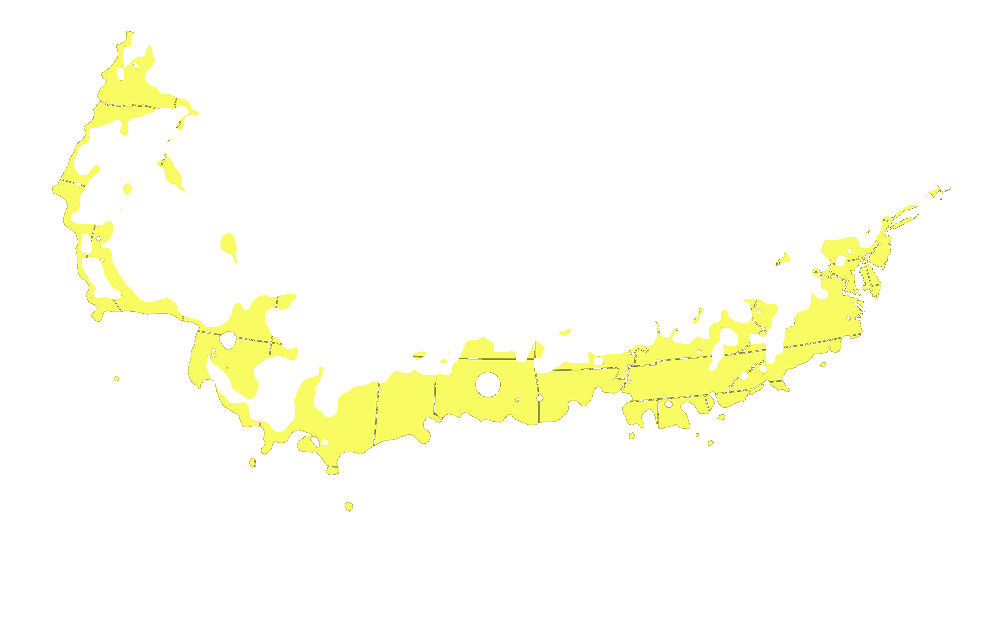
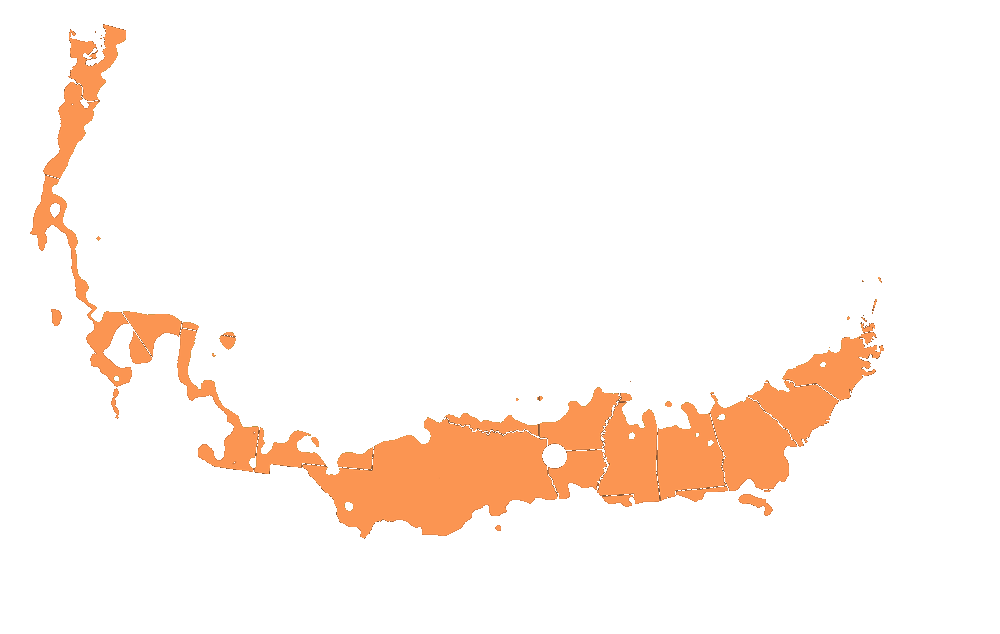
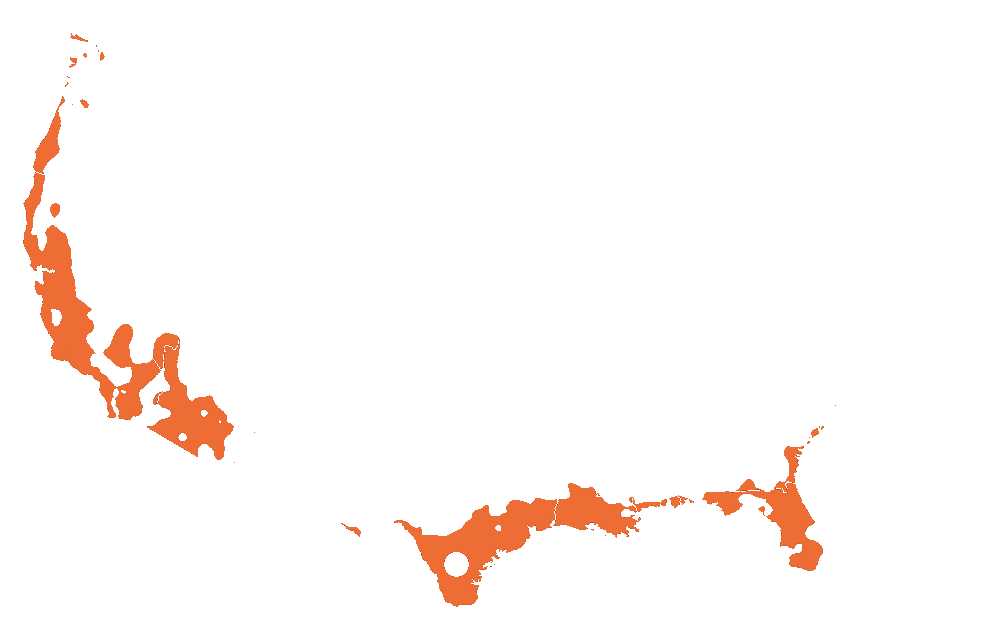
Shaded areas show where this product grows.
USDA Hardiness Zones
A hardiness zone is a geographic area defined by average annual minimum winter temperatures, helping gardeners determine which plants can survive in their region. Developed by the USDA, the 13 numerical zones indicate cold hardiness—for example, a plant "hardy to zone 10" tolerates minimum temperatures of 30 to 40 °F (−1.1 to 4.4 °C).
Grows in zones: 4 - 9
A hardiness zone is a geographic area defined by average annual minimum winter temperatures, helping gardeners determine which plants can survive in their region. Developed by the USDA, the 13 numerical zones indicate cold hardiness—for example, a plant "hardy to zone 10" tolerates minimum temperatures of 30 to 40 °F (−1.1 to 4.4 °C).