Bronze Fry Scuppernong
2 Year Old Vine (Nice Roots)
$12.95
Ships: 10/15/2026 - 06/01/2027
Description
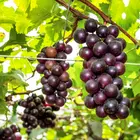
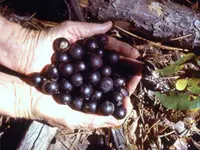
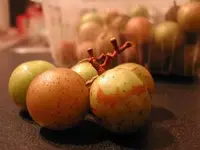
The Fry Scuppernong grape vine is the most popular (considered the best) female bronze scuppernong. Its large clusters of very large fruit are high in sugar content. The Fry offers excellent, abundant fruits all summer long. You can't go wrong with this tried and true scuppernong grape vine.
Characteristics
| Bloom Color | Greenish-yellow |
| Bloom Time | May-June |
| Fruit Color | Bronze |
| Fruit Size | Large |
| Hardiness Zone Range | 6 - 10 |
| Pollination | Male Pollinator Required |
| Ripens/Harvest | August-September |
| Shade/Sun | Full Sun |
| Soil Composition | Rich, loamy, and well-draining |
| Soil Moisture | Keep the soil consistently moist but never waterlogged. |
| Soil pH Level | 5.8-6.5 |
| Years to Bear | 3 years |
Pricing
| Size | Price | Ships |
|---|---|---|
|
2 Year Old Vine (Nice Roots)
|
$12.95 | 10/15/2026 - 06/01/2027 |
|
10 Plants (2 Yr.)
|
$119.50 | 10/15/2026 - 06/01/2027 |
|
3 Year Old (Fruiting Size)(Very Nice Roots)
|
$16.95 | 10/15/2026 - 06/01/2027 |
|
10 Plants (3 Yr. Fruiting Size)
|
$159.95 | 10/15/2026 - 06/01/2027 |
Note: Potted 3 Yr. Muscadine Plants are Also Available, by Freight Only. (Minimum Quantity of 50 Plants)
Zones
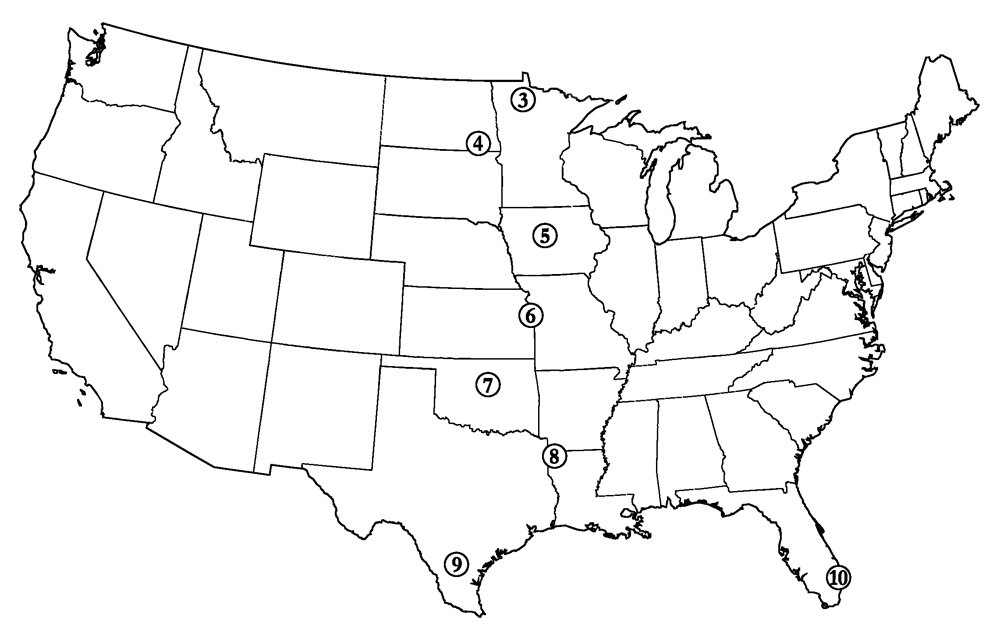
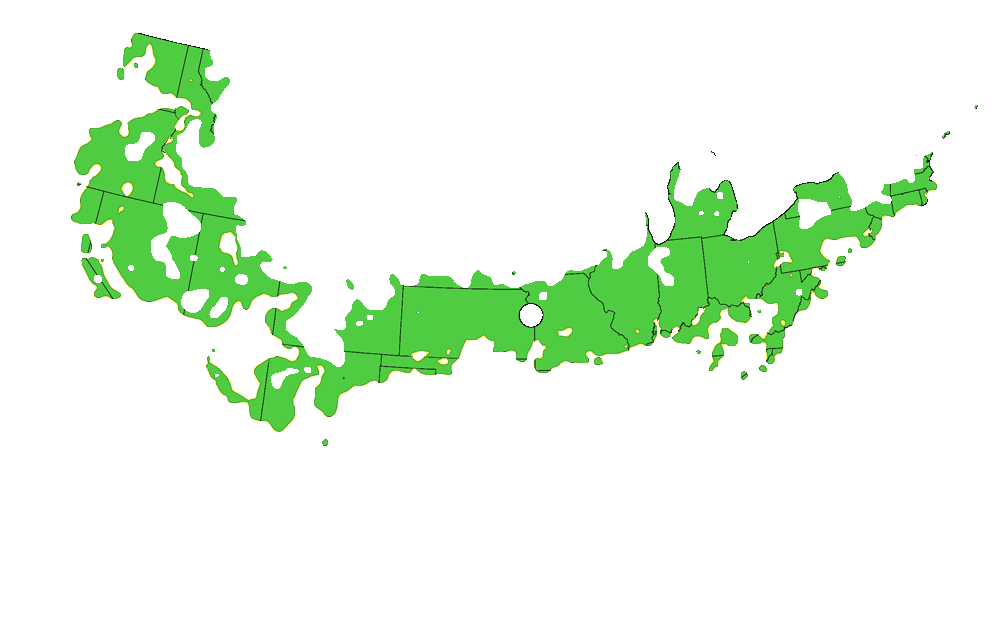
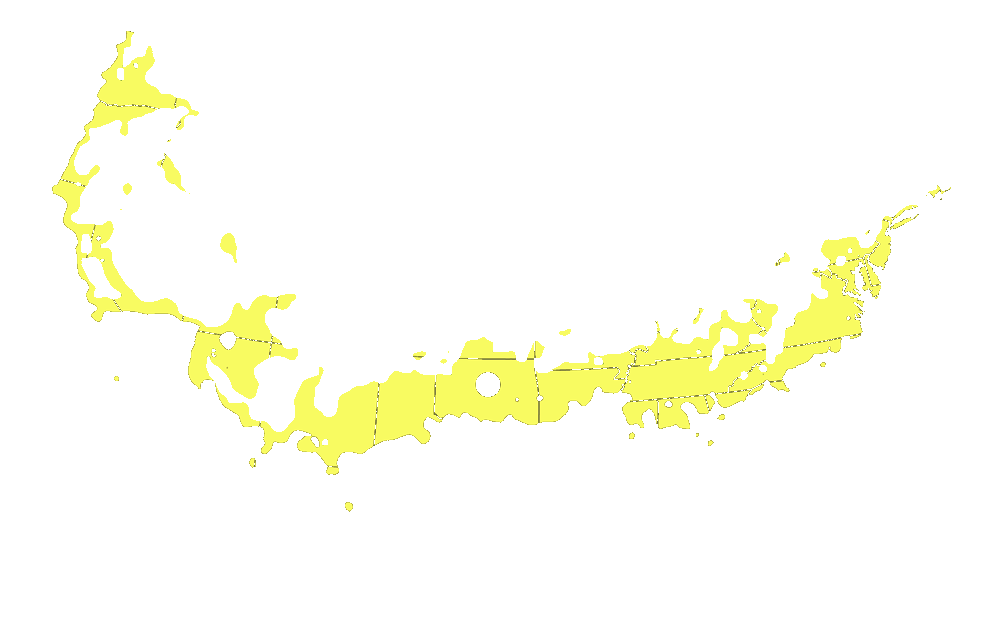
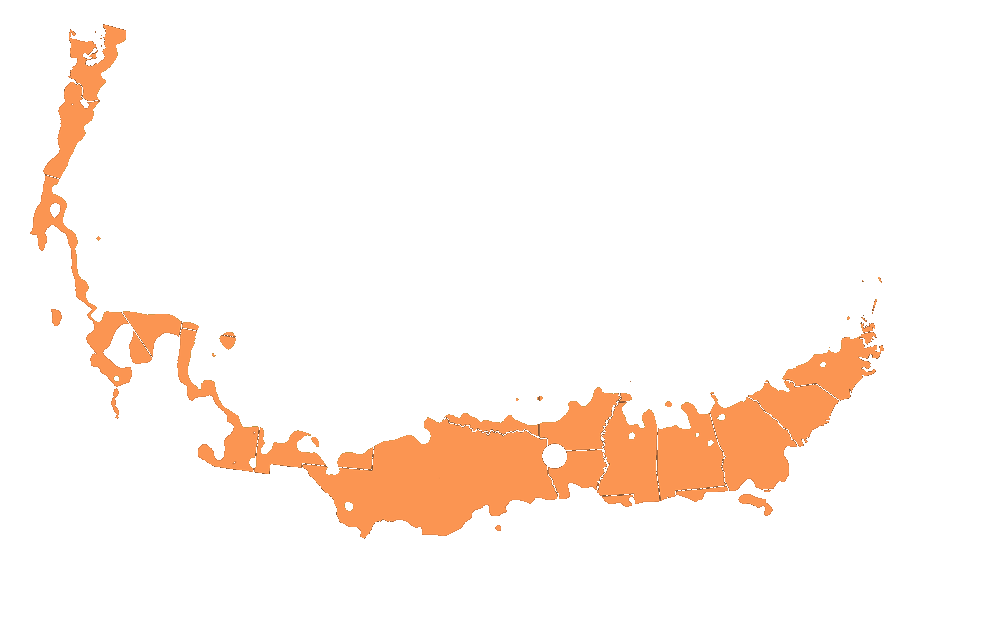
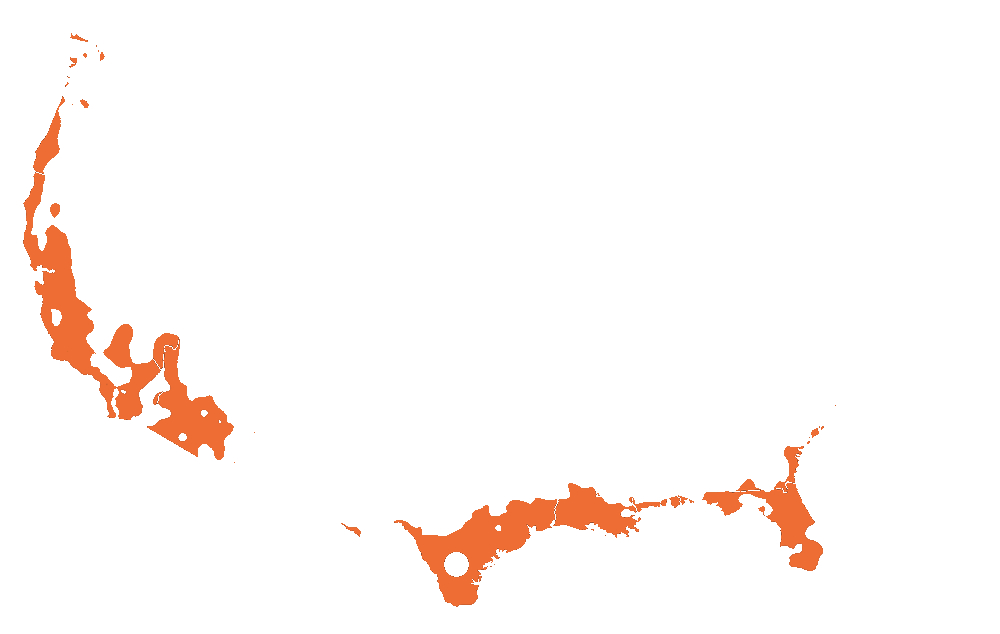
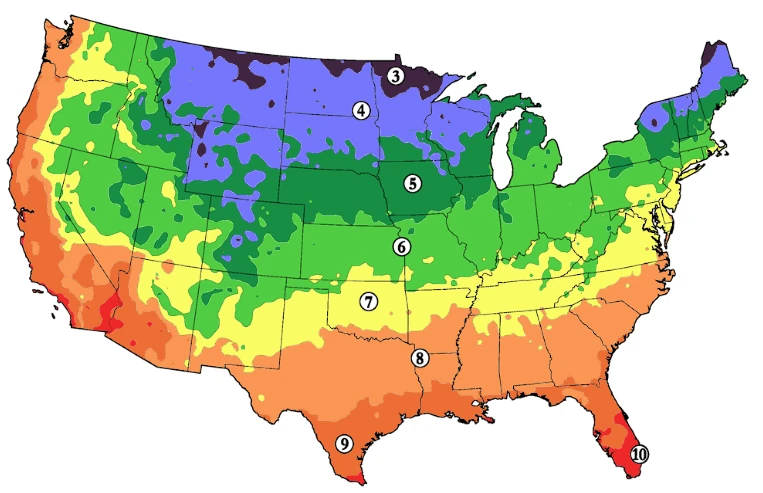
Shaded areas show where this product grows.
USDA Hardiness Zones
A hardiness zone is a geographic area defined by average annual minimum winter temperatures, helping gardeners determine which plants can survive in their region. Developed by the USDA, the 13 numerical zones indicate cold hardiness—for example, a plant "hardy to zone 10" tolerates minimum temperatures of 30 to 40 °F (−1.1 to 4.4 °C).
Grows in zones: 6 - 10
A hardiness zone is a geographic area defined by average annual minimum winter temperatures, helping gardeners determine which plants can survive in their region. Developed by the USDA, the 13 numerical zones indicate cold hardiness—for example, a plant "hardy to zone 10" tolerates minimum temperatures of 30 to 40 °F (−1.1 to 4.4 °C).