

Latham Raspberry Plant
2 Year Transplant (Fruiting Size)
$14.95
Ships: 12/01/2026 - 04/01/2027
Description
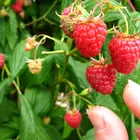
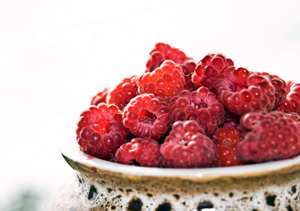
The Latham Raspberry plant produces large, bright red colored fruit, with a delicious sweet flavor. It is a heavy producer that is good for colder climates. Folks should remember to avoid planting in areas with humid summers. The Latham Red Raspberry plants normally ripens in late June to mid-July. Berries are ready to pick when they are dee, bright red and pull away from the core very easily without crushing.
Characteristics
| Bloom Color | Primarily white, often light pink |
| Bloom Time | Late May to Early June |
| Fruit Color | Bright Red |
| Fruit Size | Large |
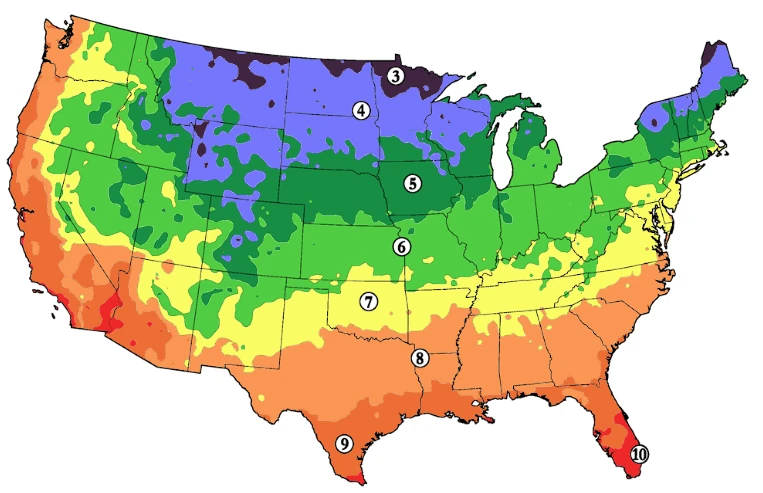
| Hardiness Zone Range | 3 - 8 |
| Pollination | Self Fertile |
| Ripens/Harvest | Late June to Mid July |
| Shade/Sun | Full Sun |
| Soil Composition | Rich and loamy, slightly acidic |
| Soil Moisture | Well-drained |
| Soil pH Level | 6.0-6.8 |
| Taste | Delightfully Sweet |
| Texture | Firm |
| Years to Bear | 2nd Year (Floricane) |
| Mature Width | 3-4 Feet Wide |
| Mature Height | 4-6 Feet Tall |
Zones
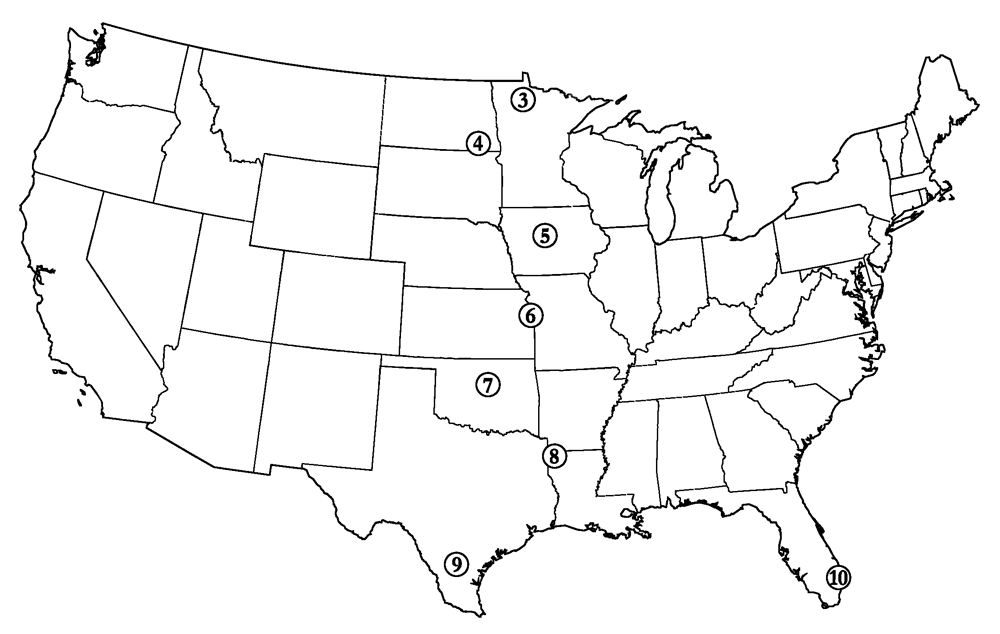
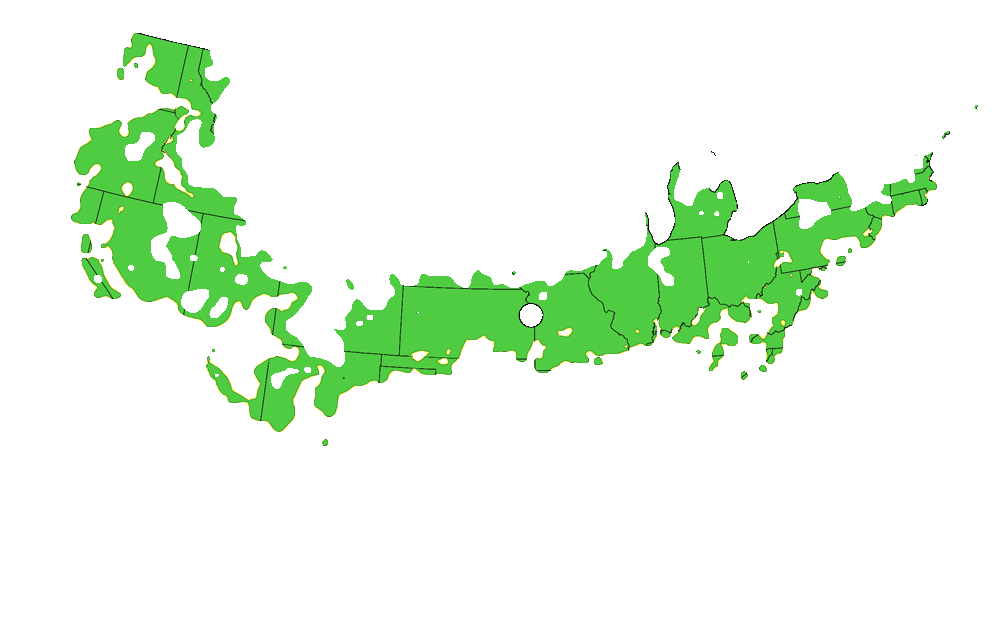
Shaded areas show where this product grows.
USDA Hardiness Zones
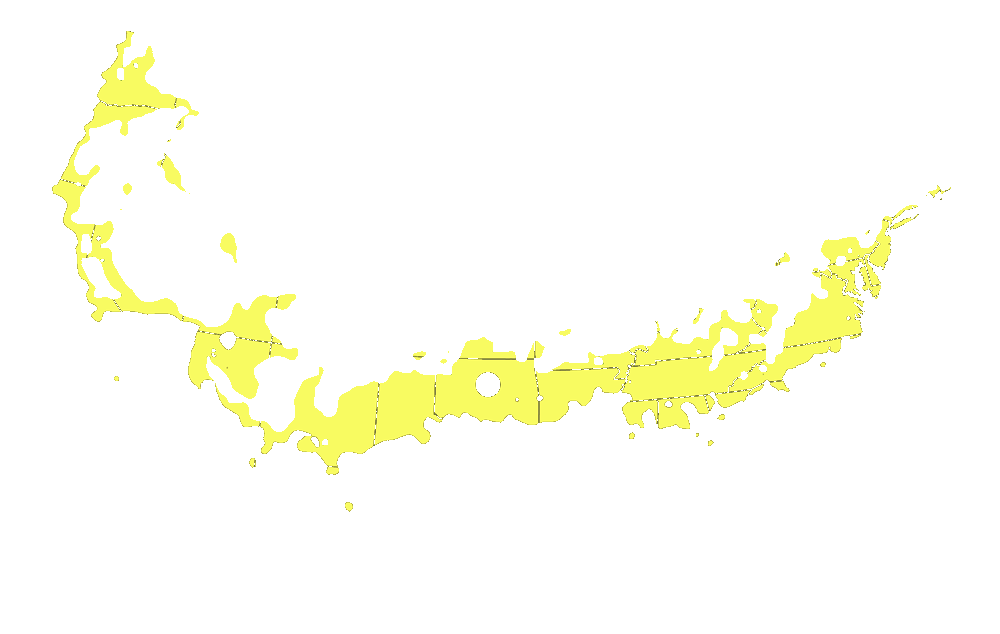
A hardiness zone is a geographic area defined by average annual minimum winter temperatures, helping gardeners determine which plants can survive in their region. Developed by the USDA, the 13 numerical zones indicate cold hardiness—for example, a plant "hardy to zone 10" tolerates minimum temperatures of 30 to 40 °F (−1.1 to 4.4 °C).
Grows in zones: 3 - 8
A hardiness zone is a geographic area defined by average annual minimum winter temperatures, helping gardeners determine which plants can survive in their region. Developed by the USDA, the 13 numerical zones indicate cold hardiness—for example, a plant "hardy to zone 10" tolerates minimum temperatures of 30 to 40 °F (−1.1 to 4.4 °C).




More Information
Note: Many gardeners do their pruning in the late fall. Waiting until late winter or early spring (while the plant is still dormant) is often recommended in colder climates. Leaving the old canes standing through the winter helps trap snow, which insulates the plant's roots and provides vital moisture.