American Plum Seedling
1-2'
$9.95
Ships: 12/01/2026 - 03/15/2027
Description
This product cannot be shipped to California.
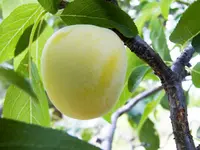
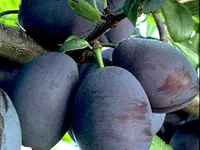
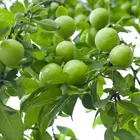
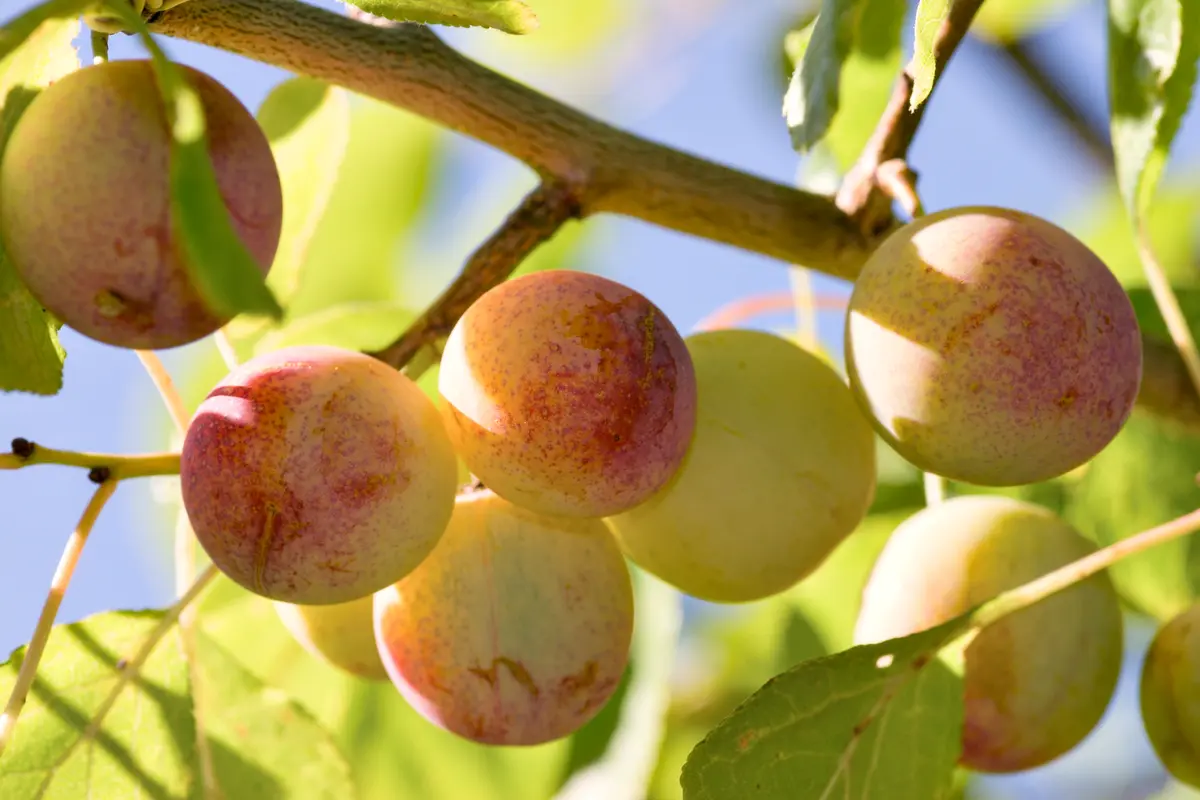
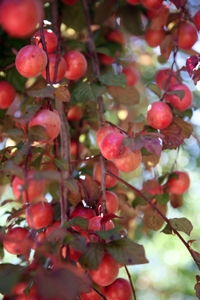
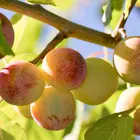
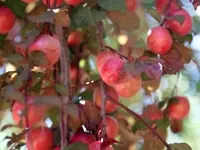
This American Plum for sale is a deciduous tree capable of reaching heights and spreads up to 25' forming a rounded crown. As a shrub, it suckers freely and can form large colonies. The American Plum's 2 to 5 inch white flower pods appear in early spring before the foliage appears. Flowers are followed by edible, round, red plums with bright yellow pulp which ripen in early-mid summer. The American Plum seedling is very adaptable to a wide variety of environmental conditions, including soils that are rich, average, poor, or rocky, and of acidic, neutral, or alkaline pH. This species likes moist, well-drained soils and can tolerate drier soils. The American Plum tree is also important to songbirds and animals for nesting, loafing, and as a bedding area. The twigs and foliage are also browsed by deer, not to mention the delicious fruits that are loved by many forest animals and humans too.
Characteristics
| Bloom Color | White |
| Bloom Time | Early Spring |
| Fruit Color | Red |
| Fruit Size | Small |
| Hardiness Zone Range | 3 - 8 |
| Pollination | Partially Self-fertile. Recommend multiple plants. |
| Ripens/Harvest | Summer |
| Shade/Sun | Full Sun to Part Shade |
| Soil Composition | Sandy, loamy, and well-draining |
| Soil Moisture | Consistent watering is necessary while young, but mature trees are highly drought-tolerant. |
| Soil pH Level | 6.0-7.0 |
| Taste | Sweet-Tart |
| Texture | Delicate and smooth |
| Years to Bear | 2-3 years |
Pricing
| Size | Price | Ships |
|---|---|---|
|
1-2'
|
$9.95 | 12/01/2026 - 03/15/2027 |
|
(10 Plants) 1-2' Seedlings
|
$89.95 | 12/01/2026 - 03/15/2027 |
|
2-3'
|
$12.95 | 12/01/2026 - 03/15/2027 |
|
3-4'
|
$19.95 | 12/01/2026 - 03/15/2027 |
|
4-5'
|
$29.95 | 12/01/2026 - 03/15/2027 |
|
5-6'
|
$39.95 | 12/01/2026 - 03/15/2027 |
|
6-7'
|
$74.95 | 12/01/2026 - 03/15/2027 |
Zones
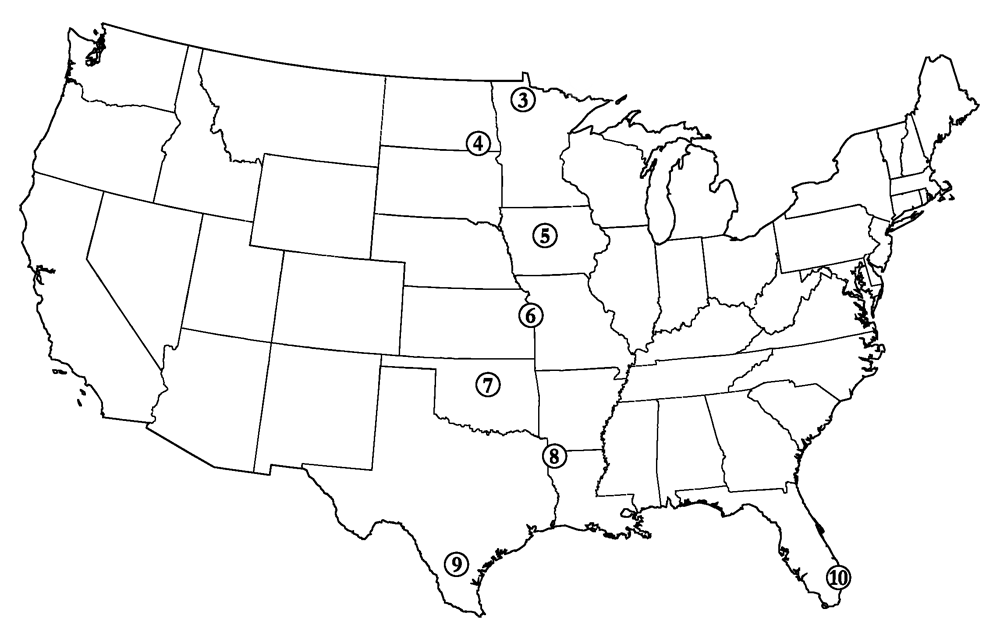
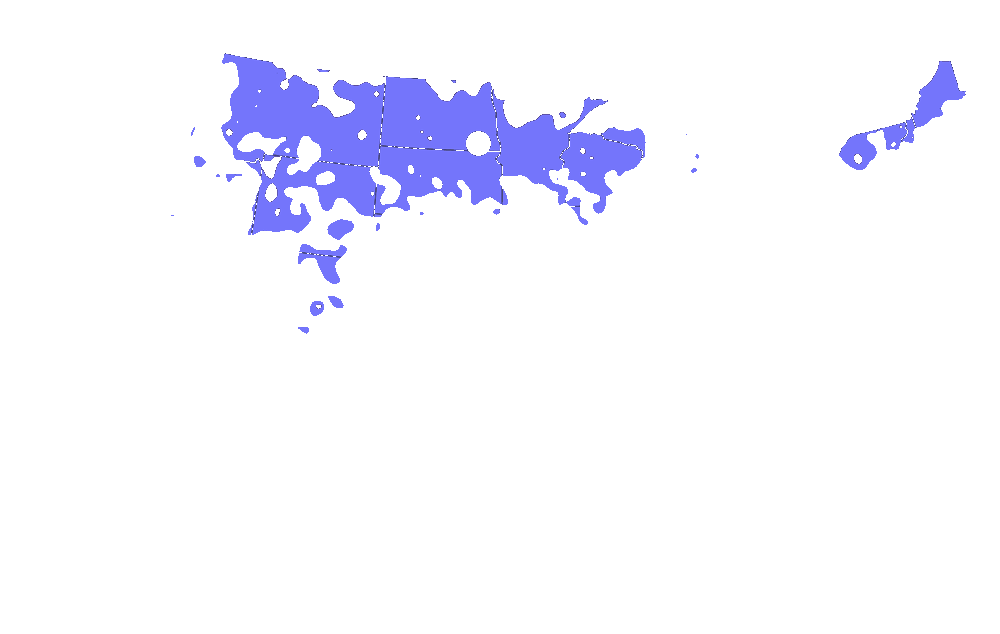
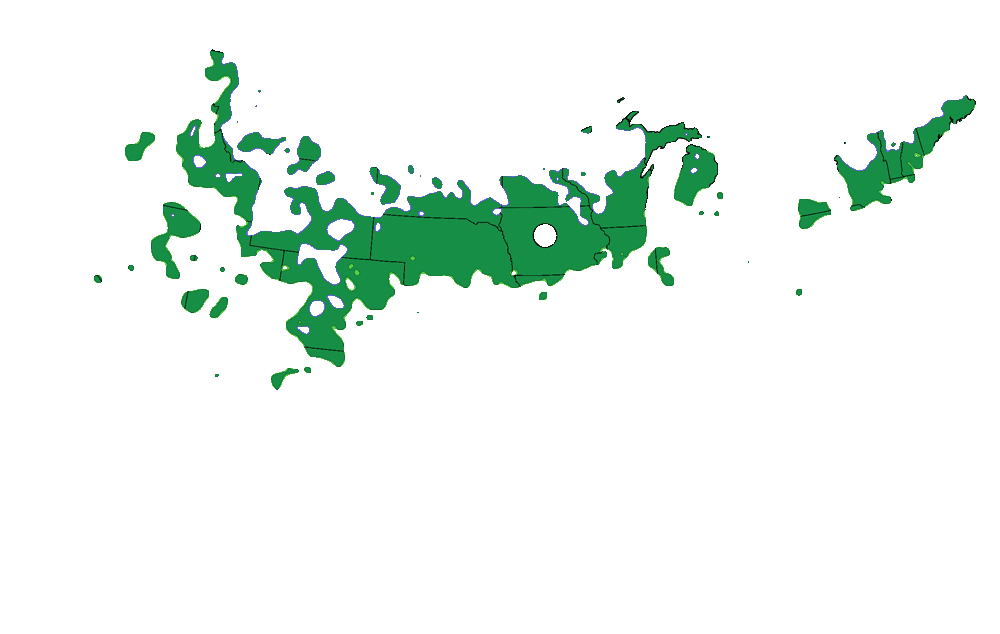
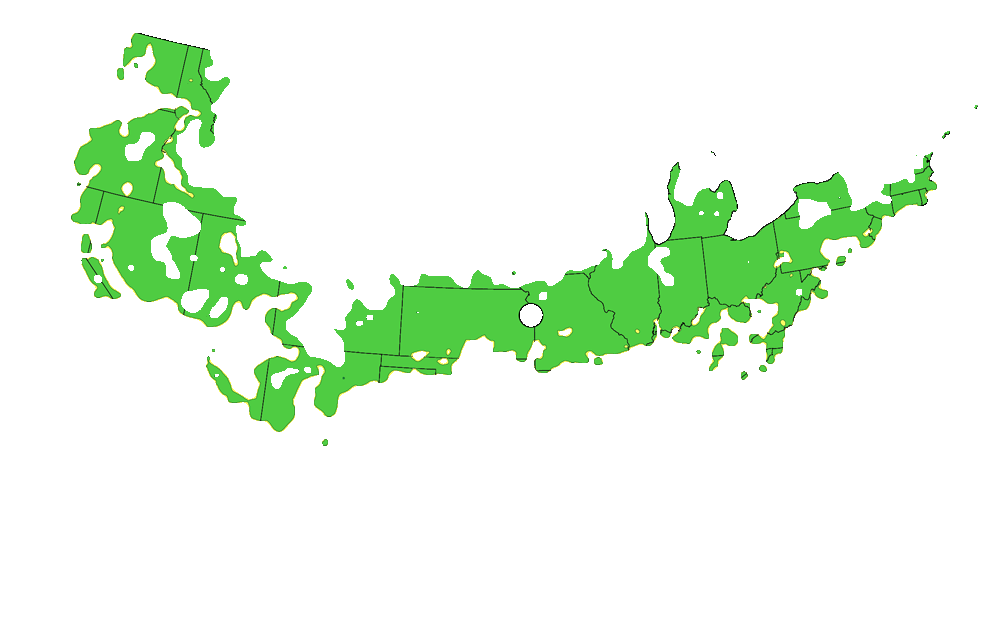
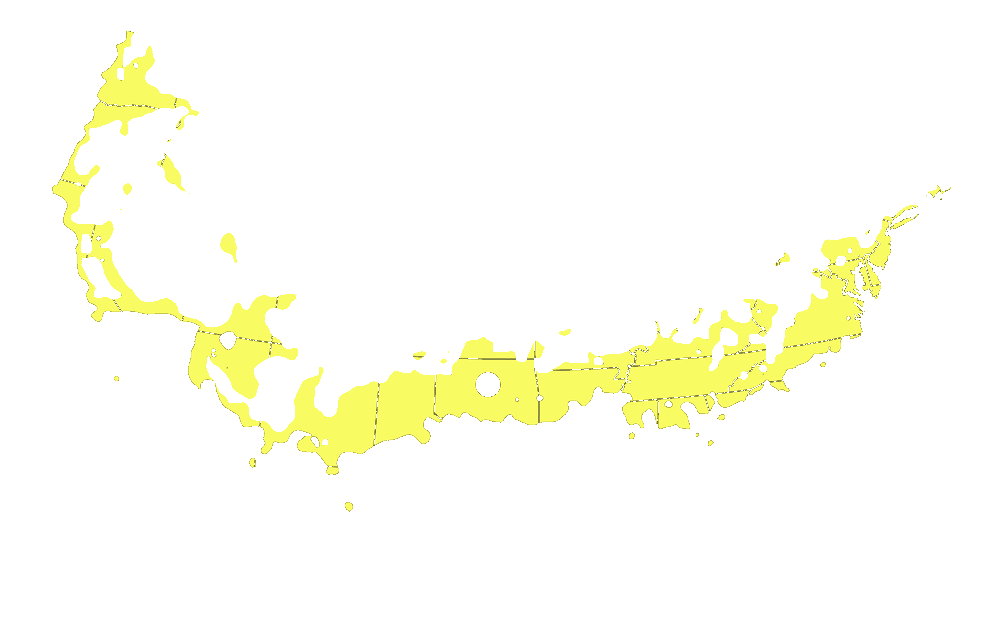
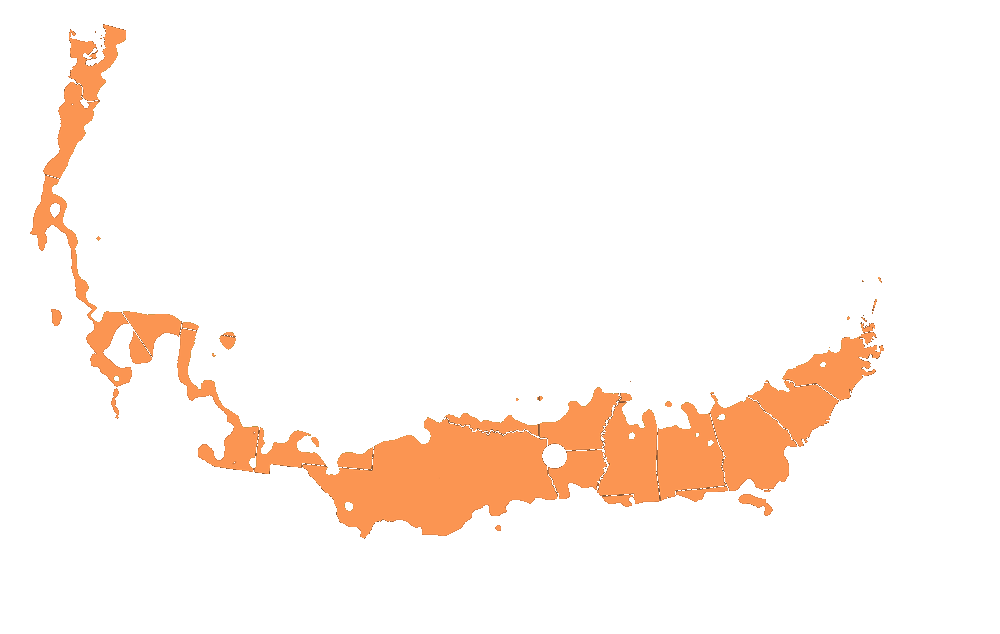
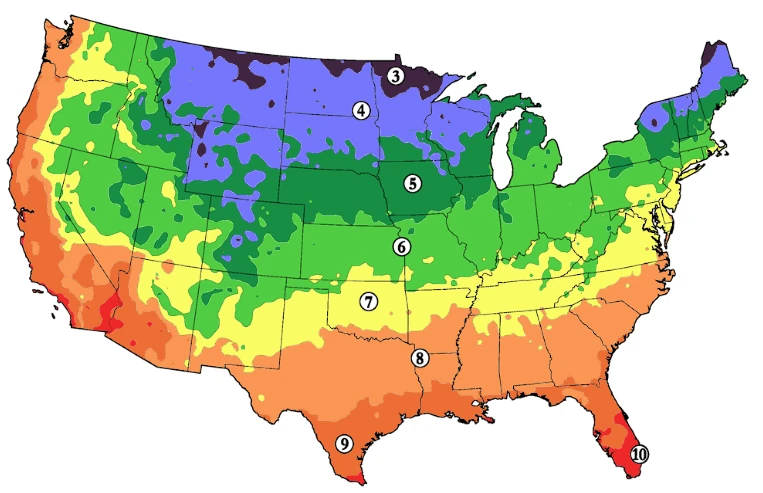
Shaded areas show where this product grows.
USDA Hardiness Zones
A hardiness zone is a geographic area defined by average annual minimum winter temperatures, helping gardeners determine which plants can survive in their region. Developed by the USDA, the 13 numerical zones indicate cold hardiness—for example, a plant "hardy to zone 10" tolerates minimum temperatures of 30 to 40 °F (−1.1 to 4.4 °C).
Grows in zones: 3 - 8
A hardiness zone is a geographic area defined by average annual minimum winter temperatures, helping gardeners determine which plants can survive in their region. Developed by the USDA, the 13 numerical zones indicate cold hardiness—for example, a plant "hardy to zone 10" tolerates minimum temperatures of 30 to 40 °F (−1.1 to 4.4 °C).