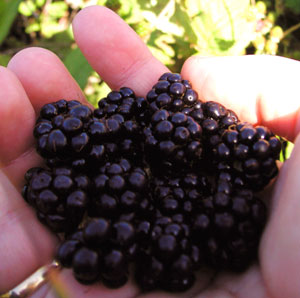


Austin Dewberry Plant
Rubus caesius 'Austin'
1 Year Old
$5.95
Ships: 12/01/2026 - 03/15/2027
Description
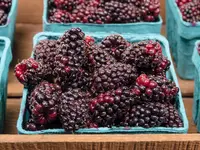
The Austin Dewberry plant is a trailing bramble related to the blackberry. The Austin Dewberry has long, creeping canes that lay on the ground. It needs support like a low trellis and/or fence or the canes will trail directly in the dirt. Dewberries are very flavorful and are commonly used to make cobblers, pies, and jellies. Dewberry plants are heat lovers and are tender in severe cold. In northern climates, canes should be laid on the ground and protected with straw over the winter. Normally this thorny-type berry ripens around 7 to 10 days before other varieties of blackberries.
Characteristics
| Bloom Color | White |
| Bloom Time | Early Spring |
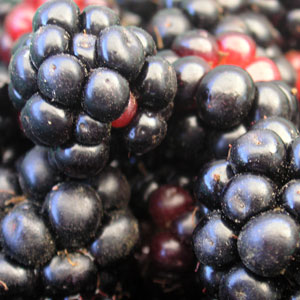
| Fruit Color | Dark Purple Black |
| Fruit Size | Large |
| Hardiness Zone Range | 6 - 9 |
| Pollination | Self Fertile |
| Ripens/Harvest | Late May / June |
| Shade/Sun | Full Sun |
| Soil Composition | Prefers sandy loamy soil |
| Soil Moisture | Well-drained moist |
| Soil pH Level | 5.5 to 6.5 |
| Taste | Sweet Tart |
| Texture | Firm |
| Years to Bear | 1-2 Years |
| Mature Width | 2-3 Feet Wide |
| Mature Height | 6' Trailing Vine |
Zones
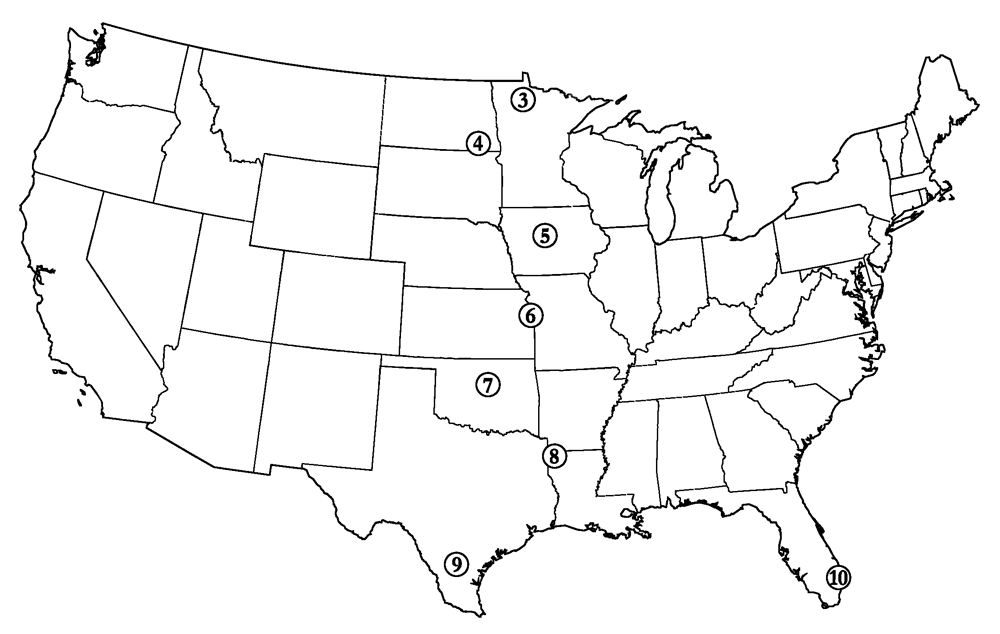
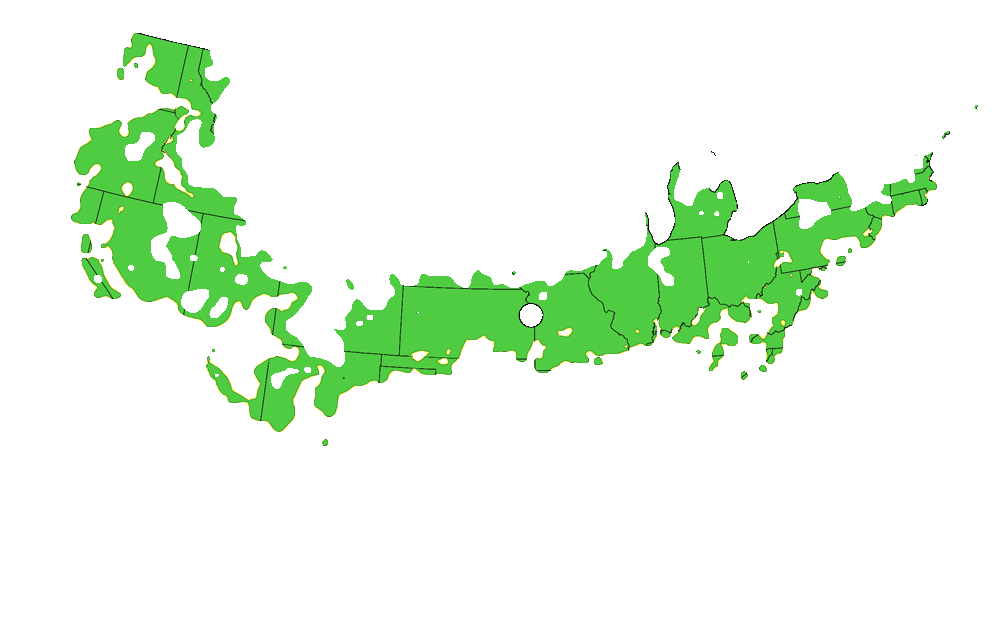
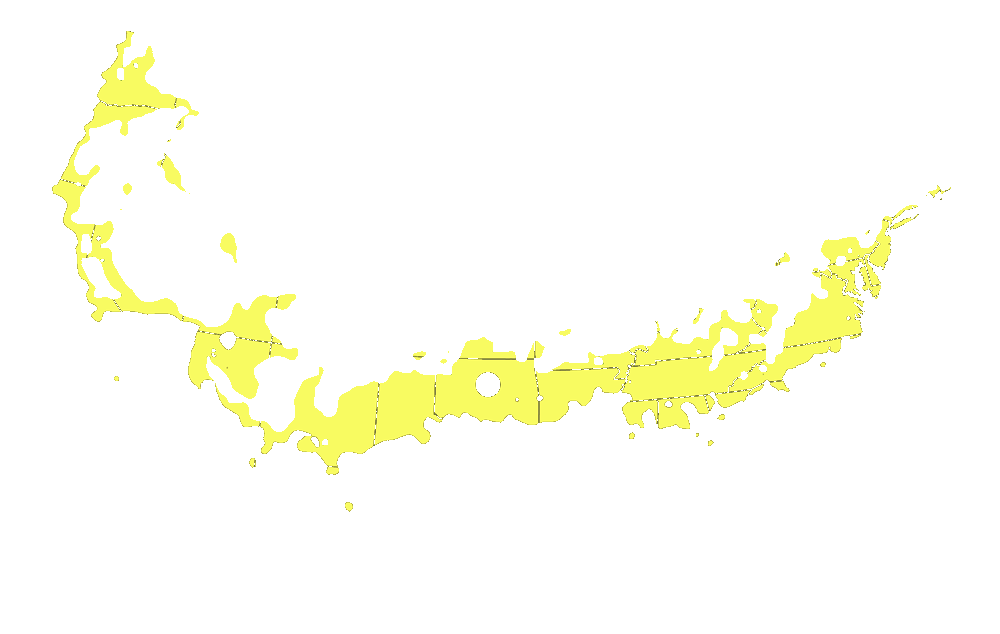
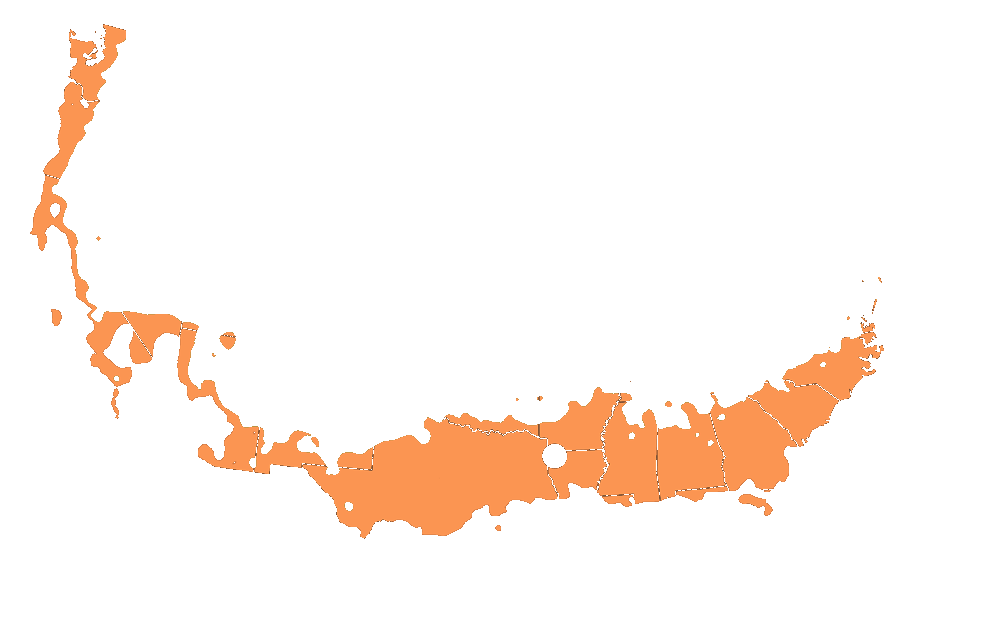
Shaded areas show where this product grows.
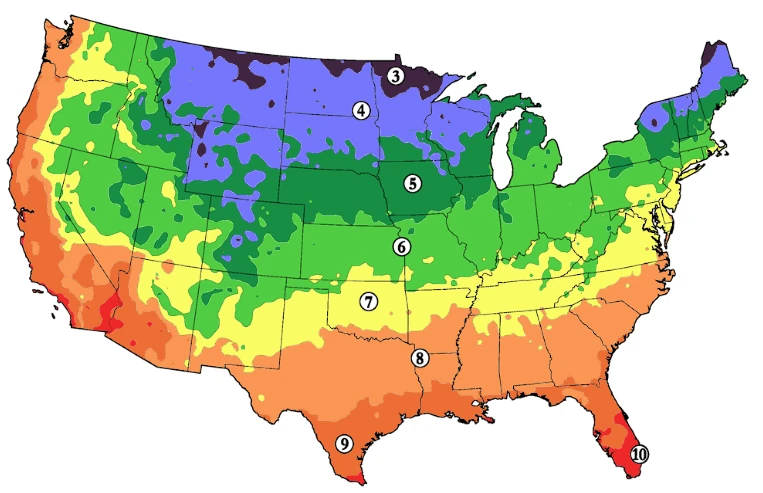
USDA Hardiness Zones
A hardiness zone is a geographic area defined by average annual minimum winter temperatures, helping gardeners determine which plants can survive in their region. Developed by the USDA, the 13 numerical zones indicate cold hardiness—for example, a plant "hardy to zone 10" tolerates minimum temperatures of 30 to 40 °F (−1.1 to 4.4 °C).
Grows in zones: 6 - 9
A hardiness zone is a geographic area defined by average annual minimum winter temperatures, helping gardeners determine which plants can survive in their region. Developed by the USDA, the 13 numerical zones indicate cold hardiness—for example, a plant "hardy to zone 10" tolerates minimum temperatures of 30 to 40 °F (−1.1 to 4.4 °C).