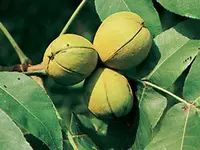
Shellbark Hickory Tree
6-12"
$8.95
Ships: 12/01/2026 - 04/01/2027
Description
This product cannot be shipped to California.
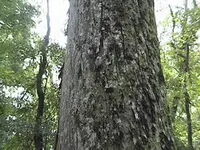
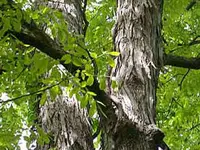
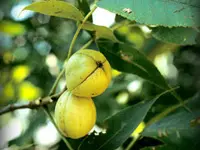
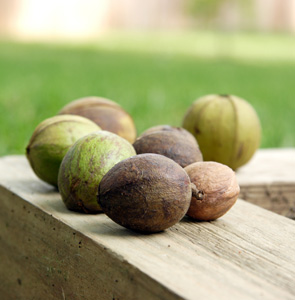
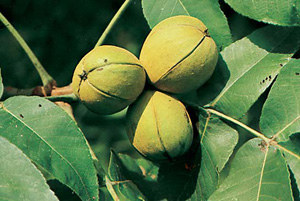
The Shellbark Hickory Tree is similar to the Shagbark hickory tree in its bark, though it is not as shaggy. This hickory features larger sized nuts than other types, and can generally be found in wet, fertile bottomland areas. Shellbark is a less common variety compared to such varieties as the Shagbark and Bitternut, however it is no less worthy to be planted, and it's wood is used in many of the same ways. Choose Willis Orchards for top-quality hickory nut trees for sale!
Characteristics
| Bloom Color | Greenish-Yellow |
| Bloom Time | Late Spring |
| Fruit Color | Golden Brown |
| Fruit Size | 1-2 inches |
| Hardiness Zone Range | 5 - 9 |
| Pollination | Requires Pollinator |
| Ripens/Harvest | September - November |
| Shade/Sun | Full Sun |
| Soil Composition | High Organic Content / Silty Loam |
| Soil Moisture | Consistently Moist |
| Soil pH Level | 6.0-7.0 |
| Taste | Sweet & Buttery |
| Texture | Meaty & Crisp |
| Years to Bear | 10-20 |
Zones
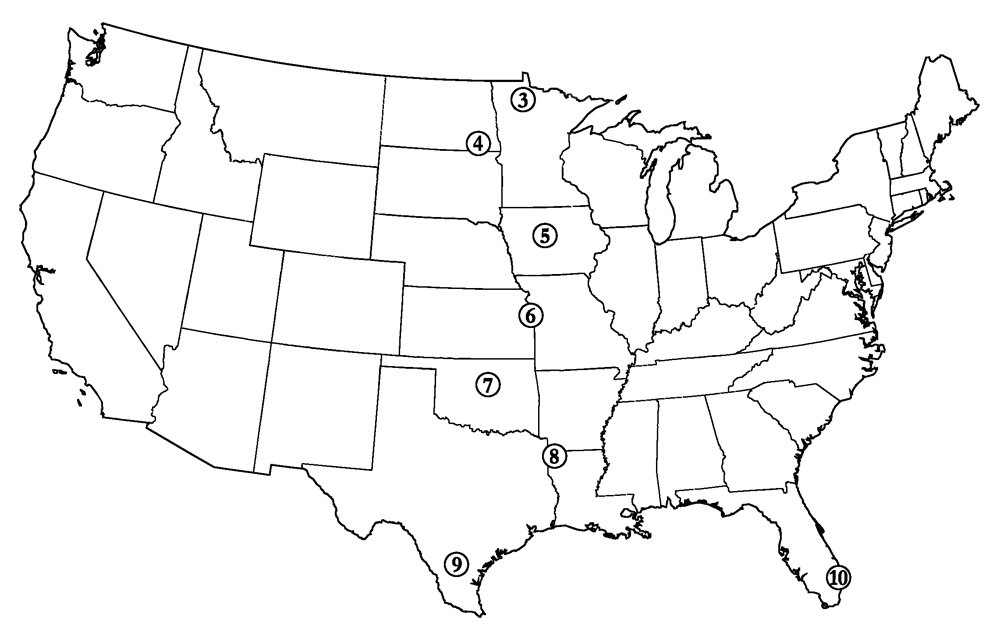
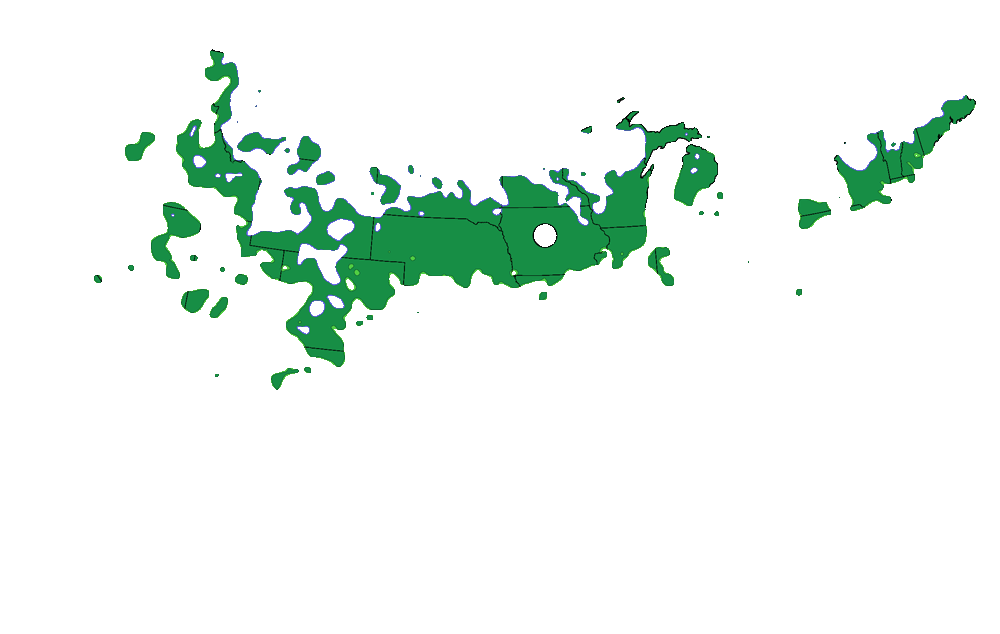
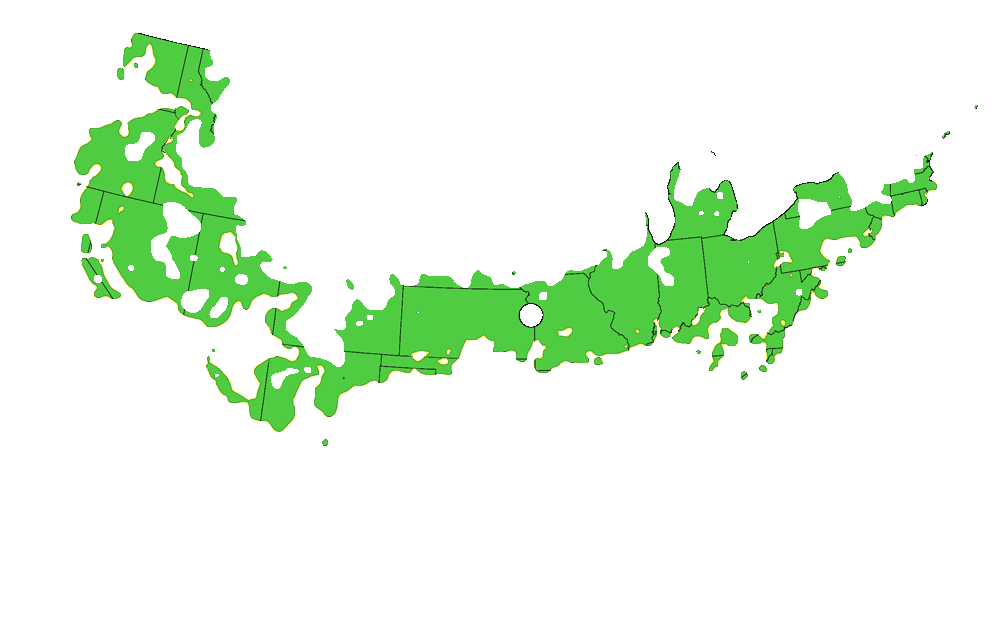
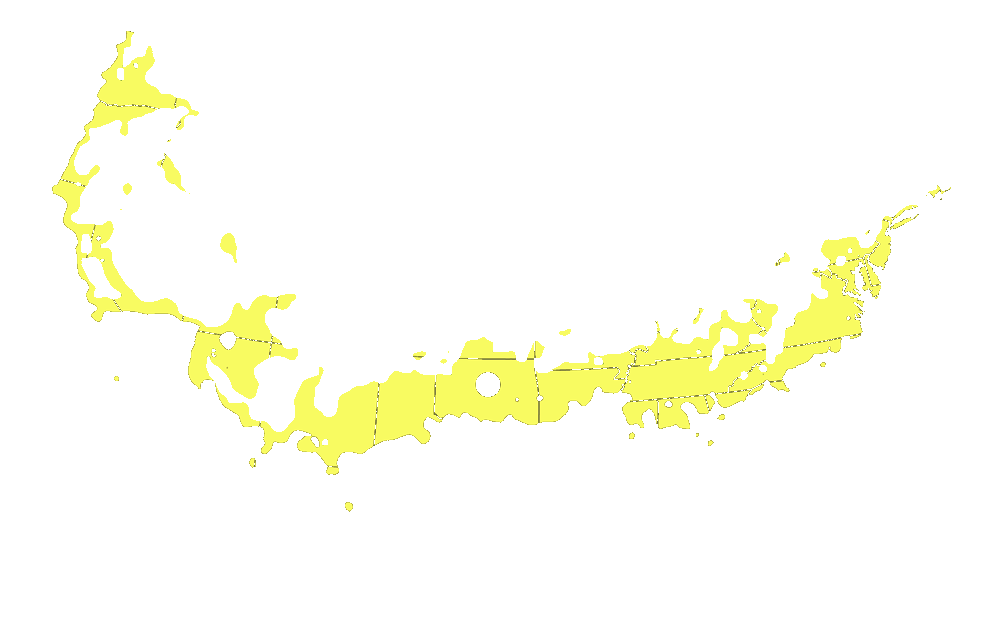
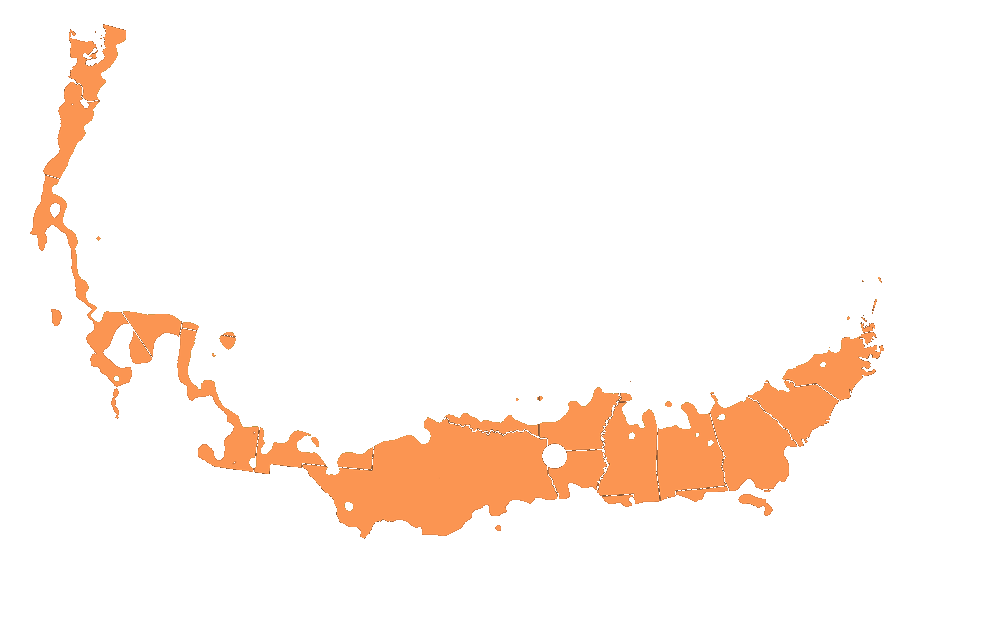
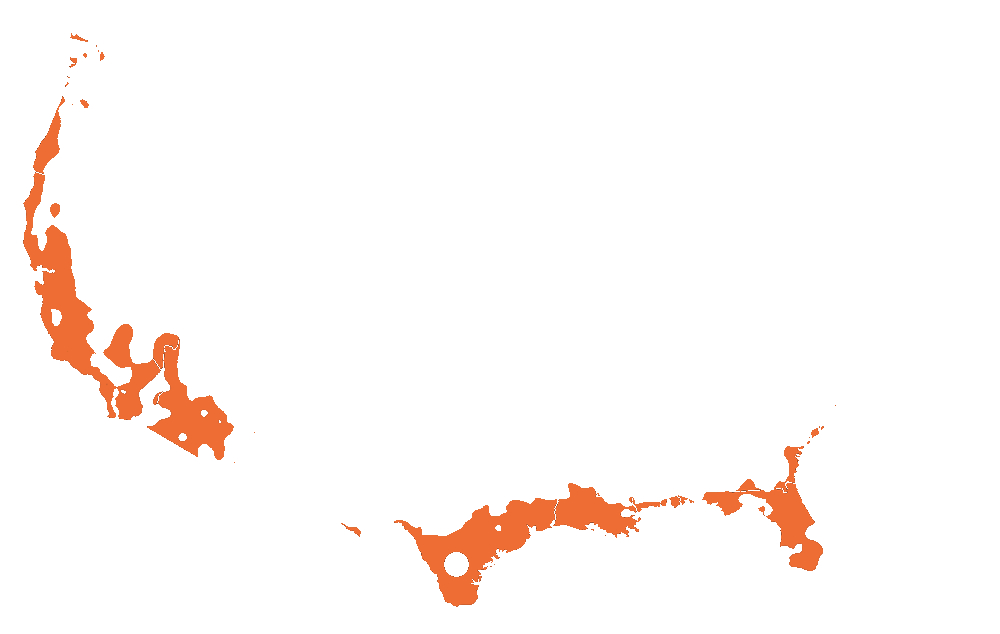
Shaded areas show where this product grows.
USDA Hardiness Zones
A hardiness zone is a geographic area defined by average annual minimum winter temperatures, helping gardeners determine which plants can survive in their region. Developed by the USDA, the 13 numerical zones indicate cold hardiness—for example, a plant "hardy to zone 10" tolerates minimum temperatures of 30 to 40 °F (−1.1 to 4.4 °C).
Grows in zones: 5 - 9
A hardiness zone is a geographic area defined by average annual minimum winter temperatures, helping gardeners determine which plants can survive in their region. Developed by the USDA, the 13 numerical zones indicate cold hardiness—for example, a plant "hardy to zone 10" tolerates minimum temperatures of 30 to 40 °F (−1.1 to 4.4 °C).