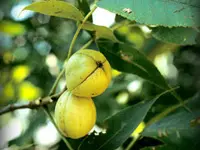
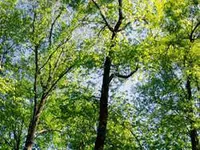
Mockernut Hickory Tree
6-12"
$8.95
Ships: 12/01/2026 - 04/01/2027
Description
This product cannot be shipped to California.
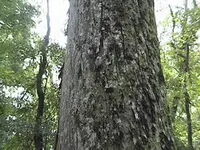
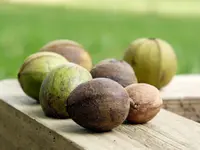
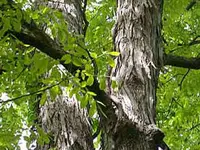
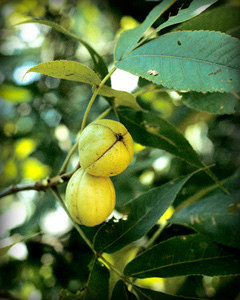
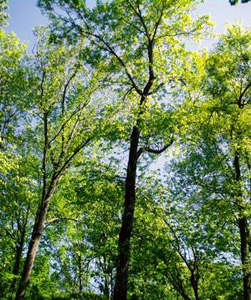
The Mockernut Hickory Tree grows well on rich, moist, well-drained soils within upland areas, and is sometimes found on flood plains as well. The Mockernut Hickory can be found in hardwood forests at times, alongside many oak trees. Hickory Nut trees are most commonly found in the south-eastern United States and feature hard, strong, tough wood, with sweet, edible kernels within the nuts. Choose Willis Orchards for top-quality Mockernut Hickory Trees for sale!
Characteristics
| Bloom Color | Yellowish-Green |
| Bloom Time | Spring |
| Fruit Color | Light Brown |
| Fruit Size | 1-2 inches |
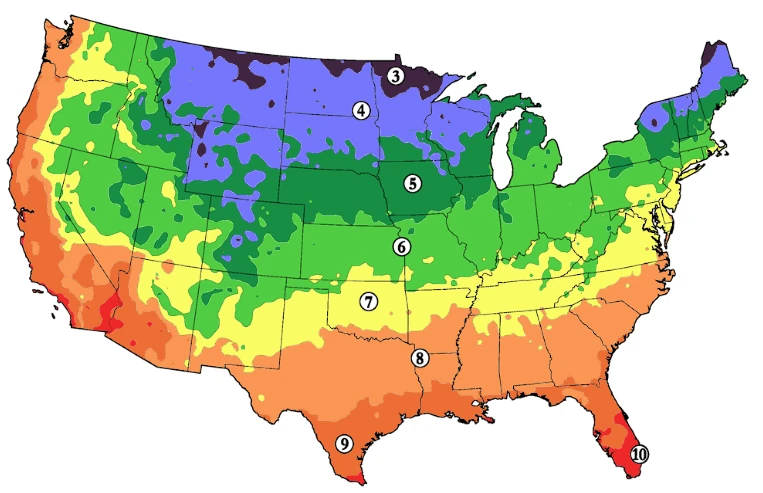
| Hardiness Zone Range | 5 - 9 |
| Pollination | Requires Pollinator |
| Ripens/Harvest | September - October |
| Shade/Sun | Full Sun |
| Soil Composition | Nutrient Rich Loam |
| Soil Moisture | Well-Draining |
| Soil pH Level | 6.0-7.0 |
| Taste | Rich & Oily |
| Texture | Crunchy & Dense |
| Years to Bear | 25-40 |
Zones
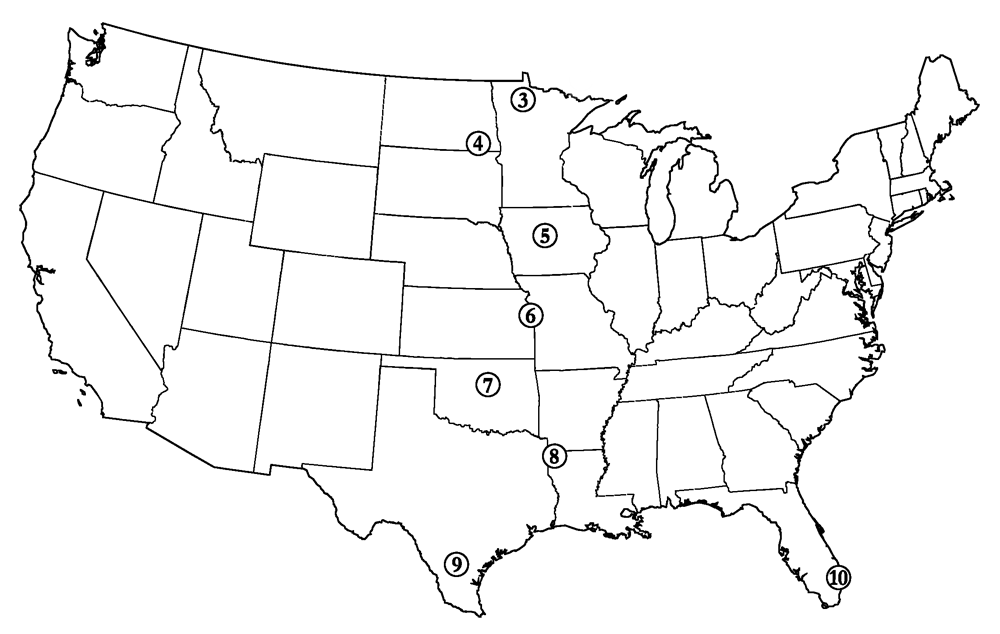
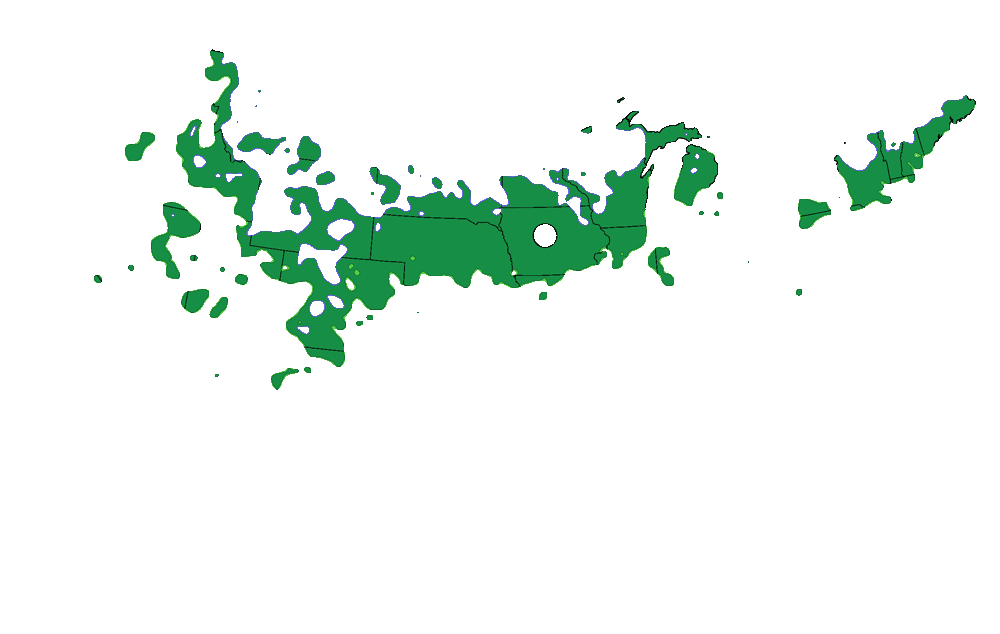
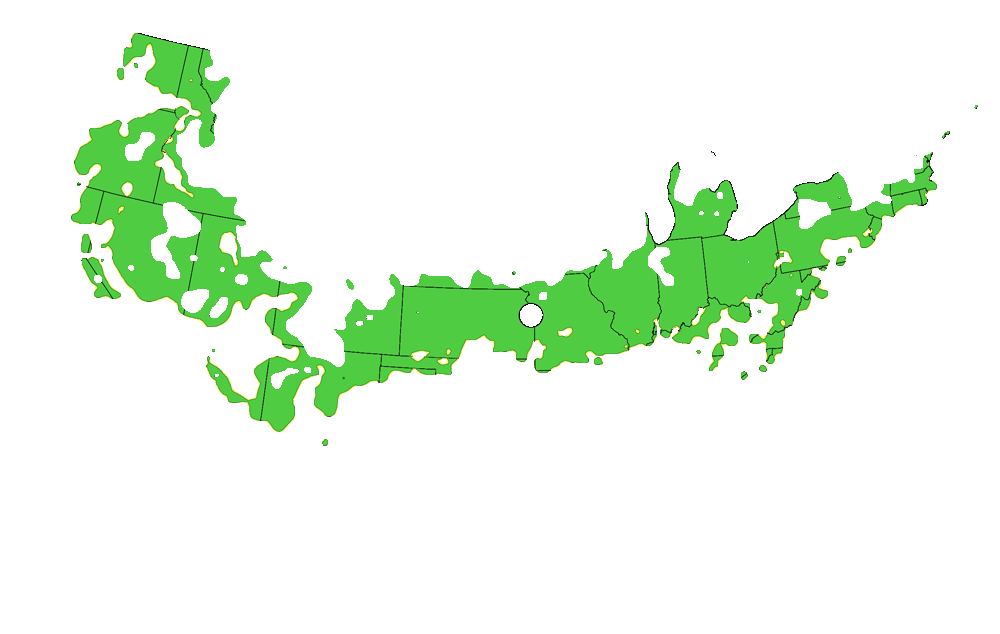
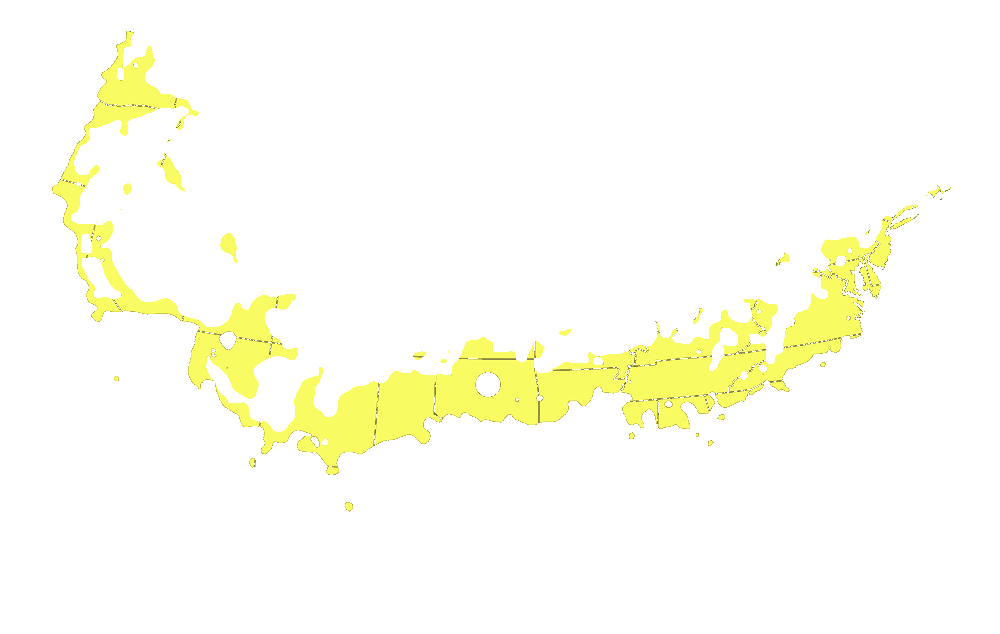
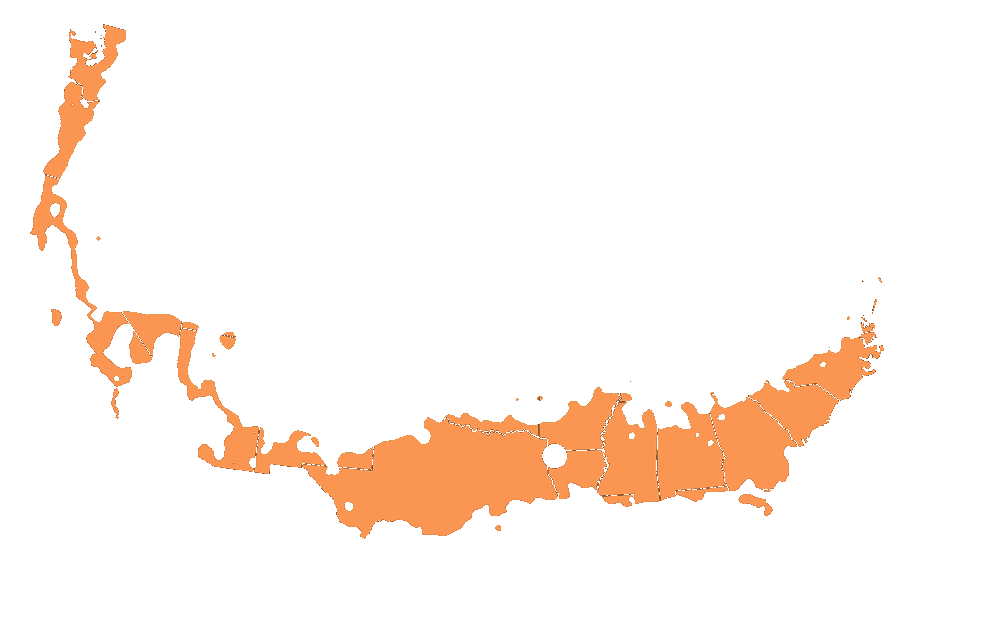
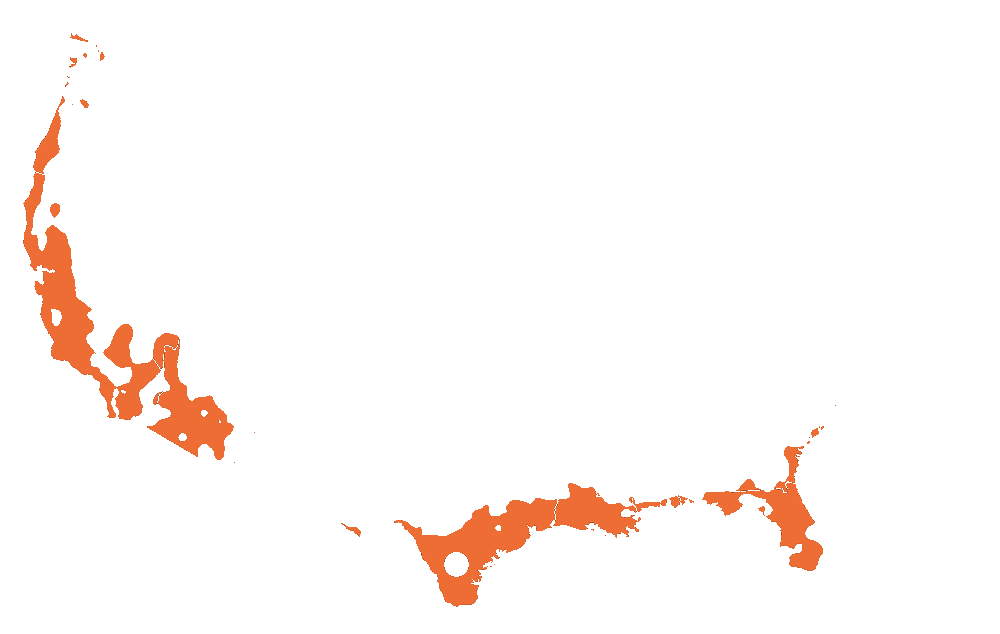
Shaded areas show where this product grows.
USDA Hardiness Zones
A hardiness zone is a geographic area defined by average annual minimum winter temperatures, helping gardeners determine which plants can survive in their region. Developed by the USDA, the 13 numerical zones indicate cold hardiness—for example, a plant "hardy to zone 10" tolerates minimum temperatures of 30 to 40 °F (−1.1 to 4.4 °C).
Grows in zones: 5 - 9
A hardiness zone is a geographic area defined by average annual minimum winter temperatures, helping gardeners determine which plants can survive in their region. Developed by the USDA, the 13 numerical zones indicate cold hardiness—for example, a plant "hardy to zone 10" tolerates minimum temperatures of 30 to 40 °F (−1.1 to 4.4 °C).