Orange Quince
5-6' (1-1.25" caliper - Fruiting Size)
$99.95
Ships: 12/15/2026 - 03/15/2027
Description
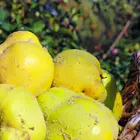
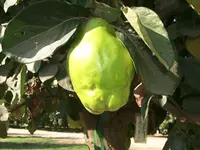
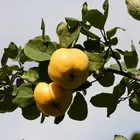
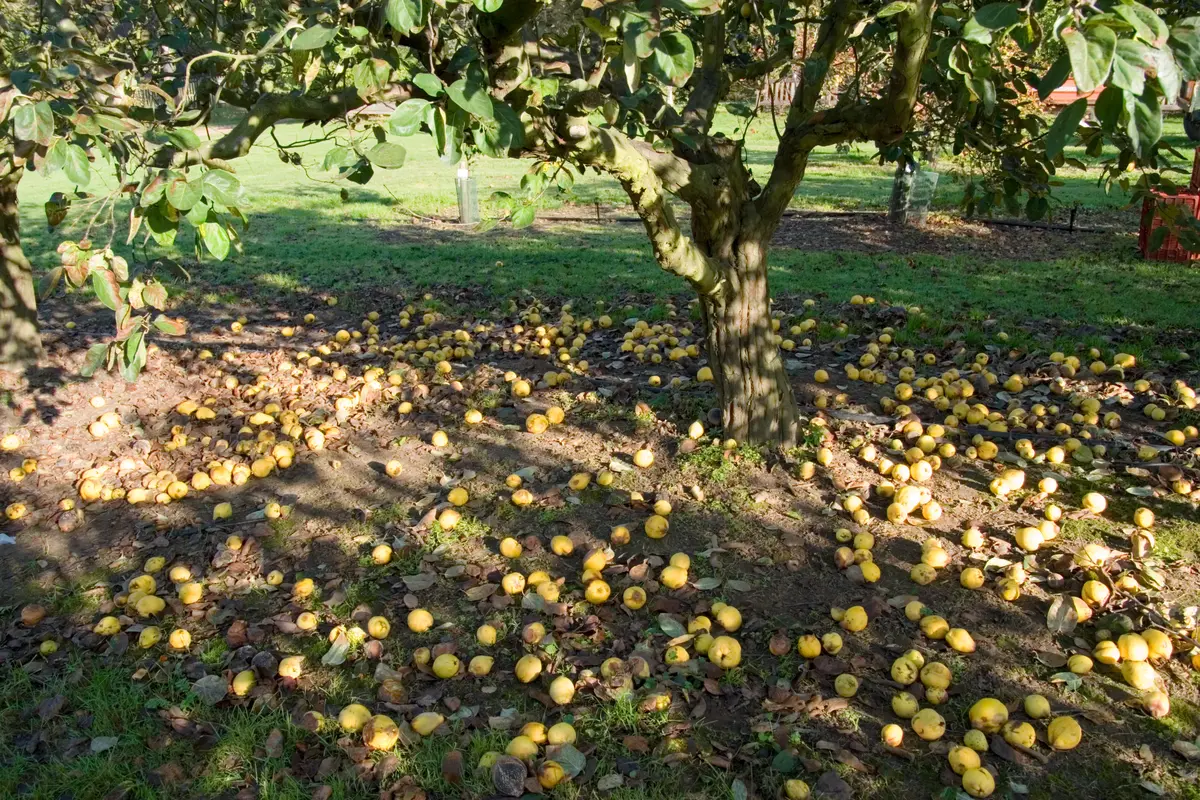
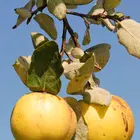
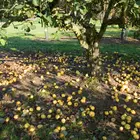
The Orange Quince is a very adaptable growing well in a range of conditions. This tree is just about as hardy as the peach, surviving temperatures as low as 0º F. Its branches will most likely die back if exposed to temperatures below -15º F, though the root will survive. The Quince can grow up to 20 feet high with unusual, crooked branches. They do best grown in moist, heavy soils and are often found in the wild near creek banks making this fruit a delicacy for wildlife. The orange quince bears heavily with large, bright yellow pear shaped fruits that are flavorful and aromatic. The Orange Quince fruit ripens in October through December and can extend through February in some colder areas. The Orange Quince is a self fertile tree and requires 300 chill hours.
Characteristics
| Bloom Color | Pale Pink to White |
| Bloom Time | Mid - Late Spring |
| Fruit Color | Golden |
| Fruit Size | Medium, round. |
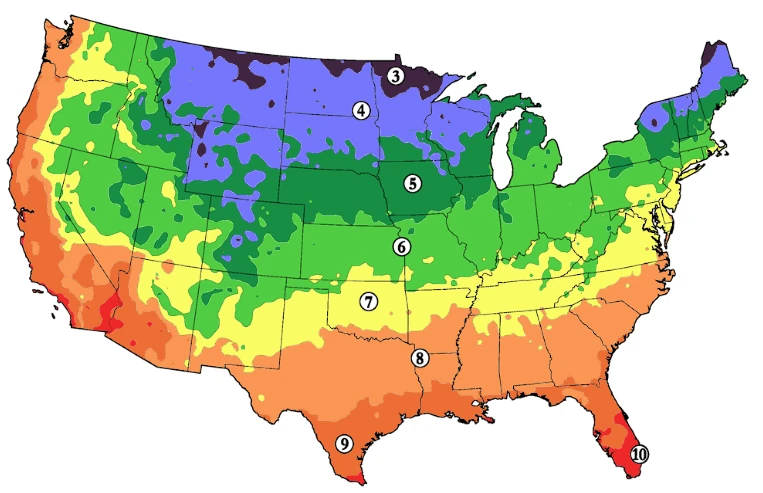
| Hardiness Zone Range | 5 - 9 |
| Pollination | Self-fertile |
| Ripens/Harvest | Mid - Late Fall |
| Shade/Sun | Full Sun |
| Soil Composition | Tolerate a wide range of soil types but require excellent drainage to prevent root rot. |
| Soil Moisture | Keep soil consistently moist but never waterlogged. |
| Soil pH Level | 6.0-7.0 |
| Taste | Tart, Sour when raw. |
| Texture | Firm, Crisp when raw. |
| Years to Bear | 3 - 5 years |
Zones
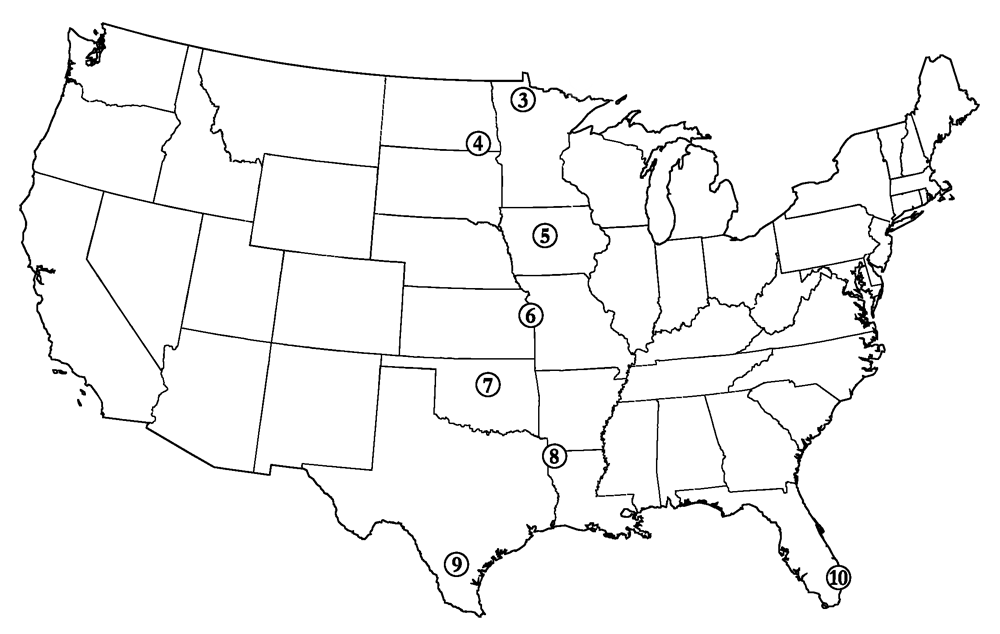
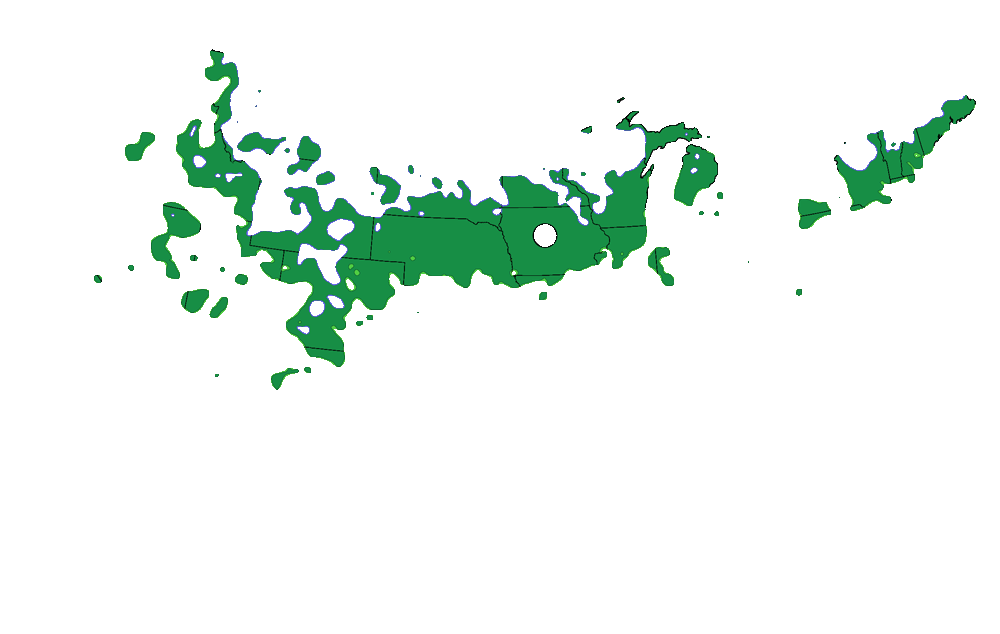
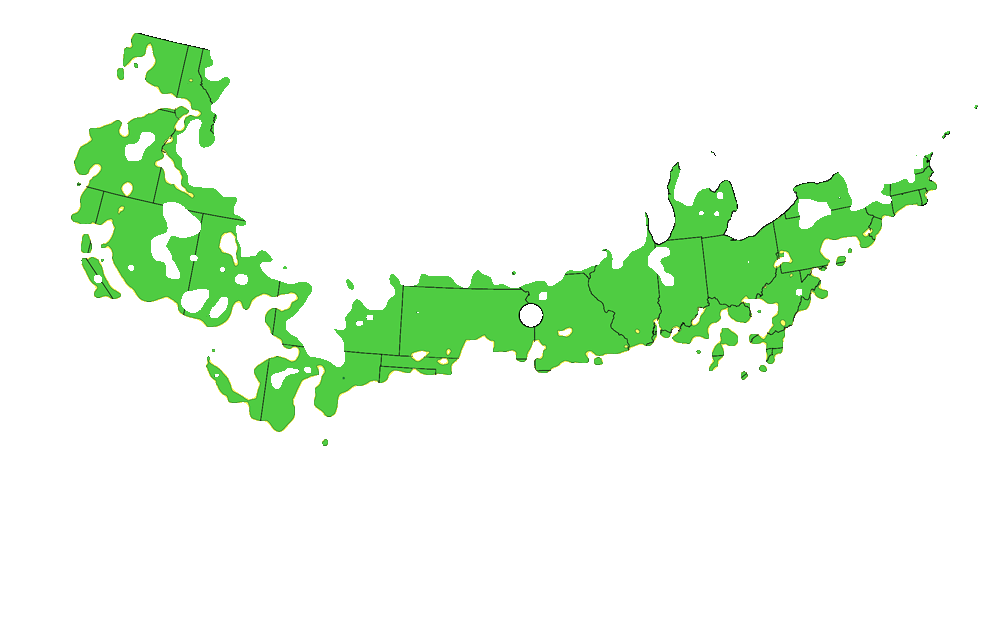
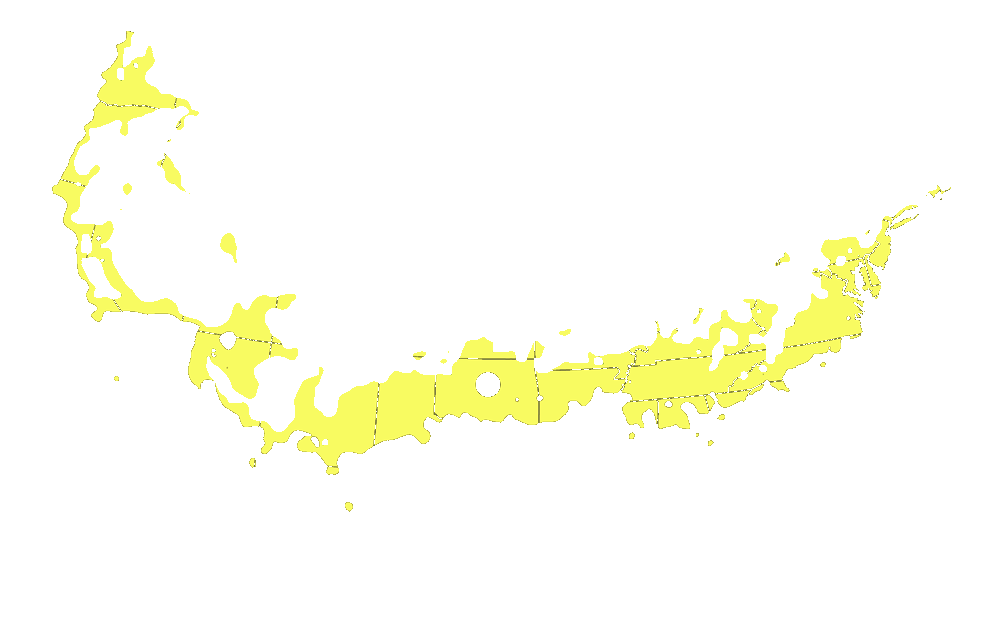
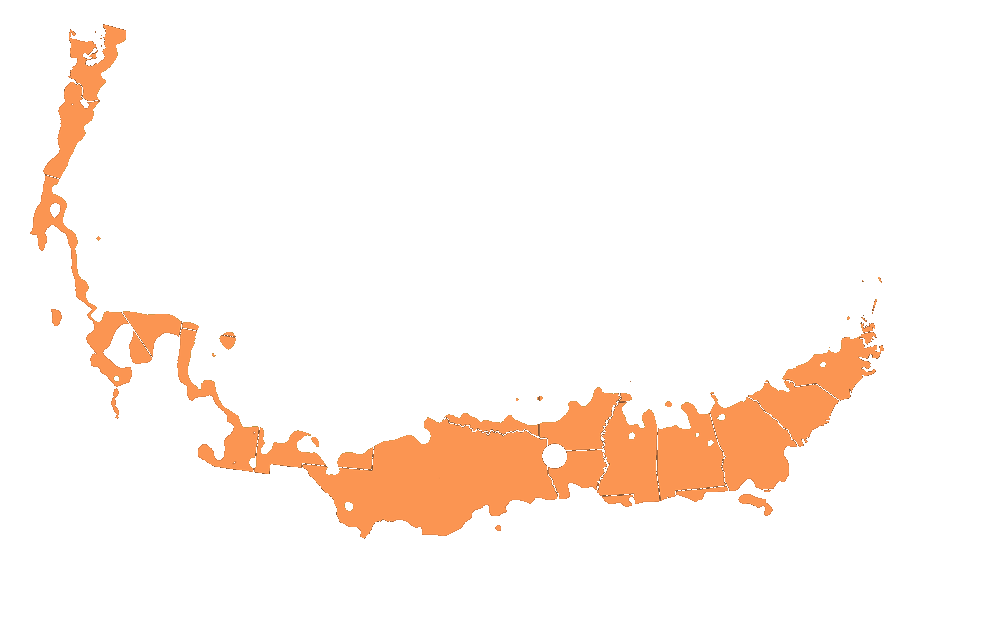
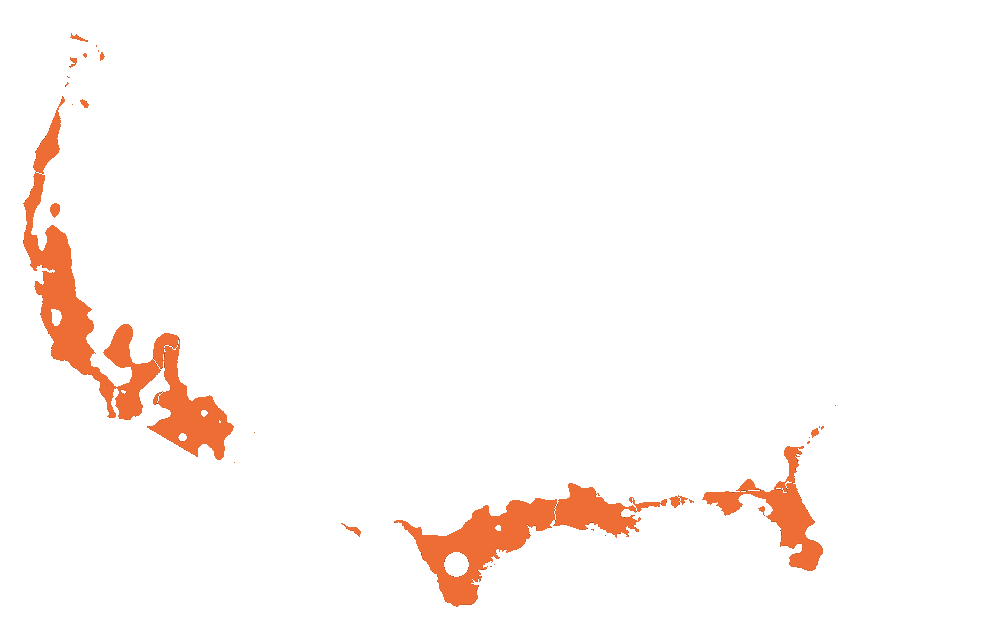
Shaded areas show where this product grows.
USDA Hardiness Zones
A hardiness zone is a geographic area defined by average annual minimum winter temperatures, helping gardeners determine which plants can survive in their region. Developed by the USDA, the 13 numerical zones indicate cold hardiness—for example, a plant "hardy to zone 10" tolerates minimum temperatures of 30 to 40 °F (−1.1 to 4.4 °C).
Grows in zones: 5 - 9
A hardiness zone is a geographic area defined by average annual minimum winter temperatures, helping gardeners determine which plants can survive in their region. Developed by the USDA, the 13 numerical zones indicate cold hardiness—for example, a plant "hardy to zone 10" tolerates minimum temperatures of 30 to 40 °F (−1.1 to 4.4 °C).