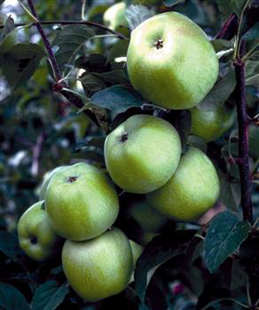
Newtown Pippin Apple Tree
+/-3' Tall
$19.95
Ships: 12/01/2026 - 03/15/2027
Description
This product cannot be shipped to California.
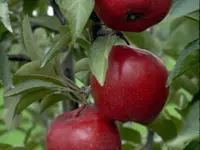
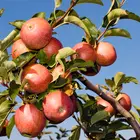
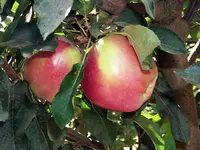
The Newtown Pippin Apple (also known as the Albemarle Pippin) is the most famous colonial American apple. It was cultivated by both George Washington and Thomas Jefferson and is still grown today for its superior flavor. The Newtown Pippin Apple is typically light green, sometimes with a yellow tinge. It is often russeted around the stem. The flesh is yellow and crisp. The flavor is delicious, somewhat tart. It is one of the best keeping apples. Originally grown as a dessert apple, the Newtown Pippin Apple is now commercially used primarily for cider. Harvest in October. Requires 700 chill hours and grows well in Zones 5-8. Choose Willis Orchards to order top-quality Newton Pippin Apple Trees for sale!
Characteristics
| Bloom Color | White |
| Bloom Time | Mid Spring |
| Fruit Color | Light Green |
| Fruit Size | 3 inches |
| Hardiness Zone Range | 5 - 8 |
| Pollination | Triploid; Requires 2 Pollinators |
| Ripens/Harvest | October |
| Shade/Sun | Full Sun |
| Soil Composition | Loam |
| Soil Moisture | Well Draining |
| Soil pH Level | 6.0-7.0 |
| Taste | Sweet-Tart |
| Texture | Crisp |
| Years to Bear | 3-5 |
Pricing
| Size | Price | Ships |
|---|---|---|
|
+/-3' Tall
|
$19.95 | 12/01/2026 - 03/15/2027 |
|
4-5' Tall
|
$29.95 | 12/01/2026 - 03/15/2027 |
|
5-6' Tall (Branched)
|
$39.95 | 12/01/2026 - 03/15/2027 |
|
+/-6' Tall (Branched)
|
$49.95 | 12/01/2026 - 03/15/2027 |
|
5-6' (3/4-1" caliper Branched/EZ- Pick - Fruiting Size)
|
$69.95 | 12/01/2026 - 03/15/2027 |
|
6-7' (1-1.25" caliper Instant Orchard)
|
$94.95 | 12/01/2026 - 03/15/2027 |
Zones
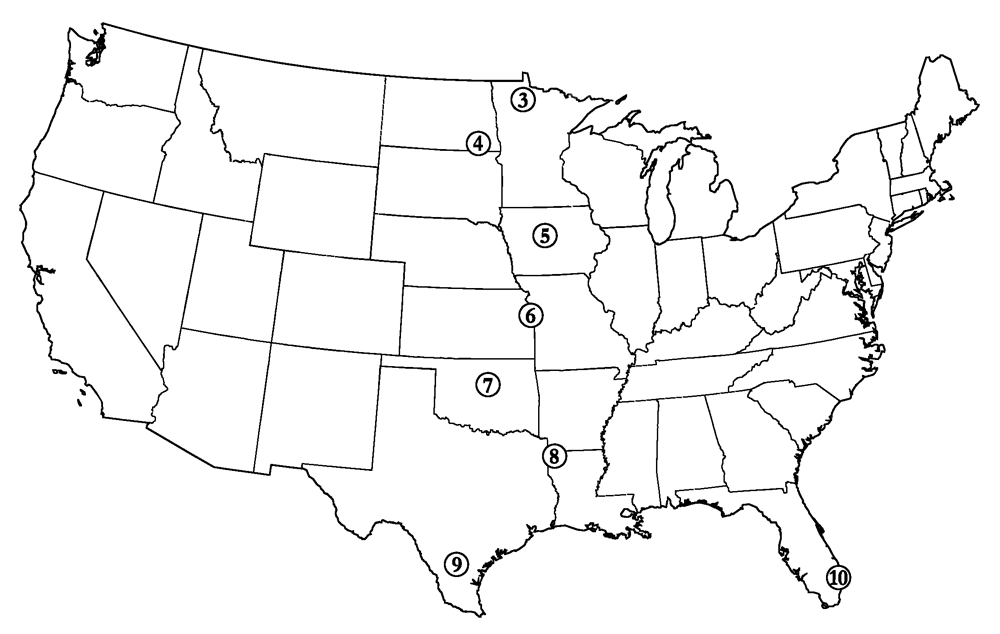
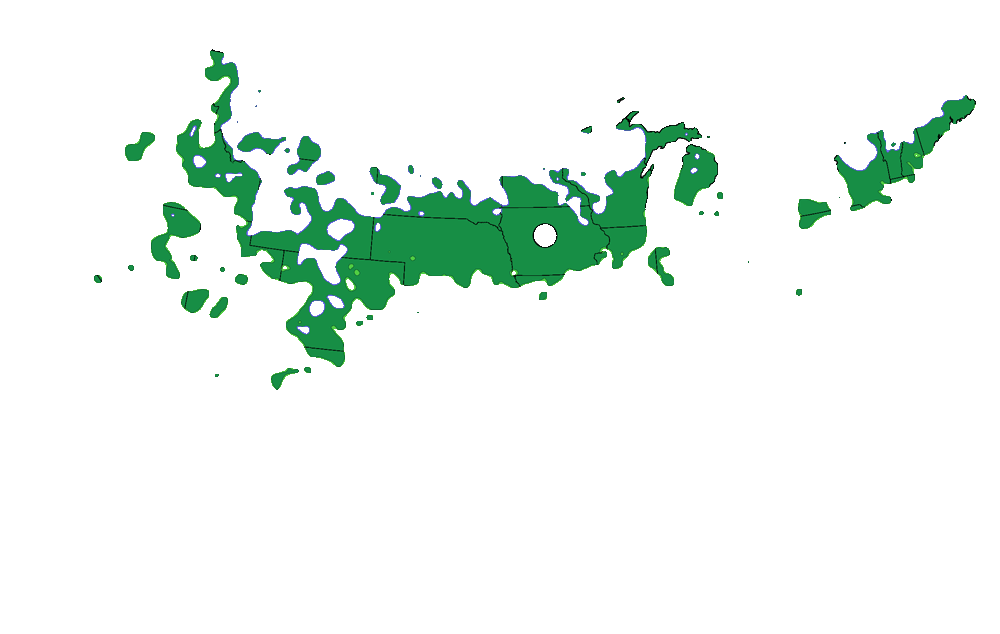
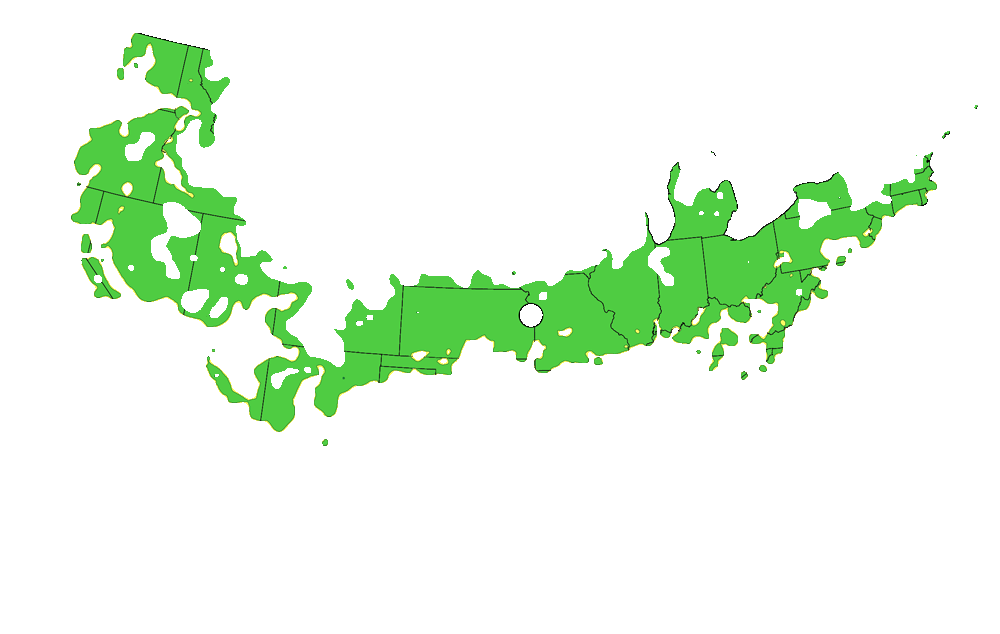
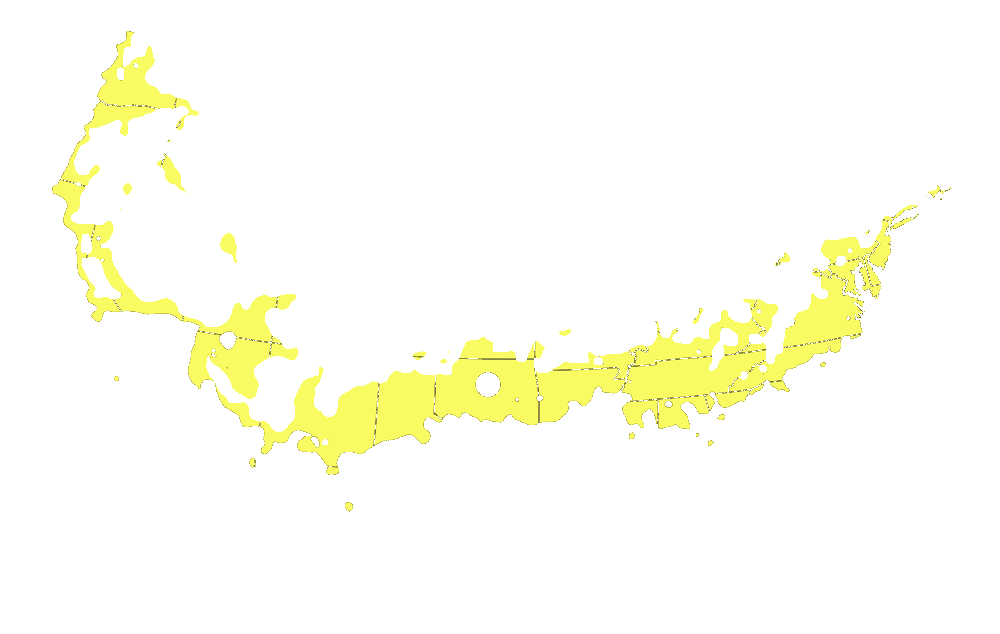
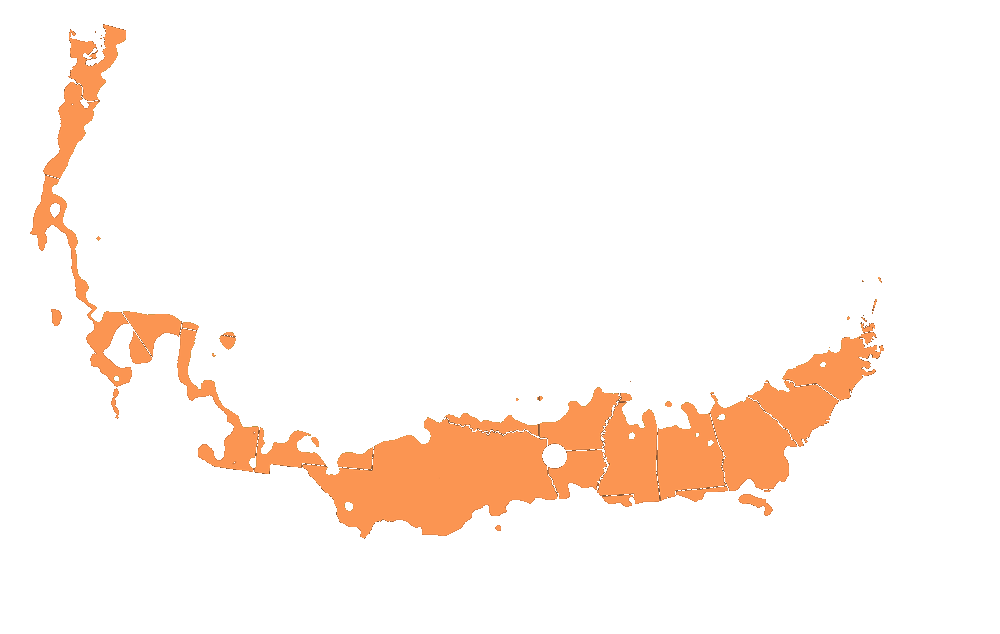
Shaded areas show where this product grows.
USDA Hardiness Zones
A hardiness zone is a geographic area defined by average annual minimum winter temperatures, helping gardeners determine which plants can survive in their region. Developed by the USDA, the 13 numerical zones indicate cold hardiness—for example, a plant "hardy to zone 10" tolerates minimum temperatures of 30 to 40 °F (−1.1 to 4.4 °C).
Grows in zones: 5 - 8
A hardiness zone is a geographic area defined by average annual minimum winter temperatures, helping gardeners determine which plants can survive in their region. Developed by the USDA, the 13 numerical zones indicate cold hardiness—for example, a plant "hardy to zone 10" tolerates minimum temperatures of 30 to 40 °F (−1.1 to 4.4 °C).