

Early Red Loquat Tree
Not currently available. Please call us at 1-866-586-6283 for availability information.
Description
This product cannot be shipped to California.
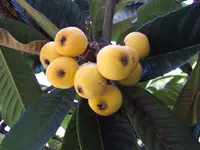
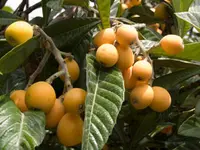
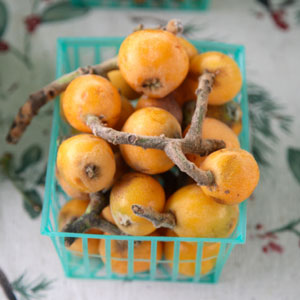
Early Red is a medium to large, pear-shaped loquat that sets its blooms in early February and ripens in April. The skin is orange-red with white dots and the flesh is very juicy and sweet. The Early Red Loquat Tree is excellent flavored and self-fertile. Choose Willis Orchards for top-quality loquat trees for sale!
Characteristics
| Bloom Color | White |
| Bloom Time | October - January |
| Fruit Color | Golden Yellow |
| Fruit Size | 1-1.5 inch diameter |
| Hardiness Zone Range | 7 - 10 |
| Pollination | Self Fertile |
| Ripens/Harvest | April - May |
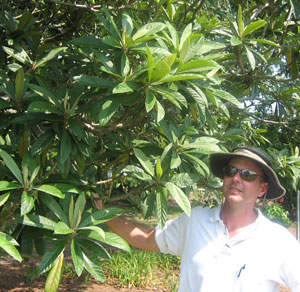
| Shade/Sun | Full Sun |
| Soil Composition | Loam or Sandy Loam |
| Soil Moisture | Very Well Draining |
| Soil pH Level | 5.5-7.0 |
| Taste | Sweet |
| Texture | Soft & Gelatinous |
| Years to Bear | 3-5 |
Pricing
| Size | Price | Ships |
|---|---|---|
|
(1 Year, +/-1' Tall)
|
Sold Out | 10/15/2025 - 06/01/2026 |
|
(+/-2' Tall)
|
Sold Out | 10/15/2025 - 06/01/2026 |
|
(+/-3' Tall)(Nice Looking Plants)
|
Sold Out | 10/15/2025 - 06/01/2026 |
|
(+/-4' Tall) (Nice Looking, Full Plants)
|
Sold Out | 10/15/2025 - 06/01/2026 |
|
(+/-5' Tall)(Branched, Nice Looking Plants)
|
Sold Out | 10/15/2025 - 06/01/2026 |
|
(+6' Tall)
|
Sold Out | 10/15/2025 - 06/01/2026 |
Zones
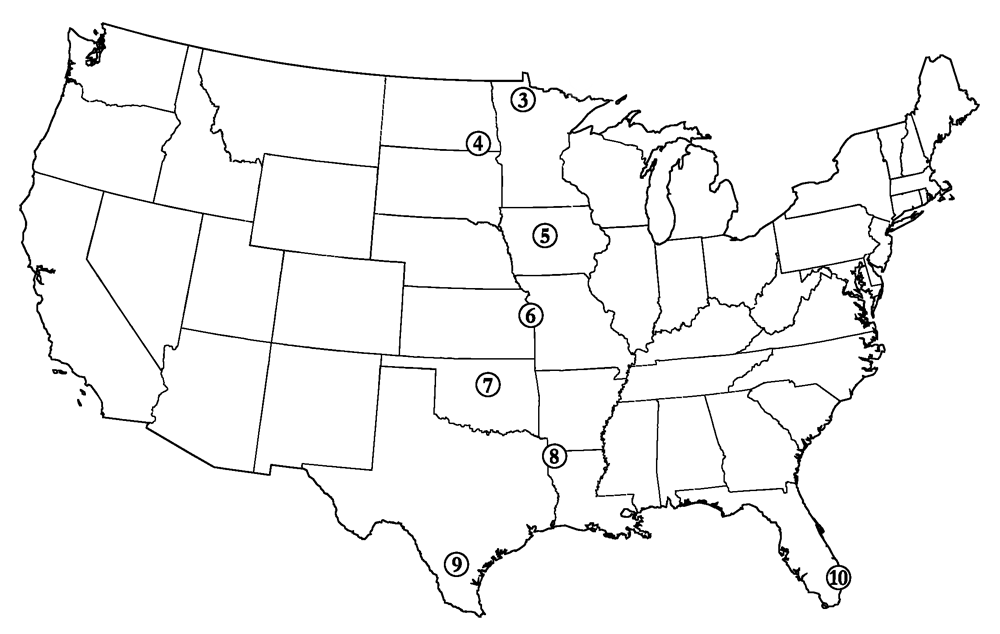
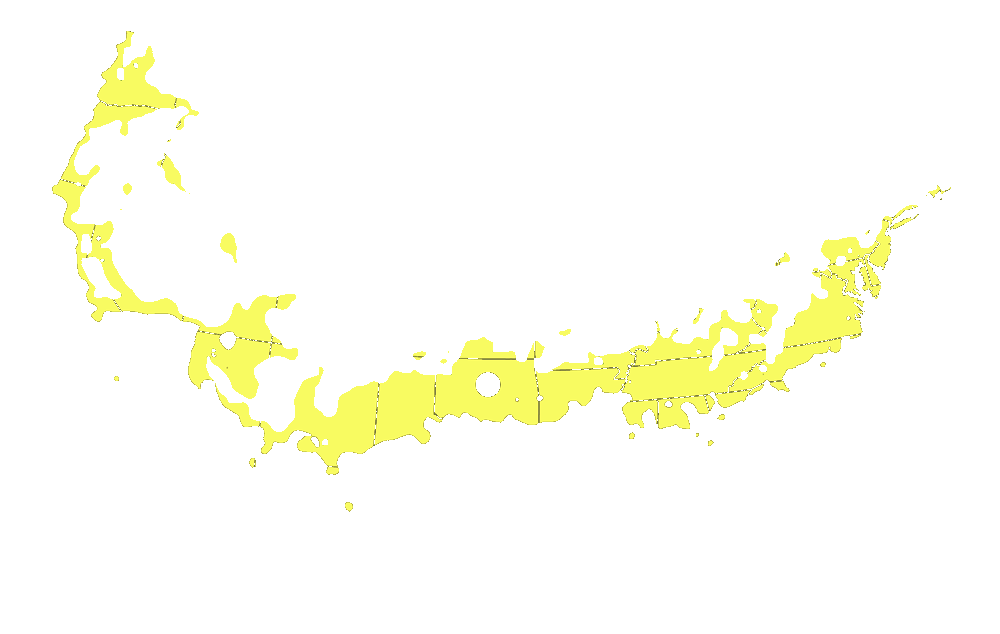
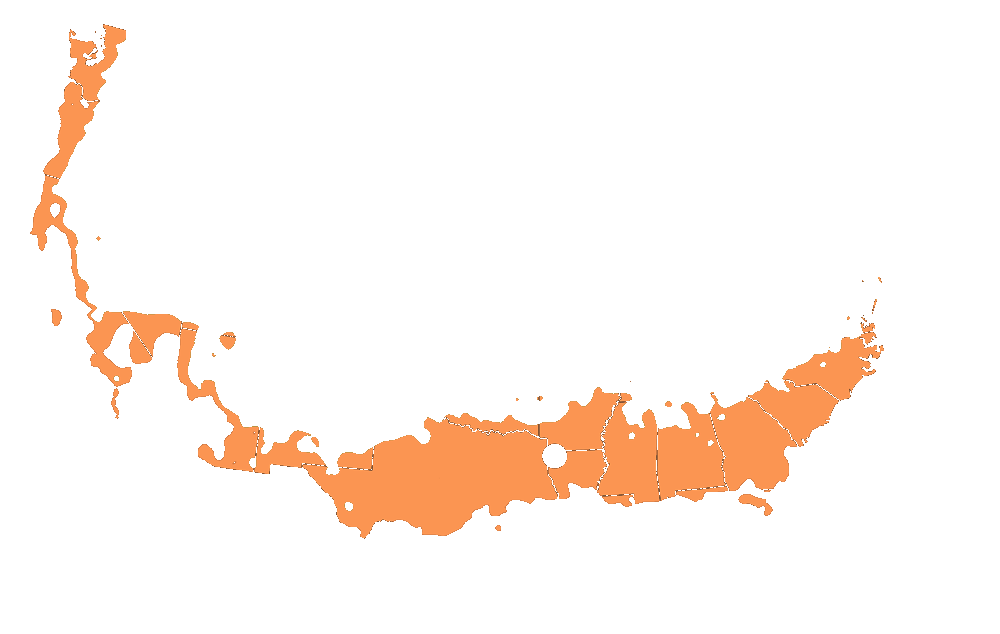
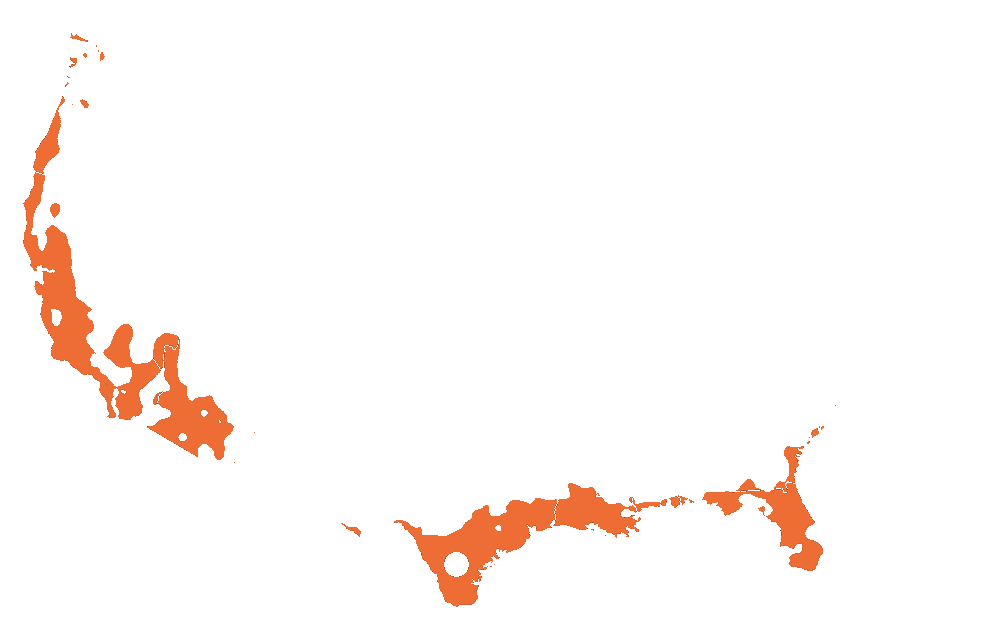
Shaded areas show where this product grows.
USDA Hardiness Zones
A hardiness zone is a geographic area defined by average annual minimum winter temperatures, helping gardeners determine which plants can survive in their region. Developed by the USDA, the 13 numerical zones indicate cold hardiness—for example, a plant "hardy to zone 10" tolerates minimum temperatures of 30 to 40 °F (−1.1 to 4.4 °C).
Grows in zones: 7 - 10
A hardiness zone is a geographic area defined by average annual minimum winter temperatures, helping gardeners determine which plants can survive in their region. Developed by the USDA, the 13 numerical zones indicate cold hardiness—for example, a plant "hardy to zone 10" tolerates minimum temperatures of 30 to 40 °F (−1.1 to 4.4 °C).