Cortland Apple Tree
+/-3' Tall
$19.95
Ships: 12/01/2026 - 03/15/2027
Description
This product cannot be shipped to California.
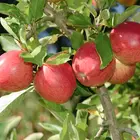
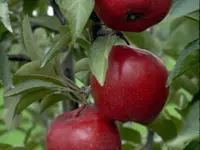
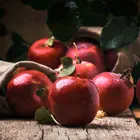
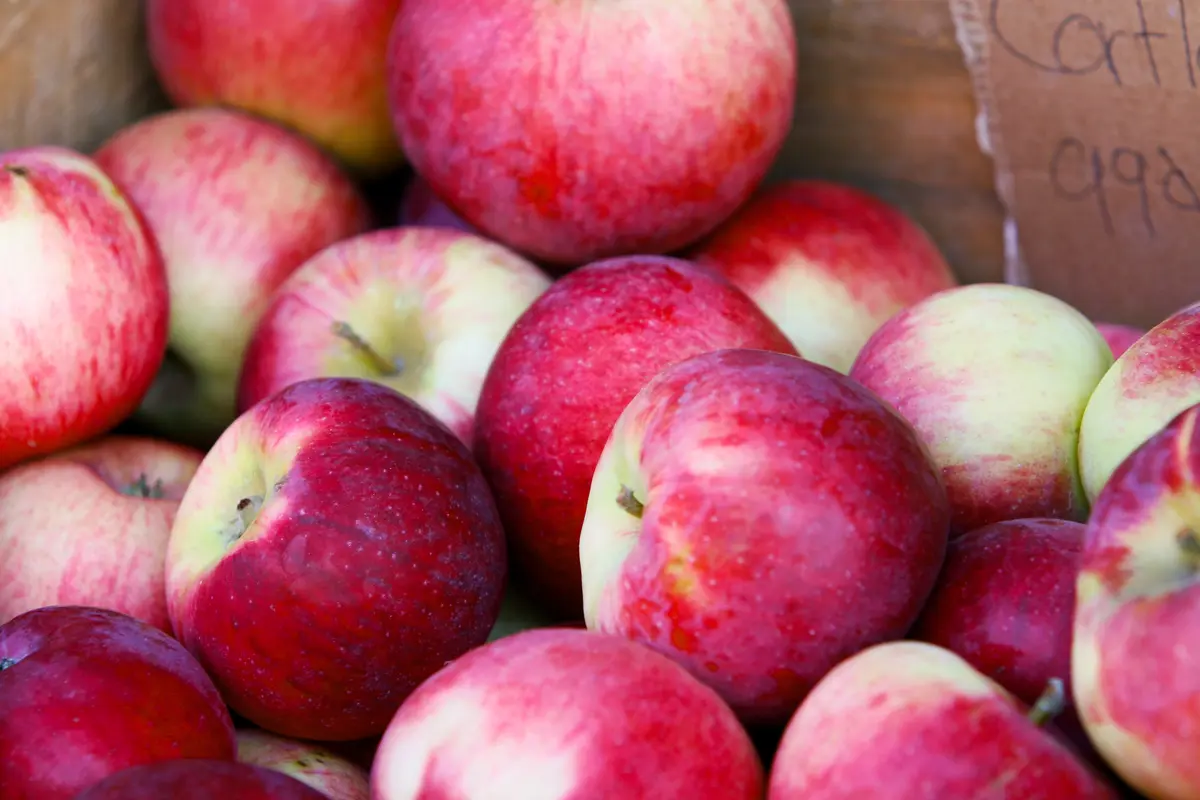
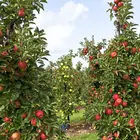
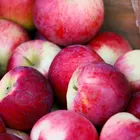
We are happy to bring this famous and delectable New York State variety to you. Developed in Geneva at the New York State Agricultural Experiment Station in the early 1900's, this self-fruitful cross between McIntosh and Ben Davis apple is a favorite of cooks and orchardists alike. The Cortland is sweet and lightly tart at peak ripeness. Its brilliant red color is sometimes accompanied by light yellow streaks and green specks, a deep contrast compared to the fruits stark white, tender flesh. Amazingly, the flesh of the Cortland apple retains its white after slicing.
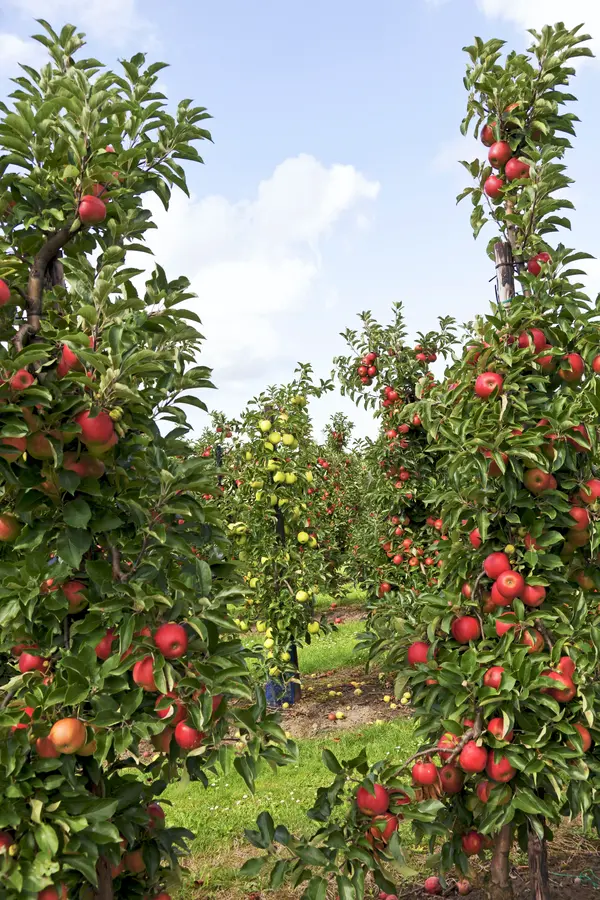
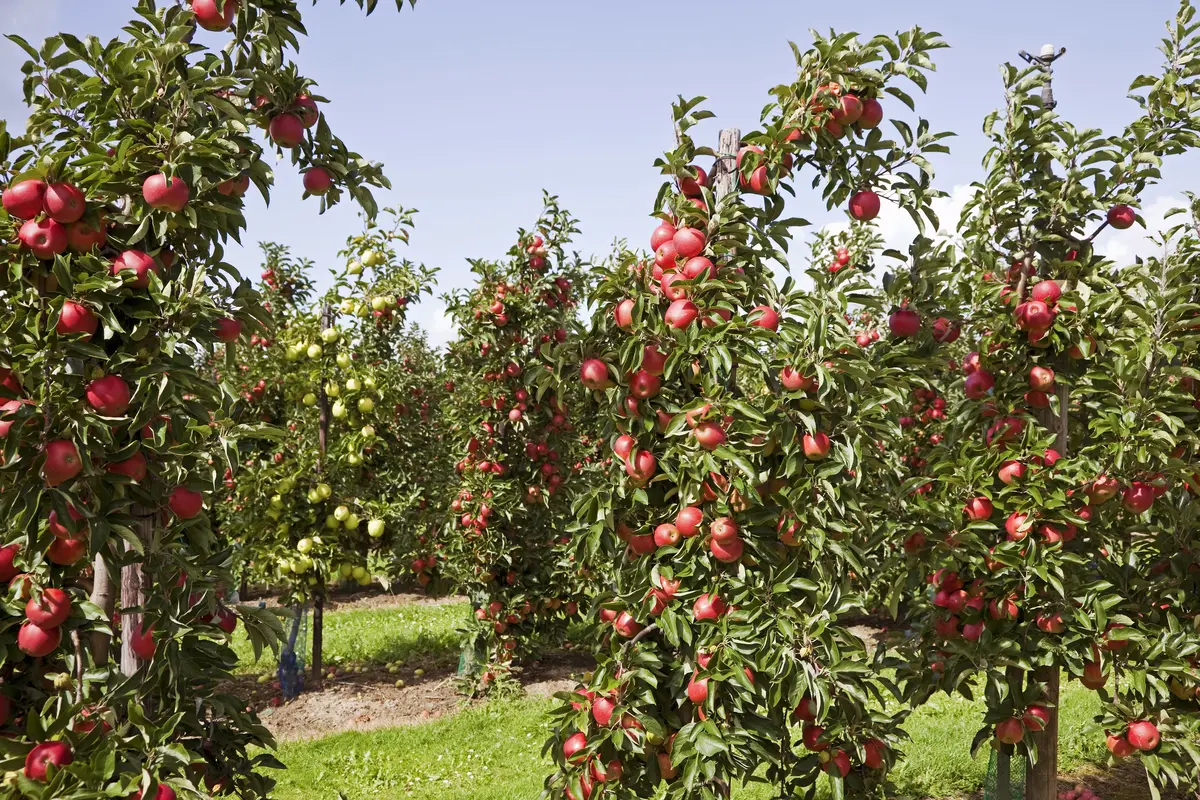
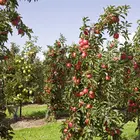
The Cortland apple makes a wonderful presentation whether on salads, fruit trays, or fresh out of your lunch box. It is also a prized cooking apple, most often used in pies, breads, applesauce and cider. The Cortland Apple Tree for sale requires 800-1,000 chill hours and will serve as a good pollinator for Red Gravenstein, McIntosh, and Honeycrisp apples. The Cortland Apple Tree is ready for harvest between September and October, just in time for a warm apple pie on a cool, crisp fall day.
The Cortland apple makes a wonderful presentation whether on salads, fruit trays, or fresh out of your lunch box. It is also a prized cooking apple, most often used in pies, breads, applesauce and cider. The Cortland Apple Tree for sale requires 800-1,000 chill hours and will serve as a good pollinator for Red Gravenstein, McIntosh, and Honeycrisp apples. The Cortland Apple Tree is ready for harvest between September and October, just in time for a warm apple pie on a cool, crisp fall day.
Characteristics
| Bloom Color | White |
| Bloom Time | Early - Mid Spring |
| Fruit Color | Deep Red & Greenish Yellow |
| Fruit Size | 2.5-3 inches |
| Hardiness Zone Range | 4 - 7 |
| Pollination | Partially Self-Fertile |
| Ripens/Harvest | September - October |
| Shade/Sun | Full Sun |
| Soil Composition | Loam |
| Soil Moisture | Well Draining |
| Soil pH Level | 6.0-7.0 |
| Taste | Sweet/Tart |
| Texture | Soft |
| Years to Bear | 3-5 |
Pricing
| Size | Price | Ships |
|---|---|---|
|
+/-3' Tall
|
$19.95 | 12/01/2026 - 03/15/2027 |
|
4-5' Tall
|
$29.95 | 12/01/2026 - 03/15/2027 |
|
5-6' Tall (Branched)
|
$39.95 | 12/01/2026 - 03/15/2027 |
|
+/-6' Tall (Branched)
|
$49.95 | 12/01/2026 - 03/15/2027 |
|
5-6' (3/4"-1" caliper Branched/EZ- Pick - Fruiting Size)
|
$69.95 | 12/01/2026 - 03/15/2027 |
|
6-7' (1-1.25" caliper Instant Orchard)
|
$94.95 | 12/01/2026 - 03/15/2027 |
Zones
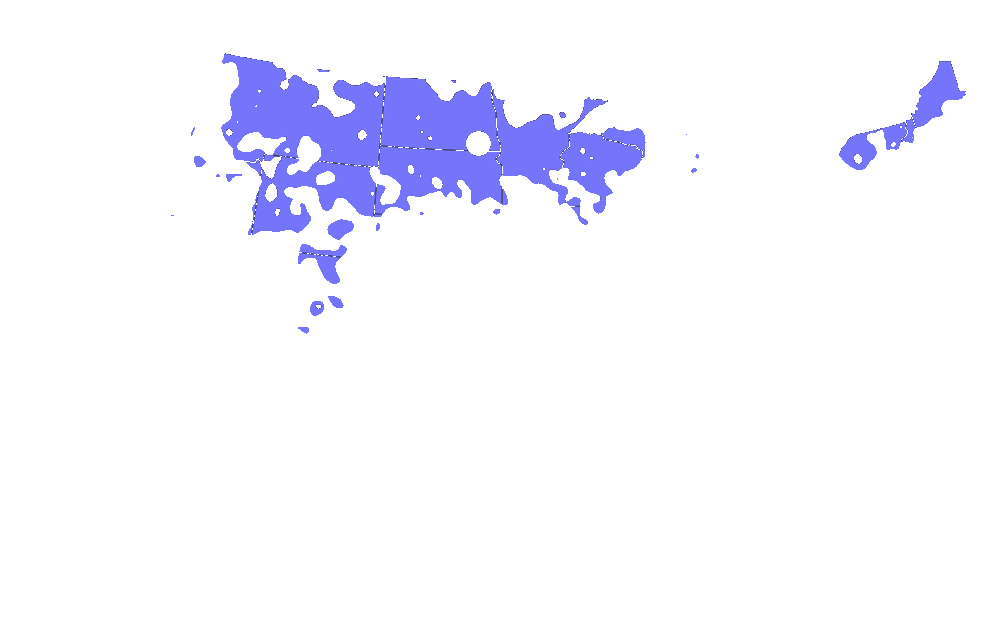
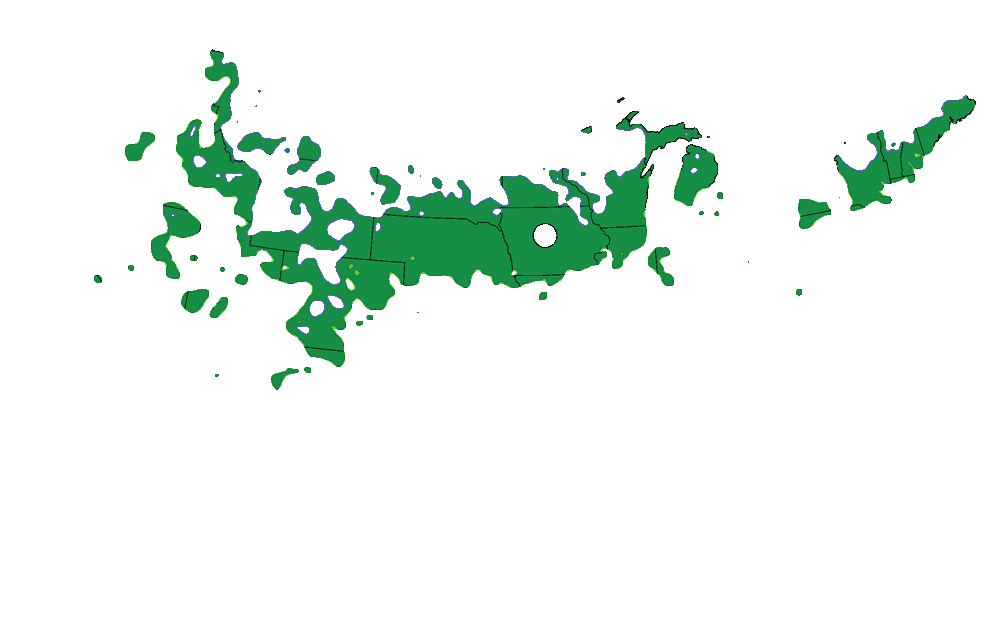
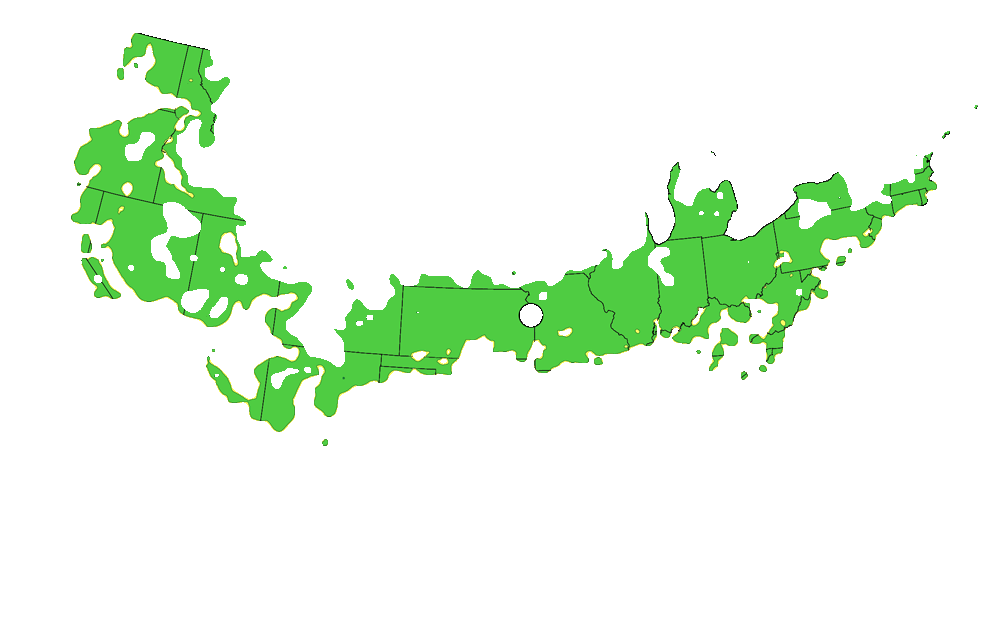
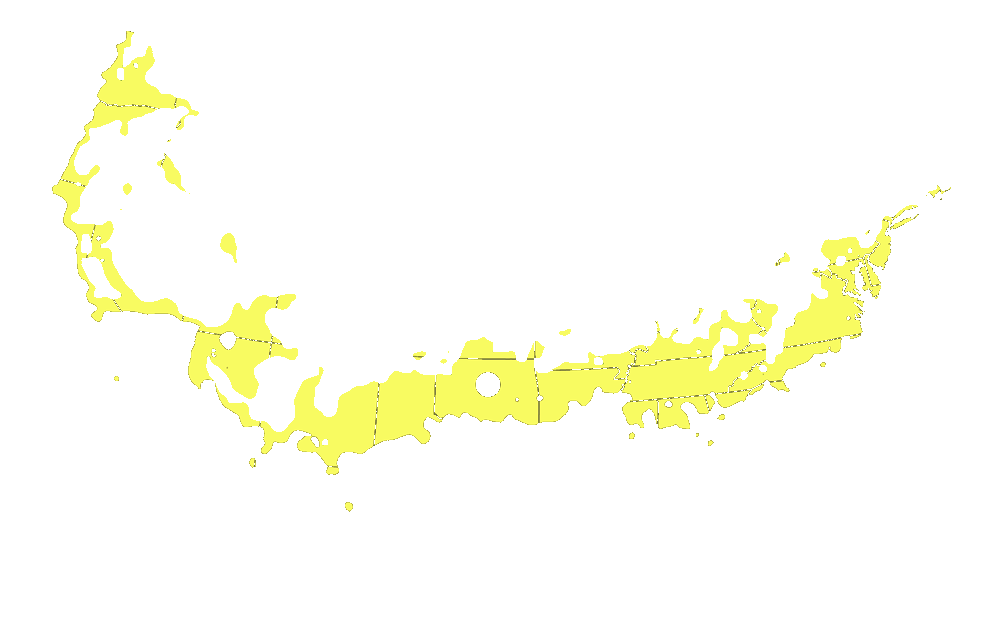
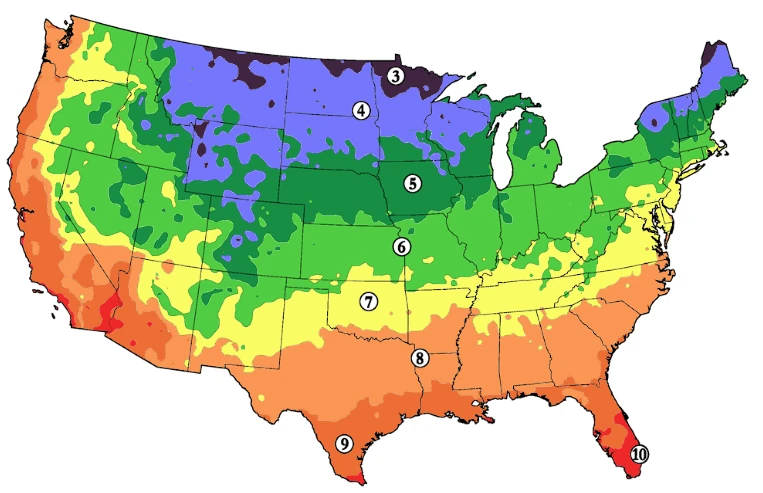
Shaded areas show where this product grows.
USDA Hardiness Zones
A hardiness zone is a geographic area defined by average annual minimum winter temperatures, helping gardeners determine which plants can survive in their region. Developed by the USDA, the 13 numerical zones indicate cold hardiness—for example, a plant "hardy to zone 10" tolerates minimum temperatures of 30 to 40 °F (−1.1 to 4.4 °C).
Grows in zones: 4 - 7
A hardiness zone is a geographic area defined by average annual minimum winter temperatures, helping gardeners determine which plants can survive in their region. Developed by the USDA, the 13 numerical zones indicate cold hardiness—for example, a plant "hardy to zone 10" tolerates minimum temperatures of 30 to 40 °F (−1.1 to 4.4 °C).