Apple Seedlings
1-2 Feet
$4.95
Ships: 12/01/2026 - 03/15/2027
Description
This product cannot be shipped to California.
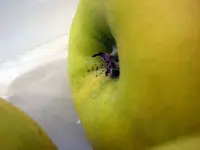
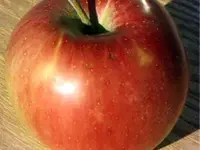
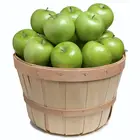
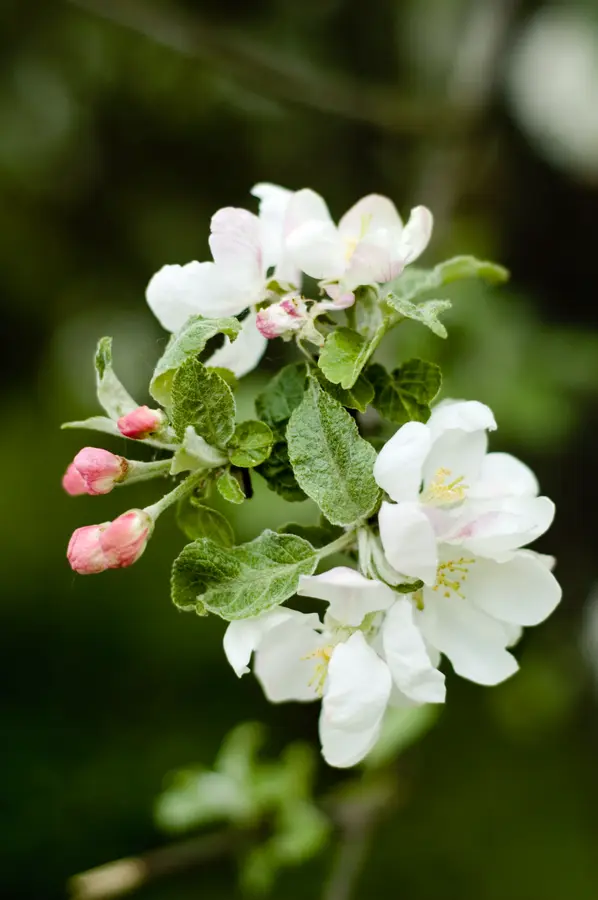
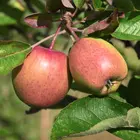
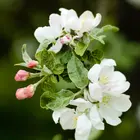
The Domestic Apple is a thought to be a hybrid mixture of at least four different wild species including Malus sylvestris, M. pumila, M. dasyhylla and M. sieversii. The words 'seedling', 'pippin', and 'kernel' in the name of an apple cultivar suggest that it originated as a seedling. Most apple cultivars originate as seedlings, which either arise by chance or are bred by deliberately crossing cultivars with promising characteristics. In either case, the Domestic Apple is an excellent food source for wildlife. Its fragrant blossoms are an attraction to birds, bees and butterflies from April through May. The fruit ripens in the fall of the year.
Characteristics
| Hardiness Zone Range | 4 - 9 |
Zones
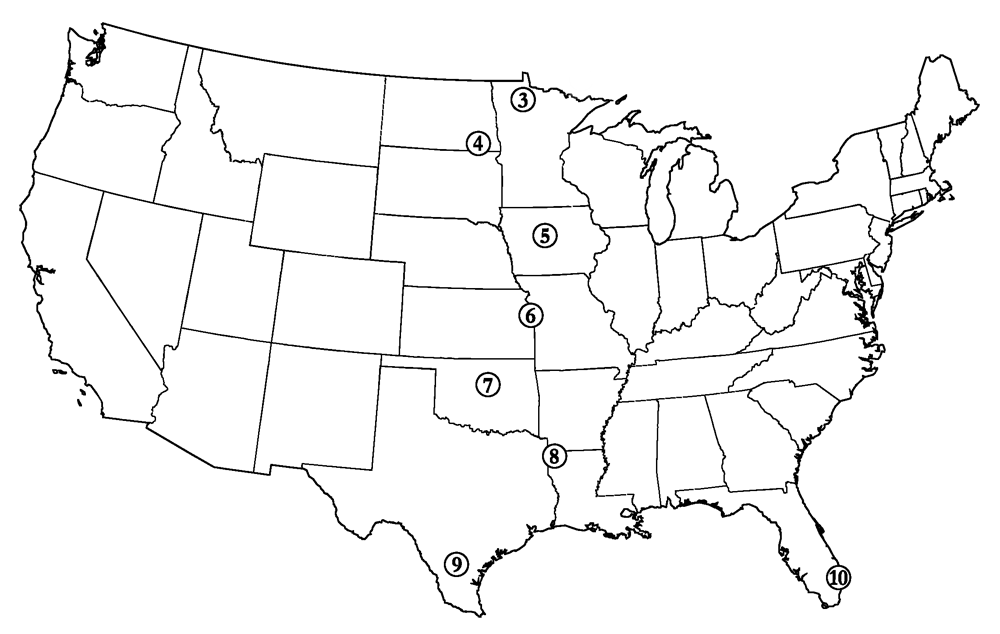
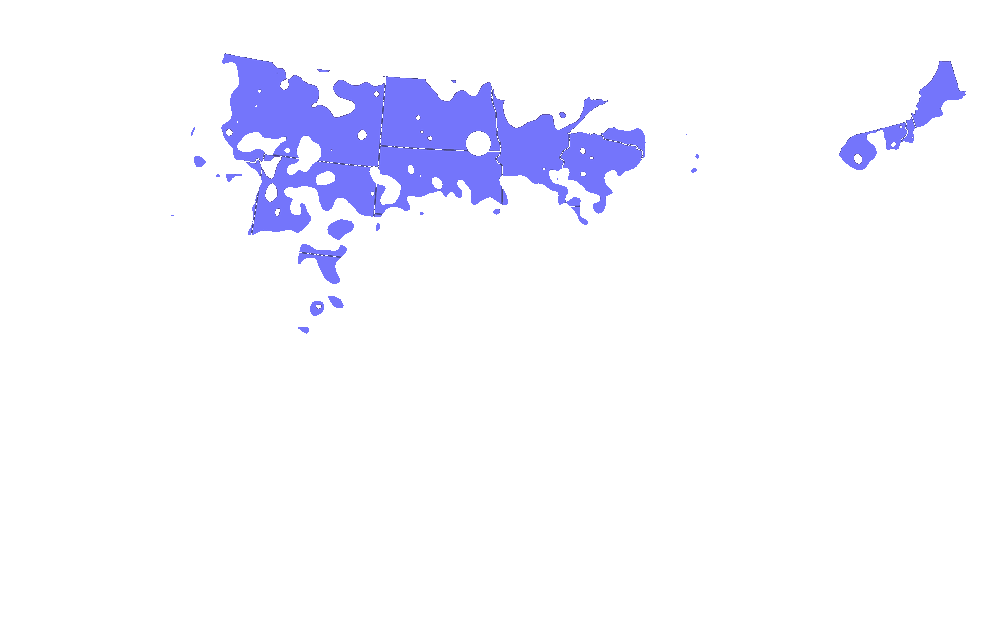
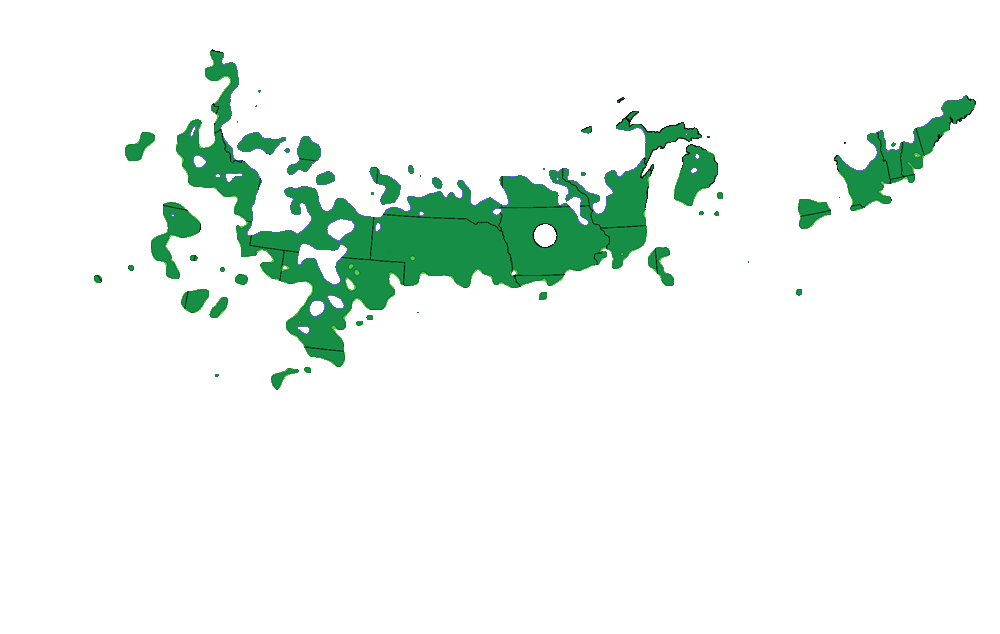
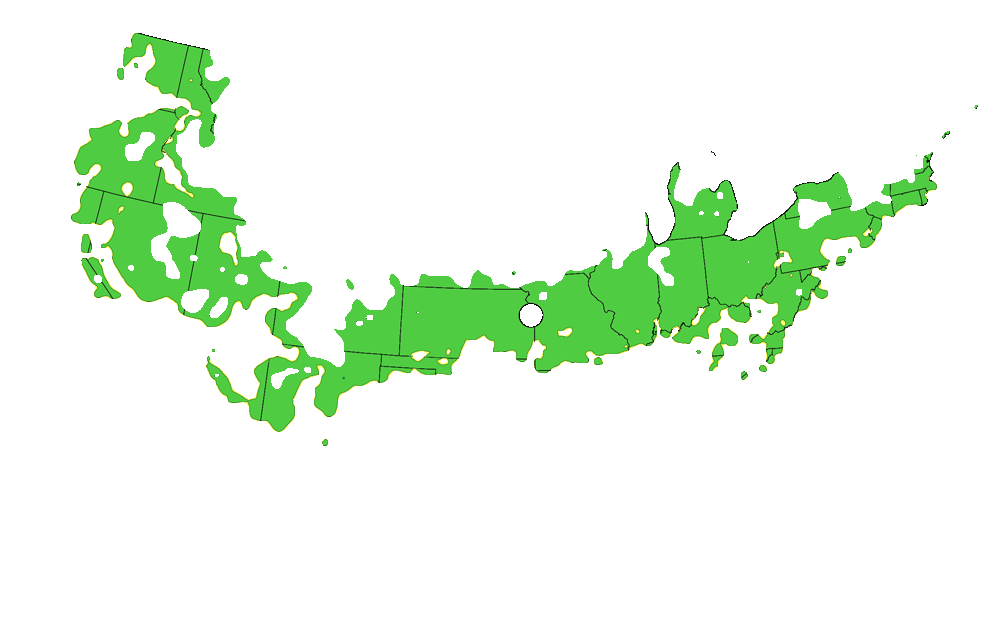
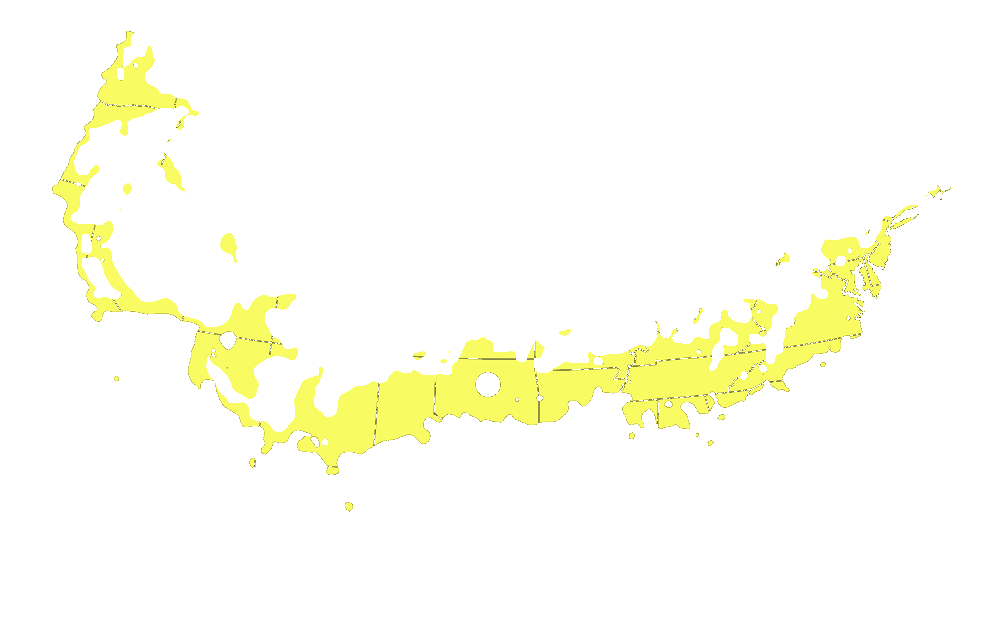
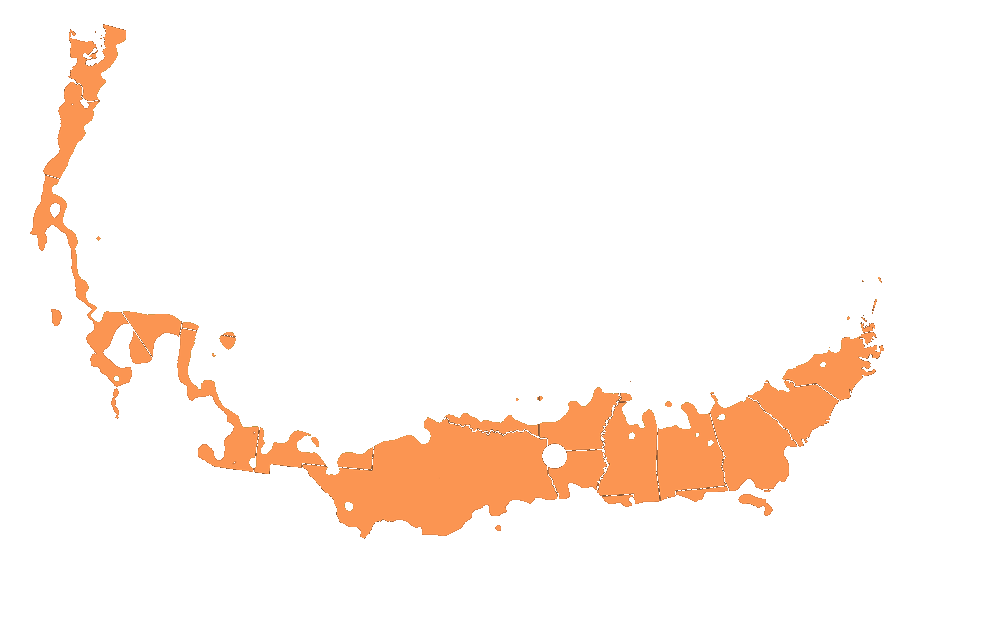
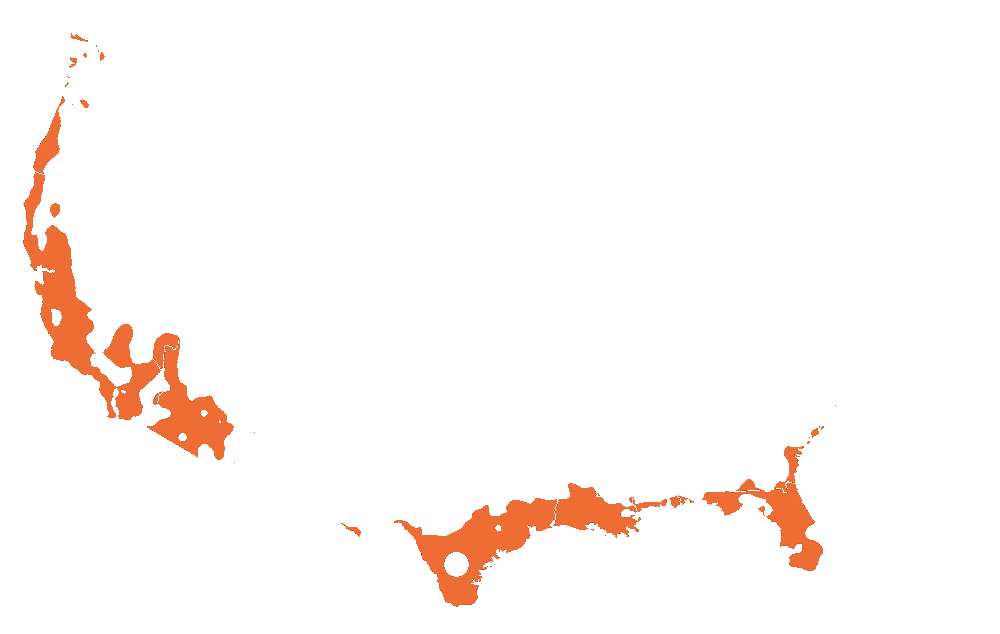
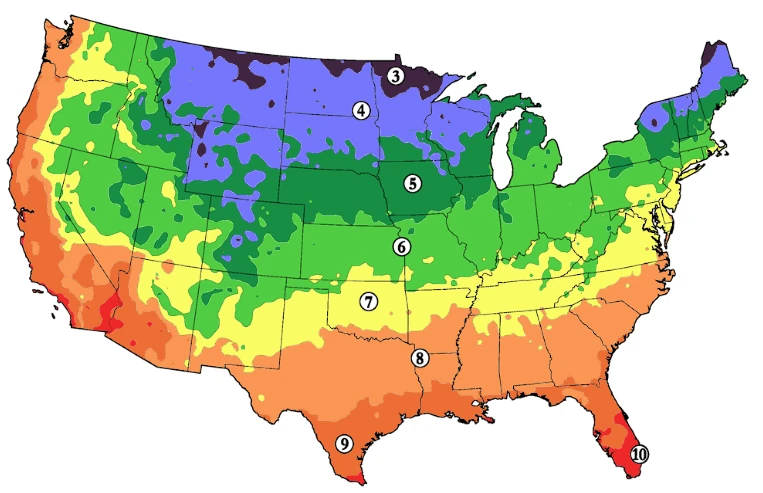
Shaded areas show where this product grows.
USDA Hardiness Zones
A hardiness zone is a geographic area defined by average annual minimum winter temperatures, helping gardeners determine which plants can survive in their region. Developed by the USDA, the 13 numerical zones indicate cold hardiness—for example, a plant "hardy to zone 10" tolerates minimum temperatures of 30 to 40 °F (−1.1 to 4.4 °C).
Grows in zones: 4 - 9
A hardiness zone is a geographic area defined by average annual minimum winter temperatures, helping gardeners determine which plants can survive in their region. Developed by the USDA, the 13 numerical zones indicate cold hardiness—for example, a plant "hardy to zone 10" tolerates minimum temperatures of 30 to 40 °F (−1.1 to 4.4 °C).