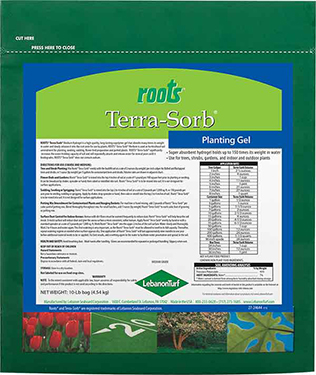
Terrasorb
Not currently available. Please call us at 1-866-586-6283 for availability information.
Description
Terra-Sorb is a super-absorbent co-polymer gel that significantly increases the soil's water-holding capacity. The potassium-based hydrogel for plants holds up to 200 times their weight in water and slowly releases it to nearby roots. Terra-Sorb will repeatedly absorb and release water for several years until it biodegrades naturally.
Terra-Sorb is available in medium grade for tree, shrub, and flowerbed planting. Fine grade can be used as a bare-root dip, or for hydromulching and hydroseeding.
Key product benefits of Terra-Sorb:
- Significantly increases water-holding capacity of soil.
- Slowly releases water into the root zone.
- Can prevent plant losses due to dry soil.
Click here for more information.
Characteristics
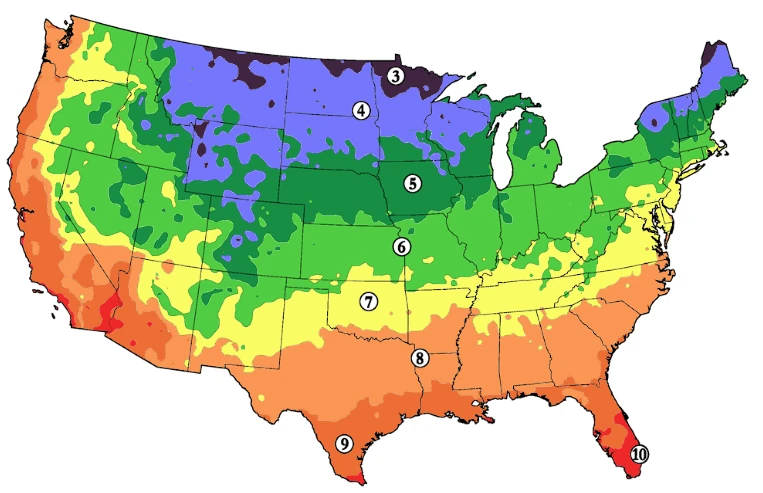
| Hardiness Zone Range | 3 - 10 |
Zones
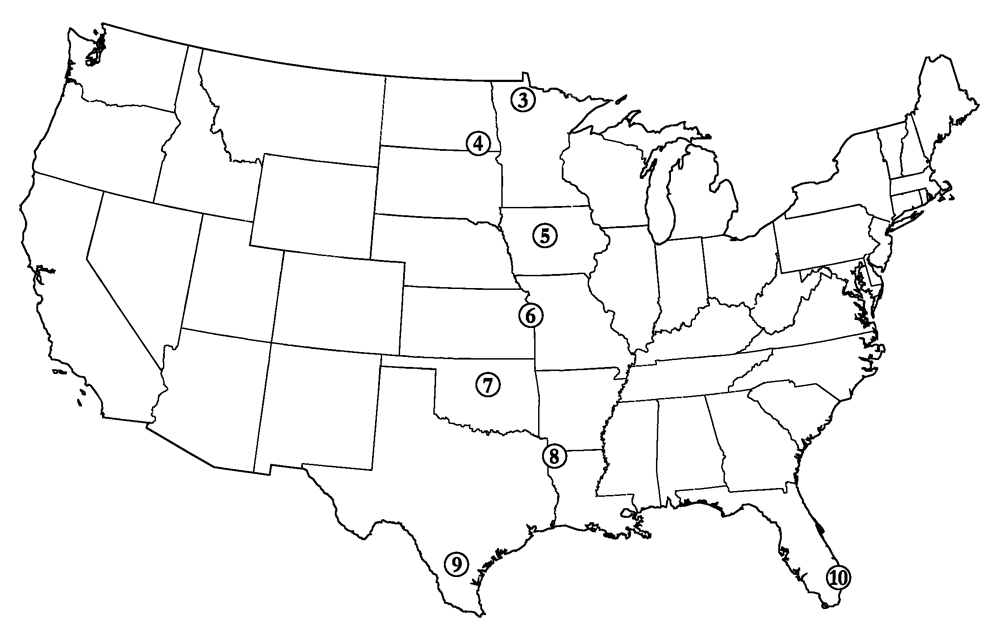
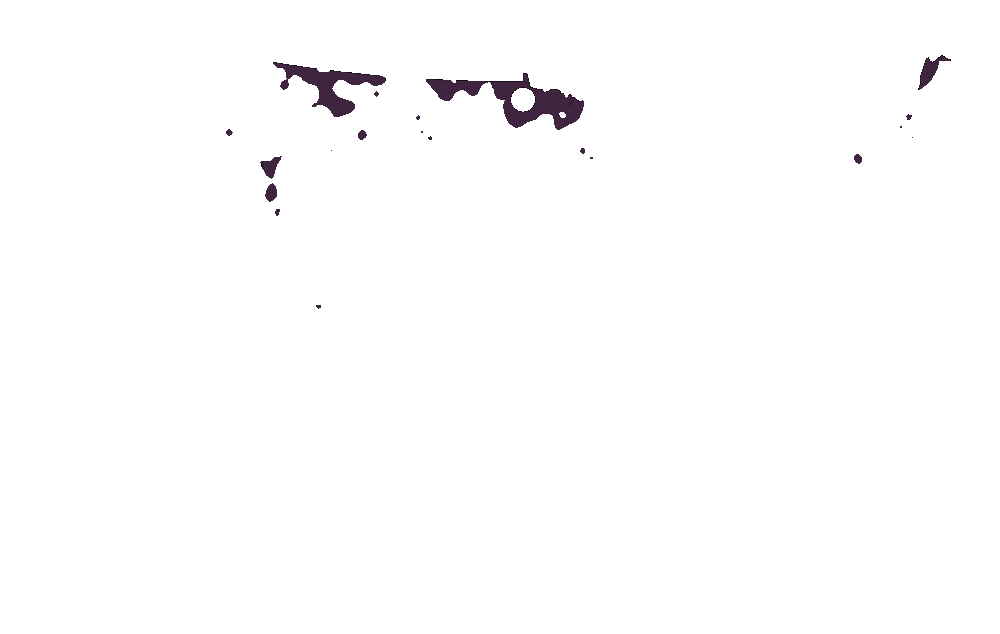
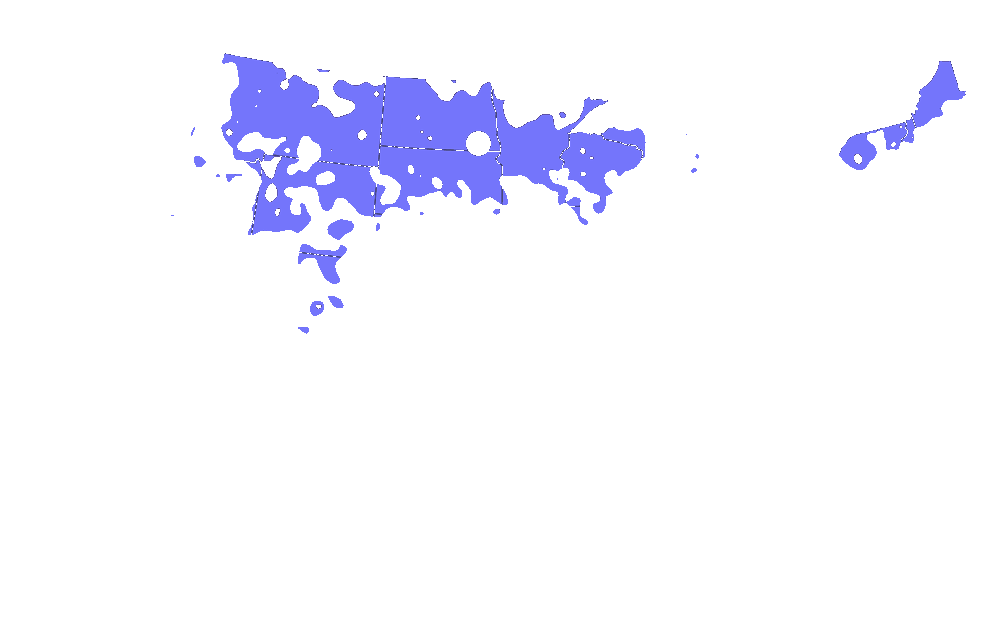
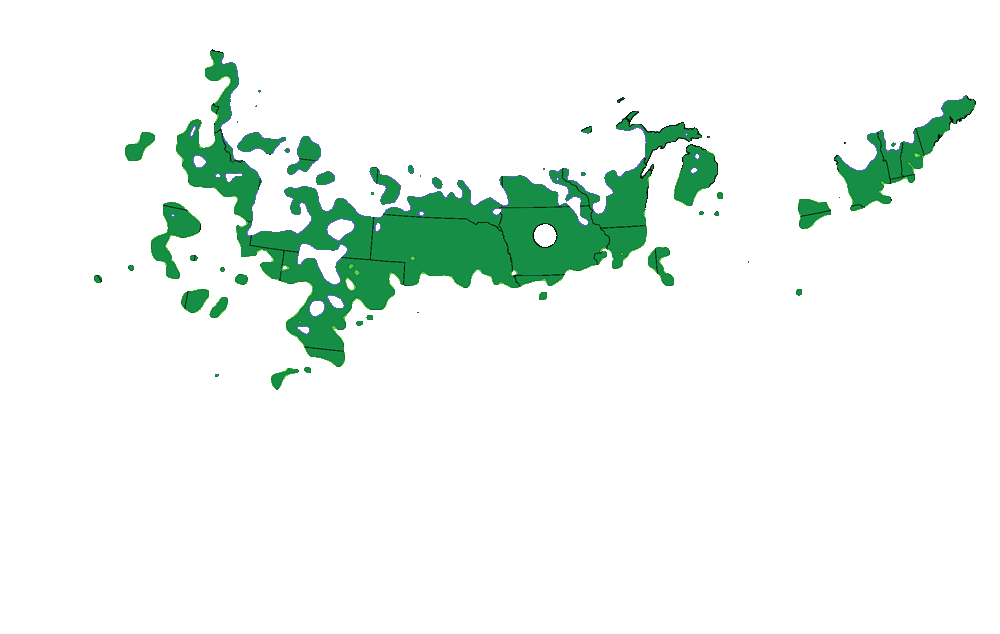
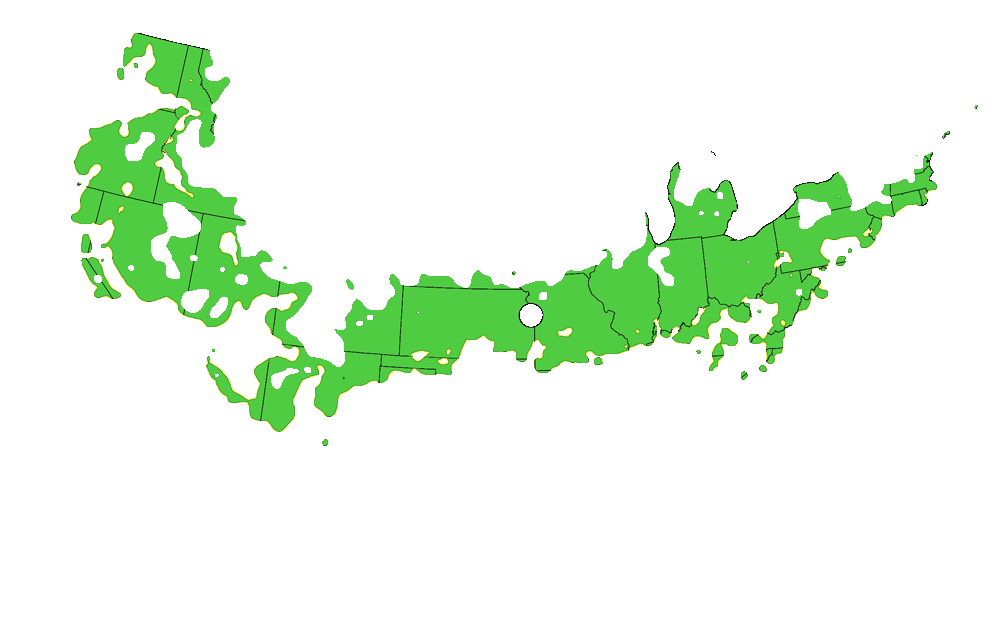
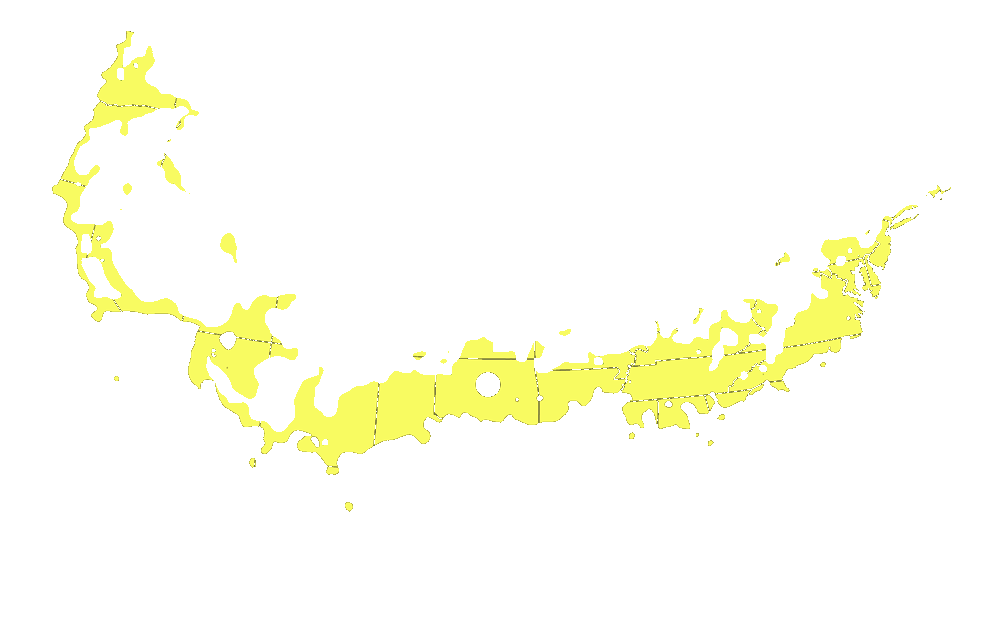
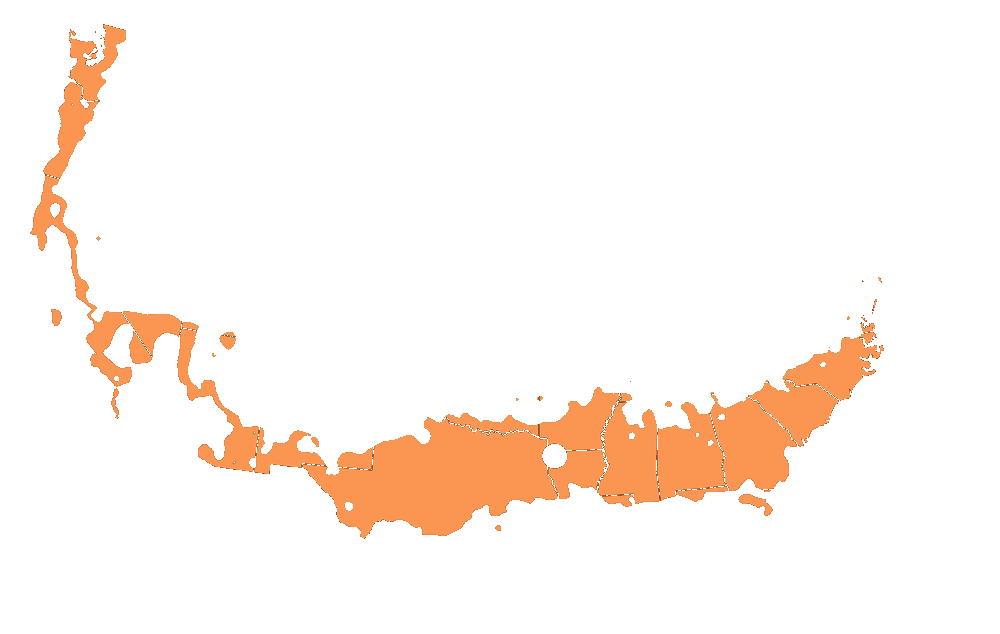
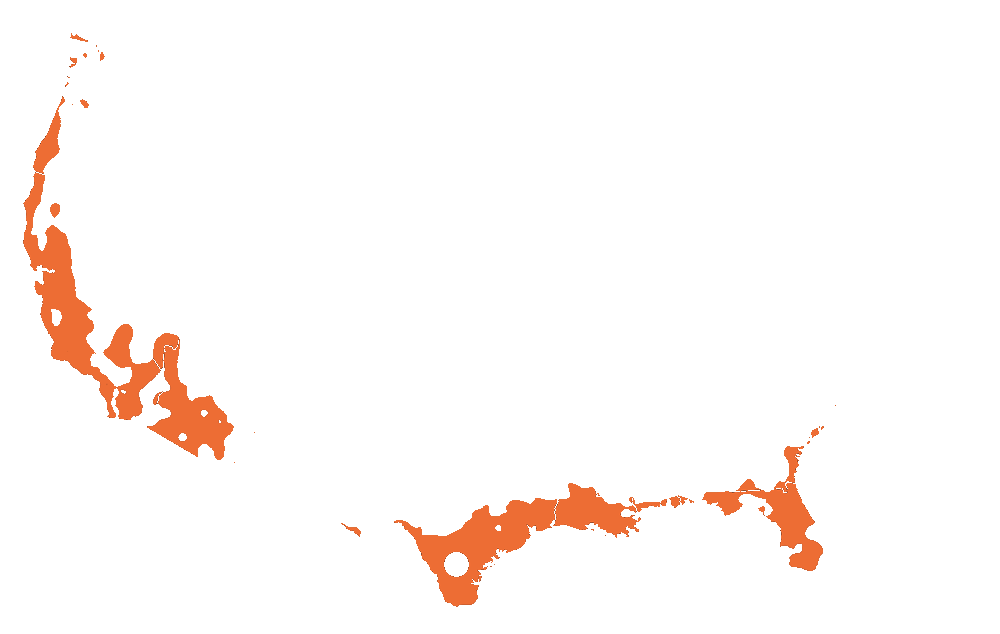
Shaded areas show where this product grows.
USDA Hardiness Zones
A hardiness zone is a geographic area defined by average annual minimum winter temperatures, helping gardeners determine which plants can survive in their region. Developed by the USDA, the 13 numerical zones indicate cold hardiness—for example, a plant "hardy to zone 10" tolerates minimum temperatures of 30 to 40 °F (−1.1 to 4.4 °C).
Grows in zones: 3 - 10
A hardiness zone is a geographic area defined by average annual minimum winter temperatures, helping gardeners determine which plants can survive in their region. Developed by the USDA, the 13 numerical zones indicate cold hardiness—for example, a plant "hardy to zone 10" tolerates minimum temperatures of 30 to 40 °F (−1.1 to 4.4 °C).