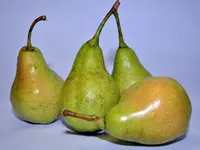
Perdue Pear Tree
4-5' Tall
$29.95
Ships: 12/01/2026 - 03/15/2027
Description
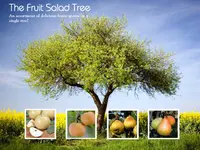
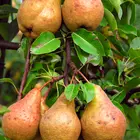
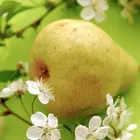
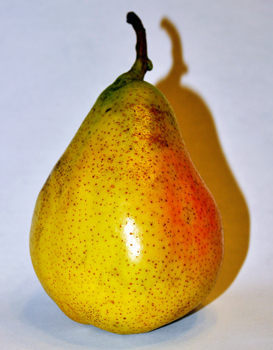
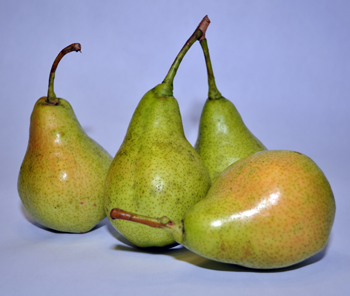
The Perdue Pear Tree is a new, patented cultivar that miraculously sprouted from seed at the Perdue family farm in Rosendale, Louisiana. Perdue Pears are of exceptional quality, with a deliciously sweet pear flavor. The Perdue Pear flavor has been described as creamy, sweet, and even reminiscent of the Golden Delicious Apple. The Perdue produces very juicey, sweet pears, and has noticeably less grit cells than traditional southern pears. Perdue Pear fruits are large greenish-yellow pears that have smooth, slightly blotched skin, and a typical pear shape.
In early August, they are ready to eat as firm, green pears but will gradually ripen to a golden brown, soft pear, if preferred. The Perdue Pear Tree is large (20') with strong limbs that grow at wide angles, and usually don't require support. The Perdue Pear bears abundant clusters annually and no fire blight has been observed. The L.S.U. horticulturalists believe it to be self-fertile, but a pollinator is recommended for maximum production. (200+ Chill Hours requred) Grows in zones 6-9b.
In early August, they are ready to eat as firm, green pears but will gradually ripen to a golden brown, soft pear, if preferred. The Perdue Pear Tree is large (20') with strong limbs that grow at wide angles, and usually don't require support. The Perdue Pear bears abundant clusters annually and no fire blight has been observed. The L.S.U. horticulturalists believe it to be self-fertile, but a pollinator is recommended for maximum production. (200+ Chill Hours requred) Grows in zones 6-9b.
Characteristics
| Bloom Color | White |
| Bloom Time | Spring |
| Fruit Color | Yellow-greenish |
| Fruit Size | Large |
| Hardiness Zone Range | 6 - 9 |
| Pollination | Partially Self-fertile. Recommend multiple varieties. |
| Ripens/Harvest | August-September |
| Shade/Sun | Full Sun |
| Soil Composition | Rich, loamy, and well-draining |
| Soil Moisture | Keep the soil consistently moist but never waterlogged. |
| Soil pH Level | 6.0-7.0 |
| Taste | Sweet |
| Texture | Crisp and creamy |
| Years to Bear | 2-3 years |
Zones
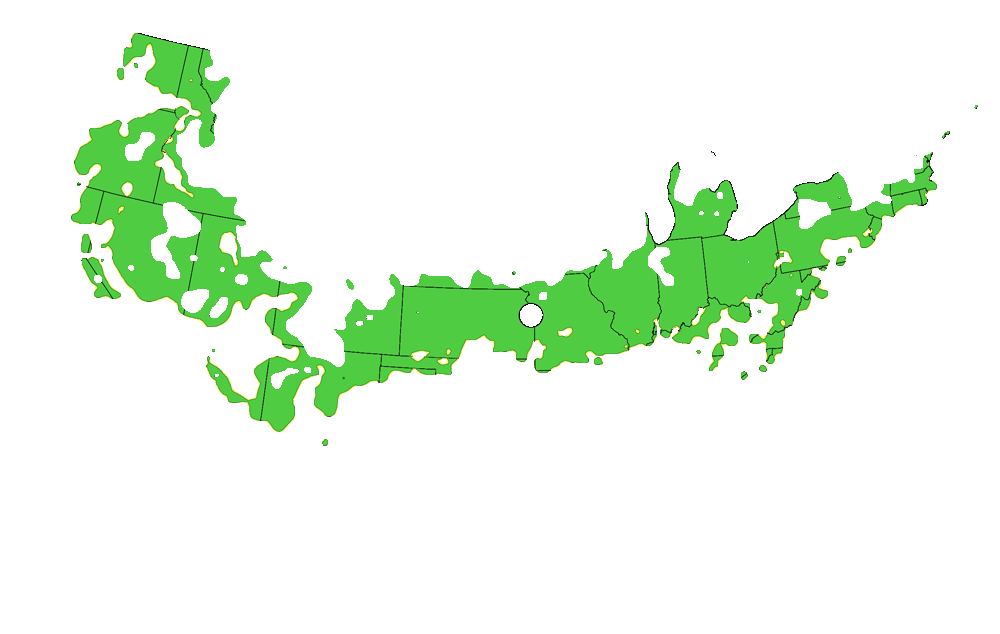
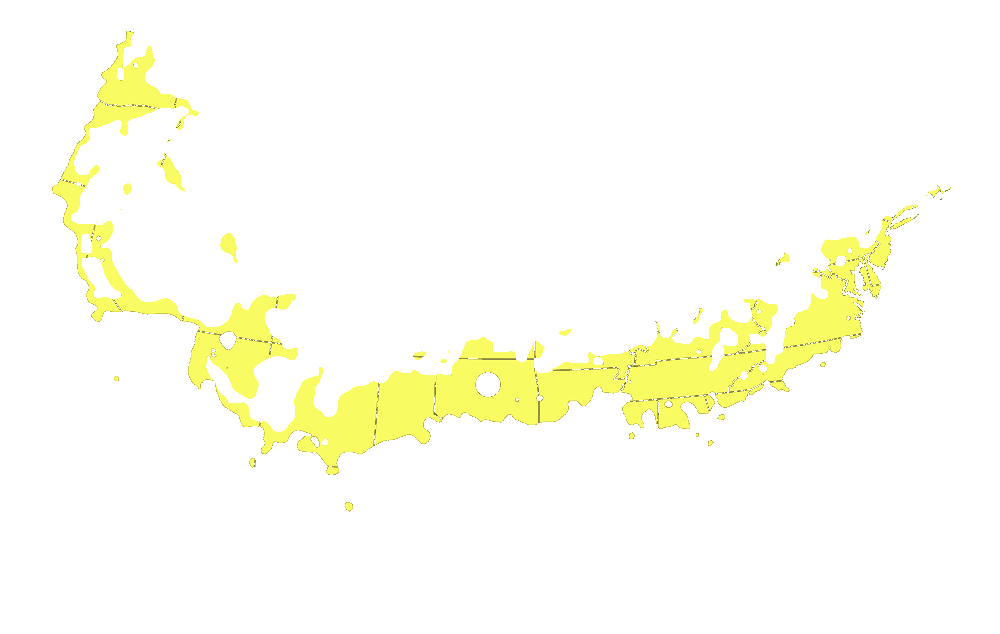
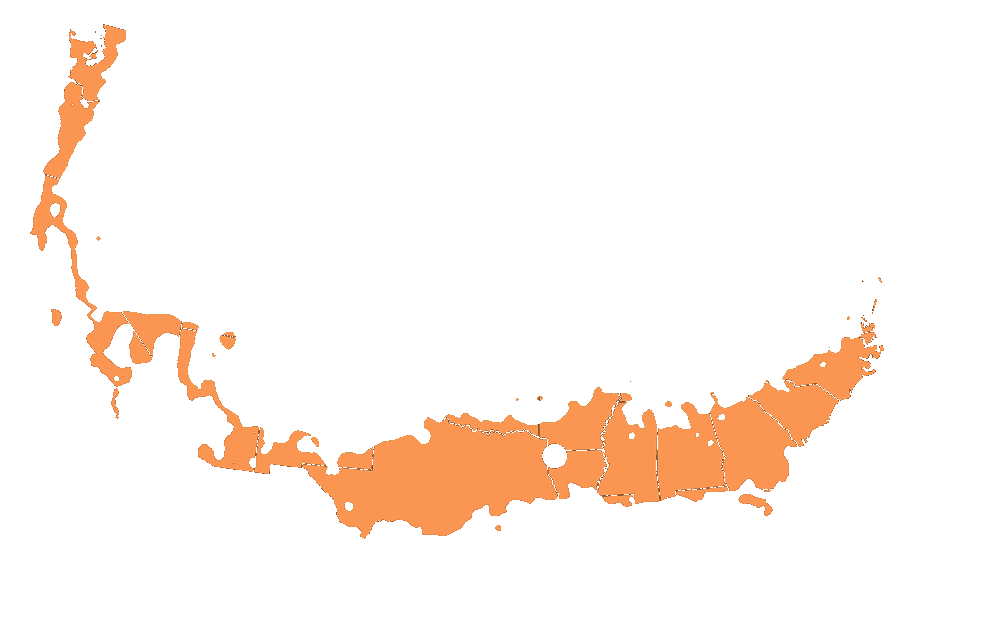
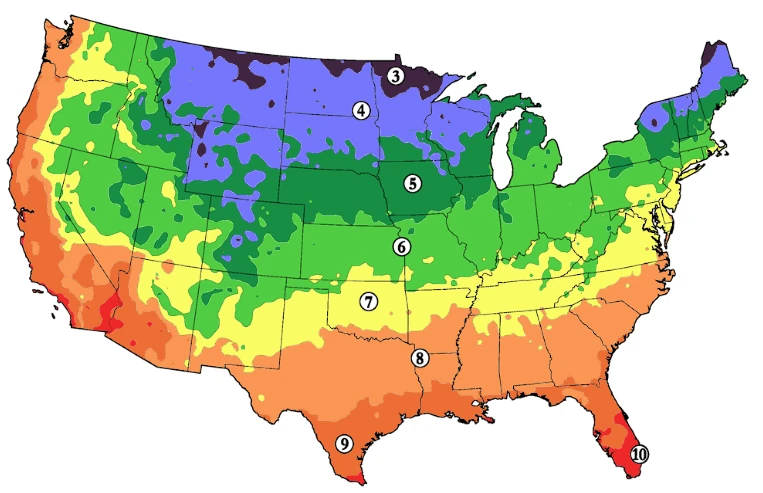
Shaded areas show where this product grows.
USDA Hardiness Zones
A hardiness zone is a geographic area defined by average annual minimum winter temperatures, helping gardeners determine which plants can survive in their region. Developed by the USDA, the 13 numerical zones indicate cold hardiness—for example, a plant "hardy to zone 10" tolerates minimum temperatures of 30 to 40 °F (−1.1 to 4.4 °C).
Grows in zones: 6 - 9
A hardiness zone is a geographic area defined by average annual minimum winter temperatures, helping gardeners determine which plants can survive in their region. Developed by the USDA, the 13 numerical zones indicate cold hardiness—for example, a plant "hardy to zone 10" tolerates minimum temperatures of 30 to 40 °F (−1.1 to 4.4 °C).