Golden Locust
+/-3'
$29.95
Ships: 12/01/2026 - 03/15/2027
Description
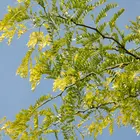
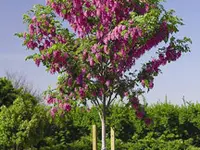
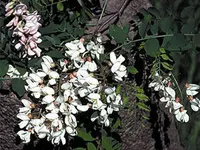
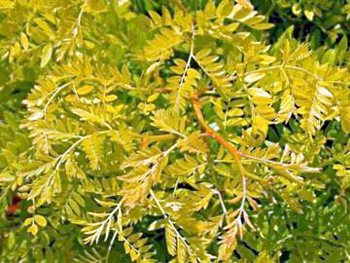
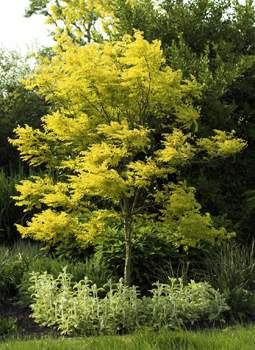
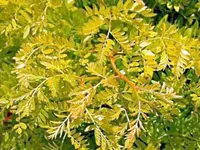
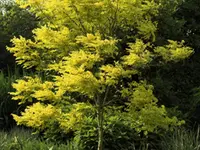
The neighbors will marvel and the passerby will do a double take when the bright yellow sun-like color of the Golden Locust Tree's foliage catch their gaze. The Golden Locust Tree, which grows to a mature height and width of 35-45 ft., makes a statement. From Spring until Fall, the Golden Locust Tree demands attention with its broad pyramidal crown and showy foot long leaves with its many leaflets. May through June brings yellow-green fragrant flowers.
Once established, the tree is extremely drought tolerant and prefers well-drained soil. The Golden Locust Tree is deciduous and hardy. From the extreme North to the far South, our Golden Locust Trees for sale offer your landscape a chance to shine.
Once established, the tree is extremely drought tolerant and prefers well-drained soil. The Golden Locust Tree is deciduous and hardy. From the extreme North to the far South, our Golden Locust Trees for sale offer your landscape a chance to shine.
Characteristics
| Bloom Color | Creamy-White |
| Bloom Time | Late Spring - Early Summer |
| Fall Color | Golden-yellow |
| Hardiness Zone Range | 4 - 9 |
| Shade/Sun | Full Sun |
| Soil Composition | Rich, loamy, and well-draining |
| Soil Moisture | When Young; water weekly - Mature Plants; Occasional Deep Watering |
| Soil pH Level | 6.0-8.0 |
| Mature Width | 20-35 Feet |
| Mature Height | 30-50 Feet |
Zones
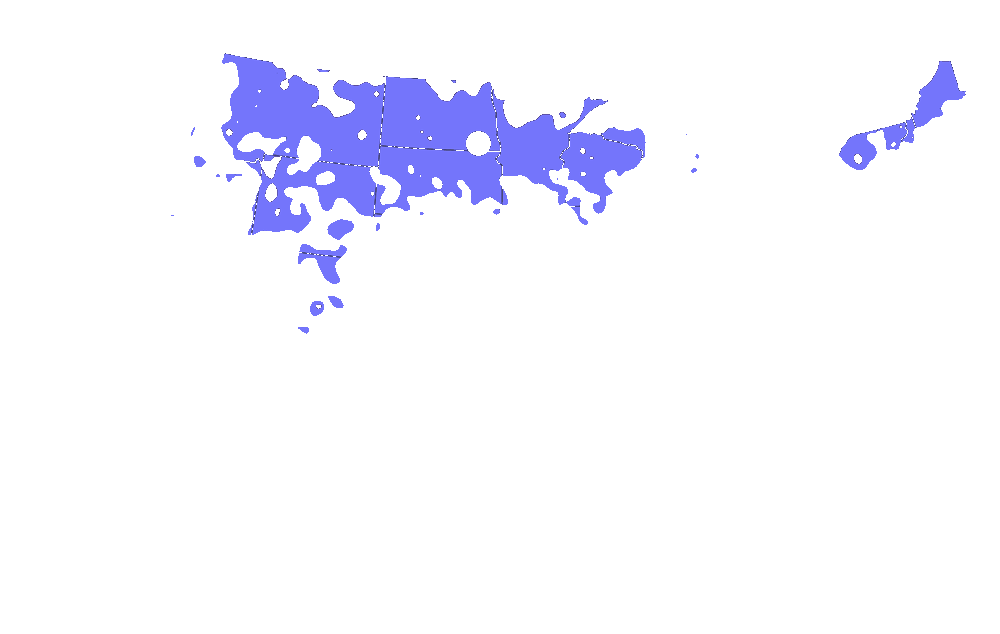
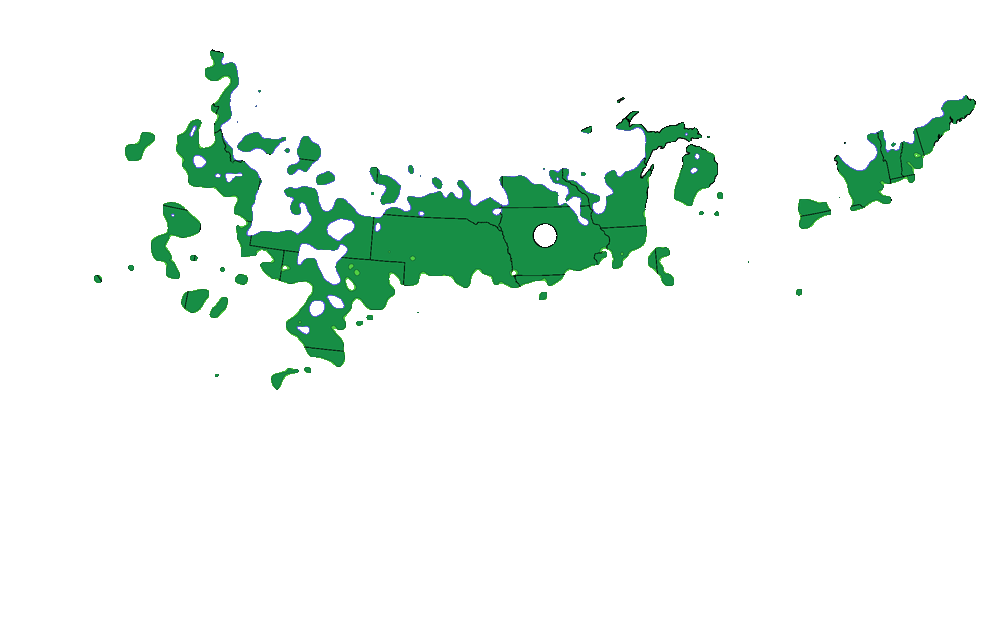
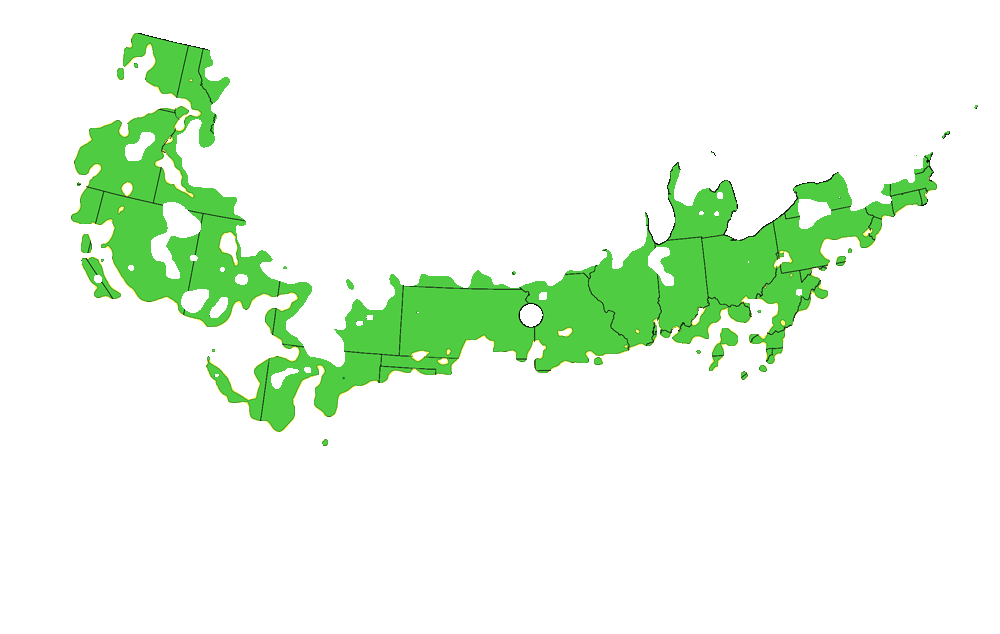
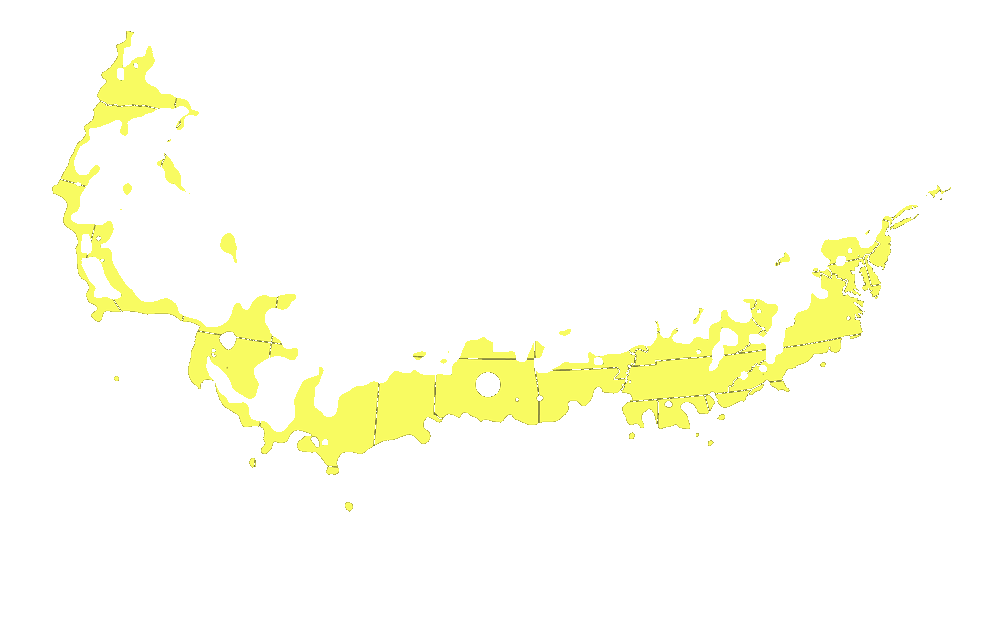
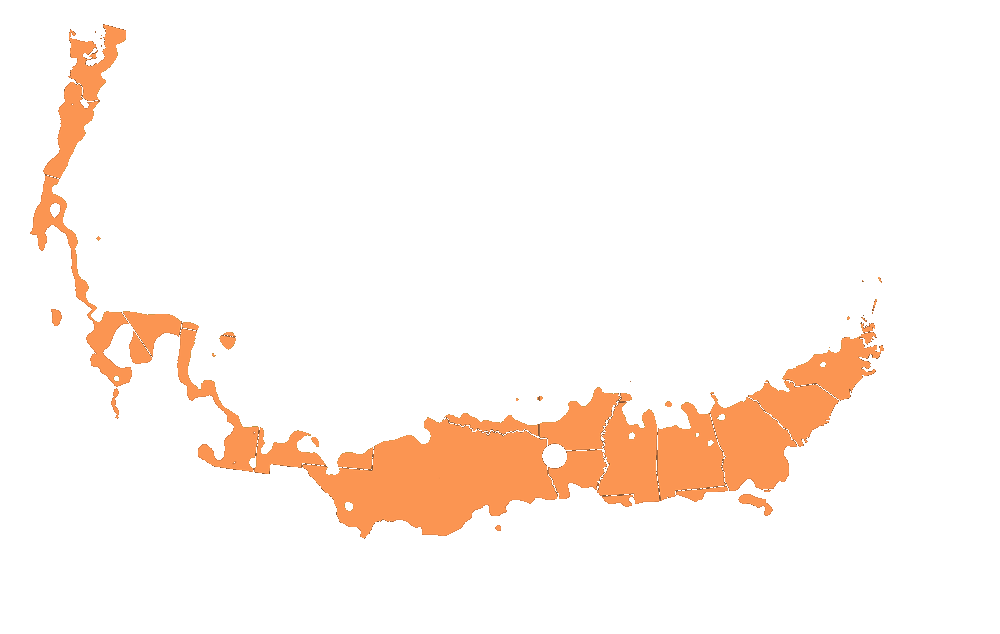
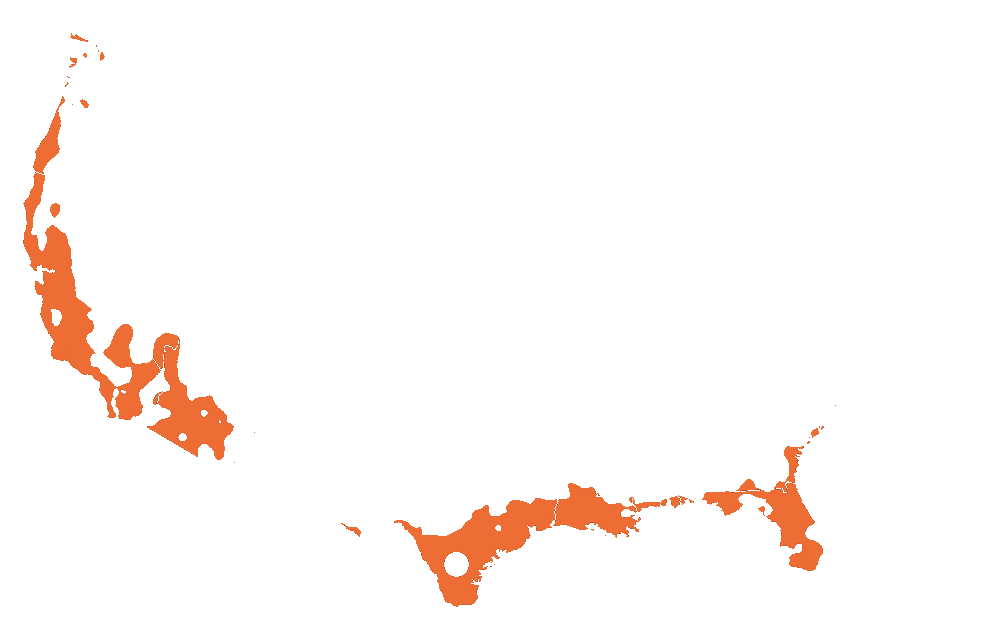
Shaded areas show where this product grows.
USDA Hardiness Zones
A hardiness zone is a geographic area defined by average annual minimum winter temperatures, helping gardeners determine which plants can survive in their region. Developed by the USDA, the 13 numerical zones indicate cold hardiness—for example, a plant "hardy to zone 10" tolerates minimum temperatures of 30 to 40 °F (−1.1 to 4.4 °C).
Grows in zones: 4 - 9
A hardiness zone is a geographic area defined by average annual minimum winter temperatures, helping gardeners determine which plants can survive in their region. Developed by the USDA, the 13 numerical zones indicate cold hardiness—for example, a plant "hardy to zone 10" tolerates minimum temperatures of 30 to 40 °F (−1.1 to 4.4 °C).