Brooks Cherry Tree
4-5'
$54.95
Ships: 01/15/2027 - 03/15/2027
Description
This product cannot be shipped to California.
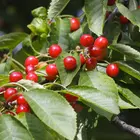
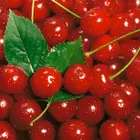
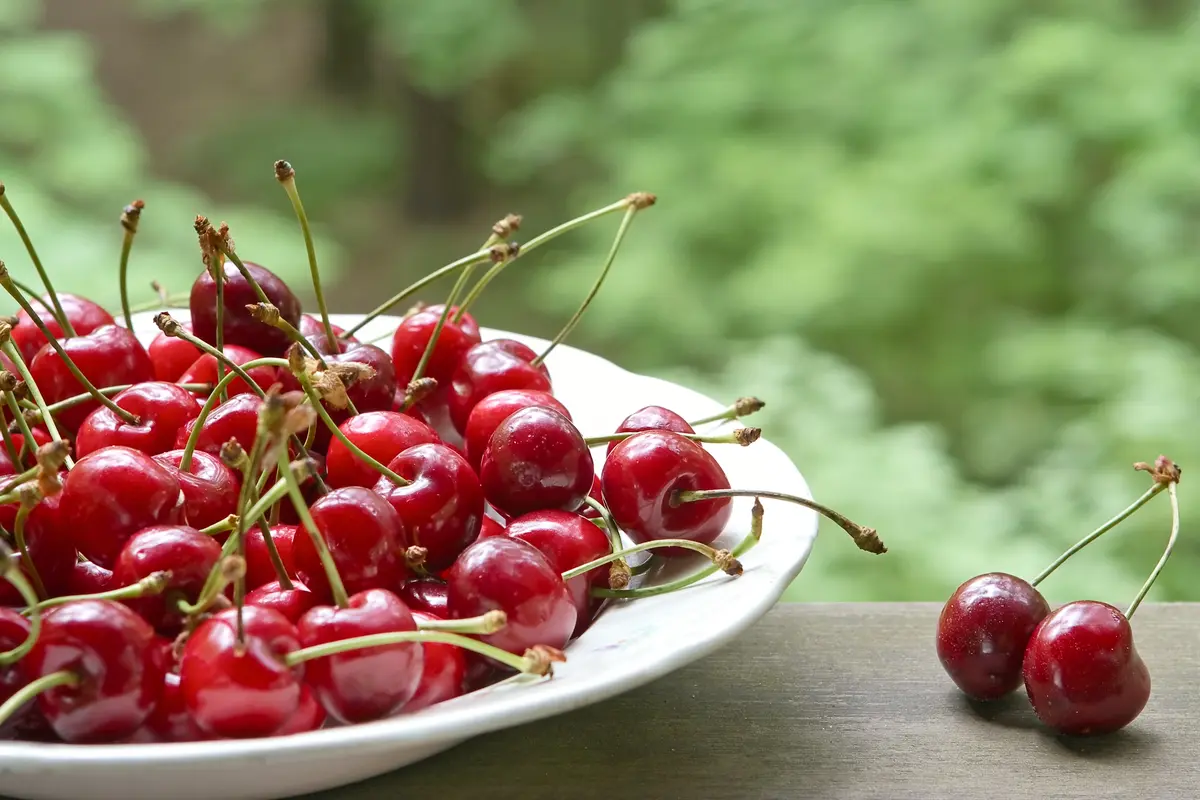
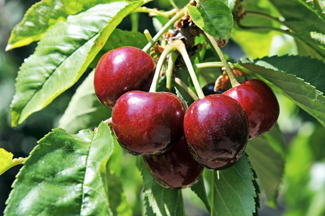
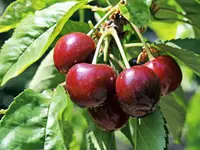
The Brooks Cherry Tree is a relatively new patented variety that offers some outstanding qualities. Of which, its low chilling requirement of 400 - 500 hours is the most important. These low chill cherry trees make it possible for those living in the huge range of USDA Zone 8 to have the opportunity of growing delicious sweet cherries in their very own backyards. The Brooks Cherry Tree yields a large, dark red cherry very similar to Bing but with half the chill hour requirements to produce. Its flavor is sweet, rich and well-balanced. It's flesh is firm and crisp with luscious shades of red and pink. Its a semi-freestone cherry. Pollinates well with Coral, Kansas Sweet, and Tulare.
Characteristics
| Bloom Color | White |
| Bloom Time | Early Spring |
| Fruit Color | Dark Red |
| Fruit Size | 1 inch diameter |
| Hardiness Zone Range | 6 - 8 |
| Pollination | Requires Pollinator |
| Ripens/Harvest | May - June |
| Shade/Sun | Full Sun |
| Soil Composition | Sandy Loam |
| Soil Moisture | Well Draining |
| Soil pH Level | 6.0-7.0 |
| Taste | Sweet & Well Balanced |
| Texture | Firm & Crisp |
| Years to Bear | 2-5 |
Pricing
| Size | Price | Ships |
|---|---|---|
|
3-4'
|
Sold Out | 01/15/2027 - 03/15/2027 |
|
4-5'
|
$54.95 | 01/15/2027 - 03/15/2027 |
|
5-6'
|
$64.95 | 01/15/2027 - 03/15/2027 |
|
6-7'
|
$74.95 | 01/15/2027 - 03/15/2027 |
|
6-7' EZ-Pick (1" cal. - Branched, Fruiting Size)(Limited Supply)
|
$84.95 | 01/15/2027 - 03/15/2027 |
|
6-7' (1.25"caliper, Branched - Fruiting Size)
|
$94.95 | 01/15/2027 - 03/15/2027 |
Zones
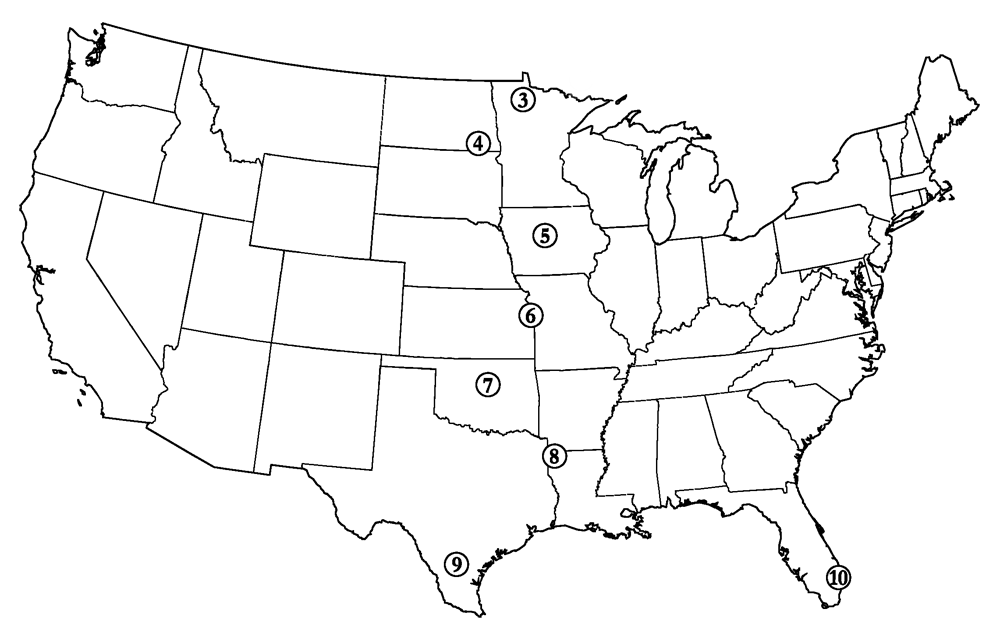
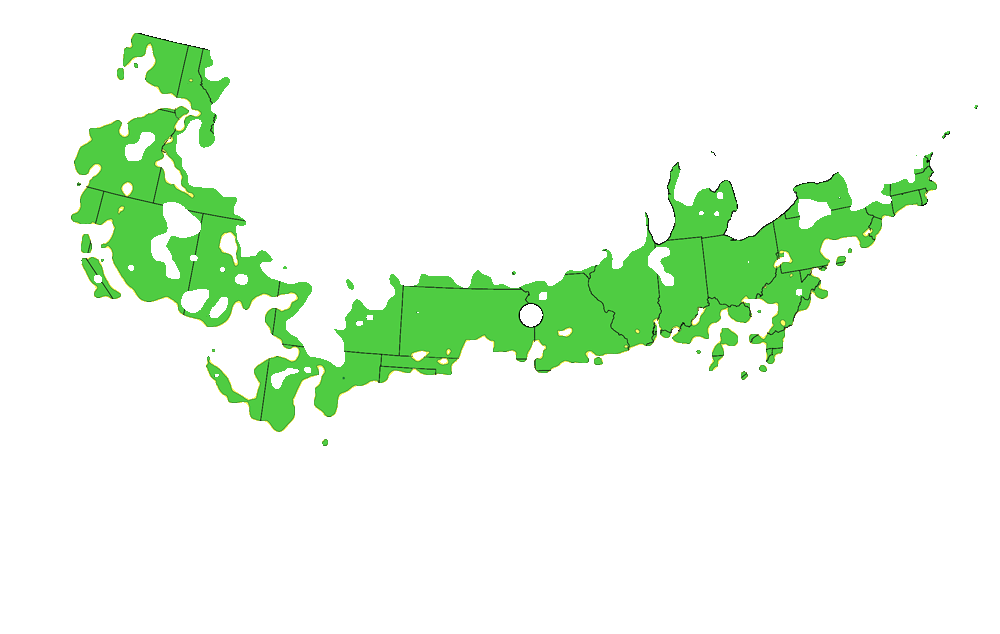
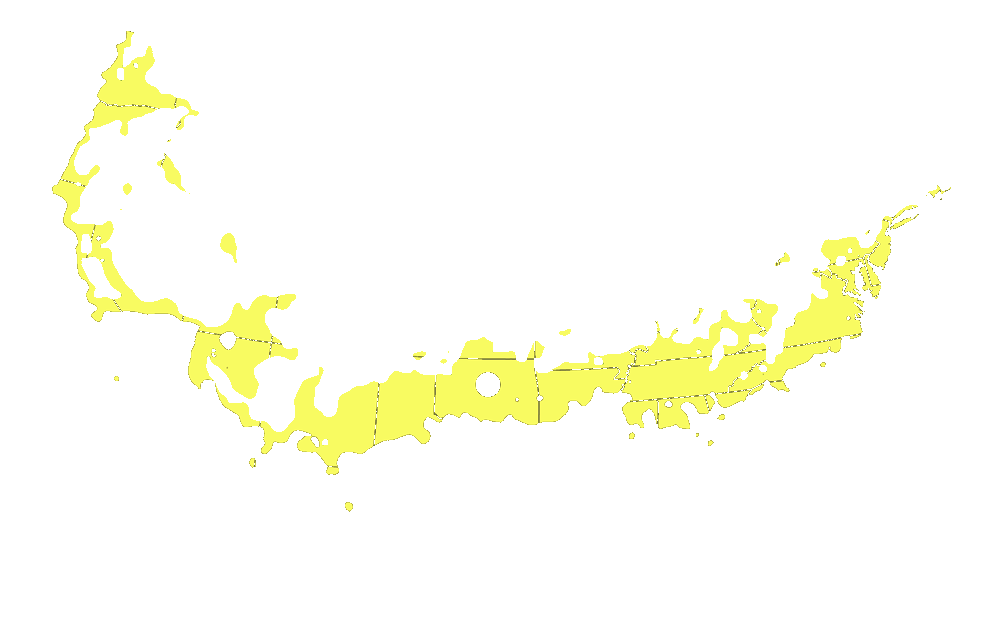
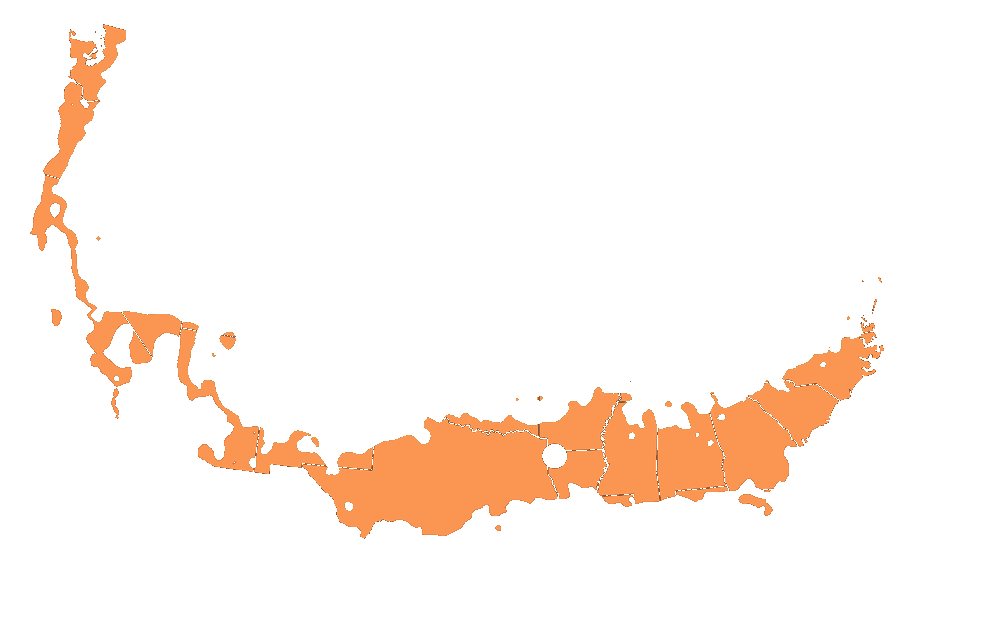
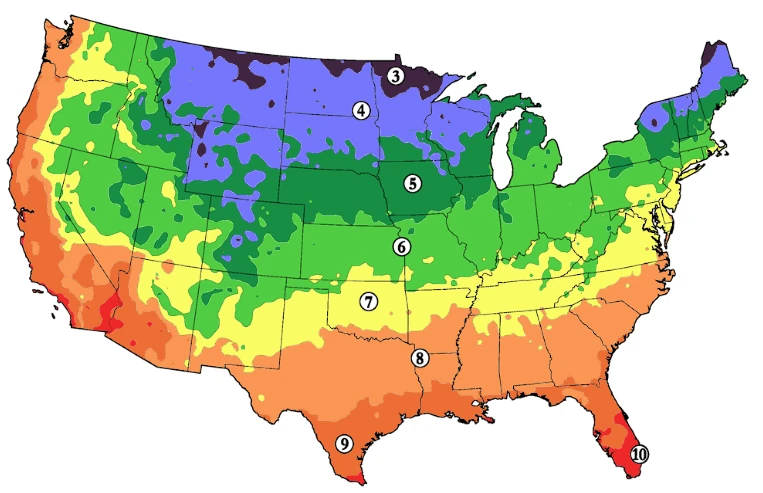
Shaded areas show where this product grows.
USDA Hardiness Zones
A hardiness zone is a geographic area defined by average annual minimum winter temperatures, helping gardeners determine which plants can survive in their region. Developed by the USDA, the 13 numerical zones indicate cold hardiness—for example, a plant "hardy to zone 10" tolerates minimum temperatures of 30 to 40 °F (−1.1 to 4.4 °C).
Grows in zones: 6 - 8
A hardiness zone is a geographic area defined by average annual minimum winter temperatures, helping gardeners determine which plants can survive in their region. Developed by the USDA, the 13 numerical zones indicate cold hardiness—for example, a plant "hardy to zone 10" tolerates minimum temperatures of 30 to 40 °F (−1.1 to 4.4 °C).