Angel Red Pomegranate Tree
+/-1' Tall (Authentic Product)
$19.95
Ships: 10/15/2026 - 06/01/2027
Description
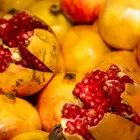
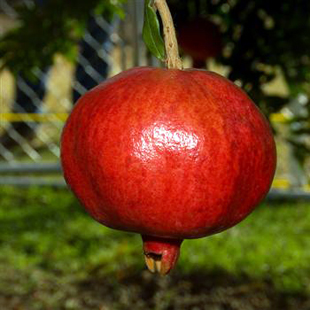
The Angel Red Pomegranate is a new variety with some unique qualities that make it the very "best" pomegranate in the world. The Angel Red Pomegranate tree matures in early September, bears heavy crops, has soft seeds that can be chewed and eaten, and has a vivid red color. This pomegranate tree also has the highest juice content per fruit. The high juice content is awesome but the really great attribute, for those who like eating fresh pomegranates, is that you no longer have to spit the seeds because the seeds are soft enough to be eaten along with the pulp, which makes the whole experience of eating a pomegranate even greater. So, be the first to grow these wonderful new pomegranate trees - that will be in very high demand for years to come. Willis Orchard Company is proud to be among the few nurseries in the country to offer Angel Red Pomegranate trees for sale to the public!
Characteristics
| Bloom Color | Bright Orange-Red |
| Bloom Time | Late Spring |
| Fruit Color | Red |
| Fruit Size | Medium - Large, 2-5 inches in diameter. |
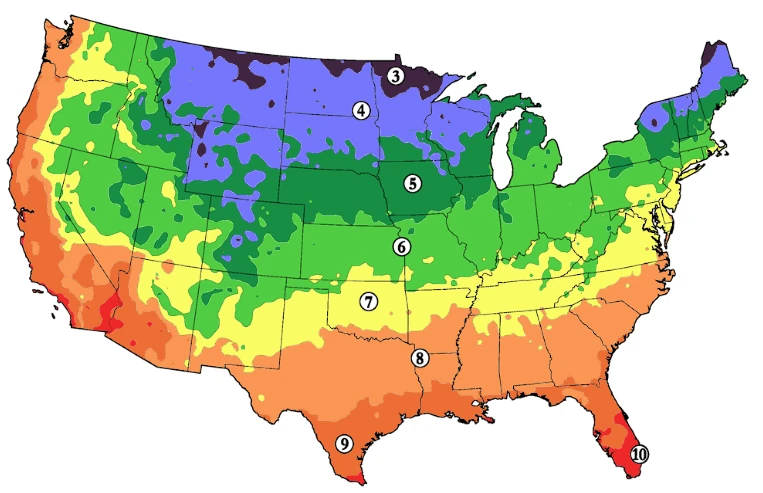
| Hardiness Zone Range | 7 - 10 |
| Pollination | Self-fertile |
| Ripens/Harvest | Late Summer - Fall |
| Shade/Sun | Full Sun |
| Soil Composition | Well Draining |
| Soil Moisture | When Young; 1-2" water weekly - Mature Plants; Occasional Deep Watering |
| Soil pH Level | 5.5-7 |
| Taste | Sweet-Tart |
| Texture | Soft seeds |
| Years to Bear | 1-3 years |
Related Articles
 Featured
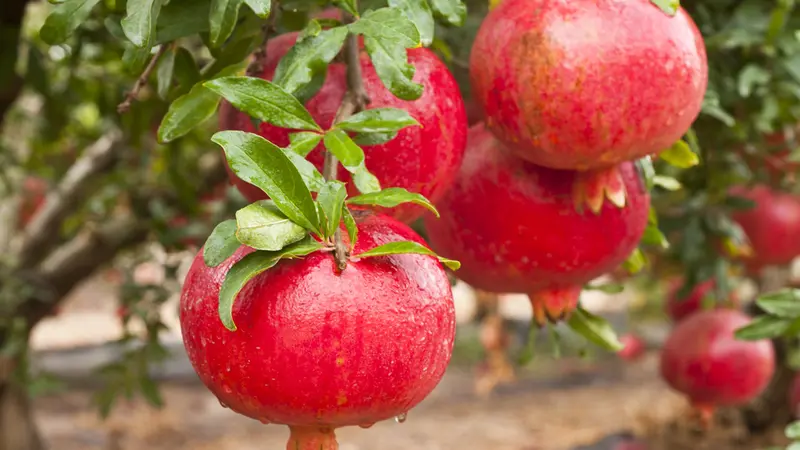
How to Grow a Pomegranate Tree
October 13, 2026 • Amsara
Pomegranate trees bring plenty of character to the landscape, producing vibrant flowers, glossy foliage, and flavorful fruit packed with ruby-red arils. These long-lived fruit trees are relatively easy to maintain once established. Whether you're adding one tree to a backyard garden or expanding a home orchard, understanding how to grow a pomegranate tree starts with the right variety, planting location, and care routine. Explore our selection of pomegranate trees to find a variety suited to your growing conditions.
Pricing
| Size | Price | Ships |
|---|---|---|
|
+/-1' Tall (Authentic Product)
|
$19.95 | 10/15/2026 - 06/01/2027 |
|
+/-2' Tall (Authentic Product)
|
$29.95 | 10/15/2026 - 06/01/2027 |
|
+/-3' Tall (Authentic Product)
|
$44.95 | 10/15/2026 - 06/01/2027 |
|
+/-4' Tall (Branched)
|
$64.95 | 10/15/2026 - 06/01/2027 |
|
+/-5' Tall (Well Branched)
|
$74.95 | 10/15/2026 - 06/01/2027 |
**Authentic Product Guaranteed. We do not substitute other varieties for Angel Red.**
Zones
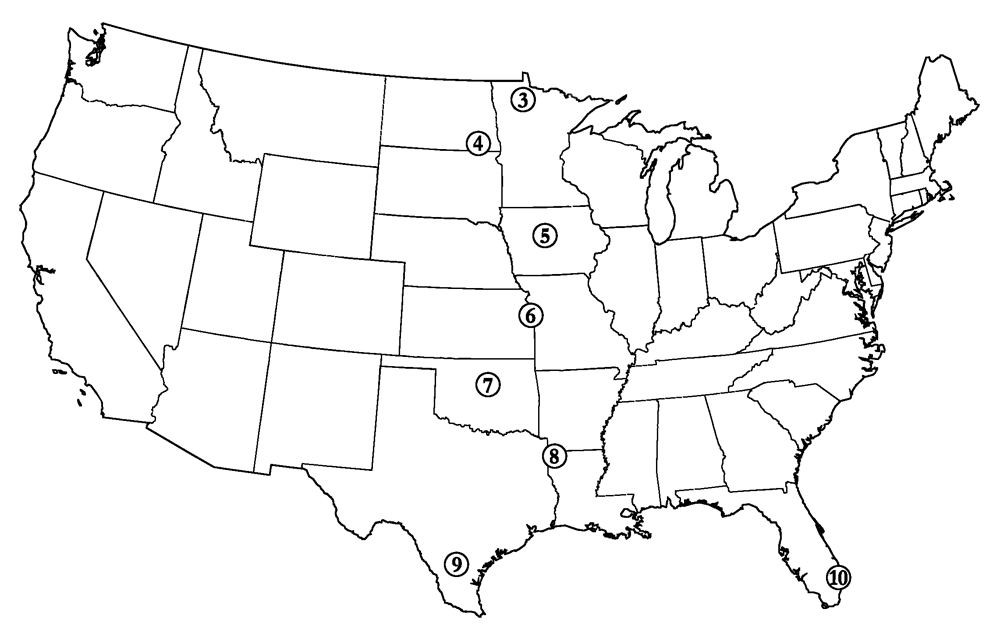
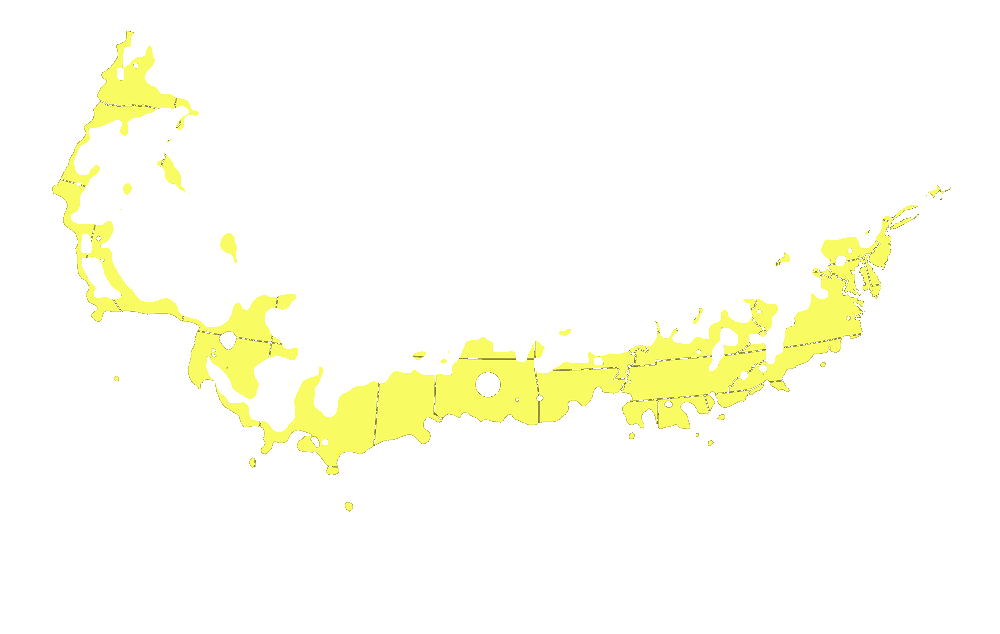
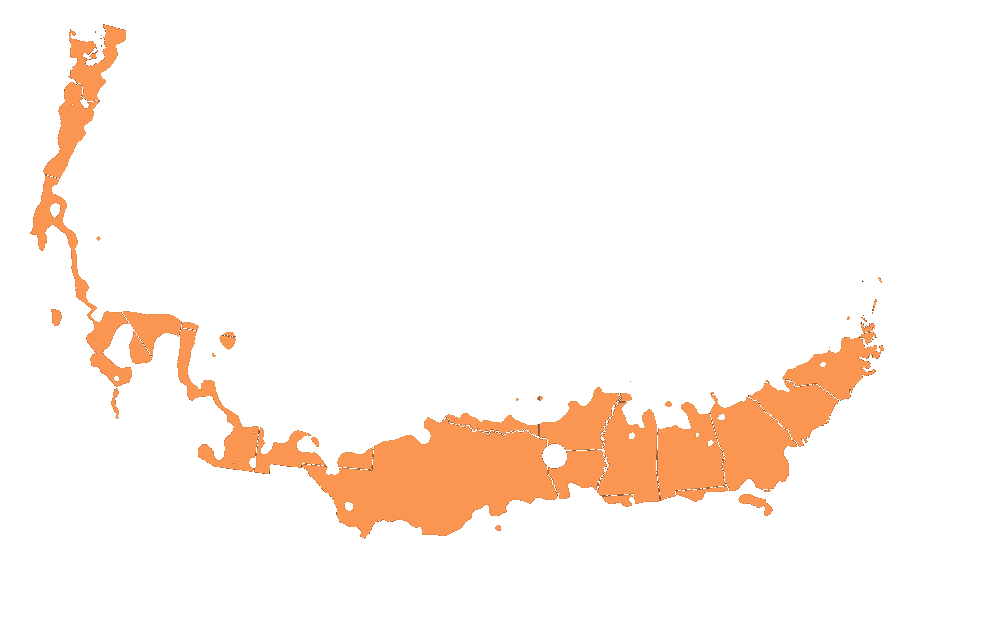
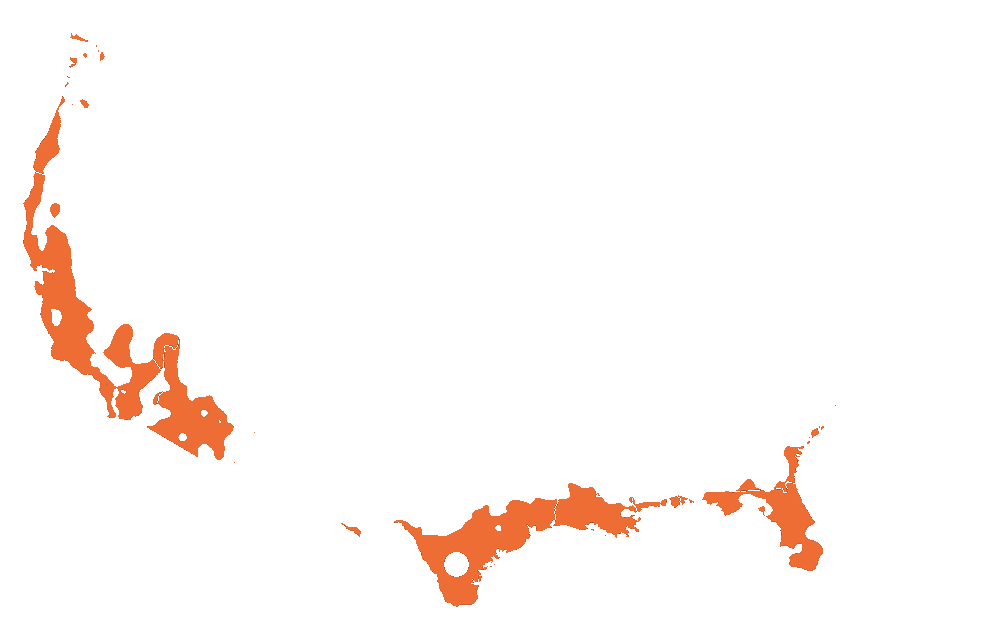
Shaded areas show where this product grows.
USDA Hardiness Zones
A hardiness zone is a geographic area defined by average annual minimum winter temperatures, helping gardeners determine which plants can survive in their region. Developed by the USDA, the 13 numerical zones indicate cold hardiness—for example, a plant "hardy to zone 10" tolerates minimum temperatures of 30 to 40 °F (−1.1 to 4.4 °C).
Grows in zones: 7 - 10
A hardiness zone is a geographic area defined by average annual minimum winter temperatures, helping gardeners determine which plants can survive in their region. Developed by the USDA, the 13 numerical zones indicate cold hardiness—for example, a plant "hardy to zone 10" tolerates minimum temperatures of 30 to 40 °F (−1.1 to 4.4 °C).