Black Satin Thornless Blackberry Plant

Black Satin Blackberry

1 Year Old $5.95
Ships: 12/15/2026 - 04/15/2027
Choose a size:
  

Description

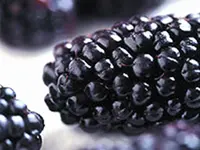
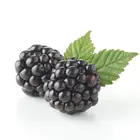
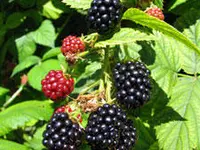
The Black Satin Blackberry plant is a very productive plant, and is extremely vigorous, growing quickly on a thornless, semi-erect cane. that reaches 5-6 feet tall. This specific cultivar is highly popular for home gardens and commercial planting because it is thornless and produces large, sweet-tart berries which ripen around July. Black Satin Blackberry plants are not self supported vines. Plant them along a fence or run on a trellis to keep the heavy crops of berries off the ground.


Characteristics

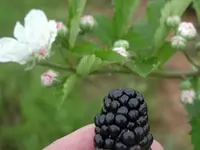
Bloom Color Primarily white, often light pink
Bloom Time Mid to late Spring
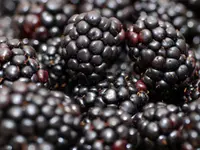
Fruit Color Black
Fruit Size Large
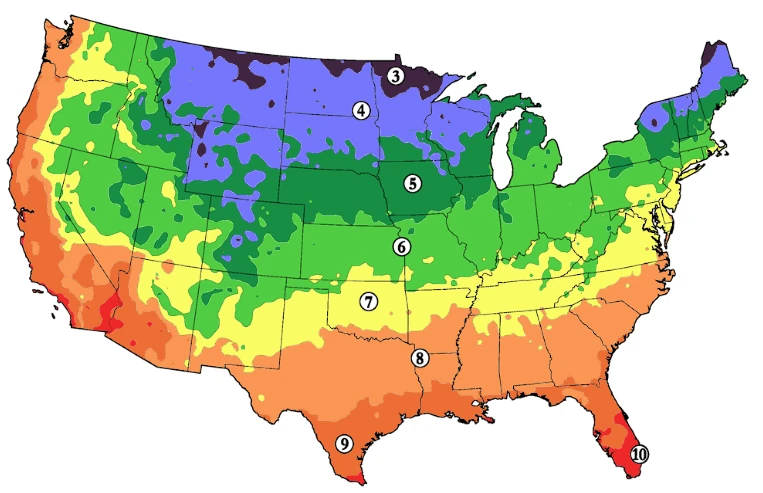
Hardiness Zone Range 5 - 8
Pollination Self Fertile
Ripens/Harvest July
Shade/Sun Full
Soil Composition Mildly acidic, well-drained loamy or sandy loam soils high in organic matter.
Soil Moisture Consistent deep watering once or twice a week after establishing.
Soil pH Level 5.5 to 6.5
Taste Sweet Tart
Texture Firm
Years to Bear 2nd Year (Floricane)


Pricing

Shipping dates are subject to change
Size Price Ships
1 Year Old
$5.95 12/15/2026 - 04/15/2027
10 Plants (1 Yr.)
$49.95 12/15/2026 - 04/15/2027
2 Year Transplant (Fruiting Size)
$15.95 12/15/2026 - 04/15/2027
10 Plants (2 Yr. Fruiting Age)
$144.95 12/15/2026 - 04/15/2027
+/- 2' Pruned (Instant Orchard Size)
$22.95 12/15/2026 - 04/15/2027


Zones

Shaded areas show where this product grows.

USDA Hardiness Zones

Grows in zones: 5 - 8

This product grows in your zone!

A hardiness zone is a geographic area defined by average annual minimum winter temperatures, helping gardeners determine which plants can survive in their region. Developed by the USDA, the 13 numerical zones indicate cold hardiness—for example, a plant "hardy to zone 10" tolerates minimum temperatures of 30 to 40 °F (−1.1 to 4.4 °C).


More Information

Provide fertile, mildly acidic, well-drained soil. Water deeply, regularly in first growing season to establish extensive root system. Feed before new growth begins in spring. After harvest, prune to ground older canes that have fruited, leaving one-year-old canes to produce next season's crop. Train newer canes on trellis. 'Black Satin' produces its blackberries on floricanes, so pruning should be timed to take advantage of this two-year growth cycle.