Pinot Noir Grape Vine
2 Year Old Vine
$16.95
Ships: 12/01/2026 - 04/01/2027
Description
This product cannot be shipped to Washington.
The Pinot Noir grapevine is the signature grape variety of the famous Burgandy wine region in Northern France. This variety was chosen because of its inbred genotype, which made it easier to reproduce. Some say it is a bit more finicky to grow, but we all know if it were easy, it would not be worth it. Others say the special genotype of Pinot Noir grape vine is what gives it additional tannins and terpenes which directly correlate with the aromatic features of this fine wine and makes it well worth the effort to grow Pinot Noir grapes.
Characteristics
| Bloom Color | Greenish-white |
| Bloom Time | Late Spring - Early Summer |
| Fruit Color | Black |
| Fruit Size | Small |
| Hardiness Zone Range | 6 - 10 |
| Pollination | Self-fertile |
| Ripens/Harvest | August - October |
| Shade/Sun | Full Sun |
| Soil Composition | Sandy, loamy, and well-draining |
| Soil Moisture | When Young; water weekly - Mature Plants; Occasional Deep Watering |
| Soil pH Level | 5.5-6.5 |
| Years to Bear | 3 years |
Zones
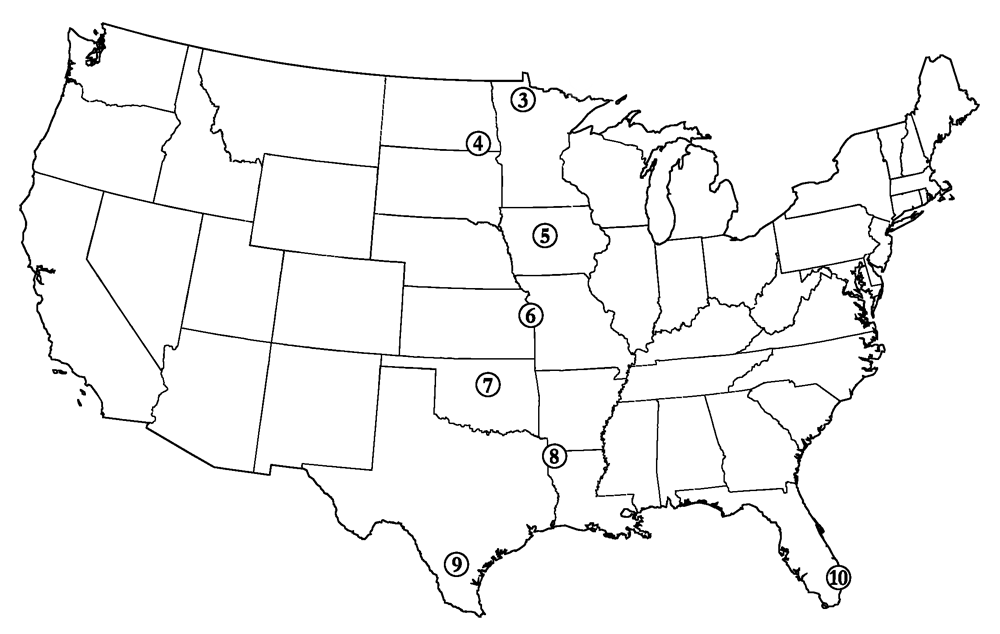
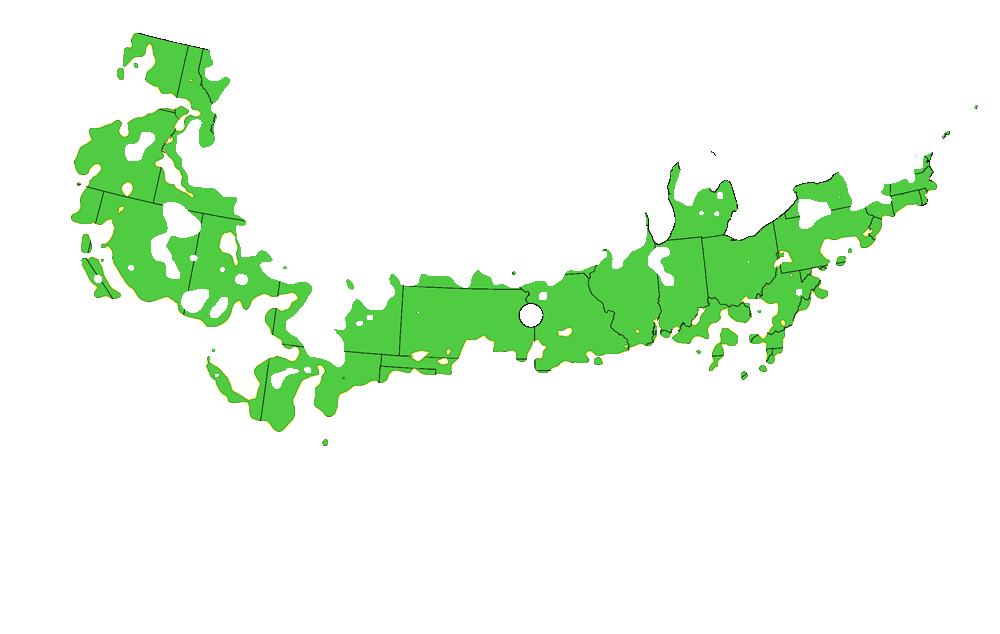
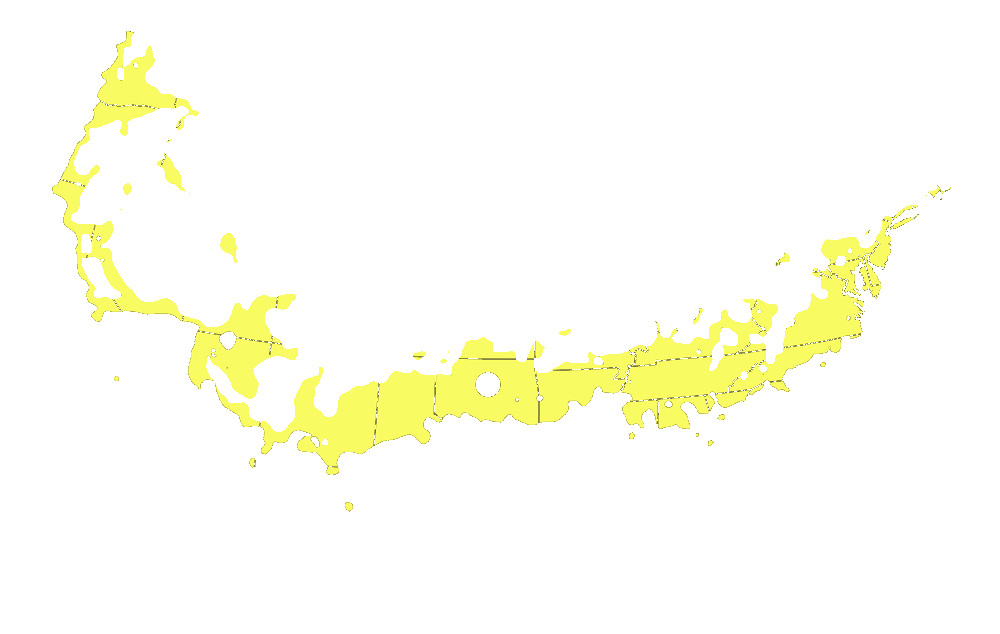
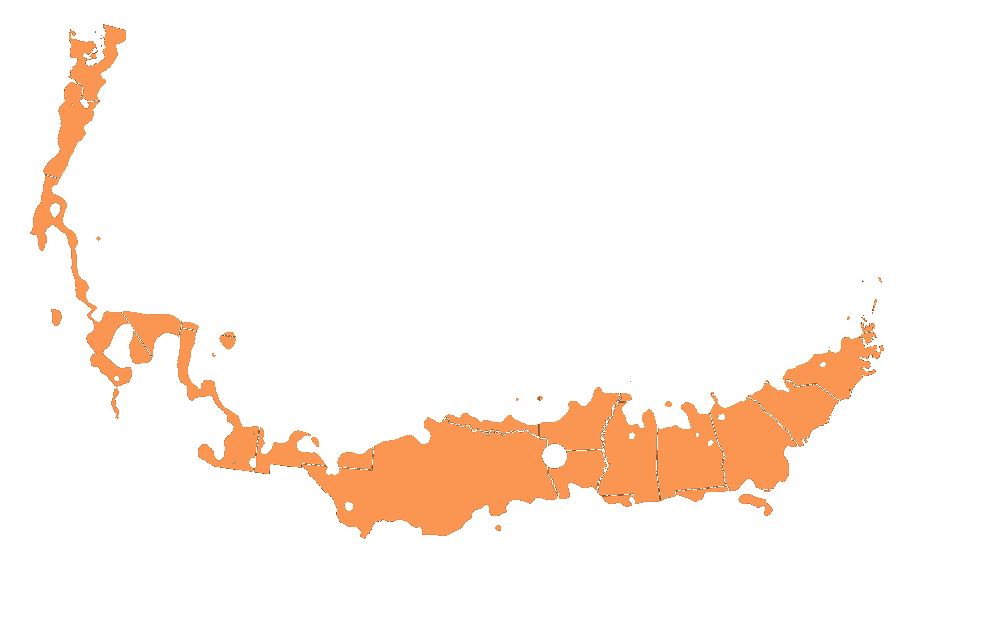
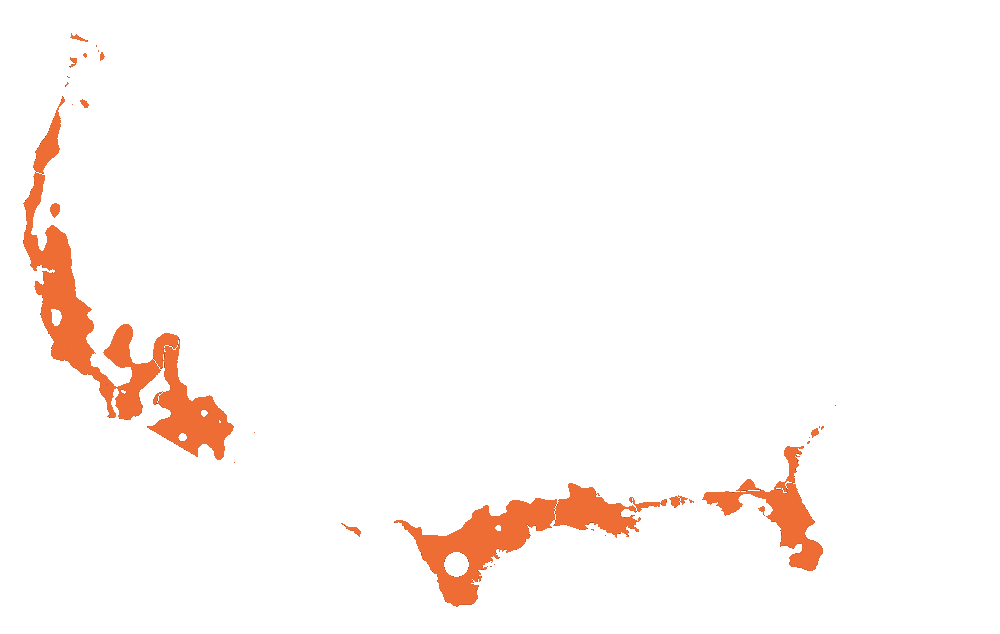
Shaded areas show where this product grows.
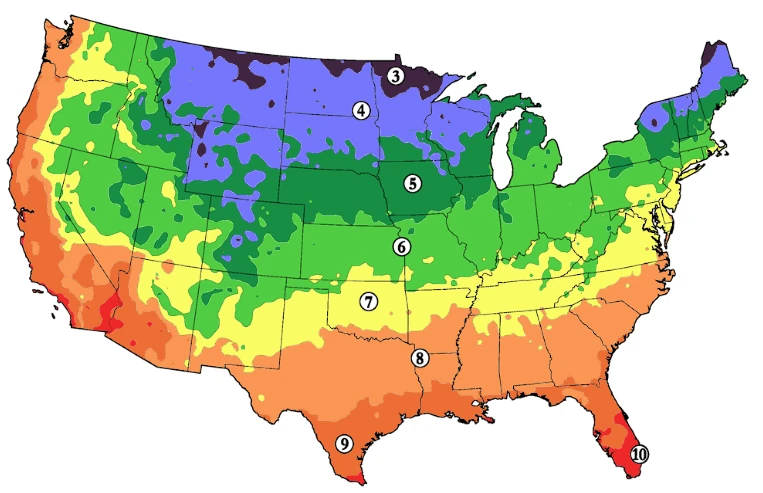
USDA Hardiness Zones
A hardiness zone is a geographic area defined by average annual minimum winter temperatures, helping gardeners determine which plants can survive in their region. Developed by the USDA, the 13 numerical zones indicate cold hardiness—for example, a plant "hardy to zone 10" tolerates minimum temperatures of 30 to 40 °F (−1.1 to 4.4 °C).
Grows in zones: 6 - 10
A hardiness zone is a geographic area defined by average annual minimum winter temperatures, helping gardeners determine which plants can survive in their region. Developed by the USDA, the 13 numerical zones indicate cold hardiness—for example, a plant "hardy to zone 10" tolerates minimum temperatures of 30 to 40 °F (−1.1 to 4.4 °C).