Korean Stewartia Tree
6-12" (Rare and Unique)
$19.95
Ships: 12/01/2026 - 03/15/2027
Description
This product cannot be shipped to California.
The Korean Stewartia Tree is touted by famous horticulturalist Micheal Dirr as the best ornamental landscaping tree there is and we agree. An excellent, small to medium-sized, deciduous garden tree, 30 to 40 feet tall and 25 to 30 feet wide, Korean Stewartia is an all-season performer, exhibiting a distinctive branching pattern in winter, camellia-like flowers in summer, and bright yellow and red foliage in autumn.
Most other trees have finished flowering by the time these flowers emerge. Once you have seen it the fall color is unforgettable. Stewartia bark is spectacular, peeling off and exposing contrasting colors. It could be grown for this characteristic alone.
The tree branches close to the ground forming a sinewy pattern not unlike crepe myrtle. Our Korean Stewartia Trees for sale would make a nice patio tree, could accent an entry way, or could be grown as a canopy tree over a sidewalk. A row of them on either side of a sidewalk spaced 15 feet apart makes an outstanding 'covered walkway.' Stewartia is moderate growing, features gorgeous bark, beautiful blooms and fantastic fall leaf colors. It offers beauty and interest in every season. Stewartia trees are hard to find and relatively unknown but this is certain to change as people learn what a truly spectacular tree it is. The Korean Stewartia Tree prefers to be planted in rich, organic soil with good drainage and full sun.
Most other trees have finished flowering by the time these flowers emerge. Once you have seen it the fall color is unforgettable. Stewartia bark is spectacular, peeling off and exposing contrasting colors. It could be grown for this characteristic alone.
The tree branches close to the ground forming a sinewy pattern not unlike crepe myrtle. Our Korean Stewartia Trees for sale would make a nice patio tree, could accent an entry way, or could be grown as a canopy tree over a sidewalk. A row of them on either side of a sidewalk spaced 15 feet apart makes an outstanding 'covered walkway.' Stewartia is moderate growing, features gorgeous bark, beautiful blooms and fantastic fall leaf colors. It offers beauty and interest in every season. Stewartia trees are hard to find and relatively unknown but this is certain to change as people learn what a truly spectacular tree it is. The Korean Stewartia Tree prefers to be planted in rich, organic soil with good drainage and full sun.
Characteristics
| Hardiness Zone Range | 5 - 8 |
Zones
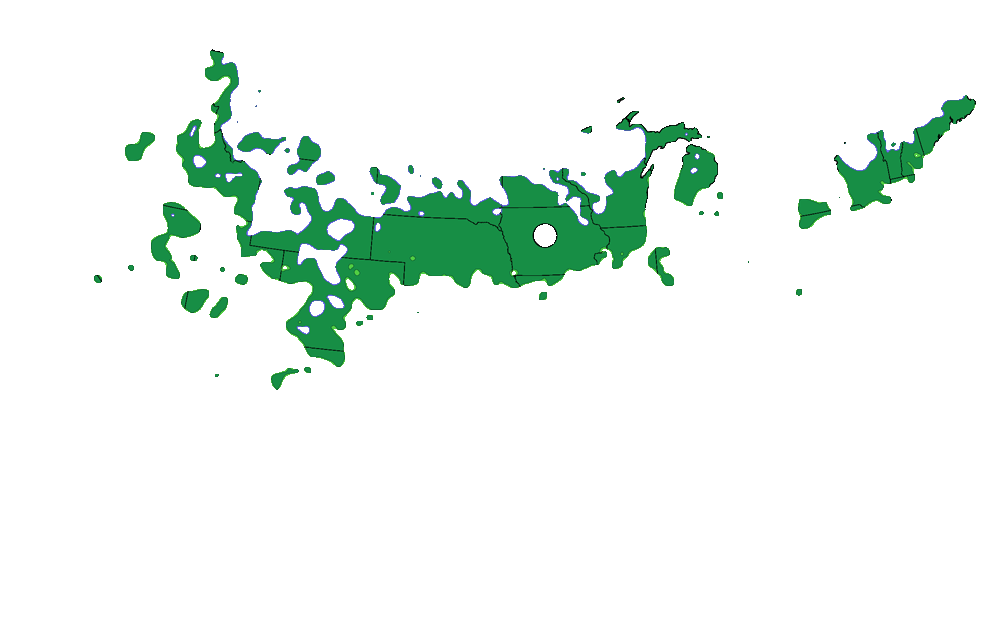
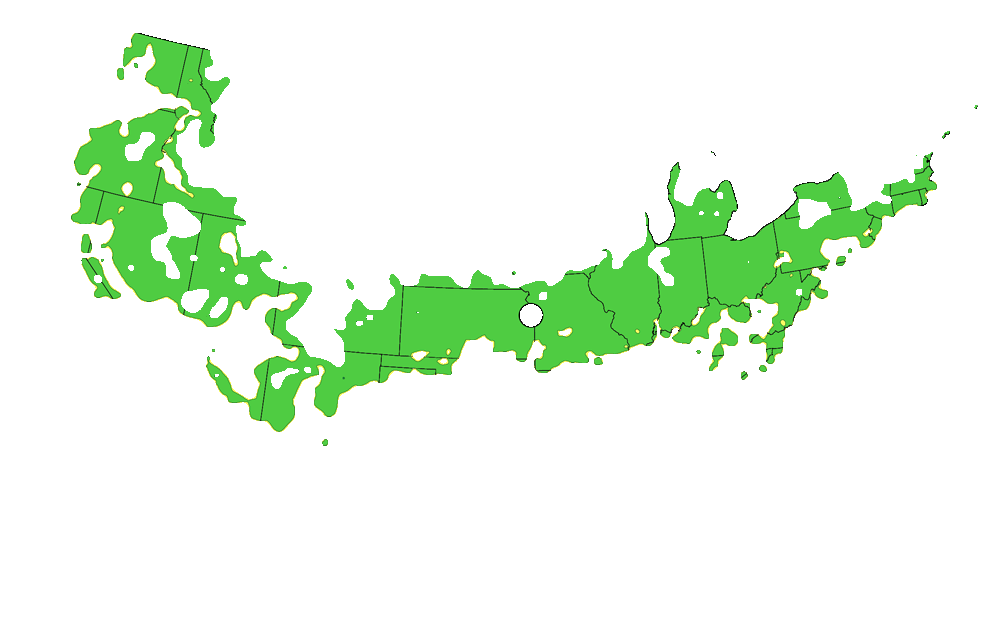
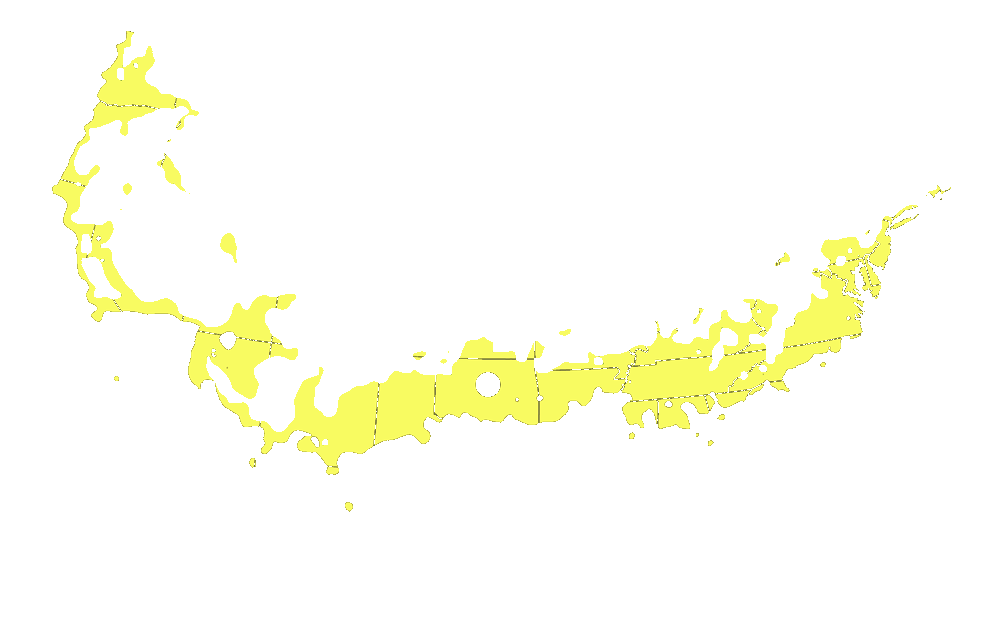
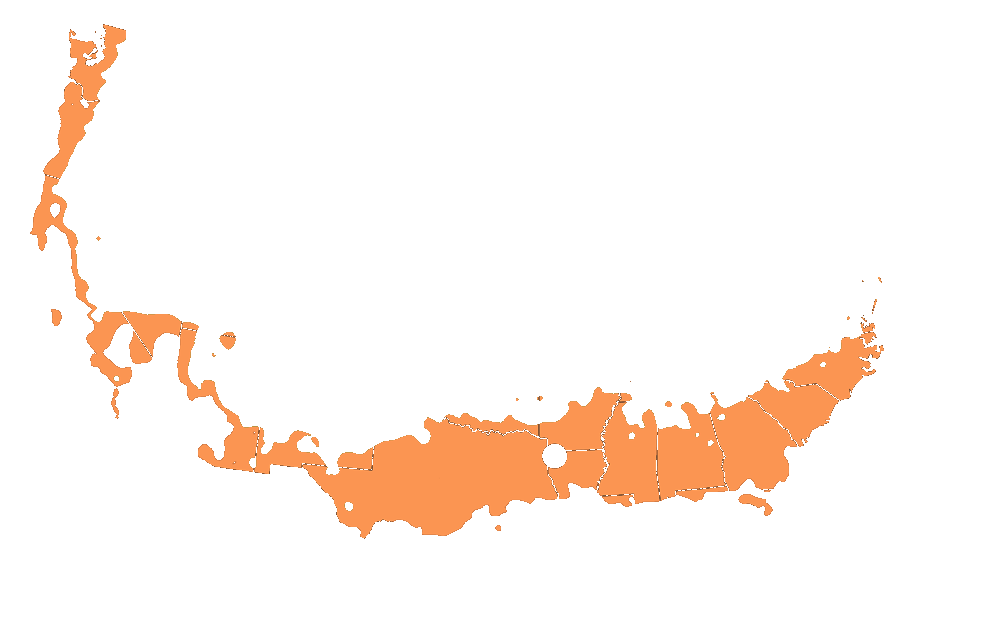
Shaded areas show where this product grows.
USDA Hardiness Zones
A hardiness zone is a geographic area defined by average annual minimum winter temperatures, helping gardeners determine which plants can survive in their region. Developed by the USDA, the 13 numerical zones indicate cold hardiness—for example, a plant "hardy to zone 10" tolerates minimum temperatures of 30 to 40 °F (−1.1 to 4.4 °C).
Grows in zones: 5 - 8
A hardiness zone is a geographic area defined by average annual minimum winter temperatures, helping gardeners determine which plants can survive in their region. Developed by the USDA, the 13 numerical zones indicate cold hardiness—for example, a plant "hardy to zone 10" tolerates minimum temperatures of 30 to 40 °F (−1.1 to 4.4 °C).