
Black Butte Blackberry Plant
1 Year Old
$5.95
Ships: 12/01/2026 - 04/15/2027
Description
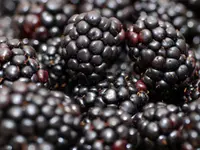
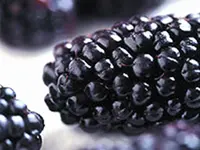
The 'Black Butte' blackberry is a trailing cultivar developed by the USDA-ARS Horticultural Crops Research Laboratory in Oregon. It is widely recognized for producing exceptionally large, firm berries that are prized and highly sought after by home gardeners and specialty markets. because the vines bear firm berries that can handle the rigors of shipping. The Black Butte is an extra large, sweet berry that averages 1 inch in diameter and 2 inches long. The individual berries weigh more than two-fifths of an ounce which is almost twice the size of other varieties of fresh blackberries. The Black Butte ripens in late June, four to six weeks earlier than many other varieties.
The Black Butte is a premium, trailing blackberry variety celebrated for producing some of the largest berries in the world. Developed by USDA scientists in Oregon, this early-season fruit is known for its sweet, rich flavor and massive size, making it
Characteristics
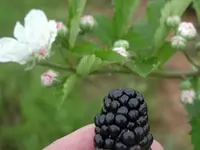
| Bloom Color | White |
| Bloom Time | May to June |
| Fall Color | Vivid Red to Maroon |
| Fruit Color | Black |
| Fruit Size | Extra Large |
| Hardiness Zone Range | 7 - 10 |
| Pollination | Self Fertile |
| Ripens/Harvest | Late June to Mid July |
| Shade/Sun | Full Sun |
| Soil Composition | Rich fertile, slightly acidic |
| Soil Moisture | Well-drained moist |
| Soil pH Level | 5.5 to 6.5 |
| Taste | Sweet |
| Texture | Firm |
| Years to Bear | 1-2 Years |
| Mature Width | 3 to 4 Feet |
| Mature Height | 4 to 6 Feet Tall |
Zones
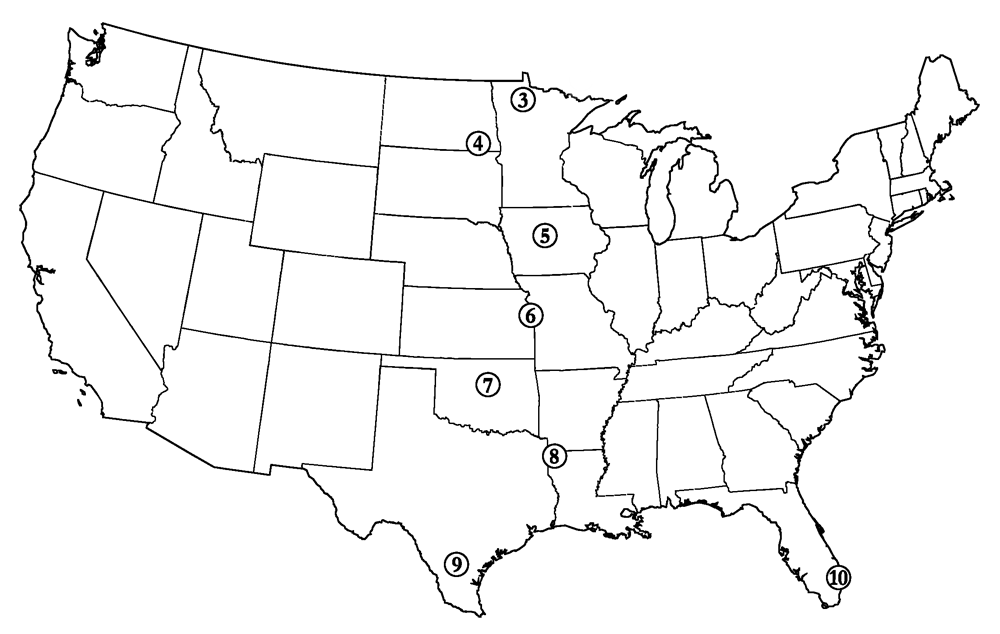
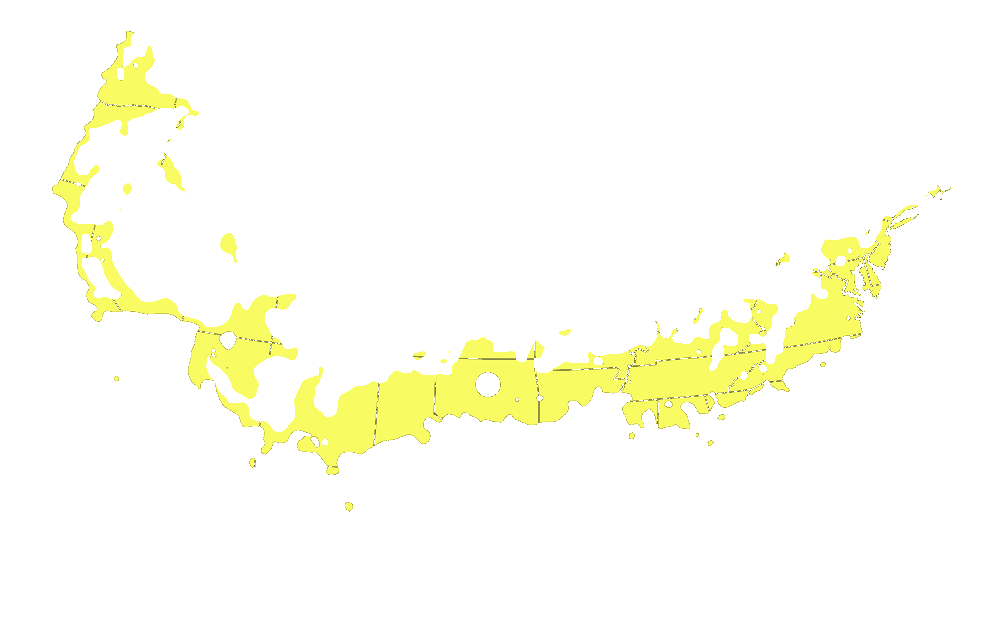
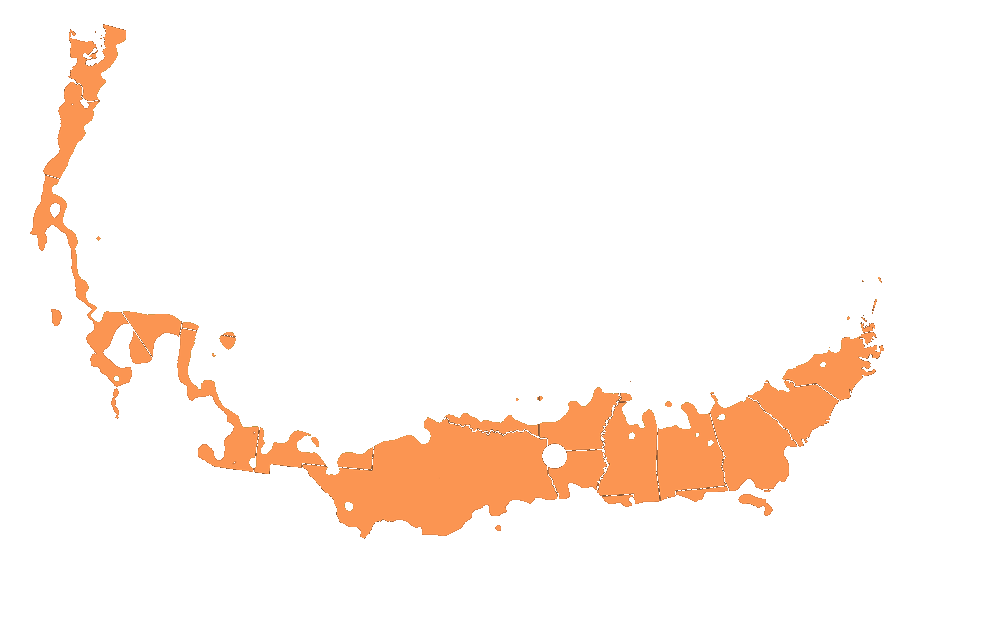
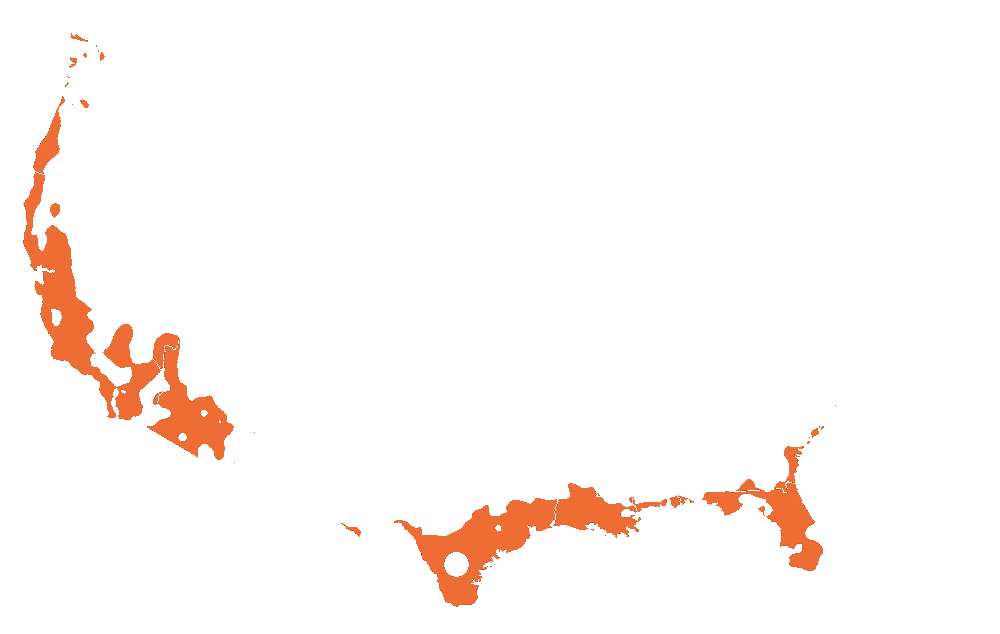
Shaded areas show where this product grows.
USDA Hardiness Zones
A hardiness zone is a geographic area defined by average annual minimum winter temperatures, helping gardeners determine which plants can survive in their region. Developed by the USDA, the 13 numerical zones indicate cold hardiness—for example, a plant "hardy to zone 10" tolerates minimum temperatures of 30 to 40 °F (−1.1 to 4.4 °C).
Grows in zones: 7 - 10
A hardiness zone is a geographic area defined by average annual minimum winter temperatures, helping gardeners determine which plants can survive in their region. Developed by the USDA, the 13 numerical zones indicate cold hardiness—for example, a plant "hardy to zone 10" tolerates minimum temperatures of 30 to 40 °F (−1.1 to 4.4 °C).

More Information
This trailing variety requires mild winters and is best suited for climates where temperatures stay above 10°F. Since this plant develops a trailing vine, proper trellising is recommended to support its canes and make harvesting easier.
Blackberries are low in fat and sodium and a good source of fiber, potassium and vitamins A and C.