Anna Apple Tree
+/-4'
$34.95
Ships: 12/01/2026 - 03/15/2027
Description
This product cannot be shipped to California.
Anna Apple Tree is an Israeli selection with a remarkably low chill requirement. It is large and has light greenish-yellow skin with a slight red blush. The Anna Apple fruit is sweet, slightly tart, crisp with a creamy white flesh. Anna Apples are a good southern choice for fresh eating, apple sauce, or homemade pies. The trees produce at an early age and the fruit stores very well. Anna Apple trees need only 200 chill hours to produce delicious apples that ripen in late June. Pollinator required. Ein Shemer and Dorsett Golden are perfect pollinators for the Anna Apple tree. Buy Anna Apple Trees for sale at Willis Orchard Company today!
Characteristics
| Bloom Color | White |
| Bloom Time | Early Spring |
| Fruit Color | Light Green w/Red Blush |
| Fruit Size | 2.5-3 inches |
| Hardiness Zone Range | 6 - 9 |
| Pollination | Pollinator Required |
| Ripens/Harvest | June |
| Shade/Sun | Full Sun |
| Soil Composition | Loam |
| Soil Moisture | Well Draining |
| Soil pH Level | 6.0-7.0 |
| Taste | Sweet-Tart |
| Texture | Crisp |
| Years to Bear | 3-5 |
Pricing
| Size | Price | Ships |
|---|---|---|
|
+/-4'
|
$34.95 | 12/01/2026 - 03/15/2027 |
|
5-6' (Branched)
|
$39.95 | 12/01/2026 - 03/15/2027 |
|
6-7' (Branched)
|
$49.95 | 12/01/2026 - 03/15/2027 |
|
5-6' (3/4-1" cal. Branched/EZ- Pick - Fruiting Size)
|
$69.95 | 12/01/2026 - 03/15/2027 |
|
6-7' (1-1.25" cal. Instant Orchard)
|
$94.95 | 12/01/2026 - 03/15/2027 |
Zones
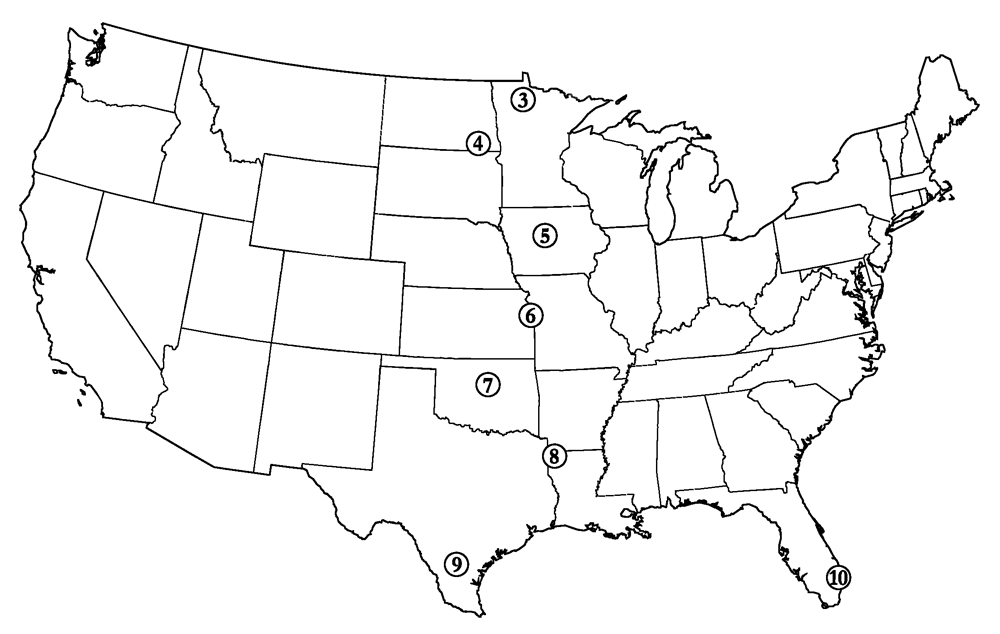
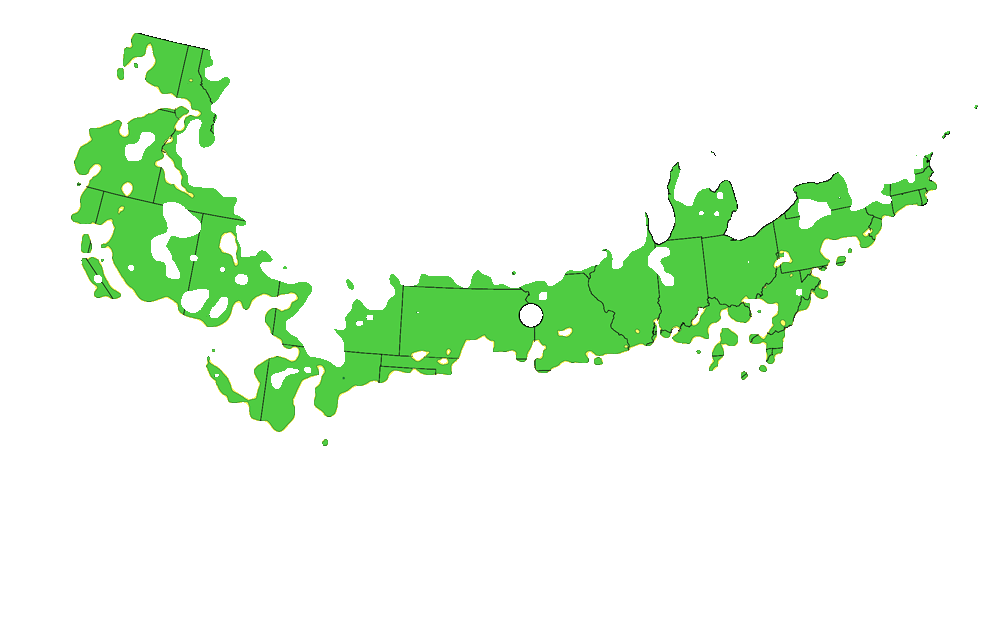
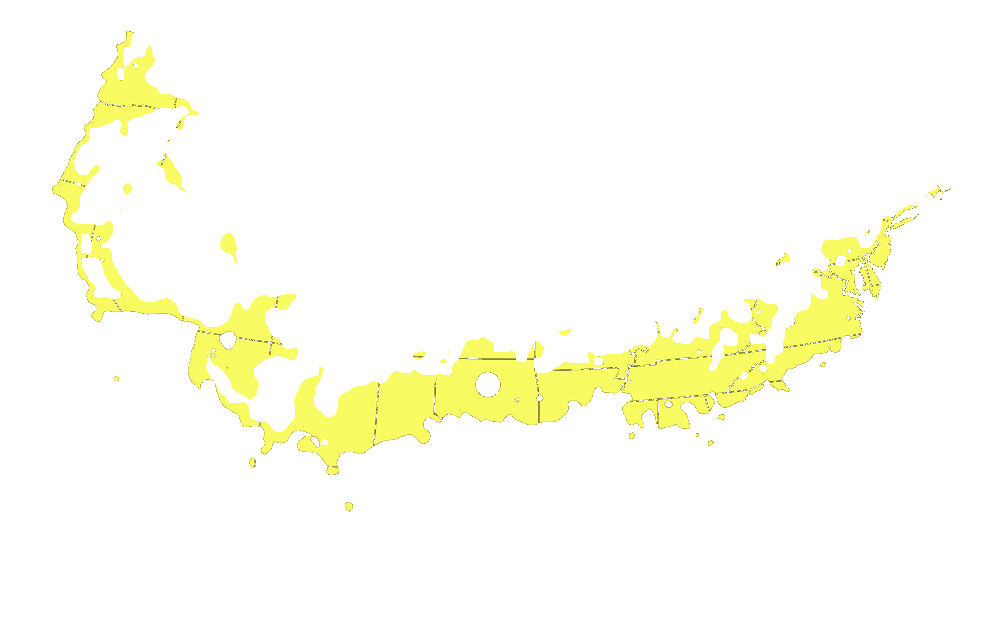
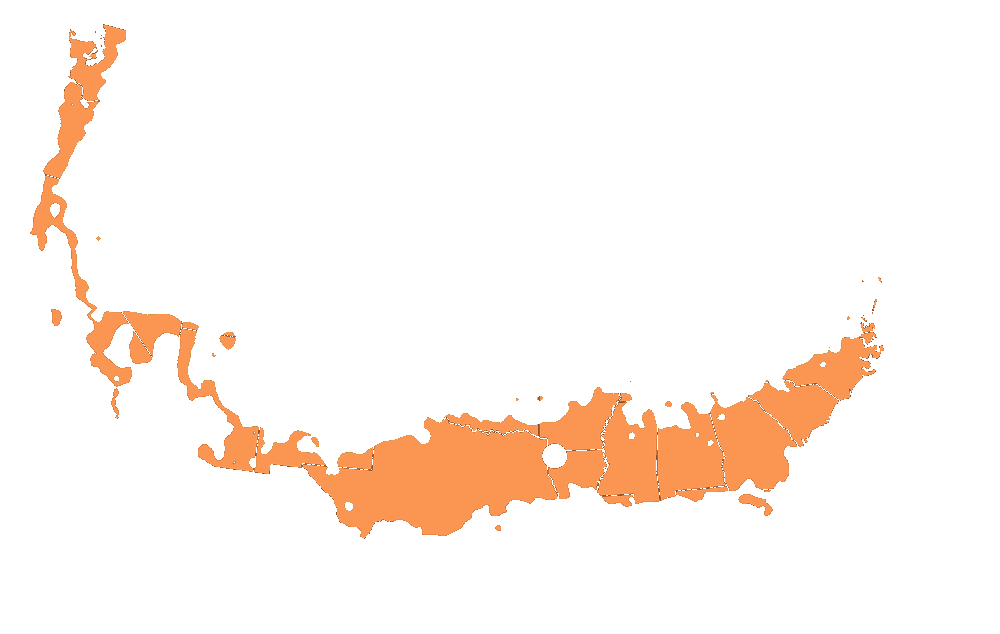
Shaded areas show where this product grows.
USDA Hardiness Zones
A hardiness zone is a geographic area defined by average annual minimum winter temperatures, helping gardeners determine which plants can survive in their region. Developed by the USDA, the 13 numerical zones indicate cold hardiness—for example, a plant "hardy to zone 10" tolerates minimum temperatures of 30 to 40 °F (−1.1 to 4.4 °C).
Grows in zones: 6 - 9
This product grows in your zone!
A hardiness zone is a geographic area defined by average annual minimum winter temperatures, helping gardeners determine which plants can survive in their region. Developed by the USDA, the 13 numerical zones indicate cold hardiness—for example, a plant "hardy to zone 10" tolerates minimum temperatures of 30 to 40 °F (−1.1 to 4.4 °C).